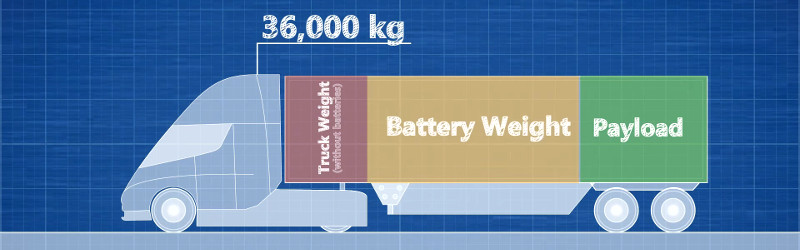
Buying an electric car without thinking about battery size is a little like buying a refrigerator without checking whether it can hold your groceries. It may look shiny, it may have a touchscreen big enough to stream a moon landing, and it may accelerate like a startled catbut if the battery pack does not match your daily life, you will either pay for range you rarely use or wish you had more every time the weather gets dramatic.
So, how much of a battery pack does your electric car need? The practical answer is: enough to cover your daily driving, bad-weather range loss, aging over time, and occasional detourswithout forcing you to treat every trip like a math exam. The fun answer is: probably less than the biggest battery on the lot, unless your hobbies include cross-state road trips, towing, mountain driving, or ignoring low-battery warnings until the dashboard starts judging you.
This guide breaks down electric vehicle battery size in plain English: kilowatt-hours, real-world range, charging habits, efficiency, climate, battery degradation, and the all-important question of whether you really need a giant battery pack or just a smartly chosen one.
What Does EV Battery Pack Size Actually Mean?
An electric car battery pack is measured in kilowatt-hours, usually written as kWh. Think of kWh as the size of the car’s “energy tank.” A 40 kWh battery stores less usable energy than a 77 kWh battery, just as a compact car’s gas tank stores less fuel than a pickup’s tank.
But here is the first twist: battery size does not equal range by itself. A big battery in a heavy, boxy electric truck may deliver fewer miles than a smaller battery in a sleek, efficient sedan. Aerodynamics, weight, tire size, speed, drivetrain design, temperature, and driving style all decide how far each kWh can take you.
Gross Capacity vs. Usable Capacity
Automakers sometimes refer to a battery’s gross capacity, which is the total physical capacity of the pack. But your car usually lets you use only part of that total. The rest is protected as a buffer to help preserve battery health and prevent damage from being fully empty or completely full.
For example, an EV might advertise a battery pack around 82 kWh, but its usable capacity may be closer to 75–78 kWh. That difference matters when you calculate real-world range, especially for road trips. Do not panic, thoughthe car handles this behind the scenes. You just need to know that not every listed kWh is available for driving.
The Simple Formula: How Much Battery Do You Need?
Here is the cleanest way to estimate your ideal EV battery size:
Battery needed = miles you want to drive ÷ miles per kWh
If an EV averages 3.5 miles per kWh and you want 250 real-world miles:
250 ÷ 3.5 = about 71 kWh of usable battery
If the same car averages 4.2 miles per kWh:
250 ÷ 4.2 = about 60 kWh of usable battery
That is why efficiency is such a big deal. A highly efficient EV can deliver excellent range with a smaller, lighter, cheaper battery. A less efficient EV may need a much larger battery pack to travel the same distance. Bigger is not always smarter; sometimes bigger is just carrying around extra battery like a gym membership you forgot to cancel.
Average Daily Driving: Most People Need Less Than They Think
Many American drivers cover roughly 30–40 miles per day on average. Even if your daily driving is 50 miles, a modern EV with 220–300 miles of rated range is usually more than enough for commuting, errands, school drop-offs, grocery runs, and the spontaneous “we forgot dog food” mission.
Let’s say your EV uses 0.30 kWh per mile. A 40-mile day would require about 12 kWh. Even with charging losses and a comfort buffer, that is a small bite from a 60–80 kWh battery pack.
This is why many EV owners do not charge from empty to full every day. They plug in at home, add what they used, and wake up with plenty of range. It feels less like going to a gas station and more like charging your phoneexcept your phone weighs 4,500 pounds and has heated seats.
When a Smaller Battery Pack Makes Sense
A smaller EV battery pack can be a great choice if you mostly drive locally and have reliable home or workplace charging. Many city-friendly EVs and affordable models use battery packs in the 40–60 kWh range. That can be plenty for drivers who rarely travel more than 100 miles in a day.
You May Be Fine With a Smaller Pack If:
- You drive fewer than 50 miles most days.
- You can charge at home overnight.
- You live in a mild climate.
- You rarely take long highway trips.
- You want a lower purchase price.
- You value efficiency over maximum range.
A smaller pack can also mean less weight, which may improve handling and efficiency. It may cost less to replace tires because the vehicle is lighter. It may also reduce the environmental footprint associated with battery production. In other words, the smallest battery that comfortably does the job can be the most elegant solution.
When a Bigger Battery Pack Is Worth It
Now let’s defend the big battery for a moment. Sometimes, more kWh is not vanityit is sanity.
If you drive long distances, live in a cold region, tow trailers, climb mountains, lack home charging, or regularly cruise at highway speeds, a larger battery pack gives you breathing room. It reduces how often you need public charging and makes the car feel more flexible.
Choose a Bigger Battery If:
- You regularly drive 150 miles or more in a day.
- You take frequent road trips.
- You live where winter is not a season but a personality.
- You tow, haul, or carry heavy loads.
- You drive mostly at 70–80 mph.
- You cannot charge at home.
- You want to keep the car for many years.
A larger battery gives you more margin as the vehicle ages. It can also reduce charging stress because you may not need to charge to 100% as often. For many drivers, the “right” battery is not the one that wins a spec-sheet contest; it is the one that keeps life simple.
Real-World Range Is Not the Same as EPA Range
EPA-rated range is useful for comparison, but real-world range depends on conditions. Highway speed, cold weather, hills, tires, roof racks, passengers, cargo, and aggressive acceleration can all reduce range.
City driving is often efficient for EVs because regenerative braking recaptures some energy when you slow down. Highway driving is tougher because air resistance rises quickly at higher speeds. An EV rated for 300 miles may feel like a 230–260-mile car during fast freeway travel, especially in winter.
So if you want 250 comfortable highway miles between charges, do not buy a car rated for exactly 250 miles and expect perfection. Build in a buffer. Batteries are excellent, not magical. They still obey physics, which is rude but consistent.
How Weather Changes Battery Needs
Cold weather can reduce EV range because batteries operate less efficiently in low temperatures and the car must use energy to heat the cabin and battery. Hot weather can also affect range because air conditioning and battery thermal management use energy.
If you live in a mild region like coastal California, a 250-mile EV may feel like a 250-mile EV most of the year. If you live in Minnesota, Michigan, Colorado, or upstate New York, winter can make that same EV feel noticeably less capable on certain days.
Cold-Climate Rule of Thumb
If you live somewhere cold, add a 20–30% range buffer when choosing battery size. For example, if your longest normal day is 150 miles, shop as if you need around 190–215 miles of real-world usable range. If you often drive highways in freezing weather, be even more conservative.
A heat pump can help reduce winter range loss because it heats the cabin more efficiently than resistance heating. Preconditioning the car while plugged in also helps because it warms the battery and cabin using grid power instead of stored battery energy.
Charging Access Changes Everything
Your ideal battery size depends heavily on where and how you charge.
Home Charging
If you have Level 2 charging at home, you can usually wake up with the charge you need. In that case, you may not need a huge battery pack. A car with 220–280 miles of rated range may feel completely normal for daily life.
Apartment or Street Parking
If you cannot charge at home, range matters more. You may prefer a larger pack so you can go several days between charging sessions. This is especially true if nearby public chargers are busy, expensive, unreliable, or located next to a coffee shop that knows your name and your weakness for muffins.
Road Trips
For road trips, charging speed can matter as much as battery size. A large battery that charges slowly may be less convenient than a moderately sized battery that charges very quickly. Look at how long the EV takes to charge from 10% to 80%, not just the maximum DC fast-charging number. Peak charging speed is nice, but the charging curve tells the real story.
Battery Size, Cost, and Vehicle Price
Batteries are one of the most expensive parts of an electric vehicle. Larger packs generally increase the vehicle’s price. They also add weight, which can reduce efficiency and increase tire wear.
This creates a classic EV shopping trade-off:
- Smaller battery: lower cost, lighter weight, better efficiency, enough for local driving.
- Larger battery: more range, more flexibility, better road-trip comfort, higher cost.
The sweet spot for many mainstream EV buyers is currently around 60–85 kWh of battery capacity, depending on vehicle size and efficiency. Compact commuters can thrive with less. Large SUVs and trucks may need much more to achieve similar range.
How Battery Degradation Affects Your Choice
EV batteries gradually lose capacity over time. Modern battery packs are designed to last many years, and most EVs include long battery warranties. Still, degradation is real. A car that had 280 miles of range when new may have less after years of driving, fast charging, heat exposure, and normal aging.
This does not mean you should panic-buy the biggest battery. It means you should avoid buying a car whose range barely covers your needs on day one. Leave room for aging. A comfortable buffer today becomes peace of mind later.
Practical Buffer for Long-Term Ownership
If you plan to keep your EV for eight to ten years, consider choosing a battery that provides at least 20% more range than your current longest routine drive. If your regular maximum day is 160 miles, aim for an EV that can comfortably deliver 200 miles or more in real conditions.
Examples: Matching Battery Size to Driver Type
The City Commuter
Daily driving: 20–40 miles. Occasional weekend errands. Home charging available.
Good fit: 40–60 kWh battery, depending on efficiency. A rated range of 180–250 miles may be enough.
The Suburban Family Driver
Daily driving: 40–80 miles. School, work, sports, shopping, weekend trips.
Good fit: 60–80 kWh battery. A rated range of 250–320 miles gives flexibility without going overboard.
The Road-Trip Regular
Daily driving varies. Frequent highway travel. Public fast charging matters.
Good fit: 75–100 kWh battery, strong DC fast-charging performance, efficient highway range, reliable charging network access.
The Truck or Towing Driver
Heavy loads, trailers, job sites, outdoor gear, long distances.
Good fit: larger pack, often 100 kWh or more. Towing can dramatically reduce range, so battery margin becomes essential.
Do You Need 300 Miles of Range?
For many buyers, 300 miles is the psychological comfort number. It feels familiar because gasoline cars often travel 300–400 miles on a tank. But EV ownership works differently. If you charge at home, you start most days with plenty of range instead of visiting a station once a week.
Still, 300 miles is a useful target for drivers who want flexibility. It covers daily needs, winter loss, weekend trips, and battery aging. But if your life is mostly local and you charge at home, a 220–260-mile EV may be perfectly practical.
The better question is not “Do I need 300 miles?” It is “How often would I actually use more than 200 miles in a day?” If the answer is “twice a year,” you may be shopping for your anxiety, not your actual driving.
Battery Pack Sizing Checklist
Before choosing your EV, answer these questions:
- How many miles do I drive on a normal day?
- What is my longest routine drive?
- Can I charge at home or work?
- Do I live in a cold or very hot climate?
- Do I drive mostly city streets or highways?
- Do I tow or carry heavy loads?
- How often do I take road trips?
- How long do I plan to keep the car?
Once you know those answers, battery size becomes much less mysterious. You are not buying “range.” You are buying convenience, flexibility, and fewer moments where you stare at the charger map like it owes you money.
Real Ownership Experience: What Battery Size Feels Like Day to Day
Here is the practical experience many EV owners discover after the first few months: the battery pack matters most before you buy the car. After that, charging routine matters more. A driver with a modest 60 kWh battery and dependable home charging may feel more relaxed than someone with a huge battery who depends entirely on busy public chargers.
Imagine a commuter who drives 36 miles a day in an efficient EV using about 0.28 kWh per mile. That is roughly 10 kWh used daily. With a Level 2 home charger, the car replaces that energy easily overnight. The owner rarely thinks about range. The battery could be 55 kWh, 65 kWh, or 80 kWh, and most weekdays would feel exactly the same: unplug, drive, park, repeat. The car becomes boring in the best way possible.
Now imagine a different driver with a 75-mile round-trip commute, no home charger, and cold winters. Suddenly, the same battery size feels more important. This driver may want 300 miles of rated range because real winter highway range can shrink, and public charging every two or three days gets old fast. In that case, a larger pack is not a luxury; it is a stress reducer.
Road trips reveal another lesson. Drivers often assume the biggest battery always wins, but charging speed and route planning can change the experience. A 300-mile EV that charges quickly from 10% to 80% may be easier on a long trip than a 350-mile EV that charges slowly once the battery warms up or reaches a higher state of charge. On long drives, the best EV is not just the one with the most kWh. It is the one that combines range, efficiency, charging speed, comfort, and access to dependable chargers.
There is also the emotional side. A smaller battery can feel perfectly fine once you trust the car. Early on, many new EV owners recharge too often, keep the battery higher than needed, and worry when range drops below 100 miles. After a while, they realize 100 miles is still a lot of driving. That is several commutes, not an emergency. Range anxiety usually fades when charging becomes routine.
But underbuying can be frustrating. If your EV barely handles your weekly needs, every detour feels annoying. A surprise airport run, a winter storm, a broken public charger, or an extra soccer practice across town can turn a normal day into a dashboard-watching session. The right battery gives you enough buffer that life can be messy without becoming inconvenient.
The best real-world advice is simple: buy for your normal life plus a reasonable cushion, not for an imaginary expedition across the continent every Thursday. If you road-trip often, size up. If you commute locally and charge at home, do not let giant battery marketing bully you. A well-matched EV battery pack should feel like good shoes: supportive, comfortable, and mostly unnoticed.
Conclusion: The Right EV Battery Is the One That Fits Your Life
So, how much of a battery pack does your electric car need? For many drivers, a usable battery capacity around 60–85 kWh provides an excellent balance of range, price, charging convenience, and long-term comfort. City drivers may need less. Road-trippers, cold-climate drivers, apartment dwellers, and towing users may need more.
Do not shop by battery size alone. Look at efficiency, real-world range, charging speed, home charging access, climate, driving habits, and how much buffer you want. The best EV battery is not always the biggest one. It is the one that lets you drive your life without constantly calculating, worrying, or developing a suspiciously personal relationship with public charging stations.
Note: This article synthesizes current information from reputable U.S. automotive, energy, fuel-economy, EV ownership, and battery-health resources, including federal energy guidance, EPA-style efficiency concepts, consumer testing, and real-world EV data analysis.