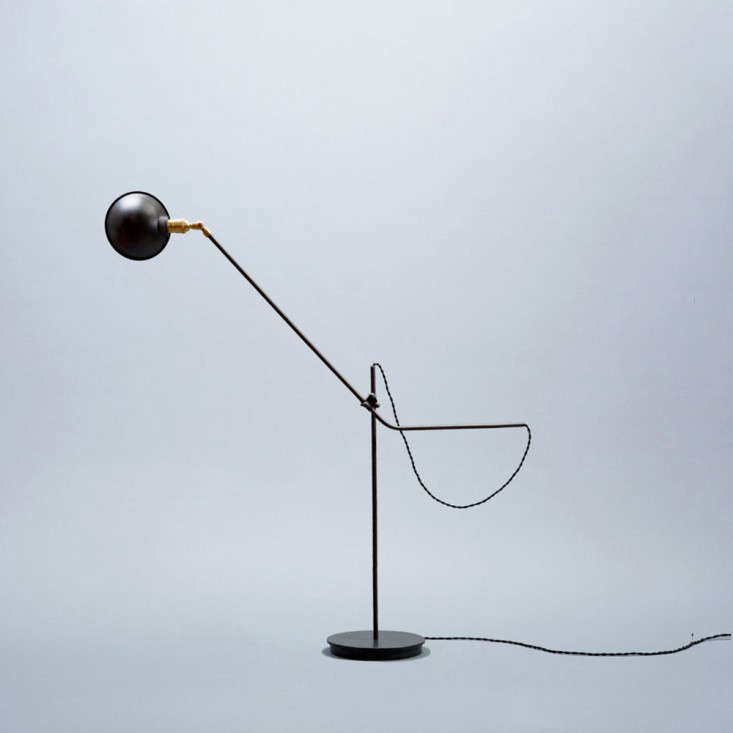
The phrase “Another Country Floor Lamp” sounds like something you would whisper in a beautifully quiet design showroom while pretending you are not checking the price tag. It suggests warmth, craft, honest materials, and that special kind of interior style that says, “Yes, I read hardcover books,” even if the book currently on the coffee table is mostly there for moral support.
Another Country is associated with contemporary craft, natural materials, and a calm, well-made aesthetic. Its lighting language leans toward timber, soft shades, useful proportions, and pieces that do not shout for attention. That is exactly why the search for an Another Country floor lamp makes sense. People are not simply looking for a tall object that glows. They are looking for a standing lamp with the same quiet confidence: wood, linen-like texture, soft ambient light, and a design that feels modern without becoming cold.
This guide explores what makes an Another Country-style floor lamp so appealing, how to choose one for a living room, bedroom, office, or reading corner, and how to style it so your home feels considered rather than decorated by a caffeine-powered algorithm at 2 a.m.
What Is an Another Country Floor Lamp?
Strictly speaking, shoppers may not always find a single widely available product listed under the exact name Another Country Floor Lamp. Another Country’s lighting identity is more commonly connected with elegant lamps crafted from natural materials, including wood bases and soft, fiber-based shades. The brand’s design philosophy is the important clue: simple forms, visible craft, and materials that look better when they are allowed to behave like themselves.
So when people search for an Another Country floor lamp, they are often searching for a design mood as much as a product. Think of a tall standing lamp that looks at home beside a linen sofa, a wooden armchair, a wool rug, or a quiet bedroom corner. It should feel warm, practical, and unfussy. No chrome spaceship legs. No nightclub color modes. No lamp that looks like it is about to audition for a superhero movie.
The best version of this style usually combines three things: a natural or neutral base, a fabric shade that diffuses light gently, and a silhouette that feels architectural but not severe. It is modern country without the rooster signs. It is rustic without splinters. It is minimalism with a cup of tea.
Why This Lamp Style Works So Well in Modern Homes
Floor lamps are having a very practical design moment because they solve a common problem: overhead lighting is often too harsh. A single ceiling fixture can flatten a room, create awkward shadows, and make even a nice sofa look like it is waiting for questioning under a police lamp. Floor lamps soften the scene. They create layers of light at human height, which is exactly where life actually happens.
An Another Country-inspired floor lamp works especially well because it does not fight the room. Instead, it supports the atmosphere. Wood adds warmth. Linen, hemp, cotton, or paper-style shades soften brightness. A slim or gently sculptural frame gives vertical interest without making the corner feel crowded. The result is a lamp that can make a living room feel calmer, a bedroom feel more restful, and a reading nook feel like it deserves a rainy Sunday and a suspiciously large mug of coffee.
It Adds Warmth Without Clutter
Many homes need texture more than they need more decor. A wooden floor lamp with a fabric shade adds both texture and light in one move. That is efficient design. Instead of buying three tiny accessories that will eventually migrate into a junk drawer, a well-chosen lamp gives the room presence and purpose.
It Balances Traditional and Contemporary Style
The “country” feeling in this style does not have to mean old-fashioned. A clean wooden base can sit beautifully beside contemporary furniture. A neutral shade can soften a modern black metal coffee table. A simple lamp can also calm down a room with patterned pillows, books, plants, and the usual evidence that real humans live there.
It Makes a Room Feel Finished
A room without layered lighting often feels unfinished even when the furniture is expensive. Add a floor lamp in the right spot, and suddenly the space has depth. Corners stop looking abandoned. Seating areas feel intentional. Your chair becomes a reading chair, not just “the place where laundry negotiates for permanent residency.”
How to Choose the Right Another Country-Style Floor Lamp
Choosing a floor lamp is not just about liking the picture online. The right lamp has to fit your room, support your lighting needs, and survive daily life without becoming annoying. A lamp can be beautiful and still fail if the switch is awkward, the shade throws glare, or the base is so wide it starts a turf war with your side table.
Start With the Purpose
Before choosing a lamp, decide what job it needs to do. For ambient lighting, look for a shaded floor lamp that spreads a gentle glow around the room. For reading, choose a lamp with a more directed shade, adjustable arm, or arc shape that brings light closer to the page. For decorative impact, a sculptural wooden base or tripod form may matter more than brightness.
If the lamp will sit next to a sofa, it should provide enough light for conversation, reading, and evening relaxation. If it will stand in a bedroom, softer light is usually better. If it will live in a home office, function becomes more important: the light should reduce eye strain without creating glare on a screen.
Pay Attention to Height and Scale
Most floor lamps sit somewhere around five to six feet tall, though arc lamps and oversized designs may be taller. The shade should generally sit high enough to spread light comfortably but not so high that the bulb shines directly into your eyes. Nobody wants to relax beside a lamp that behaves like a tiny indoor sun with boundary issues.
For small rooms, choose a slim column, tripod, or compact wooden base. For larger rooms, a broader shade or heavier base can feel more balanced. If the lamp is going behind a sofa, check both height and reach. An arc lamp can be useful when you want light over a seating area but do not want to install ceiling lighting.
Choose Natural Materials When Possible
The Another Country look depends heavily on material honesty. Wood, linen, hemp, cotton, paper, ceramic, and muted metal finishes all work well. A wooden floor lamp feels warm and grounded. A linen shade creates a soft, diffused glow. Brass or blackened metal can add structure, especially in a room that needs a little contrast.
Avoid overly glossy finishes if your goal is calm, crafted style. High-shine chrome can work in some interiors, but it usually moves the lamp away from the natural, country-modern mood. The sweet spot is tactile and understated: materials that invite a closer look without grabbing the microphone.
Think About Bulb Temperature
For cozy rooms, warm white bulbs are usually the safest choice. A color temperature around 2700K to 3000K creates a soft, inviting glow that flatters wood, textiles, and skin tones. Cooler bulbs can be useful for work areas, but in a living room they can make the space feel more like a dentist’s waiting room than a home.
Brightness matters too. A reading lamp needs enough focused light to make text comfortable. An ambient floor lamp can be softer, especially if it is part of a layered lighting plan with table lamps, sconces, or ceiling fixtures. A dimmable bulb or three-way switch is a smart upgrade because one brightness level rarely suits every mood. Movie night, cleaning day, and “where did I put my keys?” are not the same lighting event.
Where to Place an Another Country Floor Lamp
Placement can make or break the effect. A floor lamp should feel connected to furniture, not stranded like a lighthouse in the middle of the carpet. The best spots are usually beside a sofa, next to an armchair, in a quiet bedroom corner, near a console, or behind a sectional where it can add height and glow.
Living Room
In a living room, place the lamp where it supports the main seating area. A wooden shaded floor lamp beside a sofa creates a calm evening zone. A slim lamp behind a chair can turn an unused corner into a reading nook. If the room has a large overhead light, use the floor lamp as the softer evening option. Your ceiling light does not need to retire, but it should probably stop working overtime.
Bedroom
In the bedroom, an Another Country-style floor lamp works beautifully near a lounge chair, dresser, or empty corner. It can also replace a bedside table lamp when space is limited. Choose a warm bulb and fabric shade so the light feels restful. Bedrooms benefit from lighting that helps the day slow down, not lighting that announces, “Good evening, productivity begins now.”
Home Office
In a home office, use the lamp to soften the contrast between a bright screen and a dark room. A floor lamp placed slightly behind or beside the desk can reduce visual harshness. If you read papers, sketch, or work with physical materials, choose a design with adjustable direction. The room should feel focused, but not corporate in the tragic sense of beige carpet and printer anxiety.
Hallway or Entry
A floor lamp in an entry or hallway can create a welcoming first impression, especially in homes where ceiling lighting feels too sharp. Choose a slim design so it does not block movement. A natural wood base can pair well with baskets, benches, mirrors, and simple wall art.
Styling Ideas for a Country-Modern Lighting Look
The beauty of this lamp style is that it does not demand a full room makeover. You can build around it with simple textures and calm colors. Pair it with a wool rug, a wooden side table, linen curtains, ceramic vases, woven baskets, or a soft neutral sofa. Add one plant nearby if the room needs life. Add three plants if you are emotionally prepared for plant parenthood and fungus gnats.
For a Scandinavian-country look, combine pale wood, white walls, oatmeal textiles, and black accents. For a warmer farmhouse-modern look, use oak, aged brass, cream shades, leather, and earthy colors. For a more refined interior, pair the lamp with dark wood, tailored upholstery, and artwork in simple frames.
The key is restraint. Let the lamp contribute texture and glow, then repeat its materials lightly elsewhere. If the lamp has a wood base, echo wood in a frame, chair leg, tray, or side table. If the shade is linen, repeat linen or cotton in curtains or pillows. This makes the room feel connected without looking like a furniture showroom set where nobody is allowed to eat crackers.
Common Mistakes to Avoid
The first mistake is choosing a lamp that is too small. A tiny floor lamp can look nervous next to a full-size sofa. The second mistake is choosing a shade that is too dark for the room’s needs. Dark shades can look dramatic, but they reduce light output and may work better as accent pieces than primary lamps.
The third mistake is ignoring the cord. A beautiful lamp with a cord stretched across a walkway is not design; it is a slapstick routine waiting to happen. Place the lamp near an outlet or use a safe cord-management solution. The fourth mistake is using the wrong bulb. A cold, blue-white bulb can ruin the warmth of natural materials. Choose warm white for cozy spaces and reserve cooler light for task-heavy areas.
Finally, do not rely on one floor lamp to light an entire large room. A floor lamp is powerful, but it is not a lighthouse, a stadium fixture, or a miracle. Use it as part of a layered plan with other lamps and natural light.
Care and Maintenance
A natural-material floor lamp is usually easy to maintain. Dust the shade gently with a microfiber cloth or soft brush. Vacuum fabric shades carefully with a low-suction attachment if dust builds up. For wooden bases, avoid harsh cleaners. A dry or slightly damp cloth is usually enough. Keep the lamp away from excessive moisture, direct heat, and wild indoor soccer matches.
If the lamp has a fabric shade, rotate it occasionally if one side receives strong sunlight. This helps prevent uneven fading. Check the bulb rating recommended by the manufacturer, especially with enclosed or fabric shades. LED bulbs are usually a practical choice because they use less energy and produce less heat than old incandescent bulbs.
Buying Checklist
Before buying an Another Country-style floor lamp, ask yourself a few simple questions. Does the height match the furniture around it? Does the shade diffuse light softly? Is the base stable? Does the finish work with existing wood tones in the room? Is the switch easy to reach? Does the bulb type allow warm, dimmable light? Does the cord placement make sense?
If the answer is yes to most of these, you are probably looking at a lamp that will earn its place. If the answer is no, keep looking. A floor lamp is not a disposable accessory. A good one becomes part of the rhythm of the room: morning coffee, late-night reading, quiet conversations, and the occasional dramatic search for the remote control.
Experience: Living With an Another Country-Style Floor Lamp
The best way to understand the appeal of an Another Country floor lamp is to imagine living with it for a few weeks. At first, you notice the shape. It stands in the corner with that quiet, well-mannered confidence that good furniture has. It does not scream “look at me,” but somehow everyone does. The wood grain catches daylight in the afternoon. The shade looks soft even when the lamp is off. It feels less like a gadget and more like a small piece of architecture.
Then evening arrives, and the lamp starts doing the real work. Instead of turning on the ceiling light and instantly removing all mystery from the room, you switch on the floor lamp. The corner warms up. The sofa looks deeper. The rug gains texture. The room stops being a box with furniture and starts becoming a place to settle. This is the part people underestimate about lighting. A good lamp changes behavior. You stay in the chair longer. You read an extra chapter. You stop scrolling for a minute because the room finally feels like it is on your side.
In a living room, this kind of lamp works especially well beside a reading chair. The glow is close enough to be useful but soft enough not to dominate. Place a small wooden table nearby, add a ceramic mug, and suddenly you have created what real estate listings like to call “a moment.” The rest of us call it “the only place in the house where nobody has left a charger, sock, or mystery receipt.”
In a bedroom, the experience is quieter. A natural floor lamp can make the space feel less staged and more personal. It is useful near a dresser when getting ready, but it is even better at night when you want low light that does not jolt your brain awake. Warm light through a fabric shade has a way of making ordinary routines feel calmer: folding a sweater, choosing tomorrow’s clothes, reading a few pages, or pretending you will go to sleep early this time.
In a home office, the lamp becomes a mood manager. Workspaces often suffer from harsh task lights or gloomy corners. A warm standing lamp softens the background and makes long sessions feel less clinical. It is not a replacement for proper desk lighting, but it adds balance. Video calls look warmer. The room feels more intentional. Even paperwork seems slightly less hostile, which is a design achievement worthy of applause.
The most pleasant surprise is how flexible the style becomes. You can move the lamp from the living room to the bedroom, from the office to the hallway, and it still makes sense. That is the advantage of simple materials and honest proportions. Trend-heavy pieces often belong to one specific look. A natural, country-modern floor lamp belongs to a way of living: slower, warmer, more tactile, and less interested in showing off.
After a while, the lamp becomes part of the household routine. You stop thinking about it as an object and start thinking about the light it creates. That is usually the sign of good design. It does not demand constant admiration. It simply improves the room every day, quietly, like the friend who brings snacks without making a speech about it.
Conclusion
An Another Country Floor Lamp, whether interpreted as a specific search or a broader design style, represents something many homes need: warmth, simplicity, craft, and light that feels human. It is not about chasing a trend or buying the loudest statement piece in the room. It is about choosing a lamp that supports real life beautifully.
Look for natural materials, a soft shade, proper scale, warm bulbs, and thoughtful placement. Use it to layer light, soften corners, and create a room that feels welcoming after dark. The right floor lamp will not do your laundry, answer your emails, or stop people from putting cups on the side table without coasters. But it will make your home feel calmer, warmer, and more complete. Honestly, for a lamp, that is a pretty strong résumé.
Note: This article is an original editorial guide based on real lighting, interior design, material, and floor lamp selection principles from reputable home design, lighting, and energy-efficiency references. It is written for web publication without source links or citation markers in the article body.