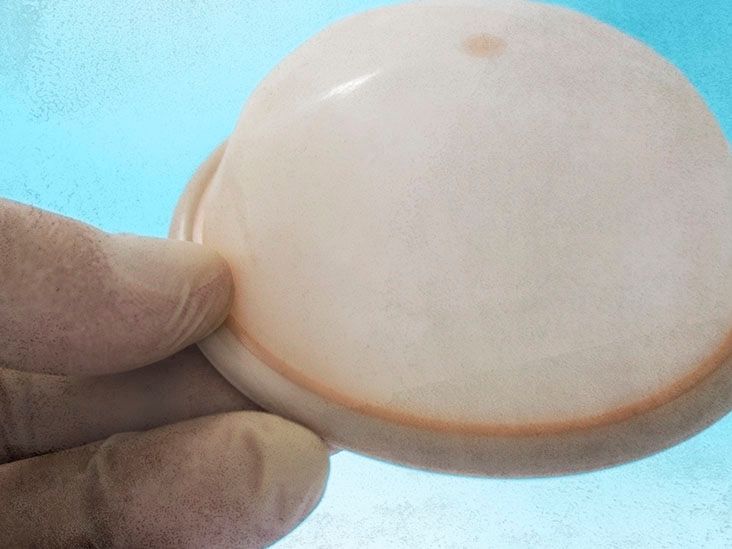
Choosing birth control can feel like shopping for jeans: the best option is the one that fits your body, your lifestyle, and your tolerance for extra steps. The diaphragm is one of the older, quieter options in the birth control aisle, but it still has a loyal fan club. It is hormone-free, reusable, controlled by the person using it, and can be placed before sex so the moment does not turn into a medical-device scavenger hunt.
A diaphragm is a shallow, flexible cup that goes inside the vagina and covers the cervix. Its job is simple: block sperm from entering the uterus. It is usually used with spermicide or contraceptive gel, which adds another layer of protection by reducing sperm movement or killing sperm. Unlike birth control pills, implants, shots, patches, and hormonal IUDs, the diaphragm does not change hormone levels. Unlike condoms, however, it does not protect against sexually transmitted infections, so it is often paired with condoms when STI protection is needed.
This guide explains how diaphragm birth control works, how to use it correctly, why some people love it, where it can be inconvenient, and what risks deserve attention before making it your go-to method.
What Is a Diaphragm?
A contraceptive diaphragm is a soft, dome-shaped barrier device made from silicone or similar flexible material. It is inserted into the vagina before penis-in-vagina sex and positioned so it covers the cervix, the small opening between the vagina and uterus. Think of it as a tiny bouncer at the VIP entrance to the uterus. Sperm may show up with confidence, but the diaphragm says, “Not on the list.”
Diaphragms come in different designs. Some traditional diaphragms require fitting by a healthcare provider, while newer contoured, single-size options may fit many users. Even so, a healthcare professional can help confirm whether the device sits correctly, whether it feels comfortable, and whether the user understands how to insert and remove it safely.
How Does Diaphragm Birth Control Work?
The diaphragm works as a barrier method of contraception. It physically covers the cervix so sperm cannot easily pass into the uterus and reach an egg. Spermicide or contraceptive gel is added before insertion to improve effectiveness. The gel is usually placed inside the dome and around the rim, depending on the product instructions.
Because the diaphragm must be in the right place to work, correct use matters a lot. It is not a “close enough” kind of device. It should cover the cervix fully, remain in place during sex, and stay inside for the recommended time afterward. Removing it too early can increase the chance of pregnancy because sperm may still be alive in the vagina for several hours after sex.
How Effective Is a Diaphragm?
Effectiveness depends heavily on consistent and correct use. With typical use, diaphragms are less effective than long-acting reversible contraception such as IUDs and implants. Typical use includes normal human behavior: forgetting a step, inserting it incorrectly, not using enough gel, removing it too early, or assuming “this one time” does not count. Spoiler: biology did not receive that memo.
In real-world use, diaphragm effectiveness is often reported around the low-to-high 80% range when used with spermicide or contraceptive gel. Perfect use can be higher, but perfect use means following every instruction every time. For people who are highly motivated and comfortable with their bodies, a diaphragm can work well. For people who prefer a method they can forget about for years, a diaphragm may feel like too much homework.
How to Use a Diaphragm Correctly
Always follow the instructions that come with your specific diaphragm and contraceptive gel. Product details can vary. In general, the process includes the following steps.
1. Wash Your Hands
Start with clean hands. This helps reduce the chance of introducing bacteria into the vagina. It also gives the whole process a “responsible adult” vibe, which is never a bad thing.
2. Add Spermicide or Contraceptive Gel
Apply the recommended amount of spermicide or contraceptive gel to the diaphragm. Many instructions recommend placing gel in the dome and around the rim. Do not substitute random lubricants unless your healthcare provider or product instructions say they are compatible. Oil-based products can damage some barrier materials, and silicone-based lubricants may not be suitable for all silicone devices.
3. Fold and Insert the Diaphragm
Squeeze the diaphragm so it folds, then gently insert it into the vagina. Push it upward and back until it covers the cervix. Some people insert it while lying down, squatting, standing with one leg raised, or sitting on the toilet. The best position is the one that allows you to place it correctly without feeling like you are auditioning for a gymnastics team.
4. Check That It Covers the Cervix
After insertion, use a finger to check that the cervix is covered. The cervix often feels firm and rounded, somewhat like the tip of the nose. If you can feel the cervix outside the diaphragm, the device is not positioned correctly and should be adjusted or reinserted.
5. Leave It in Place After Sex
A diaphragm generally needs to stay in place for at least 6 hours after sex. This waiting period gives the spermicide or gel time to do its job. Do not remove the diaphragm immediately after sex. Romance may be spontaneous; diaphragm removal should not be.
6. Do Not Leave It in Too Long
Many diaphragms should not be left in longer than 24 hours, though exact limits depend on the product. Leaving a diaphragm in too long can increase the risk of irritation, odor, infection, and in rare cases toxic shock syndrome. If the manufacturer gives a different maximum time, follow that instruction.
7. Add More Gel for Another Round
If sex happens again while the diaphragm is still in place, more spermicide or contraceptive gel is usually needed. Do not remove the diaphragm to add it unless instructions say to do so. Instead, additional gel is commonly inserted into the vagina while the diaphragm remains in place. After the last act of sex, restart the 6-hour waiting period.
8. Remove, Wash, Dry, and Store
To remove the diaphragm, gently hook a finger under the rim and pull it out. Wash it with mild soap and water, let it air-dry, and store it in its case away from heat and direct sunlight. Check for holes, cracks, thinning, or sticky spots. If it looks damaged, replace it.
Advantages of Diaphragm Birth Control
It Is Hormone-Free
One of the biggest reasons people choose a diaphragm is that it does not contain hormones. That can appeal to people who have side effects from hormonal methods or who cannot use estrogen-containing contraception for medical reasons. It also means there is no daily pill, no monthly ring, no shot schedule, and no hormone-related adjustment period.
It Is User-Controlled
The diaphragm puts control in the user’s hands. You decide when to insert it, when to remove it, and whether to continue using it. For people who like being in charge of their contraception without relying on a partner, this can be empowering.
It Is Reusable
A diaphragm can be used again and again when cleaned and stored properly. Depending on the product, it may last for months or even years. This can make it more affordable over time than single-use methods, although the initial cost, exam, prescription, and gel should be considered.
It Can Be Inserted Before Sex
Some users appreciate that the diaphragm can be placed before sex begins. This can help reduce interruption. Nobody wants to pause a romantic moment to announce, “Please hold while I assemble the contraception.”
It Is Immediately Reversible
When you stop using a diaphragm, there is no delay in the return to fertility caused by the device itself. This makes it a flexible option for people who want contraception now but may want to become pregnant soon.
It May Be Useful for People Avoiding Certain Methods
A diaphragm may suit people who do not want hormonal birth control, do not want an implant or IUD, cannot use certain medications, or prefer contraception only when they have sex. It can also be helpful for those who want a backup method in addition to condoms or fertility awareness.
Risks and Disadvantages of Diaphragm Birth Control
It Does Not Protect Against STIs
A diaphragm does not protect against sexually transmitted infections, including HIV, chlamydia, gonorrhea, herpes, or syphilis. Condoms are still important for STI prevention, especially with new partners, multiple partners, or partners whose STI status is unknown.
It Requires Correct Use Every Time
The diaphragm is only as reliable as the way it is used. It must be inserted correctly, used with the recommended gel, left in place long enough, and used every time sex happens. If you are the type of person who loses your keys while holding them, this method may require extra planning.
It Can Increase UTI Risk
Some people experience more urinary tract infections while using a diaphragm. The device may press near the urethra, and spermicide may irritate tissues. If UTIs become frequent, a healthcare provider may check the fit or suggest another method.
Spermicide Can Cause Irritation
Spermicides, especially those containing nonoxynol-9, can cause vaginal burning, itching, irritation, or allergic reactions in some users. Frequent irritation may also make tissues more vulnerable. Anyone who notices pain, swelling, unusual discharge, sores, or persistent burning should stop using the product and seek medical advice.
It May Slip or Become Dislodged
A diaphragm can move out of place during sex, especially if it is not fitted correctly or if the position changes pressure inside the vagina. If the diaphragm slips, pregnancy protection is reduced. Emergency contraception may be considered if sex occurred and the diaphragm was not covering the cervix properly.
It Is Not Ideal for Everyone
Some people may have anatomy, pelvic floor changes, or comfort concerns that make diaphragm use difficult. A recent birth, pelvic surgery, major weight change, miscarriage, or abortion may affect fit. A healthcare provider can help decide whether refitting is needed.
Rare Risk: Toxic Shock Syndrome
Toxic shock syndrome is rare but serious. The risk increases when vaginal barrier devices are left in too long or used during menstruation against instructions. Warning signs may include sudden fever, rash, vomiting, diarrhea, dizziness, muscle aches, or feeling severely ill. This is a medical emergency.
Who May Be a Good Candidate for a Diaphragm?
A diaphragm may be a good option for someone who wants hormone-free birth control, is comfortable touching their body, can follow a set of steps consistently, and does not mind planning ahead. It may also appeal to someone who has sex occasionally rather than frequently and wants contraception only when needed.
It may not be the best choice for someone who wants the highest possible pregnancy prevention, has frequent UTIs, dislikes vaginal insertion, has a spermicide allergy, or needs STI protection without condoms. People with a history of toxic shock syndrome should discuss safer alternatives with a clinician.
Diaphragm vs. Other Birth Control Methods
Diaphragm vs. Condoms
Condoms help reduce the risk of STIs; diaphragms do not. Condoms are single-use and available without a prescription, while diaphragms are reusable and may require a prescription or fitting. Some couples use both for pregnancy prevention and STI protection.
Diaphragm vs. Birth Control Pills
Pills are typically more effective with consistent use, but they contain hormones and must be taken on schedule. A diaphragm is hormone-free and used only when needed, but it requires correct insertion each time.
Diaphragm vs. IUDs and Implants
IUDs and implants are among the most effective reversible methods because there is little room for user error after placement. They last for years. A diaphragm is less effective but gives the user more direct control and does not require a long-term device inside the uterus or arm.
Common Mistakes to Avoid
The most common diaphragm mistakes are simple but important: forgetting spermicide or gel, not using enough gel, failing to check cervix coverage, removing the diaphragm too soon, leaving it in too long, forgetting to add more gel before additional sex, or using a damaged device. A diaphragm is not complicated once learned, but it does reward attention to detail.
Another mistake is assuming the diaphragm protects against infections. It does not. If STI protection matters, condoms are the better barrier. Pairing condoms with a diaphragm can offer extra pregnancy protection and safer-sex benefits.
When to Call a Healthcare Provider
Contact a healthcare provider if the diaphragm causes pain, repeatedly slips, feels too tight or too loose, triggers frequent UTIs, or causes irritation that does not improve. Also seek guidance after childbirth, pelvic surgery, abortion, miscarriage, or a significant weight change, because the fit may need to be checked.
Seek urgent medical care for symptoms of toxic shock syndrome, including sudden high fever, rash, vomiting, diarrhea, faintness, confusion, or severe muscle aches. Rare does not mean impossible, and this is not the moment to “see how it goes.”
Real-Life Experiences and Practical Tips for Using a Diaphragm
People who like diaphragms often describe them as a “set it and forget it for the evening” option, but that phrase comes with an asterisk the size of a pharmacy receipt. You can place it before sex, but you still need to remember the gel, the timing, and the after-sex waiting period. The best experience usually comes after a few practice rounds when there is no pressure. Trying to learn diaphragm insertion for the first time in the middle of a romantic moment is like building furniture during a dinner party: possible, but not the smoothest plan.
A practical tip is to practice inserting and removing the diaphragm when you are relaxed. Learn what your cervix feels like and how the diaphragm feels when it is correctly placed. Many users say the first few attempts feel awkward, but then muscle memory takes over. Keeping the diaphragm, gel, and instructions in the same private place can also prevent last-minute searching. Nothing ruins the mood quite like whispering, “Have you seen the tiny dome?”
Some couples talk through the method together before using it. This can reduce embarrassment and make the process feel normal rather than mysterious. For example, one partner might agree to pause while the diaphragm is inserted, or both partners may decide to use condoms too. Clear communication matters because the diaphragm is not just a product; it is part of a routine.
Comfort varies. Some users do not feel the diaphragm at all once it is placed correctly. Others notice pressure or discomfort, which can mean it is not positioned well or is not the right fit. If discomfort continues, it is worth checking with a clinician rather than forcing it. Birth control should not feel like a tiny wrestling match.
Messiness is another real-world issue. Spermicide or gel can feel slippery, sticky, or inconvenient. Some people do not mind; others strongly dislike it. Keeping tissues nearby, washing hands afterward, and choosing a compatible product that causes less irritation can help. If spermicide burns or causes itching, do not ignore it. Irritation is not a sign that it is “working extra hard.” It is a sign your body is complaining.
Traveling with a diaphragm is usually easy because it is small and reusable. However, users should bring enough gel, keep the device in its case, and avoid storing it in hot places such as a car. It is also smart to carry condoms as backup in case the diaphragm is forgotten, dropped, damaged, or suddenly feels uncomfortable.
For people who are very pregnancy-avoidant, the diaphragm may feel less reassuring than an IUD, implant, or sterilization. For people who want a non-hormonal, reversible, user-controlled method and are comfortable with correct use, it can be a satisfying choice. The key is honesty. If you know you will not use it every time, choose a method that better matches your actual life, not your imaginary perfectly organized life with labeled drawers and a meal plan.
Conclusion
Diaphragm birth control is a classic barrier method that still has a place in modern contraception. It is hormone-free, reusable, reversible, and controlled by the person using it. When used correctly with spermicide or contraceptive gel, it can help prevent pregnancy, especially for people who are comfortable with vaginal insertion and willing to follow instructions carefully.
However, the diaphragm is not the most effective birth control option, and it does not protect against STIs. It may increase the risk of urinary tract infections, irritation, allergic reactions, and rare complications if left in too long. The best decision comes from matching the method to your body, habits, relationship needs, and pregnancy-prevention goals. A healthcare provider can help you compare options and decide whether the diaphragm deserves a spot in your personal birth control lineup.
Note: This article is for general educational purposes only and should not replace medical advice. Readers should consult a qualified healthcare professional for personal contraceptive guidance.