Some words walk into TikTok wearing a business suit and walk out wearing tiny sunglasses, a thrifted cardigan, and a strangely specific personality. “Niche” is one of those words. In traditional English, a niche is a specialized place, role, market, or interest. On TikTok, however, the word has become a casual slang term for anything oddly specific, highly personal, lightly obscure, or appealing to a small but extremely enthusiastic group of people.
So, what does “niche” mean in slang? In everyday internet language, niche means specific, uncommon, specialized, or not mainstream. When someone says, “That’s so niche,” they usually mean, “This is weirdly specific, and only a certain group of people will fully understand it.” The phrase can be affectionate, funny, self-aware, or mildly judgmental depending on the tone. In other words, “niche” is the internet’s way of saying, “This was made for twelve people, and those twelve people are going to lose their minds.”
What Does “Niche” Mean in Slang?
In slang, “niche” describes something that belongs to a small, specific corner of culture. It might be a joke only former theater kids understand, a fashion aesthetic inspired by “coastal grandmother meets medieval librarian,” or a TikTok account dedicated entirely to reviewing gas station ice. Not broad. Not generic. Not for everyone. That is the whole point.
The slang meaning comes from the standard definition of niche: a specialized position, environment, audience, or category. The difference is tone. In school, marketing, biology, or business, “niche” sounds practical. On TikTok, it sounds like a compliment from someone who owns three tote bags and has strong opinions about fonts.
Simple Definition
Niche in slang means very specific, unusual, or made for a small group of people with a shared interest.
Examples of “Niche” in Slang
- “This joke is so niche, but former band kids will understand.”
- “Her content is niche, but the people who get it really get it.”
- “That outfit is giving niche art-school substitute teacher.”
- “My For You Page is extremely niche right now: frogs, budgeting, and medieval cooking.”
- “This is a niche reference, but I need someone to appreciate it.”
Notice that “niche” does not always mean unpopular. A niche thing can become viral. It simply starts from a specific cultural corner instead of trying to please everyone. That is why TikTok is practically a theme park for niche content. There is BookTok, CleanTok, FoodTok, FrogTok, MomTok, WitchTok, HistoryTok, PerfumeTok, FinanceTok, and probably a tiny community somewhere rating spoons by emotional aura. Honestly, good for them.
Why Is “Niche” Popular on TikTok?
TikTok made niche culture feel mainstream because the For You Page is built around personalization. Instead of showing everyone the same content, TikTok learns from user behavior: what people watch, rewatch, like, share, comment on, search for, and skip. Over time, the app can place users into increasingly specific content bubbles. One person opens TikTok and sees gym tips. Another sees raccoon memes, vintage cake decorating, and videos about why left-handed people hold pens like mysterious wizards.
That personalization makes people more aware of their own little internet worlds. Users began noticing that their feeds were not universal. They were highly tailored. So the word “niche” became a shortcut for describing content that feels designed for a very particular audience.
“Niche” Became a Compliment
On TikTok, being niche often means being memorable. Generic content competes with everyone. Niche content speaks directly to people who have been waiting for someone to say the exact oddly specific thing they have been thinking. When a creator posts, “POV: you were the kid who read the cereal box at breakfast,” that is niche. When the right audience finds it, the comment section becomes a reunion.
It Also Became a Joke
People use “niche” jokingly when a reference is so specific it almost feels ridiculous. A video might say, “This is for the girls who had a horse phase, a Greek mythology phase, and a Tumblr poetry phase.” That is not just content; that is a census report for a very dramatic micro-generation.
What Is a “Niche Interest”?
A niche interest is a hobby, topic, or obsession that appeals to a smaller audience than mainstream entertainment. Football is mainstream. Collecting vintage football ticket stubs from rainy games in the 1970s is niche. Cooking is mainstream. Recreating meals from old airline menus is niche. Fashion is mainstream. Dressing like a retired lighthouse keeper who just discovered jazz is niche, and possibly powerful.
On TikTok, niche interests thrive because people do not have to wait for local friends to care about the same thing. A creator can post about antique perfume bottles, abandoned malls, medieval manuscripts, mechanical keyboards, or oddly satisfying rug cleaning, and TikTok can help deliver that content to people who are already interested.
Niche Interest vs. Mainstream Interest
The easiest way to understand “niche” is to compare it with “mainstream.” Mainstream content is widely known and broadly appealing. Niche content is more specific and may require context. A mainstream video says, “Here are easy dinner ideas.” A niche video says, “Here are dinners I imagine a haunted Victorian governess would make after a stressful Tuesday.” Both may be entertaining. Only one sounds like it owns a candle snuffer.
What Is a “Niche Meme”?
A niche meme is a meme that targets a very specific experience, community, identity, hobby, fandom, mood, or memory. It is not trying to be understood by everyone. In fact, part of the humor comes from how narrow the audience is. A niche meme might reference a minor character from a canceled show, a specific classroom smell, or the emotional experience of opening a Notes app draft from 2018.
Niche memes often work because they make people feel seen. When a meme captures a tiny, private, accurate detail, the reaction is not just laughter. It is recognition. People comment things like, “Why is this literally me?” or “I thought I was the only one.” That is the magic of niche humor: it turns private weirdness into public community.
Example of a Niche Meme
Imagine a TikTok that says: “POV: You were the kid who volunteered to erase the whiteboard just to avoid talking at recess.” That is niche. It is not about every student. It is about a specific kind of shy, helpful, slightly anxious child who probably had a favorite pencil and a complicated relationship with group projects.
What Does “Too Niche” Mean?
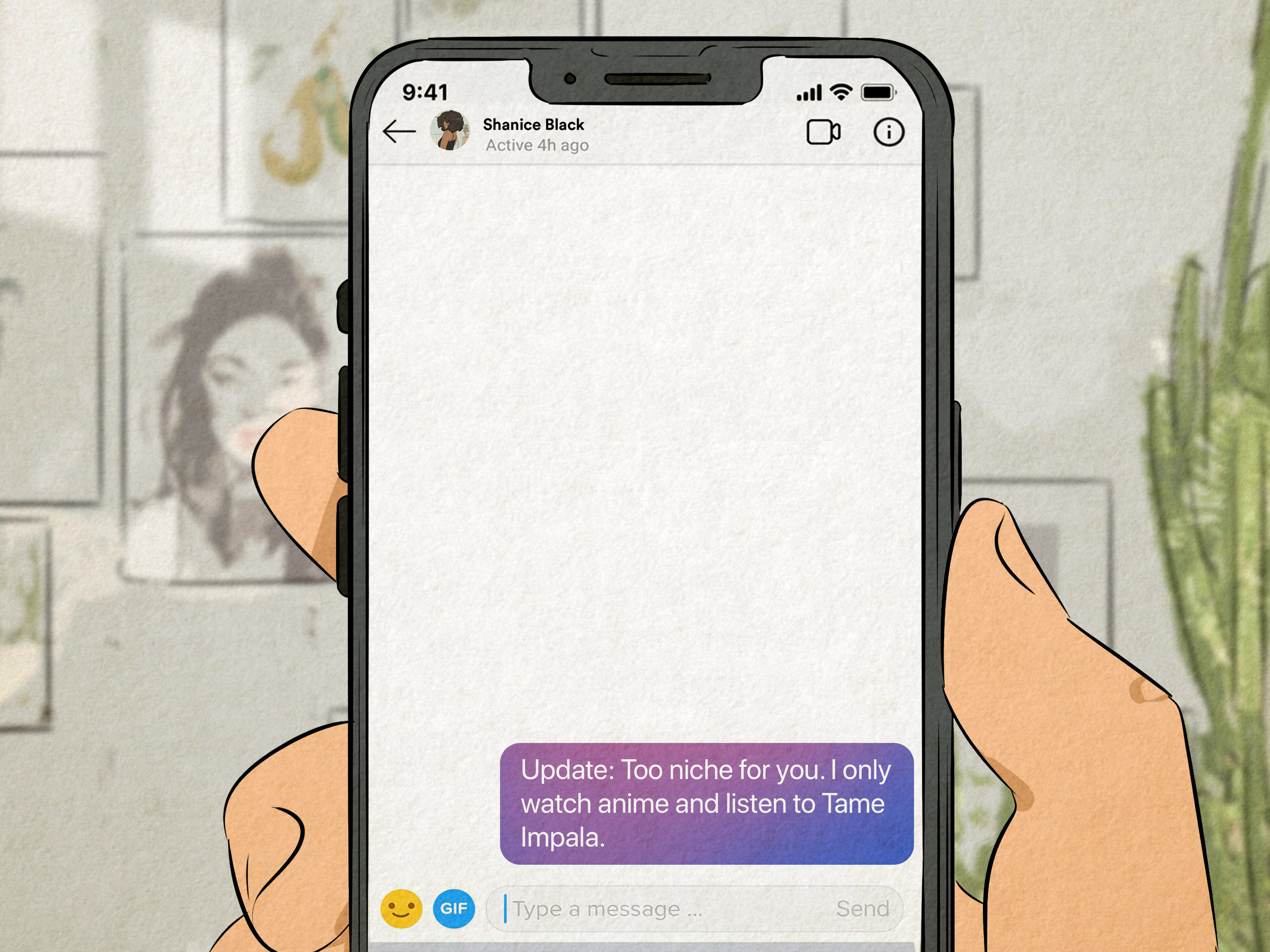
“Too niche” means something may be so specific that only a tiny group will understand it. Sometimes this is a warning. A creator might say, “This joke may be too niche,” before making a reference to a 2009 commercial, a regional grocery store, and a childhood computer game in the same sentence.
But “too niche” can also be part of the joke. TikTok users often enjoy content precisely because it is too specific. The smaller the target, the funnier it feels when it hits. A broad joke says, “School was stressful.” A niche joke says, “Nothing humbled me like getting picked to read paragraph three out loud when I had been silently rehearsing paragraph four.” That second one has fingerprints.
What Is “NicheTok”?
“NicheTok” is a term people use for the highly specific communities, meme styles, and subcultures that develop on TikTok. It can refer broadly to any small TikTok community, but it is also used to describe a chaotic, referential style of TikTok humor that depends on understanding multiple trends, fandoms, sounds, and platform in-jokes.
In that sense, NicheTok is not just about liking a small topic. It is about having internet literacy. A NicheTok video may combine a strange audio clip, a fast-cut meme format, a hyper-specific caption, and a reference to another trend that lasted approximately four business days. To outsiders, it looks like digital soup. To insiders, it is a masterpiece.
Common Types of Niche TikTok Communities
- BookTok: readers, authors, recommendations, tropes, and emotional damage in paperback form.
- CleanTok: cleaning routines, product tests, organizing videos, and sink-scrubbing cinema.
- FoodTok: recipes, restaurant finds, kitchen hacks, and deeply serious sauce opinions.
- FashionTok: personal style, aesthetics, trends, thrift flips, and outfit analysis.
- HistoryTok: historical facts, costume analysis, museum content, and people arguing about corsets.
- FinanceTok: budgeting, saving, investing basics, and creators explaining money with whiteboards.
- Corecore and aesthetic communities: emotional edits, visual collage, mood-based microgenres, and internet art that looks like a dream had Wi-Fi.
How to Use “Niche” Correctly in Conversation
You can use “niche” as an adjective, a noun, or part of a phrase. In slang, it usually appears before a topic or after a reaction. It is casual, flexible, and easy to use once you understand the vibe.
As an Adjective
Use it before a noun to describe something specific: “niche humor,” “niche content,” “niche interest,” “niche aesthetic,” or “niche reference.” Example: “That is niche humor for people who alphabetized their CD collection.”
As a Noun
Use it to describe a creator’s specific lane: “She found her niche on TikTok,” or “His niche is reviewing airport carpets.” In creator language, a niche is the topic or audience someone focuses on.
As a Reaction
Use it as a quick response: “That’s niche,” “This is so niche,” or “Okay, niche queen.” These reactions usually mean the content is oddly specific, unexpected, or perfectly targeted.
Is “Niche” an Insult?
Usually, no. “Niche” is often neutral or positive. It can mean creative, original, specific, or appealing to a dedicated audience. However, tone matters. If someone says, “That’s… niche,” with a pause long enough to download an update, they may mean it is strange or not their taste.
Most of the time, though, niche is a compliment in internet culture. It suggests personality. It suggests flavor. It suggests you are not serving plain toast to the entire cafeteria. You are serving lavender toast to six people in a secret room, and those six people are thrilled.
Why Niche Content Works So Well
Niche content works because specificity creates connection. When a creator tries to speak to everyone, the message can become bland. When a creator speaks to a specific group, the message feels sharper, funnier, and more personal. TikTok rewards this because users engage strongly with content that feels made for them.
This is also why niche creators can build loyal communities. They may not appeal to every viewer, but they do not need to. A small, active audience can be more valuable than a large, indifferent one. A creator who makes videos for beginner houseplant owners, left-handed guitar players, or people obsessed with 1990s mall culture can become the trusted voice for that group.
The Power of “I Feel Seen”
The phrase “I feel seen” is practically the national anthem of niche content. People love when a video names an experience they never thought to explain. Niche posts often turn tiny details into shared identity. That is why a video about “people who need background noise to clean their room but cannot choose the right background noise” can perform better than a generic productivity tip.
How “Niche” Connects to Identity and Aesthetics
On TikTok, “niche” often overlaps with identity and aesthetics. People do not just say they like fashion; they say they are into “dark academia,” “coquette,” “blokecore,” “cottagecore,” or “office siren.” These labels help users describe a mood, taste, or self-image. Some are serious. Some are ironic. Some sound like they were invented during a group chat fever dream.
Calling something niche can also signal taste. It says, “This is not for everyone, and that is why I like it.” For Gen Z and younger internet users, niche interests can feel more authentic than mass trends. They allow people to build personality through references, playlists, fashion choices, humor styles, and micro-communities.
Pronunciation: Is It “Nitch” or “Neesh”?
Both pronunciations are commonly accepted in American English. Some people say “nitch,” rhyming with “pitch.” Others say “neesh,” rhyming with “sheesh.” On TikTok, either one works. The only truly dangerous pronunciation is saying it with too much confidence in a room full of people who enjoy correcting others. Choose peace.
Common Mistakes When Using “Niche”
Mistake 1: Thinking Niche Means Bad
Niche does not mean low quality. It means specific. A niche movie, joke, product, or creator may be excellent. It just has a narrower audience.
Mistake 2: Thinking Niche Means Unknown
A niche trend can still become popular. BookTok is niche in the sense that it is centered on readers, but it has massive influence. Niche refers more to focus than size.
Mistake 3: Using It for Anything Random
Not every weird thing is niche. A niche reference usually connects to a specific audience, interest, or shared context. Randomness is not enough. It needs a tiny cultural address.
Quick Translation Guide
- “That’s niche” = That is specific or not widely understood.
- “This is niche humor” = Only a certain group will get this joke.
- “Find your niche” = Choose a focused topic, style, or audience.
- “Too niche?” = Is this reference too specific for most people?
- “Niche community” = A group built around a shared specific interest.
500-Word Experience Section: Living in the Age of Niche Everything
The funniest thing about the word “niche” is that almost everyone has a niche, even people who claim they do not. Someone may say, “I’m pretty normal,” and then spend forty minutes explaining the best type of pen for grocery lists. That is a niche. Another person may insist they are not “online,” then reveal they follow five accounts dedicated to restoring old furniture with tiny brushes. Also a niche. The internet did not invent specific interests; it simply gave them better lighting and a comment section.
One of the most relatable experiences on TikTok is realizing your For You Page has become a mirror, but not the polished kind. It is more like a mirror in a quirky antique shop that says, “Here is who you are: soup recipes, nervous dog training, celebrity blind-item theories, and videos of people organizing junk drawers.” At first, it feels accidental. Then the pattern becomes impossible to ignore. TikTok has gently escorted you into a niche neighborhood, handed you a welcome basket, and introduced you to neighbors who also have intense opinions about ceramic mugs.
That is why the slang use of “niche” feels so natural. It gives language to the small, oddly comforting parts of identity. People are tired of pretending their interests have to be impressive or universally understood. Sometimes the thing that makes you happiest is not glamorous. It is watching a creator test hotel breakfast waffle makers across America. It is reading comment debates about whether a fictional villain was misunderstood. It is learning the history of discontinued lip gloss shades. Niche interests make the internet feel less like a stadium and more like a table in the corner where your people are already sitting.
There is also a confidence lesson hidden inside the word. To be niche is to accept that not everyone has to get you. That can be freeing. A creator who makes content for everyone often sands off the interesting edges. A creator who embraces a niche can be sharper, funnier, and more honest. The same applies offline. Your personal niche might be the way you dress, the jokes you make, the books you love, the food you cook, or the strange facts you bring up at dinner even though nobody asked. Especially because nobody asked.
Of course, there is a downside. Being too deep in a niche can make normal conversation feel like switching languages. You might reference a meme, a creator, a microtrend, and a sound all in one sentence, then watch someone blink at you like a printer with no paper. That is when “Sorry, that was niche” becomes useful. It is a polite little bridge back to reality.
Ultimately, “niche” is popular because it captures how culture works now. We still have big mainstream moments, but much of online life happens in smaller rooms: fandom rooms, hobby rooms, aesthetic rooms, humor rooms, healing rooms, and wonderfully unnecessary rooms. TikTok did not just make niche interests visible; it made them feel valuable. And honestly, in a world full of recycled trends, there is something refreshing about content that knows exactly who it is for, even if that audience is “people who remember the smell of Scholastic book fair erasers.” Specific? Yes. Niche? Absolutely. Beautiful? Strangely, yes.
Conclusion
In TikTok slang, “niche” means specific, specialized, uncommon, or made for a smaller group of people with shared interests. It can describe humor, aesthetics, communities, creators, memes, references, and personal obsessions. The word is popular because TikTok itself is built around personalized discovery, helping tiny interests find big emotional reactions. Whether someone is talking about niche memes, niche content, or a niche community, the idea is the same: this is not for everyone, but for the right people, it hits perfectly.
The best way to understand “niche” is to stop seeing it as a limitation. Niche does not mean irrelevant. It means focused. It means distinct. It means a piece of culture has a specific flavor instead of trying to taste like plain oatmeal for the masses. So the next time someone says, “That’s so niche,” take it as a sign that the internet has once again found a tiny door into a tiny room where everyone somehow knows the same joke.