Dramatic irony is the deliciously stressful moment when you, the audience, know something important that a character does not. You sit there with your popcorn, your book, or your extremely judgmental cup of tea, silently begging the character to notice the truth. They do not. They walk straight into the problem wearing confidence like a parade hat. That knowledge gap is the engine of dramatic irony.
In literature and film, dramatic irony creates suspense, humor, dread, empathy, and sometimes the kind of emotional pain that makes readers stare out a window like they are in a music video. It appears in Greek tragedy, Shakespearean drama, modern novels, thrillers, animated movies, sitcoms, horror films, and even romantic comedies. When used well, it does not merely “trick” the audience. It invites the audience to participate.
This guide explains what dramatic irony means, how it differs from verbal and situational irony, why writers use it, and how it works through 16 examples in literature and film.
What Is Dramatic Irony?
Dramatic irony is a storytelling device in which the audience, reader, or viewer understands crucial information that one or more characters do not. Because the audience sees the gap between appearance and reality, the character’s words and actions take on an extra layer of meaning.
The key ingredient is not simply surprise. It is unequal knowledge. A character may believe they are safe, loved, right, lucky, or in control, while the audience knows the opposite. That difference creates tension because we are waiting for the character to discover what we already know.
Think of dramatic irony as a three-part machine:
- Preparation: The audience receives important information.
- Suspension: A character acts without that information.
- Resolution: The hidden truth is revealed, or its consequences arrive.
For example, if viewers know a villain is hiding behind a door, but the hero casually reaches for the handle, the scene becomes tense. If viewers know two people are secretly in love while those people keep pretending they are “just friends,” the scene becomes funny, sweet, or painfully awkward. Dramatic irony is flexible like that. It can make us laugh, worry, cringe, or whisper, “Please do not make this worse,” right before someone absolutely makes it worse.
Dramatic Irony vs. Verbal Irony vs. Situational Irony
People often use the word “irony” for almost everything: bad luck, sarcasm, coincidences, and rain on a picnic. But in literary analysis, the main types of irony have different jobs.
Dramatic Irony
Dramatic irony happens when the audience knows something a character does not. The tension comes from the knowledge gap. Example: The audience knows Juliet is alive, but Romeo does not.
Verbal Irony
Verbal irony happens when someone says one thing but means another. Sarcasm is a common form. Example: A student looks at a mountain of homework and says, “Great, exactly how I wanted to spend my weekend.”
Situational Irony
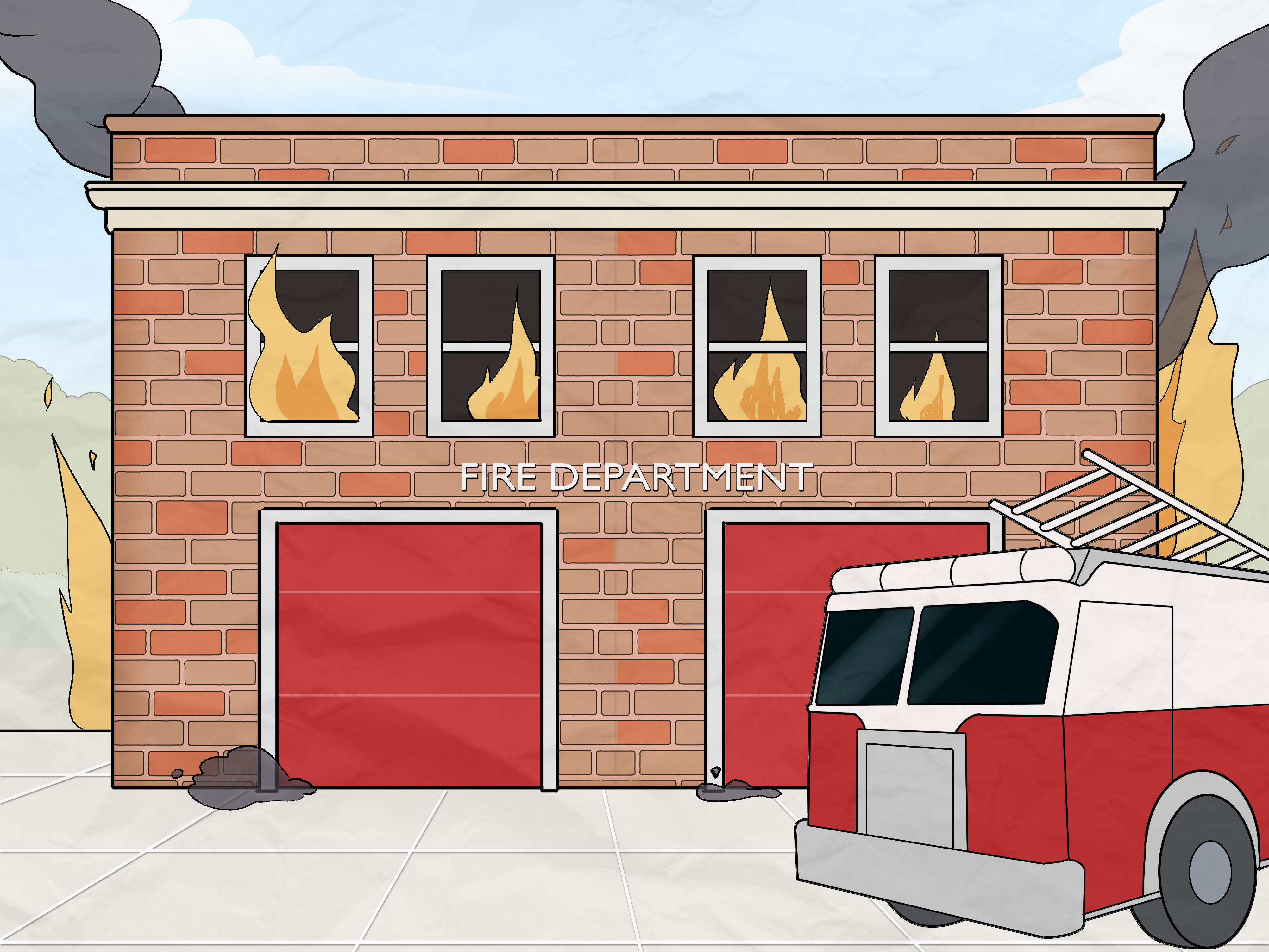
Situational irony happens when events turn out differently from what is expected. Example: A fire station burns down. The result is surprising because it reverses normal expectations.
The difference matters because dramatic irony is not just a twist. It is a structure of awareness. The audience is placed in a privileged position, watching characters interpret the world incorrectly or incompletely.
Why Writers Use Dramatic Irony
Dramatic irony is popular because it gives a scene extra energy without requiring explosions, dragons, or a mysterious billionaire with a candlelit mansion. It makes ordinary dialogue feel charged. A casual line can suddenly become funny, tragic, or ominous because the audience knows the hidden truth behind it.
It Builds Suspense
When viewers know danger is near, every small action becomes important. A character walking down a hallway is just walking. A character walking down a hallway while the audience knows someone is waiting around the corner is suspense.
It Creates Humor
Comedy often uses dramatic irony through disguises, misunderstandings, secret identities, and mistaken assumptions. The audience laughs because it sees the full picture while the characters confidently misread everything.
It Deepens Tragedy
In tragedy, dramatic irony hurts because the audience sees disaster coming before the character does. We may admire the character, pity them, or want to warn them, but we cannot reach into the story and shake them by the shoulders. Literature is rude that way.
It Reveals Character
How a character behaves without full knowledge can reveal pride, innocence, loyalty, fear, ambition, or moral weakness. Dramatic irony exposes who people are when they think they understand the situation.
16 Examples of Dramatic Irony in Literature and Film
1. Oedipus Rex by Sophocles
Oedipus Rex is one of the most famous examples of dramatic irony in world literature. Oedipus searches for the person responsible for bringing suffering to Thebes, not realizing that he himself is the source of the pollution he is trying to remove. The audience knows the dreadful truth long before Oedipus accepts it.
This makes his investigation painfully ironic. Every step he takes to solve the mystery brings him closer to his own ruin. When he curses the guilty man, he is unknowingly condemning himself. The result is tragic suspense: the audience is not wondering what happened so much as when Oedipus will finally understand it.
2. Romeo and Juliet by William Shakespeare
Shakespeare uses dramatic irony from the very beginning of Romeo and Juliet. The prologue tells the audience that the lovers are doomed, which means viewers watch the romance unfold with a terrible awareness the characters lack.
The most famous moment comes near the end. Juliet has taken a sleeping potion, and the audience knows she is not truly dead. Romeo does not. His tragic decision is built on incomplete information. That gap between audience knowledge and character knowledge is dramatic irony at full heartbreak volume.
3. Macbeth by William Shakespeare
In Macbeth, dramatic irony appears when King Duncan praises Macbeth as loyal and honorable while the audience knows Macbeth is already imagining betrayal. Duncan’s trust becomes painful to watch because viewers understand the danger he cannot see.
The irony also deepens the theme of appearance versus reality. Macbeth’s castle may look welcoming, but the audience knows it has become a place of ambition, deception, and violence. The smile at the door is not the truth behind the door.
4. Hamlet by William Shakespeare
In Hamlet, the audience learns early that Claudius is connected to the death of Hamlet’s father. Many characters inside the court, however, do not fully understand what has happened. Hamlet’s strange behavior, his testing of Claudius, and his staged play all gain power because the audience knows more than several people onstage.
The dramatic irony creates a mood of suspicion. The court tries to interpret Hamlet, while Hamlet tries to expose the court. Everyone is watching everyone else, which makes the audience feel like the only person in the room with the answer key.
5. Othello by William Shakespeare
Othello is a brutal lesson in how dramatic irony can make an audience furious. Viewers know that Iago is manipulating Othello. Othello does not. The audience sees Iago’s lies being constructed piece by piece, while Othello accepts them as evidence.
This is why the play is so emotionally intense. The tragedy does not come from mystery. It comes from watching a decent but vulnerable character trust the wrong person and doubt the right one. Dramatic irony turns deception into a slow-moving disaster.
6. Twelfth Night by William Shakespeare
In Shakespearean comedy, dramatic irony often wears a disguisesometimes literally. In Twelfth Night, Viola disguises herself as Cesario. The audience knows her identity, but many characters do not. This creates romantic confusion, mistaken attraction, and comic misunderstanding.
The humor comes from watching characters speak sincerely while missing the most important fact in the room. The audience is in on the secret, which makes every awkward conversation sparkle with double meaning.
7. “The Cask of Amontillado” by Edgar Allan Poe
Poe’s “The Cask of Amontillado” uses dramatic irony in a darker way. The narrator, Montresor, reveals his hostile intentions to the reader, while Fortunato believes he is being led to taste a rare wine. The audience knows the invitation is dangerous; Fortunato does not.
Because readers understand Montresor’s purpose, Fortunato’s confidence becomes disturbing. His jokes, pride, and enthusiasm all carry a second meaning. We are not simply reading about a walk through underground passages. We are watching ignorance move closer to consequence.
8. Animal Farm by George Orwell
In Animal Farm, dramatic irony works through political allegory. Readers understand how language, propaganda, and power are being manipulated, while many of the animals remain confused or trusting. The audience recognizes the pattern of corruption before some characters can name it.
This kind of dramatic irony is especially sharp because it exposes how control can operate through slogans and revised memories. Readers see the gap between the ideals the animals fought for and the reality they are living under.
9. The Gift of the Magi by O. Henry
O. Henry’s “The Gift of the Magi” blends dramatic and situational irony. The reader discovers that Della sells her hair to buy Jim a watch chain, while Jim sells his watch to buy combs for Della’s hair. Each character sacrifices the very thing that would have made the other’s gift useful.
The irony is tender rather than cruel. The gifts become practically useless but emotionally priceless. The audience understands the full beauty of the sacrifice before the characters fully absorb it.
10. The Great Gatsby by F. Scott Fitzgerald
In The Great Gatsby, dramatic irony often emerges from the gap between Gatsby’s dream and the reader’s growing awareness of its fragility. Gatsby believes he can recover the past and restore an idealized love. Readers see signs that the dream is built on illusion, class fantasy, and selective memory.
The irony is subtle. Nobody needs to shout, “This will not end well!” The parties, the mansion, the green light, and Gatsby’s careful performance of success all reveal a man chasing something that may never have existed in the way he imagines.
11. Titanic directed by James Cameron
Titanic uses historical dramatic irony on a massive scale. Most viewers already know the ship will sink. The characters board it believing it represents luxury, progress, and safety. The audience watches that confidence with dread.
This knowledge changes the meaning of early scenes. Grand staircases, elegant dinners, and proud statements about the ship all carry a shadow. The dramatic irony does not weaken the story by “spoiling” the ending. It strengthens the emotional experience because viewers are waiting for history to arrive.
12. Toy Story directed by John Lasseter
Toy Story turns dramatic irony into comedy and wonder. The audience knows the toys are alive, but the human characters do not. This simple knowledge gap powers much of the film’s humor.
Every time a toy freezes as a human enters the room, viewers enjoy the secret. The dramatic irony also creates suspense: will the toys be discovered? Will they return to position in time? It is low-stakes compared with tragedy, but to a toy, being caught moving is basically a workplace emergency.
13. The Truman Show directed by Peter Weir
In The Truman Show, the audience knows that Truman’s entire life is a television production. Truman does not. This creates one of film’s clearest modern examples of dramatic irony.
Ordinary details become suspicious because viewers recognize them as manufactured. A friendly neighbor, a radio announcement, a product placement, or a too-perfect routine all contain hidden meaning. The irony pushes the audience to question performance, privacy, media, and the ethics of entertainment.
14. Jaws directed by Steven Spielberg
Jaws often lets the audience sense danger before characters do. The famous musical cue signals the shark’s presence, giving viewers information that swimmers and beachgoers lack. The result is classic suspense.
The audience becomes trapped between knowledge and helplessness. We know the water is unsafe, but the characters continue as if it is a normal sunny day. Dramatic irony turns the ocean from scenery into threat.
15. The Lion King directed by Roger Allers and Rob Minkoff
In The Lion King, viewers know Scar is plotting against Mufasa and Simba before many characters understand his intentions. Scar’s politeness and sly jokes take on extra meaning because the audience sees the danger behind them.
This dramatic irony strengthens the emotional stakes. Simba’s innocence, Mufasa’s trust, and Scar’s performance of loyalty all collide. The audience recognizes betrayal before the characters do, which makes the story more intense.
16. Star Wars: Episode IV – A New Hope and the Larger Saga
Across the Star Wars saga, dramatic irony often comes from identity, destiny, and hidden family connections. Viewers who know the larger story can watch earlier scenes with added awareness. Lines about fathers, legacy, fear, and power carry meanings that first-time characters do not fully understand.
This is one reason rewatching a story can feel different from watching it the first time. Dramatic irony can grow after a reveal. Once the audience knows the truth, earlier moments become richer, stranger, and sometimes much sadder.
How to Identify Dramatic Irony
To spot dramatic irony, ask one simple question: Does the audience know something important that a character does not? If the answer is yes, dramatic irony may be present.
Then ask what that knowledge does. Does it make the scene funnier? More tragic? More suspenseful? More uncomfortable? Dramatic irony is not just a fact gap; it is an emotional gap. The audience’s knowledge changes how the scene feels.
Here are common signs:
- A character makes a confident statement the audience knows is wrong.
- A character trusts someone the audience knows is deceptive.
- A character fears the wrong danger while the real danger is nearby.
- A secret identity, disguise, or hidden relationship is known to the audience.
- Historical knowledge makes the audience aware of an outcome characters cannot foresee.
How Writers Can Use Dramatic Irony Effectively
If you are writing fiction, drama, or screenplays, dramatic irony can make a scene more engaging. The trick is to give the audience enough information to care, but not so much that the story becomes flat.
Give the Audience a Meaningful Secret
The hidden information should matter. If the audience knows a character forgot to buy toothpaste, that is only dramatic irony if the missing toothpaste somehow affects the plot. Otherwise, it is just dental administration.
Let Characters Act Naturally
Characters should not behave foolishly just to preserve the irony. The best dramatic irony comes from believable choices made with incomplete information.
Raise the Stakes
The audience should understand what could happen if the character does not discover the truth. Stakes may be emotional, romantic, comic, moral, or physical. The point is to make the knowledge gap matter.
Time the Reveal Carefully
Reveal the truth too soon, and suspense disappears. Reveal it too late, and the audience may become frustrated. Good dramatic irony is a balancing act between anticipation and payoff.
Experience Notes: What Dramatic Irony Feels Like as a Reader and Viewer
One of the most memorable experiences with dramatic irony is the strange feeling of being both powerful and powerless. You know the truth, but you cannot help the character. You can see the trap, the misunderstanding, the secret, or the bad decision forming in slow motion, and all you can do is keep reading or watching. It is like being the only person at a surprise party who knows the cake is about to fall off the table.
When I read or watch a scene built on dramatic irony, I usually notice my attention sharpening. Small details suddenly matter. A pause in conversation feels suspicious. A polite smile feels dangerous. A casual line becomes loaded. The story seems to whisper, “You know what this means, right?” That private connection between storyteller and audience is one of the joys of dramatic irony.
In literature classes, dramatic irony is often treated like a term to memorize, but it is much more alive than that. Students usually understand it fastest when they connect it to everyday viewing habits. Anyone who has watched a horror movie and thought, “Do not open that door,” already understands dramatic irony. Anyone who has watched a comedy where one character is hiding under a table while another character enters the room understands it too. The formal definition may sound academic, but the experience is familiar.
Dramatic irony also makes stories more rewatchable. The first time through a story, a viewer may focus on plot. The second time, with more knowledge, earlier scenes become richer. A line that once seemed harmless may become heartbreaking. A joke may reveal fear. A friendly gesture may hide betrayal. This is why films such as The Truman Show or tragedies such as Oedipus Rex reward repeated attention. Once you know the secret, the story does not become empty; it becomes layered.
For writers, the best lesson from dramatic irony is that information is emotional. What the audience knows, when they know it, and who does not know it can completely transform a scene. Two characters talking about dinner can be boring. Two characters talking about dinner while the audience knows one is about to leave forever can be devastating. The words may stay simple, but the context does the heavy lifting.
That is the quiet genius of dramatic irony: it turns knowledge into suspense, comedy, sympathy, or dread. It lets the audience lean forward, not because something loud is happening, but because something meaningful is hidden in plain sight.
Conclusion
Dramatic irony is one of storytelling’s most powerful tools because it gives the audience a secret seat above the action. We know more than the characters, and that extra knowledge changes everything. A romantic confession becomes funnier. A friendly greeting becomes suspicious. A heroic decision becomes tragic. A simple line becomes unforgettable.
From Oedipus Rex and Romeo and Juliet to Toy Story, Jaws, Titanic, and The Truman Show, dramatic irony works because it makes audiences active participants. We do not simply observe the story. We anticipate, worry, laugh, and ache because we can see what the characters cannot.
So the next time you catch yourself yelling at a fictional person to turn around, read the letter, distrust the villain, check the hallway, or please stop making historically terrible decisions, congratulations. You have met dramatic irony in the wild. It is dramatic, it is ironic, and yes, it is probably about to ruin someone’s day beautifully.