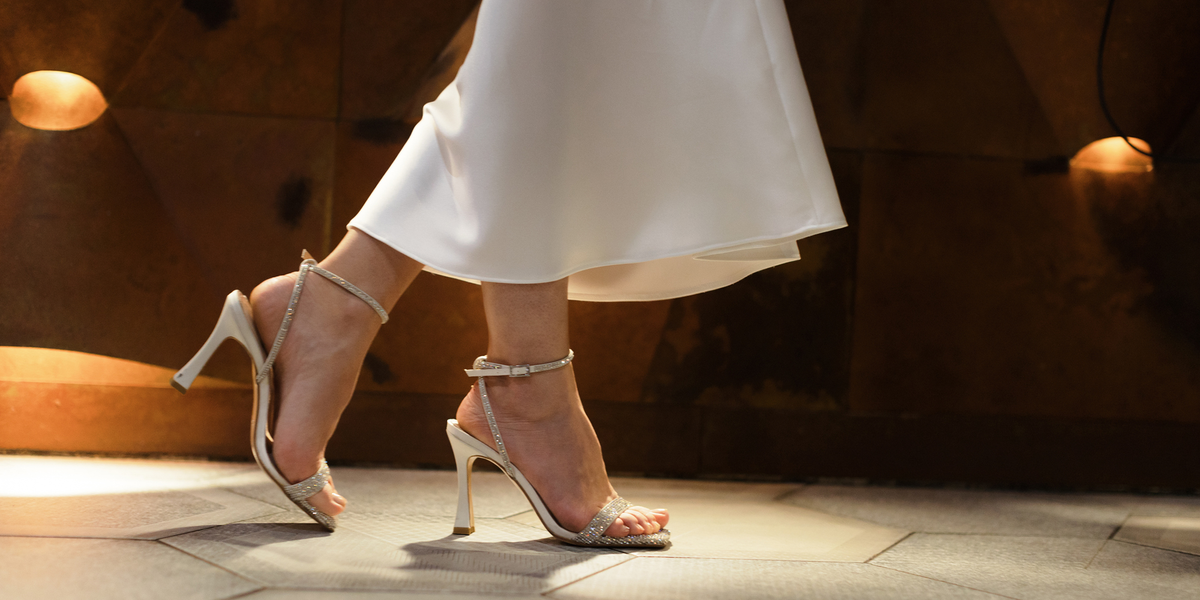
High heels have a mysterious superpower: they can make an outfit look polished in three seconds and make your feet question every life choice by hour three. The good news? Walking in heels does not have to feel like crossing a parking lot on tiny furniture legs. With the right shoe, smarter technique, and a little foot-friendly planning, you can wear heels more comfortably and reduce the “please send help” feeling that often shows up before dessert.
This expert-backed guide is based on common advice from podiatrists, orthopedic foot specialists, physical therapists, and reputable medical sources. The big idea is simple: pain is not the price of style. If your heels hurt, something can usually be adjustedheel height, fit, walking pattern, padding, timing, or recovery. Let’s turn your high heel strategy from “survive the event” into “walk in, stand tall, and still like your feet tomorrow.”
Why High Heels Hurt in the First Place
High heels change the way your body distributes weight. In flat, supportive shoes, your weight spreads more evenly across the heel, arch, and forefoot. In high heels, your foot tilts downward, pushing more pressure onto the ball of the foot and toes. The higher the heel, the more dramatic the shift. That is why a two-inch block heel may feel elegant, while a four-inch stiletto may feel like a personal betrayal from your shoe closet.
Heels also shorten the working position of the calf muscles and Achilles tendon while you wear them. Over time, frequent high heel use can contribute to tight calves, reduced ankle mobility, sore arches, heel pain, and irritation around the toes. Narrow toe boxes can squeeze the front of the foot, which may aggravate bunions, hammertoes, corns, calluses, or nerve discomfort. None of this means you must throw every heel into a dramatic donation bag. It means your feet need better conditions.
Choose the Right Heel Before You Try to Walk Like a Pro
Start With a Lower Heel Height
If you want to walk in high heels without pain, start with a heel height your body can actually manage. Many foot experts suggest choosing lower heels for longer wear, especially if you will be standing, commuting, dancing, or walking more than a short distance. A heel around one to two inches is usually easier on the feet than a towering stiletto. For events, a three-inch heel may be manageable for some people, but the design matters just as much as the number.
Here is the practical test: if you put the heels on and immediately lean forward, grip the floor with your toes, or walk like a nervous baby deer on polished marble, they are probably too high or too unstable for the occasion.
Pick Block Heels, Wedges, or Platforms for Better Stability
Thin stilettos concentrate pressure into a tiny base. Block heels, wedges, and platforms give you more surface area and often more balance. Platforms can be especially helpful because they reduce the actual angle between your heel and forefoot. For example, a four-inch heel with a one-inch platform may feel closer to a three-inch incline. Your outfit still gets the height; your feet get a slightly better negotiation deal.
For beginners, chunky heels are the friend who brings snacks to the road trip. They are supportive, dependable, and less likely to let you wobble dramatically in front of strangers.
Look for a Wider Toe Box
A pointed toe can look sleek, but if your toes are crushed together, pain is almost guaranteed. Choose heels with enough room for your toes to lie naturally without overlapping, curling, or feeling compressed. A rounded, almond, square, or softly pointed toe box is usually more forgiving than a sharp point. You should be able to wiggle your toes slightly. If your toes are trapped like commuters in a packed elevator, keep shopping.
Buy Shoes That Fit Your Real Feet, Not Your Optimistic Feet
Feet can swell during the day, especially after walking or standing. Try on heels later in the afternoon or evening when your feet are closer to their largest daily size. Walk around the store or your room for several minutes, not just five heroic steps in front of a mirror. Check for slipping at the heel, pinching at the toes, pressure across the ball of the foot, and rubbing near straps.
If you are between sizes, do not assume smaller is better because “they will stretch.” Some materials soften, but shoes that hurt immediately often continue to hurt laterjust with more attitude.
How to Walk in High Heels Without Pain
Step Heel to Toe, Not Toe to Heel
One of the biggest high heel walking mistakes is landing with the whole foot at once. Instead, place your heel down first, then roll through the ball of the foot and toes. The motion is smaller than in sneakers, but the sequence still matters. Heel first. Toe second. Confidence third.
That said, do not stomp. Heels already make noise; they do not need a drum solo. Think controlled, light steps. Your goal is a smooth glide, not a courtroom entrance in a legal drama.
Take Shorter Steps
High heels naturally shorten your stride because they limit ankle movement. Trying to take long steps can increase instability and strain your feet, knees, hips, and lower back. Take smaller, slower steps and let your body stay centered. If you are rushing in heels, you are not walkingyou are negotiating with gravity.
Shorter steps also make your walk look more polished. There is a reason runway walking is measured and controlled. Nobody looks graceful sprinting across cobblestones in stilettos unless they are in a movie and the pavement has signed a contract.
Keep Your Posture Tall but Relaxed
Good posture can reduce strain while helping you look more confident. Keep your head up, shoulders relaxed, chest open, and core gently engaged. Avoid leaning forward, which puts more pressure on the forefoot. Avoid leaning too far back, which can make you unstable. Imagine a string lifting you from the crown of your head while your ribs stay stacked over your hips.
Your knees should stay soft, not locked. Locked knees can make your walk stiff and increase stress on your joints. A relaxed, upright posture helps your body absorb movement more naturally.
Use Your Core and Glutes for Balance
Walking in heels is not just a foot activity. Your core, hips, and glutes help stabilize your body. Before walking, gently engage your abdominal muscles as if you are bracing for someone to poke your side. Keep your hips steady and avoid swaying excessively. A little natural movement is fine. A full pendulum swing is not required.
Stronger hips and glutes can make heel walking feel easier because your legs do not have to do all the balancing alone. Exercises such as glute bridges, calf raises, side steps with a resistance band, and single-leg balance drills can help build the support system your heels keep asking for.
Prep Your Feet Before Wearing High Heels
Stretch Your Calves and Achilles Tendons
Because heels place your foot in a downward angle, your calves and Achilles tendons can feel tight. Stretching before and after wearing heels may reduce discomfort and improve mobility. Try a simple wall calf stretch: place both hands on a wall, step one foot back, keep the back heel on the ground, and gently lean forward. Hold for 20 to 30 seconds, then switch sides.
You can also stretch the sole of the foot by rolling it over a tennis ball or frozen water bottle. Do not press so hard that it hurts. The goal is relief, not proving your foot can survive a medieval test.
Strengthen Your Feet
Foot strength matters. Try toe curls with a towel, marble pickups, calf raises, and slow ankle circles. These small exercises may look unimpressive, but they train the muscles that help control balance and reduce fatigue. Strong feet are less likely to collapse into the shoe or grip the insole for dear life.
Break In Heels at Home
Never debut brand-new heels at a major event unless you enjoy plot twists. Wear them at home for short periods on clean floors. Walk, stand, sit, turn, and practice stairs if you will face them later. This helps you identify rubbing spots early. Add cushions, heel grips, or protective tape before the real outing.
A smart break-in session is 15 to 30 minutes, not six hours of domestic suffering. If the shoe hurts badly at home, it will not magically become comfortable under party lighting.
Use Padding and Inserts Strategically
Ball-of-Foot Cushions
Because high heels shift pressure forward, gel or foam cushions under the ball of the foot can help absorb impact. Look for slim inserts designed for dress shoes so they do not crowd the toe box. If padding makes the shoe too tight, it may create new pain while solving the old pain. Foot comfort is a team project, not a stuffing contest.
Heel Grips
If your heels slip at the back, heel grips can reduce friction and help prevent blisters. However, heel slipping can also mean the shoe is the wrong size or shape for your foot. Inserts can help minor fit issues, but they cannot turn a bad shoe into a miracle.
Blister Protection
For areas that rub, use blister bandages, moleskin, or anti-friction balm before irritation starts. Prevention works better than rescue. Once a blister forms, every step becomes a tiny complaint letter.
Smart Rules for Wearing Heels Longer
Alternate Heel Heights
Wearing the same high heel height every day can keep your calves and Achilles tendons in a shortened position. Rotate your shoes: low heels one day, flats or supportive sneakers another day, block heels for longer events, and stilettos for shorter appearances. Your feet appreciate variety, even if your favorite black pumps think they deserve a residency.
Carry Backup Shoes
There is no shame in carrying flats, loafers, or supportive sandals. In fact, it is one of the smartest high heel tips. Wear comfortable shoes for commuting, walking long distances, or standing in lines, then switch into heels when you arrive. This strategy is popular because it works. Also, it saves you from making dramatic barefoot decisions in public, which rarely feels as glamorous as it sounds.
Take Sitting Breaks
If you are at a wedding, conference, dinner, or office event, sit when you can. A two-minute break can reduce pressure on the forefoot and give your calves a reset. You do not need to announce, “I am preserving my metatarsals.” Just sit, smile, and let your feet stop filing complaints.
Common Mistakes That Make High Heel Pain Worse
Wearing Heels That Are Too Small
Small heels may feel secure at first, but tight shoes compress nerves, skin, joints, and toenails. This can lead to numbness, burning, blisters, ingrown toenails, and toe pain. A snug fit is fine. A shoe that feels like a decorative clamp is not.
Choosing Beauty Over Structure Every Time
A gorgeous shoe with no cushioning, no arch support, a narrow toe box, and a sky-high heel is best treated like dessert: lovely sometimes, not a daily foundation. Look for heels with padded footbeds, secure straps, stable heel shapes, and flexible but supportive materials.
Ignoring Pain That Keeps Returning
Occasional mild soreness after a long event is common. Sharp pain, swelling, numbness, burning, persistent heel pain, or pain that changes how you walk should not be ignored. If discomfort continues, talk with a podiatrist, orthopedic specialist, or qualified healthcare professional. Pain is information. It is not your foot being dramatic for attention.
Best Types of Heels for Comfort
Block Heels
Block heels are often the easiest dressy option because they provide more stability than stilettos. They are great for work, outdoor events, and long dinners where you may stand and mingle.
Wedges
Wedges distribute weight across a larger base, which can feel more supportive. They can still be high, so choose moderate heights when comfort matters.
Platform Heels
Platforms reduce the steepness of the foot angle. A well-designed platform can offer height without forcing your foot into an extreme position.
Kitten Heels
Kitten heels are underrated. They give a polished look with less pressure on the forefoot. They are especially useful for people who want elegance without entering the danger zone of ankle wobble.
How to Recover After Wearing High Heels
After wearing heels, switch into supportive shoes and give your feet a chance to recover. Stretch your calves, gently roll the soles of your feet, and elevate your legs if your feet feel swollen. A warm foot soak may feel relaxing, while ice wrapped in a cloth may help calm soreness after a long day. Avoid aggressive massage if you have sharp pain or swelling.
Recovery also means noticing patterns. If one pair always causes pain in the same spot, stop blaming your feet. The shoe is giving you data. Listen to it.
Real-World Experience Notes: What Actually Helps When You Wear Heels
Here is the honest, lived-in truth about learning how to walk in high heels without pain: the best advice is not glamorous, but it works. The people who look comfortable in heels are usually not tougher; they are better prepared. They know which shoes fit, where the painful pressure points are, and when to switch shoes before their feet start a protest march.
One helpful experience is to test heels on the same type of surface you will face. A pair that feels fine on carpet may behave very differently on tile, pavement, grass, or stairs. Outdoor weddings are especially sneaky. Thin heels sink into grass, gravel makes every step feel unstable, and uneven stone paths are basically obstacle courses wearing perfume. For outdoor events, block heels or wedges are usually much kinder than stilettos.
Another real lesson: shoe timing matters. Many people make the mistake of wearing heels from the moment they leave home until the moment they return. That is a long shift for a shoe designed more for style than biomechanics. A smarter approach is to commute in comfortable shoes and change into heels at the destination. Keep a simple pair of foldable flats or clean sneakers in your bag, car, or desk. This one habit can save hours of unnecessary pressure.
It also helps to create a “heel comfort kit.” This can include gel ball-of-foot cushions, blister bandages, heel grips, moleskin, and a small anti-friction balm. The key is to use these before pain begins. Once a strap has rubbed your skin raw, a tiny bandage becomes less of a solution and more of an apology. If you already know a pair rubs near the pinky toe or back of the heel, protect that area before leaving the house.
Practicing at home may sound silly, but it is surprisingly useful. Wear your heels for 15 minutes while doing normal tasks: walking down a hallway, turning around, standing at a counter, and sitting down. Notice whether your toes slide forward, whether your heel slips, or whether the arch feels unsupported. If you cannot comfortably walk from the kitchen to the bedroom, do not expect the shoes to carry you through a four-hour event with heroic dignity.
Finally, comfort improves when you stop treating all heels as equal. A comfortable heel is not just about height. It is about the angle of the shoe, width of the toe box, cushioning, material, heel placement, and how securely the shoe holds your foot. Some three-inch heels feel better than some two-inch heels because they are designed better. Try different brands and shapes. When you find a pair that supports your feet and matches your style, protect it like a rare species.
Final Thoughts
Walking in high heels without pain is not about forcing your feet to tolerate bad shoes. It is about choosing smarter heels, walking with better technique, preparing your feet, and respecting discomfort before it becomes an injury. Choose lower or more stable heels when you will be on your feet for a long time. Look for toe room, cushioning, and secure fit. Stretch your calves, strengthen your feet, and keep backup shoes nearby.
Most importantly, remember that style should support your life, not sabotage your ability to walk to the snack table. The most elegant person in the room is not the one secretly suffering in silence. It is the one who looks good, moves comfortably, and still likes their shoes the next morning.
Editorial note: This article is for general educational purposes and is not a substitute for personalized medical advice. If high heel pain is sharp, persistent, worsening, or linked with swelling, numbness, or trouble walking, consult a qualified foot and ankle specialist.