Note: This article is written as original web content, synthesized from reputable U.S.-based research and reporting on civility, social behavior, boundaries, workplace respect, customer culture, and respectful communication.
There are two kinds of people in this world: those who return the shopping cart, and those who abandon it diagonally across three parking spaces like they have just completed a royal decree. The internet has become a museum of these tiny social crimes, where entitled people treat basic respect like it is an optional software update they declined in 2009.
The question, “Why is being respectful so hard for some people?” sounds simple, but the answer is layered. Rude behavior is not always about one bad mood or one awkward moment. Sometimes it comes from stress, poor emotional regulation, lack of empathy, online habits leaking into real life, or the belief that personal convenience matters more than everyone else’s peace.
And yet, most of society runs on small acts of respect. Holding a door. Waiting your turn. Not blasting a phone call on speaker in a quiet waiting room. Saying “please” to the cashier who did not personally manufacture inflation. These actions are not grand gestures. They are the social glue that keeps daily life from turning into a reality show filmed in a DMV.
Why Entitled Behavior Feels So Exhausting
Entitled behavior is frustrating because it forces everyone else to do extra emotional labor. One person cuts the line, and now ten people must decide whether to confront them, ignore them, silently rage, or write a paragraph about it later on the internet. One coworker constantly interrupts, and the whole meeting becomes less productive. One customer screams at a service worker, and the entire room inherits the awkwardness.
Respectful behavior is not about being formal or fake. It is about recognizing that other people are real humans with time, stress, limits, and dignity. Entitled people often behave as if the world is a personal convenience machine, and every other person is either an obstacle, a servant, or an audience member in their one-person drama.
Research on workplace incivility, public rudeness, boundaries, and social trust consistently points to the same basic truth: disrespect spreads. It lowers morale, increases conflict, and makes people less willing to cooperate. In everyday life, rudeness works like glitter. One tiny incident somehow gets everywhere.
What Makes Some People Act Entitled?
1. They confuse confidence with superiority
Confidence says, “I can handle this.” Entitlement says, “Rules are for the peasants.” Some people mistake being loud, demanding, or impossible to please for being strong. In reality, emotional maturity often looks quieter: listening, waiting, apologizing, and knowing when the spotlight is not yours.
2. They never learned healthy boundaries
A person who ignores boundaries may not always see themselves as rude. They may think they are “just being honest,” “just asking,” or “just joking.” But respect means accepting a no without turning it into a courtroom trial. Nobody owes a 14-slide PowerPoint explaining why they do not want to lend you money, host your dog, or answer texts at midnight.
3. Stress makes bad manners worse
Stress does not create character out of nowhere, but it does reveal habits. A stressed respectful person may become quieter or more direct. A stressed entitled person may treat everyone nearby like unpaid emotional support furniture. That does not excuse the behavior, but it explains why rudeness often spikes in airports, hospitals, restaurants, traffic, and customer service lines.
4. Online behavior has trained people to react instantly
On the internet, people can complain, clap back, block, rant, and refresh within seconds. In real life, humans have faces, feelings, and limited patience. Some people carry comment-section energy into public spaces and seem shocked when “I was just saying” does not magically repair the damage.
5. They rarely face consequences
If someone gets rewarded for being difficult, they may keep doing it. If shouting gets them a refund, cutting in line gets them served faster, or guilt-tripping gets them favors, the behavior becomes a strategy. Respect grows best in environments where kindness is expected and bad behavior is not treated like VIP access.
50 Examples Of Entitled People Acting Like Respect Is A Foreign Language
Entitled behavior can be dramatic, but often it appears in small, everyday moments. Here are 50 examples that make sensible adults everywhere take a deep breath and stare into the distance.
- The customer who snaps their fingers at a server like they are summoning a horse.
- The person who blocks the entire grocery aisle while studying cereal boxes like ancient scrolls.
- The neighbor who plays loud music at 1 a.m. and says, “Relax, it’s the weekend.”
- The coworker who takes credit for a group project and suddenly becomes allergic to the word “team.”
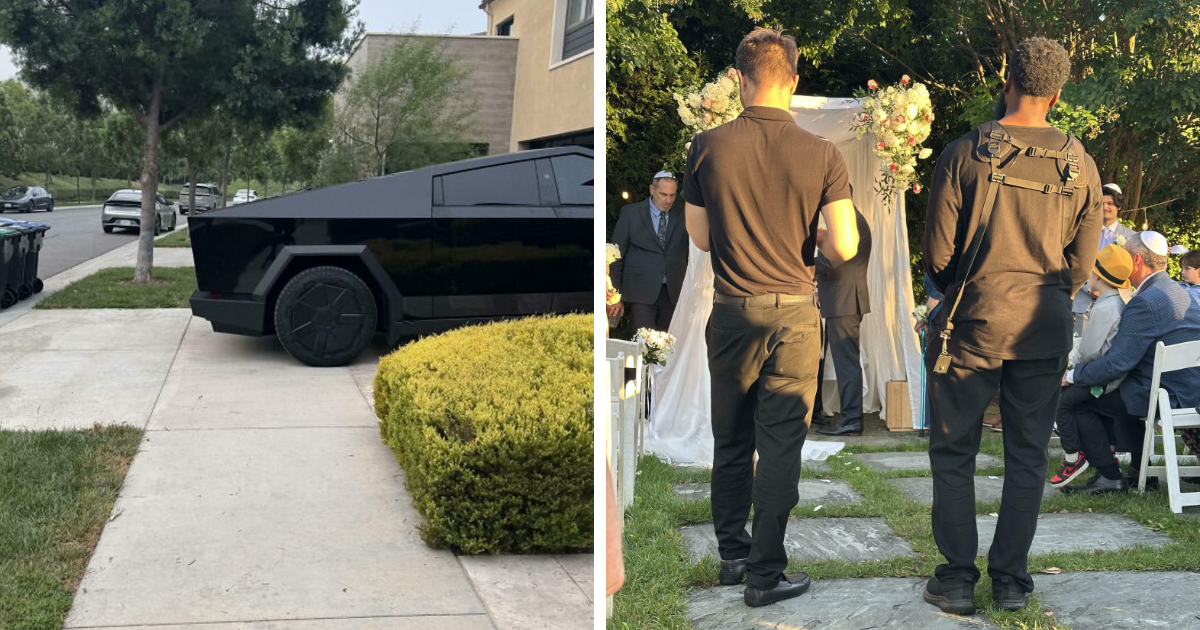
- The driver who parks across two spaces because their car apparently needs emotional room.
- The guest who brings extra people to a dinner party without asking.
- The friend who is always late but acts offended when plans start without them.
- The shopper who leaves frozen food on a random shelf because walking back is too advanced.
- The person who talks on speakerphone in public as if everyone subscribed to their podcast.
- The passenger who puts bare feet on a plane seat like civilization was just a rumor.
- The parent who lets their child destroy a restaurant while calling it “free expression.”
- The relative who asks invasive questions and then says, “Don’t be so sensitive.”
- The customer who blames the cashier for company policy.
- The person who borrows things and returns them damaged, late, or never.
- The gym user who leaves equipment sweaty and walks away like a mysterious legend.
- The person who interrupts every story with a bigger, louder story.
- The neighbor who lets their dog bark for hours and says dogs “just do that.”
- The party guest who criticizes the food while eating a second plate.
- The driver who honks instantly when the light turns green, as if launching a rocket.
- The coworker who sends “urgent” messages after hours for non-urgent nonsense.
- The person who litters because “someone gets paid to clean it.”
- The customer who demands a discount because they personally dislike the price.
- The roommate who uses everyone’s groceries and contributes only vibes.
- The person who makes jokes at someone else’s expense, then hides behind “humor.”
- The concertgoer who films the entire show with their phone blocking everyone’s view.
- The diner who treats service workers like background characters.
- The person who RSVPs yes and then disappears like a magician with commitment issues.
- The online commenter who forgets there is a human being behind the screen.
- The line-cutter who acts confused when people object.
- The person who leaves a mess in shared spaces because “it’s not my job.”
- The coworker who turns every meeting into a solo performance.
- The customer who stays past closing time and says, “I’ll just be a minute.”
- The friend who only calls when they need something.
- The person who refuses to apologize unless the apology comes with legal footnotes.
- The neighbor who treats shared parking like inherited property.
- The guest who opens closets and drawers in someone else’s home.
- The person who gives unsolicited advice and calls it “helping.”
- The customer who threatens a bad review before anyone has even made a mistake.
- The person who watches videos loudly in a quiet room.
- The coworker who dumps tasks on others and calls it “delegating.”
- The family member who thinks boundaries are personal attacks.
- The shopper who abandons a cart in the middle of the parking lot.
- The person who refuses to say thank you because “that’s their job.”
- The driver who tailgates, then looks offended when traffic still exists.
- The guest who shows up empty-handed and leaves with leftovers they packed themselves.
- The person who turns minor inconvenience into a full Shakespearean tragedy.
- The coworker who eats someone else’s labeled lunch.
- The stranger who comments on someone’s body, clothes, or parenting without being invited.
- The person who mistakes being brutally honest for being brave.
- The adult who refuses basic courtesy, then wonders why people avoid them.
The Psychology Behind “Main Character Syndrome”
Not every entitled person is selfish all the time. Many people behave respectfully in one context and terribly in another. A person may be polite to their boss but rude to a waiter. They may be charming at a party but impossible in traffic. That inconsistency reveals something important: respect is often shaped by perceived power.
Some people are kind when they think there is a benefit. They are polite upward, cold sideways, and rude downward. But real character is not measured by how someone treats a person who can help them. It is measured by how they treat people who cannot punish or reward them.
This is why entitled behavior feels so ugly. It reveals a ranking system. The rude customer is not simply upset about a sandwich. They are announcing that their temporary frustration matters more than another person’s dignity. The friend who always cancels last minute is not merely busy. They are communicating that other people’s time is flexible, while theirs is sacred.
Respect Is Not Weakness
One reason people resist being respectful is that they confuse kindness with submission. They think saying “please,” waiting patiently, or apologizing makes them look weak. That is backwards. It takes more self-control to stay respectful than to throw an adult tantrum over mild inconvenience.
Respectful people are not doormats. They can set boundaries, disagree, ask for fairness, and stand up for themselves. The difference is that they do not need to humiliate someone to feel powerful. They understand that being firm and being cruel are not the same thing.
For example, a respectful customer can say, “I ordered this without onions. Could it be remade?” An entitled customer says, “Are you people incapable of reading?” Both people want the same result. Only one remembers they are speaking to another human being.
How Entitled Behavior Damages Everyday Life
It makes public spaces feel hostile
When people ignore basic manners in stores, restaurants, schools, offices, and neighborhoods, everyone becomes more guarded. People stop assuming goodwill. They brace for conflict. A rude world turns ordinary errands into emotional obstacle courses.
It burns out service workers
Service workers often absorb the worst of public frustration. They are expected to smile through complaints, solve problems they did not create, and remain calm while being treated like a complaint box with shoes. Respecting workers is not “extra nice.” It is basic decency.
It weakens trust
Society depends on small agreements: wait your turn, clean up after yourself, follow shared rules, tell the truth, do not make your emergency everyone else’s problem. When enough people break these agreements, trust erodes. The result is more rules, more suspicion, and fewer people willing to give others the benefit of the doubt.
How To Deal With Entitled People Without Becoming One
The hardest part of dealing with disrespect is not letting it drag you into the mud. You do not have to accept bad behavior, but you also do not have to match it. The goal is not to win a shouting contest. The goal is to protect your peace, your boundaries, and your self-respect.
Use calm, direct language
Simple sentences work best. Try: “Please don’t speak to me that way,” “I’m happy to help if we keep this respectful,” or “That doesn’t work for me.” You do not need a dramatic speech. Clear beats clever.
Do not over-explain your boundaries
Entitled people often treat explanations as negotiation material. A short boundary is easier to defend. “No, I can’t do that” is complete. It may feel awkward, but awkward is better than resentment with a decorative bow on top.
Reward respectful behavior, not tantrums
In families, workplaces, and customer settings, people learn from what gets results. When bad behavior gets special treatment, it becomes a shortcut. When respectful communication gets the best response, people have a reason to use it.
Know when to disengage
Not every rude person is looking for a solution. Some are looking for a stage. If someone is determined to misunderstand you, insult you, or escalate the situation, stepping away is not defeat. It is emotional budgeting.
Why Respect Still Matters In A Loud, Impatient World
Respect is not old-fashioned. It is practical. It helps people feel safe, heard, and valued. It makes workplaces healthier, friendships stronger, families calmer, and public spaces less exhausting. A respectful society does not require everyone to agree. It requires people to disagree without acting like the other person has forfeited their humanity.
There will always be people who treat kindness like a weakness and patience like an invitation to push harder. But most people notice respect. They remember who stayed calm, who listened, who cleaned up after themselves, who apologized, who did not make the cashier cry over a coupon policy written by corporate headquarters in another state.
The good news is that respect is contagious too. A small act of courtesy can change the tone of a room. A sincere apology can repair trust. A calm response can stop conflict from growing legs and sprinting through everyone’s day.
Personal Experiences And Everyday Lessons About Entitled People
Anyone who has worked with the public, lived with roommates, attended a family gathering, or tried to merge in traffic has probably met someone who seemed personally offended by the existence of other people. The most memorable encounters are rarely huge disasters. They are the tiny moments that make you think, “We really do need a class called How To Be Normal In Public.”
One common experience is watching someone mistreat a service worker over something minor. Maybe the coffee took three extra minutes. Maybe the table was not ready. Maybe a coupon expired during the previous presidential administration. Instead of asking calmly, the person performs frustration for the entire room. Everyone nearby becomes unwilling audience members. The worker has to remain professional, other customers feel uncomfortable, and the person causing the scene often leaves convinced they were the victim. It is a masterclass in missing the point.
Another familiar situation happens in shared living spaces. One roommate leaves dishes in the sink for days, uses the last of the milk, ignores the trash, and then says everyone else is “too uptight.” This kind of entitlement is sneaky because it hides behind casualness. But shared spaces require shared effort. When one person refuses responsibility, everyone else pays with time, stress, or the smell of abandoned spaghetti.
Workplaces offer their own collection of respect-related adventures. There is the coworker who interrupts constantly, the manager who sends messages late at night, the teammate who disappears during hard tasks and reappears for praise, and the person who treats meetings like a personal podcast. These behaviors may not look dramatic on paper, but they slowly drain trust. People stop volunteering ideas. They avoid collaboration. They become careful instead of creative.
Family settings can be even trickier because entitlement often arrives wearing the costume of tradition. A relative may demand access to your time, your decisions, your personal life, or your emotional energy simply because “family helps family.” But healthy relationships are not built on guilt. Respect means love with boundaries. It means caring without controlling. It means understanding that closeness does not erase consent.
Public spaces may be the best test of everyday character. Returning a cart, waiting in line, lowering your voice, cleaning up after yourself, and treating workers politely are small actions, but they reveal whether someone sees themselves as part of a community. No one is perfect. Everyone has bad days. But there is a difference between having a bad moment and building an entire lifestyle around inconvenience avoidance.
The biggest lesson from dealing with entitled people is that respect has to be practiced before conflict happens. It is easy to be polite when everything goes your way. The real test comes when you are tired, delayed, disappointed, corrected, or told no. Sensible adults are not people who never get irritated. They are people who can feel irritation without turning it into a community event.
So, why is being respectful so hard for some people? Because respect requires awareness. It asks us to pause before reacting, consider someone else’s experience, accept limits, and choose dignity over dominance. That may sound simple, but in a culture that often rewards speed, volume, and self-promotion, simple decency can feel almost rebellious. Still, it is worth practicing. The world has enough people acting like the sun rises only to spotlight their complaints. Being respectful is one of the easiest ways to prove you are not one of them.
Conclusion
Entitled people may be loud, dramatic, and weirdly committed to making minor problems everyone else’s responsibility, but they also remind us why respect matters. Manners are not about being perfect or pretending life is always pleasant. They are about making room for other people’s dignity, time, and boundaries.
Being a sensible adult does not require fancy etiquette training. It starts with simple habits: say thank you, wait your turn, clean up your mess, accept “no,” apologize when needed, and remember that every person you deal with is living a full life beyond your immediate need. In a world full of public tantrums and private frustrations, basic respect is not boring. It is quietly heroic.