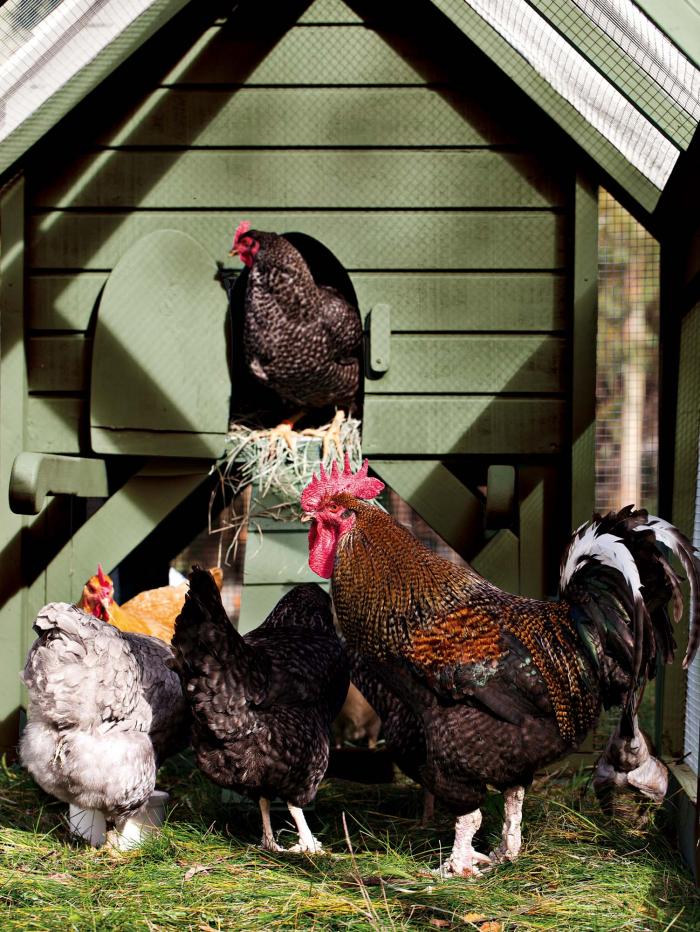
Every backyard chicken keeper eventually learns the same lesson: chickens may look small, but their opinions about personal space are enormous. One hen wants the sunny corner. Another wants the dust bath. A third wants to stand directly in the feeder like she owns stock in it. That is where a chicken coop run frame extender earns its keep. It gives your flock more protected outdoor room without forcing you to rebuild the entire coop from scratch.
A run frame extender is exactly what it sounds like: an added frame section that connects to an existing chicken run or coop enclosure. It can be made from wood, galvanized steel, metal tubing, welded wire, or a compatible kit from the same coop brand. The goal is simple but important: expand the run so chickens have more room to scratch, forage, flap, sunbathe, dust bathe, and conduct their tiny dinosaur business in peace.
But a good extender is not just “more fence.” It should improve safety, airflow, cleaning access, drainage, shade, and daily flock comfort. Done well, it makes chicken keeping easier. Done badly, it becomes a raccoon buffet with a decorative roof. Let’s avoid that.
What Is a Chicken Coop Run Frame Extender?
A chicken coop run frame extender is an add-on structure that increases the enclosed outdoor area attached to a chicken coop. It may attach directly to the existing run, connect through a pop door, or stand as a modular poultry pen that extends the original footprint.
Some extenders are sold as brand-specific kits. These usually include pre-cut frame parts, wire panels, clamps, bolts, and sometimes a weather cover. Other extenders are DIY builds made from lumber, metal conduit, cattle panels, welded wire, or hardware cloth. The best option depends on your coop type, flock size, climate, predator pressure, budget, and how much you enjoy saying, “Where did I put the 10mm socket?”
Why Your Chickens May Need More Run Space
More run space is not just a luxury. It can directly affect flock behavior and coop management. When chickens are crowded, they are more likely to peck, bully, overuse the ground, create mud, and turn a once-green run into something that looks like a tiny archaeological dig site.
Many backyard chicken guides suggest planning roughly 8 to 10 square feet of outdoor run space per standard-size chicken, with more being better whenever possible. Bantams may need less, large breeds may appreciate more, and energetic breeds such as Leghorns or Easter Eggers often act like they have a gym membership and a caffeine problem.
Signs Your Current Chicken Run Is Too Small
Your flock may benefit from a run frame extender if you notice bare dirt everywhere, frequent squabbles, feather picking, bored pacing along the fence, muddy areas that never dry, or hens crowding one another around food and water. Another clue is chicken math. You started with four hens, then somehow there are eight, and nobody can explain who clicked “add to cart.”
A frame extender gives you breathing room before small problems become daily chores. It can also help separate feeding stations, add enrichment zones, create shade areas, and reduce wear on one patch of ground.
Main Benefits of a Chicken Coop Run Frame Extender
1. More Room for Natural Chicken Behavior
Chickens are busy animals. They scratch, peck, dig, forage, stretch, dust bathe, perch, chase bugs, and occasionally stare at nothing with great suspicion. A larger run supports these natural behaviors while keeping the flock contained and easier to manage.
Adding even one extension bay can make the run feel less crowded. For example, a 4-by-8-foot extender adds 32 square feet. That can make a noticeable difference for three or four hens, especially when the original run was tight.
2. Better Flock Health and Lower Stress
Extra space can reduce competition. When hens have room to move away from bossy flockmates, social tension often drops. That matters because the pecking order is real, and some hens enforce it like they are managing a luxury hotel with very strict towel policies.
A larger run also gives you space to add multiple feeders or waterers, which helps lower crowding. During hot weather, it lets birds spread out in the shade. During wet seasons, it allows you to rotate high-traffic areas or add dry platforms, mulch, or gravel paths without turning the whole enclosure into soup.
3. Easier Cleaning and Maintenance
A well-designed chicken run extension can make cleaning easier, especially if it includes a walk-in door or taller frame. Low-profile runs are useful for small spaces, but crawling in with a rake while chickens supervise your dignity is not everyone’s idea of a good Saturday.
If you are building or buying an extender, think about human access. Can you stand inside? Can you reach corners? Can you remove bedding, leaves, or old straw? Can you repair wire without lying face-first in the dust bath? These questions are less glamorous than coop color, but they matter more after the first month.
Choosing the Right Frame Material
Wood Frame Extenders
Wood is popular for DIY chicken run extenders because it is easy to cut, drill, repair, and customize. Pressure-treated lumber, cedar, and exterior-grade lumber are common choices. Wood also makes it simple to attach hardware cloth with screws and washers.
The downside is maintenance. Wood can warp, rot, or become attractive to termites if it sits directly on wet soil. If you choose wood, raise it slightly on pavers, seal exposed cuts, and use exterior-rated screws or galvanized fasteners.
Metal Frame Extenders
Galvanized steel and powder-coated metal frames are common in store-bought chicken run kits. They resist rot, assemble quickly, and often look neat. Metal frame extenders are especially useful for people who want a modular setup that can be expanded again later.
The key is stability. Lightweight metal tubing can flex in wind or under snow load, so anchor the frame properly. Use ground stakes, base plates, landscape anchors, or heavy pavers where needed. A run extender should not become a backyard kite with poultry accessories.
PVC Frame Extenders
PVC is sometimes used for lightweight portable runs, but it is not the strongest option for permanent predator-resistant chicken housing. It can work for supervised daytime use, especially for small tractors or temporary grazing pens. For an overnight run, stronger framing and predator-resistant mesh are usually better.
Wire Matters: Hardware Cloth vs. Chicken Wire
This is the part where many new chicken keepers get surprised: chicken wire is great for keeping chickens in, but not always great for keeping predators out. Many predators can tear, bend, reach through, or squeeze past weak wire. For a secure chicken coop run frame extender, hardware cloth or welded wire is usually the smarter choice.
Half-inch galvanized hardware cloth is widely recommended for predator-resistant openings, especially around the lower walls, vents, windows, and vulnerable seams. Welded wire can also work for larger panels, but the openings should be small enough to prevent reach-through attacks and entry by smaller predators.
Where to Use Stronger Mesh
Use hardware cloth on the bottom 24 to 36 inches of the run, around doors, along corners, over ventilation openings, and anywhere the extender meets the original coop. If using larger welded wire on upper sections, consider reinforcing the lower areas where raccoons, dogs, foxes, snakes, rats, and weasels are more likely to test the structure.
Attach mesh with screws and washers, heavy-duty staples, or metal clips designed for the frame. Avoid relying only on thin staples from a light-duty staple gun. Predators do not read your assembly manual, and they are rude about warranty claims.
Predator-Proofing a Chicken Run Extender
A frame extender creates new edges, seams, doors, and ground contact points. Every one of those is a potential weak spot. Before adding chickens, inspect the full perimeter like you are a raccoon with a tiny clipboard.
Add a Predator Apron
A predator apron is a horizontal skirt of hardware cloth or welded wire that extends outward from the base of the run, usually 12 to 24 inches. Instead of digging straight down, many keepers lay the mesh flat on the ground and cover it with soil, gravel, mulch, or grass. When a digging predator reaches the fence line, it hits the apron and gives up or moves on.
This is especially useful for a chicken coop run frame extender because the new section may sit on fresh soil that has not yet settled. Secure the apron tightly to the frame so there is no gap at the base.
Secure the Roof or Top
A covered run helps protect chickens from hawks, climbing predators, rain, intense sun, and falling leaves. A roof can be made from metal panels, polycarbonate sheets, shade cloth, welded wire, hardware cloth, or a waterproof tarp, depending on your climate.
If you live in a snowy area, design for snow load. A flat tarp roof may sag, collect water, and become a sad backyard swimming pool. A sloped roof sheds rain and snow more effectively.
Use Raccoon-Resistant Latches
Raccoons are clever, persistent, and apparently born with a locksmith certificate. Simple hook latches are often not enough. Use two-step latches, carabiners, padlock-compatible hasps, spring-loaded latches, or locking barrel bolts on run doors, nest box lids, and access panels.
How to Measure Before Buying or Building
Before ordering a chicken run extension kit or buying lumber, measure everything twice. Measure the existing coop wall, current run height, door location, roofline, ground slope, and available yard space. Also check whether your city or HOA has rules about coop setbacks, lot lines, flock size, or structure height.
Simple Space Calculation
Start with your flock size. If you have six standard hens and want at least 10 square feet of run space each, aim for 60 square feet of run area. If your current run is 32 square feet, adding a 4-by-8-foot extender gives another 32 square feet, bringing the total to 64 square feet.
That kind of calculation keeps you from guessing. Chickens do not carry tape measures, but they absolutely notice when the snack bar is overcrowded.
Installation Tips for a Stronger Run Extension
Level the Base First
A level base helps panels align correctly and reduces gaps. You do not need a perfect concrete foundation, but you should remove big rocks, fill low spots, and make sure doors swing freely. If the run sits on uneven ground, predators may find openings under the frame.
Connect the Extender Securely to the Existing Run
The joint between old and new is often the weakest point. Overlap wire, bolt frames together, and cover seams with additional hardware cloth. If attaching wood to metal, use brackets, U-bolts, or custom connector plates rather than hoping zip ties will age gracefully in sun and rain.
Think About Drainage
A bigger run is only better if it stays usable. Place the extender on high ground when possible. Avoid low spots where rain collects. Add coarse wood chips, gravel paths, sand zones, or raised platforms to keep chicken feet out of constant mud.
Best Features to Look For in a Chicken Coop Run Frame Extender
When shopping for a chicken coop run extender kit, look for durable framing, rust-resistant hardware, secure mesh, compatible connection points, a wide access door, roof support, clear assembly instructions, and expansion flexibility. If the kit is brand-specific, confirm that it matches your exact coop model.
For DIY builds, prioritize practical design over fancy design. A beautiful run that leaks, wobbles, or traps you inside with an angry broody hen is not a victory. Choose strong materials, easy access, secure fasteners, and a layout you can maintain year-round.
Common Mistakes to Avoid
Making the Extension Too Short
Short runs can work, but they are harder to clean. If you have the space and budget, a walk-in chicken run extender is usually more comfortable for both humans and birds.
Ignoring Shade
Extra space without shade can become a hot, exposed pen. Add a roof panel, shade cloth, shrubs outside the run, or a covered corner. Chickens need protection from heat as much as they need room to roam.
Forgetting Future Expansion
Chicken math is powerful. Build with the future in mind. Even if you do not plan to add more hens, leave room for a quarantine section, broody hen area, chick grow-out space, or temporary divider.
Real-World Example: Turning a Small Run Into a Better Backyard Setup
Imagine a family with five laying hens and a small prefab coop with a 4-by-6-foot attached run. That gives only 24 square feet of outdoor space, which can quickly become crowded. By adding a 6-by-8-foot frame extender, they gain 48 square feet, bringing the total run area to 72 square feet.
Now there is room for a dust bath box, a hanging feeder, a second waterer, a shaded perch, and a compost-style deep litter area with wood chips. The hens spread out, the ground recovers better, and cleaning becomes less of a wrestling match. The family also adds a hardware cloth apron around the new perimeter and a sloped polycarbonate roof over half the run.
The result is not just bigger. It is smarter, safer, and easier to manage.
Maintenance After Installation
After installing a chicken coop run frame extender, inspect it weekly for loose wire, rust, broken fasteners, dug-out soil, sagging roof material, and gaps around doors. After storms, check anchors and roof panels. After heavy rain, look for drainage problems.
Clean the run as needed based on flock size and bedding method. Many chicken keepers use deep litter in covered runs, adding carbon-rich materials such as wood chips, dry leaves, pine shavings, or straw. Others prefer sand or gravel in certain zones. The best system is the one that stays dry, controls odor, supports chicken behavior, and does not make you regret every life decision before breakfast.
Experiences With Chicken Coop Run Frame Extenders
One of the biggest lessons from using a chicken coop run frame extender is that the flock usually “reviews” the upgrade immediately. Chickens may hesitate for about five seconds, then march into the new space like they personally approved the building permit. The first dust bath in fresh soil is often dramatic. Wings spread, dirt flies, and one hen will look so relaxed you may wonder if you accidentally built a poultry spa.
In practical use, the most noticeable improvement is often behavior. A cramped run can create constant little arguments. Not full barnyard warfare, but enough chasing, pecking, and feeder drama to make chores feel tense. After extending the frame, birds have more escape routes and more activity zones. A lower-ranking hen can step away from a bossy bird instead of getting trapped in a corner. That alone can make the run feel calmer.
Another common experience is that cleaning becomes easier if the extender is designed with access in mind. A walk-in extension is a major upgrade. Being able to carry a rake, bucket, or bag of wood chips inside the run without bending like a garden gnome changes everything. It also makes it easier to hang feeders, adjust shade cloth, add perches, and check for weak spots.
Drainage is the lesson many keepers learn the hard way. A new extender placed on a low patch of yard can become muddy fast. Chickens love to scratch, but they do not need a swamp. Adding coarse wood chips, setting stepping stones near the gate, and sloping roof runoff away from the run can make the area far more pleasant. If water pours off the roof directly into the run, congratulations, you have invented the chicken splash zone.
Predator-proofing is another area where experience quickly sharpens priorities. The first version of an extender may look sturdy in daylight, but nighttime is when the real inspection crew arrives. Raccoons, neighborhood dogs, foxes, rats, snakes, and hawks all test different parts of the setup. A secure extender uses strong mesh, tight seams, locked doors, and a predator apron. The goal is not to panic; it is to build calmly and assume that if there is a gap, something curious will eventually find it.
Many keepers also discover that modular design is worth the extra thought. A run frame extender that can accept another panel later is useful. Today you need more room for six hens. Next spring, you may need a grow-out pen for pullets, a temporary broody area, or a small recovery section for a bird that needs quiet space. A flexible layout saves money and effort later.
From a daily routine perspective, the best extender is the one that disappears into your chores. The gate opens smoothly. The latch works with one hand. The roof does not sag. The feeder stays dry. The hens use the whole space. You stop thinking about the structure and simply enjoy the flock. That is when you know the upgrade worked.
The most satisfying part is watching chickens use the added space in ways you did not plan. They create favorite corners, patrol the edges, nap in the shade, dig dust bowls, and chase unlucky bugs with Olympic commitment. A chicken coop run frame extender may seem like a simple add-on, but to the flock it can feel like moving from a studio apartment into a house with a backyard.
Conclusion
A chicken coop run frame extender is one of the most practical upgrades a backyard chicken keeper can make. It adds protected space, reduces crowding, improves flock behavior, and gives you more room for feeders, waterers, shade, dust baths, perches, and easier cleaning. Whether you buy a compatible extension kit or build a custom frame, focus on strong materials, predator-resistant mesh, secure latches, proper drainage, and comfortable access.
Chickens do not ask for marble countertops or designer curtains. They want safety, space, fresh air, dry ground, and enough room to scratch like tiny feathered excavators. Give them that, and your run extender will pay you back in healthier birds, easier chores, and a backyard setup that feels less cramped and more enjoyable.
Note: This article is written for web publishing and is based on practical backyard poultry housing, predator protection, coop design, and flock management guidance from reputable U.S. poultry, extension, retail, and homesteading resources.