Breast cancer care is not just about scans, surgery, chemotherapy, radiation, reconstruction, and follow-up appointments that multiply like emails after vacation. It is also about whether a patient feels heard, respecd since the biopsy call.
That is where a culturally competent breast cancer care team becomes essential. Cultural competence in cancer care means more than knowing a few holiday traditions, offering translated pamphlets, or assuming every patient from the same background wants the same thing. It means building a system that respects language, values, family roles, faith, identity, finances, health literacy, trauma history, and access barrierswhile still delivering evidence-based breast cancer treatment.
In the United States, breast cancer outcomes are not equal across communities. Black women, American Indian and Alaska Native women, Latina patients, Asian American and Pacific Islander patients, LGBTQ+ patients, immigrants, rural residents, people with disabilities, and patients with limited English proficiency may face delays in screening, diagnosis, treatment, genetic counseling, clinical trials, and survivorship support. The problem is not that patients are “hard to reach.” Too often, the care system is hard to enter, hard to understand, and occasionally harder to navigate than a hospital parking garage designed by a maze enthusiast.
A culturally competent breast cancer care team fixes that by designing care around the whole personnot just the tumor board slide.
What Is a Culturally Competent Breast Cancer Care Team?
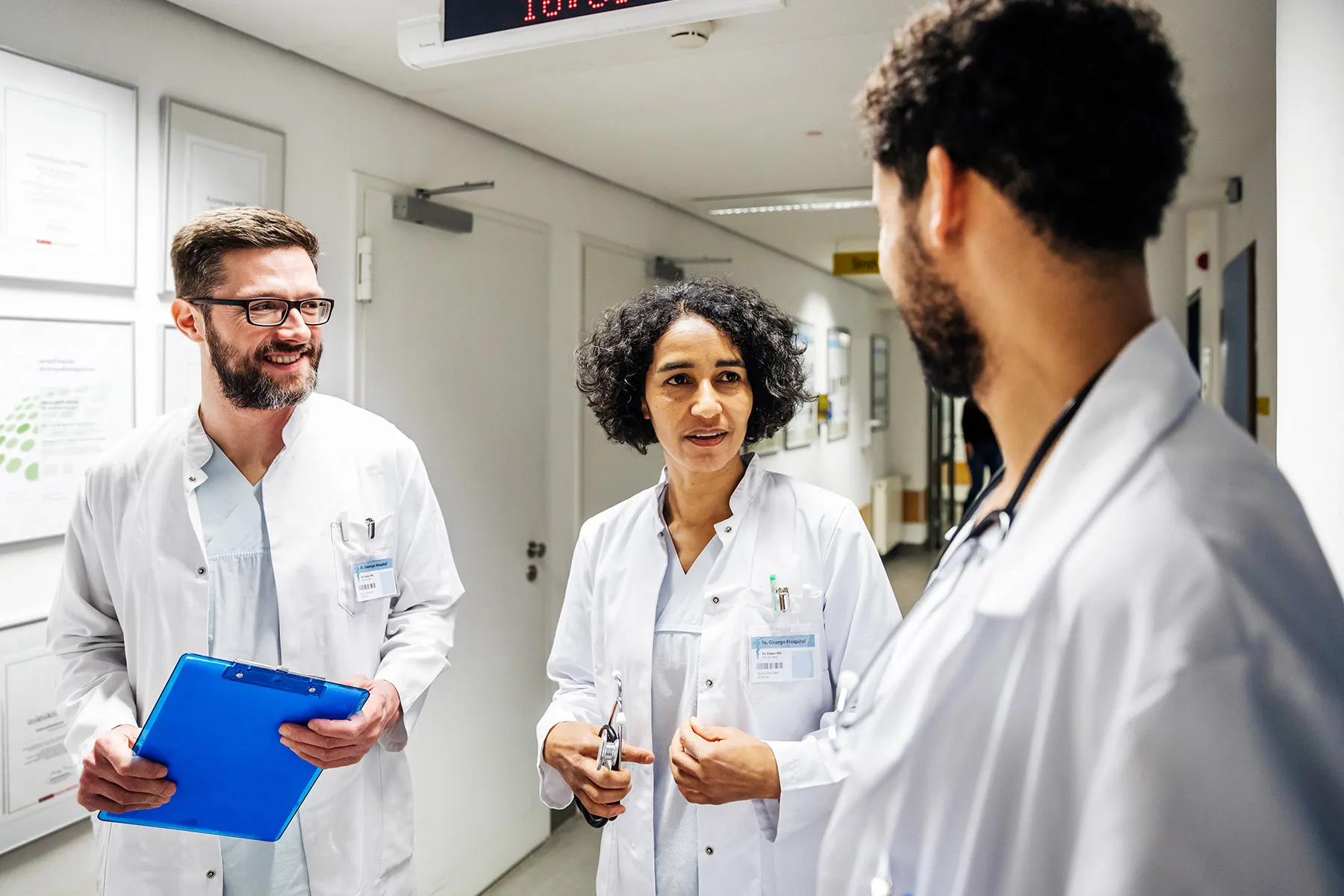
A culturally competent breast cancer care team is a multidisciplinary group of professionals trained to provide respectful, responsive, patient-centered care across diverse populations. The team may include a breast surgeon, medical oncologist, radiation oncologist, radiologist, pathologist, oncology nurse, patient navigator, genetic counselor, social worker, interpreter, pharmacist, dietitian, mental health professional, physical therapist, lymphedema specialist, palliative care clinician, spiritual care provider, and community health worker.
The “culturally competent” part is not a decorative sticker placed on the clinic brochure. It is built into how the team communicates, schedules appointments, explains treatment options, handles informed consent, addresses side effects, screens for distress, manages financial barriers, and follows up when someone misses a visit.
Cultural Competence vs. Cultural Humility
Cultural competence suggests a team has the knowledge and skills to care for people from many backgrounds. Cultural humility goes a step further. It admits that no clinician can memorize every cultural belief, family pattern, or personal preference on Earth. Instead, the team learns to ask better questions, listen without defensiveness, and avoid turning culture into a checklist.
In breast cancer care, cultural humility sounds like:
- “Who would you like involved in treatment decisions?”
- “What concerns do you have about chemotherapy, surgery, or radiation?”
- “What language do you prefer for medical discussions?”
- “Are there beliefs, traditions, or past experiences we should understand to support you better?”
- “What might make it difficult for you to get to appointments or take medications?”
Notice what is missing: assumptions. Good care asks. Lazy care guesses. Guessing is for game shows, not oncology.
Why Cultural Competence Matters in Breast Cancer Care
Breast cancer treatment often requires fast, complex decisions. A newly diagnosed patient may be asked to understand tumor biology, hormone receptor status, HER2 status, staging, surgical choices, chemotherapy timing, radiation schedules, fertility preservation, genetic testing, reconstruction, and clinical trialsall while trying to remember where she left her keys and how to tell her family.
If communication is unclear, trust is weak, or barriers are ignored, patients may delay care, miss appointments, misunderstand side effects, decline helpful services, or feel pushed into choices that do not match their values. Culturally competent cancer care improves the chance that a patient receives timely, appropriate, and acceptable treatment.
Disparities Are Often System Problems
Breast cancer disparities are frequently discussed as if they are simply differences between groups. But many differences in outcomes are connected to structural factors: insurance gaps, transportation barriers, medical mistrust caused by discrimination, fewer nearby specialists, limited paid leave, language barriers, lower access to high-quality screening, and underrepresentation in clinical trials.
A culturally competent breast cancer care team does not blame patients for these barriers. It builds workflows to identify and reduce them. That means asking about transportation before the radiation plan is finalized, connecting uninsured patients with screening and treatment resources, offering qualified medical interpreters instead of relying on a patient’s 12-year-old child, and making sure educational materials are understandablenot written like a graduate exam wearing a lab coat.
The Core Members of a Culturally Competent Breast Cancer Care Team
1. Breast Surgeon
The breast surgeon explains options such as lumpectomy, mastectomy, sentinel lymph node biopsy, axillary surgery, and reconstruction referrals. Cultural competence here means giving balanced information without steering patients based on stereotypes. Some patients prioritize breast conservation. Others may prioritize removing as much breast tissue as possible for peace of mind. Some want reconstruction; others do not. The surgeon’s job is to explain risks, benefits, recovery, appearance, sensation, and follow-up in plain language.
2. Medical Oncologist
The medical oncologist guides systemic treatments such as chemotherapy, endocrine therapy, immunotherapy, targeted therapy, and treatment for metastatic breast cancer. This role requires careful communication about side effects, fertility, menopause symptoms, sexual health, work schedules, caregiving responsibilities, and medication adherence. A culturally responsive oncologist asks what matters most to the patient, not just what fits neatly into the treatment pathway.
3. Radiation Oncologist
Radiation therapy may involve daily treatments over days or weeks. For patients who live far from a treatment center, work hourly jobs, care for children, or rely on public transportation, the schedule itself can become a medical barrier. A culturally competent radiation oncology team discusses timing, transportation, skin care, fatigue, modesty concerns, and financial stress before problems snowball.
4. Oncology Nurse and Nurse Navigator
Oncology nurses often become the practical heartbeat of breast cancer care. They explain medications, triage symptoms, teach wound care, coordinate appointments, and translate “doctor paragraph” into human language. Nurse navigators and patient navigators are especially important for patients facing complex systems. They help schedule tests, arrange referrals, connect patients with financial assistance, explain next steps, and follow up when care gets delayed.
5. Interpreter and Language Access Team
Language access is not optional decoration. It is central to safety, informed consent, symptom reporting, and shared decision-making. Qualified medical interpreters help ensure that information is complete, accurate, timely, and understandable. Family members may provide emotional support, but they should not be expected to interpret complex medical information unless a patient specifically chooses that after being offered professional services.
6. Social Worker and Financial Navigator
A social worker can help with insurance questions, transportation, lodging, employment concerns, disability paperwork, home support, childcare, food insecurity, and emotional distress. A financial navigator can explain coverage, estimate costs, connect patients to assistance programs, and reduce the shock of medical bills. In culturally competent breast cancer care, money is not a taboo topic. It is a treatment access issue.
7. Genetic Counselor
Genetic counseling may be recommended for patients with young age at diagnosis, triple-negative breast cancer, certain family histories, male breast cancer, Ashkenazi Jewish ancestry, or other risk factors. A culturally competent genetic counselor explains testing in a way that addresses privacy, family implications, insurance concerns, and possible emotional reactions. The conversation should be clear enough that patients understand what a result canand cannottell them.
8. Mental Health and Spiritual Support
Breast cancer can affect identity, body image, sexuality, fertility, relationships, faith, and the sense of control. Mental health professionals, support groups, chaplains, and spiritual care providers can help patients process fear, grief, anger, and uncertainty. A culturally competent team does not assume every patient wants the same kind of support. Some want prayer. Some want therapy. Some want a peer group. Some want silence, snacks, and a blanket. Respect all reasonable coping styles.
How to Build Cultural Competence Into Daily Breast Cancer Care
Collect the Right Information Respectfully
Teams should document preferred language, communication needs, disability accommodations, pronouns, emergency contacts, decision-making preferences, and social needs. But collection must be respectful. Patients should understand why questions are being asked and how the answers will improve care. Data without trust feels intrusive; data with purpose feels supportive.
Use Plain Language and Teach-Back
Health literacy varies widely, even among highly educated patients. Cancer vocabulary can make anyone feel like they accidentally enrolled in medical school. Plain language helps. Instead of saying, “Your malignancy is hormone receptor positive,” say, “Your cancer uses estrogen or progesterone signals to grow, so we can use medicines that block those signals.”
Teach-back is also powerful. The clinician asks the patient to explain the plan in her own words, not as a test, but as a safety check. A good phrase is: “I want to make sure I explained that clearly. Can you tell me what you’ll do if you develop a fever after chemotherapy?”
Offer Shared Decision-Making
Shared decision-making means combining medical evidence with patient values. For example, two patients with similar early-stage breast cancer may make different surgical choices based on body image, travel distance, anxiety about recurrence, caregiving duties, recovery time, or religious beliefs about the body. The team should explain options clearly, correct misinformation gently, and support decisions that are medically reasonable.
Partner With Community Organizations
Community partnerships can improve screening, education, trust, and follow-up. Churches, cultural centers, tribal health programs, LGBTQ+ organizations, immigrant support groups, beauty salons, local nonprofits, and community health workers can help reach people who may not respond to traditional hospital messaging. The best partnerships are not parachute missions. They are long-term relationships built before a crisis.
Make Clinical Trials More Inclusive
Clinical trials are essential for improving breast cancer treatment, but many communities remain underrepresented. A culturally competent care team explains trials in plain language, addresses historical mistrust honestly, discusses costs and logistics, offers interpreter support, and avoids assuming a patient will not be interested. Patients deserve to be invited into research opportunities, not silently excluded because someone made a guess about what they would say.
Examples of Culturally Competent Breast Cancer Care in Action
Example 1: A Spanish-Speaking Patient Starting Chemotherapy
A patient newly diagnosed with stage II breast cancer prefers Spanish for medical conversations. Instead of asking her adult daughter to interpret chemotherapy risks, the clinic schedules a qualified medical interpreter for each visit, provides Spanish medication instructions, and uses teach-back to confirm fever precautions. The nurse navigator also learns that the patient worries about missing work, so the social worker helps her explore leave options and transportation support. This is cultural competence in motion: language access plus practical problem-solving.
Example 2: A Black Patient With Medical Mistrust
A Black woman with a suspicious mammogram delays biopsy because she had a previous experience where her pain was dismissed. The team does not label her “noncompliant.” Instead, the navigator calls, listens, acknowledges the past experience, explains the biopsy process, and offers an appointment with a clinician known for patient-centered communication. Trust is not demanded; it is earned one respectful interaction at a time.
Example 3: A Rural Patient Facing Radiation Travel
A patient lives two hours from the cancer center and needs radiation after lumpectomy. The team discusses shorter-course radiation options when medically appropriate, coordinates appointments to reduce travel, and connects her with lodging and gas-card resources. Cultural competence includes geography. A treatment plan that ignores the map is only half a plan.
Example 4: An LGBTQ+ Patient Navigating Survivorship
A transgender or nonbinary patient may need breast cancer care that respects anatomy, identity, privacy, and screening needs without awkwardness or assumptions. Staff use the patient’s name and pronouns, ask anatomy-based screening questions respectfully, and ensure survivorship care addresses body image, sexual health, and hormone-related questions. Respectful care should not feel like a special request. It should feel like Tuesday.
Training the Team: From Good Intentions to Reliable Practice
Many clinicians want to provide equitable care, but good intentions need structure. Training should include implicit bias, cultural humility, trauma-informed communication, interpreter use, health literacy, shared decision-making, LGBTQ+ inclusion, disability access, and strategies for addressing social determinants of health.
However, training alone is not enough. A hospital can host a beautiful workshop, serve muffins, hand out certificates, and still fail patients the next morning if workflows do not change. Cultural competence must be measured and managed.
Useful Quality Metrics
- Time from abnormal screening to diagnostic follow-up
- Time from diagnosis to first treatment
- Use of interpreter services for patients with limited English proficiency
- Completion rates for chemotherapy, radiation, and endocrine therapy
- Genetic counseling referrals and completion by race, ethnicity, language, and insurance status
- Patient experience scores stratified by demographic groups
- Clinical trial offers and enrollment patterns
- No-show rates and reasons for missed appointments
When data reveal gaps, leaders should respond with process improvements, not excuses. Equity work is not about blaming individuals. It is about repairing systems so the next patient has a better path.
Experiences Related to Building a Culturally Competent Breast Cancer Care Team
One of the most important lessons from culturally competent breast cancer care is that patients rarely arrive with just one problem. They arrive with a diagnosis, a family, a job, a history, a neighborhood, a language preference, a stack of worries, and sometimes a heroic attempt to act calm while their brain is basically running 47 browser tabs at once.
In real clinic life, cultural competence often shows up in small moments. A receptionist notices that a patient repeatedly nods but does not fill out forms correctly, so she offers help privately instead of embarrassing her in the waiting room. A nurse realizes that a patient has missed two appointments not because she does not care, but because her bus route requires three transfers and one impossible sprint. A surgeon pauses before discussing mastectomy and asks, “What have you heard about this surgery?” That question can reveal fear, misinformation, family pressure, or spiritual concerns that would otherwise stay hidden.
Another common experience involves family decision-making. Some patients want to make every decision independently. Others want a spouse, sister, adult child, pastor, or close friend involved. A culturally competent team does not assume family involvement is a problem or a requirement. It asks the patient who should be included and what role that person should play. This matters because breast cancer decisions can be emotionally heavy. The patient may need support, but she should not lose her voice in the room.
Language experiences are especially powerful. Patients with limited English proficiency may be polite even when they do not understand. They may say “yes” because they respect the doctor, feel rushed, or do not want to appear difficult. When an interpreter is present and the clinician uses plain language, the visit changes. The patient asks more questions. Side effects are reported sooner. Consent becomes more meaningful. The care plan becomes a shared map instead of a mysterious set of instructions.
Financial experiences can also shape treatment. A patient may not say, “I cannot afford this medication.” She may say, “I’ll think about it,” or “Maybe next month,” or simply not pick up the prescription. A culturally competent team learns to ask directly and kindly: “Many people have trouble with medication costs. Is that a concern for you?” This single sentence can prevent treatment interruptions.
Trust-building is another experience that cannot be rushed. Patients from communities that have experienced discrimination may watch carefully for signs of respect. Does the clinician make eye contact? Is pain taken seriously? Are questions welcomed? Are concerns dismissed? Does the team follow through when it promises a call back? Trust is built in inches and lost in miles.
The best breast cancer teams learn from patients continuously. They invite patient advisors, review complaints without defensiveness, partner with community groups, and adjust care based on what they hear. They understand that culturally competent care is not a final destination. It is a practicelike washing hands, checking pathology reports, or pretending the clinic printer is not personally testing everyone’s patience.
In the end, the experience of building a culturally competent breast cancer care team is about moving from “We treat everyone the same” to “We give every patient what she needs to receive excellent care.” Same is not always fair. Fair means understandable communication, respectful choices, timely treatment, and support that fits real life.
Conclusion: Better Teams Build Better Outcomes
Building a culturally competent breast cancer care team is not a soft extra. It is a core strategy for improving quality, safety, trust, and outcomes. Breast cancer care is complicated enough without preventable barriers getting in the way. When teams provide language access, patient navigation, respectful communication, shared decision-making, inclusive support, and practical help with social needs, patients are more likely to receive the right care at the right time.
The strongest teams do not treat culture as a label. They treat each patient as a whole person. They ask better questions, listen more carefully, measure disparities honestly, and fix the systems that make care harder than it needs to be. That is not just culturally competent breast cancer care. That is good medicine with its sleeves rolled up.
Note: This article is for educational publishing purposes and is based on current U.S. health-equity, oncology, patient-navigation, language-access, and breast cancer care principles. It should not replace personalized medical advice from a qualified healthcare professional.