Note: This article synthesizes guidance from reputable U.S.-based writing organizations, literary magazines, contest directories, submission platforms, copyright resources, and author-rights watchdogs.
Introduction: Your Story Deserves a Stage
Entering a writing contest can feel a little like sending your heart through the mail wearing a paper helmet. You polish a poem, short story, essay, novel excerpt, or flash fiction piece until it shines, attach it to an online form, pay a fee if required, and then wait while your imagination paces the hallway in slippers. But writing contests are not mysterious lottery machines. The best ones are structured opportunities that reward strong craft, careful rule-following, and a healthy amount of courage.
Whether you want publication, prize money, feedback, a résumé boost, or simply a deadline that scares your procrastination into submission, learning how to enter writing contests the smart way can help you avoid wasted fees, disqualifications, and dubious “Congratulations, now buy our anthology!” traps. This guide breaks the process into 12 practical steps, from choosing the right competition to tracking your submissions like a professional writer instead of a raccoon guarding shiny objects.
The main goal is simple: submit better work to better contests with fewer mistakes. Let’s get your manuscript out of the drawer and into the world.
How to Enter Writing Contests: 12 Steps
1. Know Why You Want to Enter
Before you search for writing contests, decide what success means to you. Are you trying to win cash? Build publication credits? Practice writing to a deadline? Get your name in front of editors? Find motivation to finish a piece? Each goal points you toward a different type of contest.
For example, a beginner may benefit from low-fee or free contests that accept emerging writers. A poet with a full manuscript may look for book prizes. A nonfiction writer may prefer essay contests judged by editors in their niche. A novelist might enter a first-chapter or novel-excerpt contest to test reader interest before revising the whole manuscript for the seventeenth time, because apparently novels enjoy being remodeled like old kitchens.
Knowing your purpose also protects your budget. A $25 entry fee might make sense if the prize includes publication in a respected literary journal. It may not make sense if the organizer has no clear reputation, no named judges, and a website that looks like it was designed during a thunderstorm.
2. Find Reputable Writing Contests
Good contests are usually discoverable through trusted writing organizations, established literary magazines, university presses, author associations, and recognized directories. Look for competitions listed by reputable sources such as major literary publications, writing magazines, nonprofit writing organizations, poetry institutions, and submission platforms used by legitimate publishers.
Pay attention to the contest host. A competition run by a long-standing literary magazine, university press, writers’ conference, or nonprofit arts organization is generally easier to evaluate than one run by an unknown website with vague promises. That does not mean small contests are bad. Many excellent regional and independent contests support new writers. It simply means you should verify who is running the contest before handing over your work, money, and hope.
Useful signs of legitimacy include clear guidelines, transparent entry fees, named prizes, specific deadlines, judge information, past winners, publication details, contact information, and rights language. If the contest page answers your questions before you ask them, that is a good sign. If it creates new questions such as “Is this a contest or a haunted pop-up ad?” keep looking.
3. Match the Contest to Your Genre and Level
Writing contests are not one-size-fits-all. Some accept poetry only. Others focus on short fiction, flash fiction, creative nonfiction, memoir, screenwriting, children’s literature, speculative fiction, romance, mystery, or personal essays. Some are open to everyone; others are limited by age, location, publication history, student status, membership, or career stage.
Read the eligibility section carefully. “Emerging writer” may mean no published book. “Unpublished writer” may mean no paid publications at all. “Previously unpublished work only” usually means the piece cannot have appeared in print, online, on a personal blog, in a newsletter, or sometimes even on social media. Yes, that poem you posted to your cat’s Instagram caption may count. The internet has a long memory and absolutely no chill.
Choose contests that fit both your manuscript and your current writing profile. Submitting a genre thriller to a contest seeking literary realism may not be the best match, even if your detective has very deep feelings about weather. Likewise, sending a 9,000-word story to a contest capped at 5,000 words is not bold; it is disqualification wearing a cape.
4. Read the Guidelines Like a Contract
Contest guidelines are not decorative. They are the rulebook, the map, and sometimes the trapdoor. Read them once for the big picture, then again for details. Look for word count, page count, genre, theme, formatting, file type, anonymity rules, entry fee, deadline, prize, judging process, rights, simultaneous submission policy, and revision policy.
Many contests use blind judging, which means your name should not appear anywhere on the manuscript. If you include your name in the header, footer, file name, title page, or author bio when anonymity is required, your entry may be removed before anyone reads your dazzling first sentence. That is a tragic way to lose, like tripping at the starting line because you stopped to autograph the pavement.
Also check whether revisions are allowed after submission. Many contests do not accept updated drafts once the entry is submitted. This matters because the moment you click “submit,” you will almost certainly notice a typo that has been hiding in plain sight like a tiny criminal. Prepare thoroughly before sending.
5. Study Past Winners and the Publication’s Style
If past winning entries are available, read them. You are not trying to copy them; you are studying the contest’s taste, range, and expectations. Do winners tend to be experimental, lyrical, humorous, character-driven, socially engaged, tightly plotted, or emotionally intense? Does the journal prefer minimalist prose, bold voice, formal poetry, hybrid essays, or surprising endings?
Reading past winners helps you decide whether your work belongs in that conversation. It can also prevent discouragement. If a contest consistently rewards quiet literary fiction and your piece features a dragon accountant solving tax crimes, the issue may not be quality. It may be fit. Somewhere out there, the dragon accountant has a home. Possibly with itemized deductions.
For literary magazine contests, read recent issues or online selections. Editors often choose contest finalists who align with their publication’s broader aesthetic. A strong submission is not just good in isolation; it feels right for the venue.
6. Prepare Your Best Piece, Not Your Most Convenient Piece
Do not enter a contest just because a deadline exists and you have something “close enough.” Contests are competitive. Your entry should be complete, revised, proofread, and emotionally ready to leave the house without you chasing after it with one more comma.
Start with a piece that already has energy. A contest deadline can help you polish, but it should not be the first time you ask whether the piece has a clear beginning, middle, and end. For poems, every line break should earn its keep. For fiction, characters need desire, conflict, and consequence. For essays, the experience should lead to reflection or discovery, not simply a diary entry wearing a nice jacket.
If possible, get feedback before submitting. A writing group, critique partner, teacher, editor, or trusted reader can catch problems you have stopped seeing. However, do not let feedback turn into endless delay. At some point, the piece is ready enough to compete, and you must release it into the wild like a rehabilitated owl with literary ambitions.
7. Format the Manuscript Exactly as Requested
Formatting may not win the contest, but bad formatting can lose it. Follow every instruction. If the contest asks for a Word document, submit a Word document. If it accepts PDF, make sure the PDF displays correctly. If it asks for double spacing, 12-point font, one-inch margins, page numbers, or no identifying information, comply precisely.
For fiction and nonfiction, standard manuscript formatting usually includes readable font, double spacing, page numbers, and a clean title page unless the contest asks otherwise. For poetry, preserve intentional spacing and line breaks. Always preview the file after uploading. Submission platforms are helpful, but they are not magical manuscript babysitters.
Name your file professionally. “Final_FINAL_reallyfinal_thisone.docx” may be honest, but it does not inspire confidence. Use a clean title such as “The_Glass_River.docx” or follow the contest’s naming instructions. If blind judging is required, do not include your name in the file name.
8. Understand Entry Fees and Prize Value
Many legitimate writing contests charge entry fees. These fees may support prize money, judges, administration, publication costs, or nonprofit programming. A fee is not automatically a red flag. However, the fee should make sense in relation to the prize, the host’s reputation, and the benefit to entrants.
Ask practical questions: How much is the entry fee? What is the prize? Does the contest offer publication? Is there an honorarium? Are finalists recognized? Are winners promoted? Is the judge respected? Does the organization have a track record? Are there free or discounted entries for writers with financial need?
Be cautious if a contest charges a high fee but offers vague rewards, no clear judging process, or little evidence of past winners. Also be careful with contests that seem designed mainly to sell certificates, books, or expensive “winner packages.” Recognition is lovely. Paying a suspicious amount for your own applause is less lovely.
9. Check Rights, Copyright, and Publication Terms
This step matters. When you write an original work and fix it in a tangible form, you generally own copyright automatically. But contest rules may ask for certain publication rights if you win or place. That can be normal. For example, a journal may request first serial rights, one-time publication rights, or archival rights to keep the winning piece online.
What you do not want is a contest that takes all rights from every entrant, claims ownership of submissions whether they win or not, or demands broad rights that prevent you from publishing the work elsewhere. Read the rights language slowly. If it says the sponsor owns all entries, pause. If it says winners grant limited publication rights while retaining copyright, that is much more writer-friendly.
For simultaneous submissions, check whether the contest allows you to submit the same piece elsewhere at the same time. If it does, track carefully and withdraw promptly if the piece is accepted somewhere else. Editors appreciate writers who behave like organized adults, even if our desks suggest otherwise.
10. Submit Before the Deadline
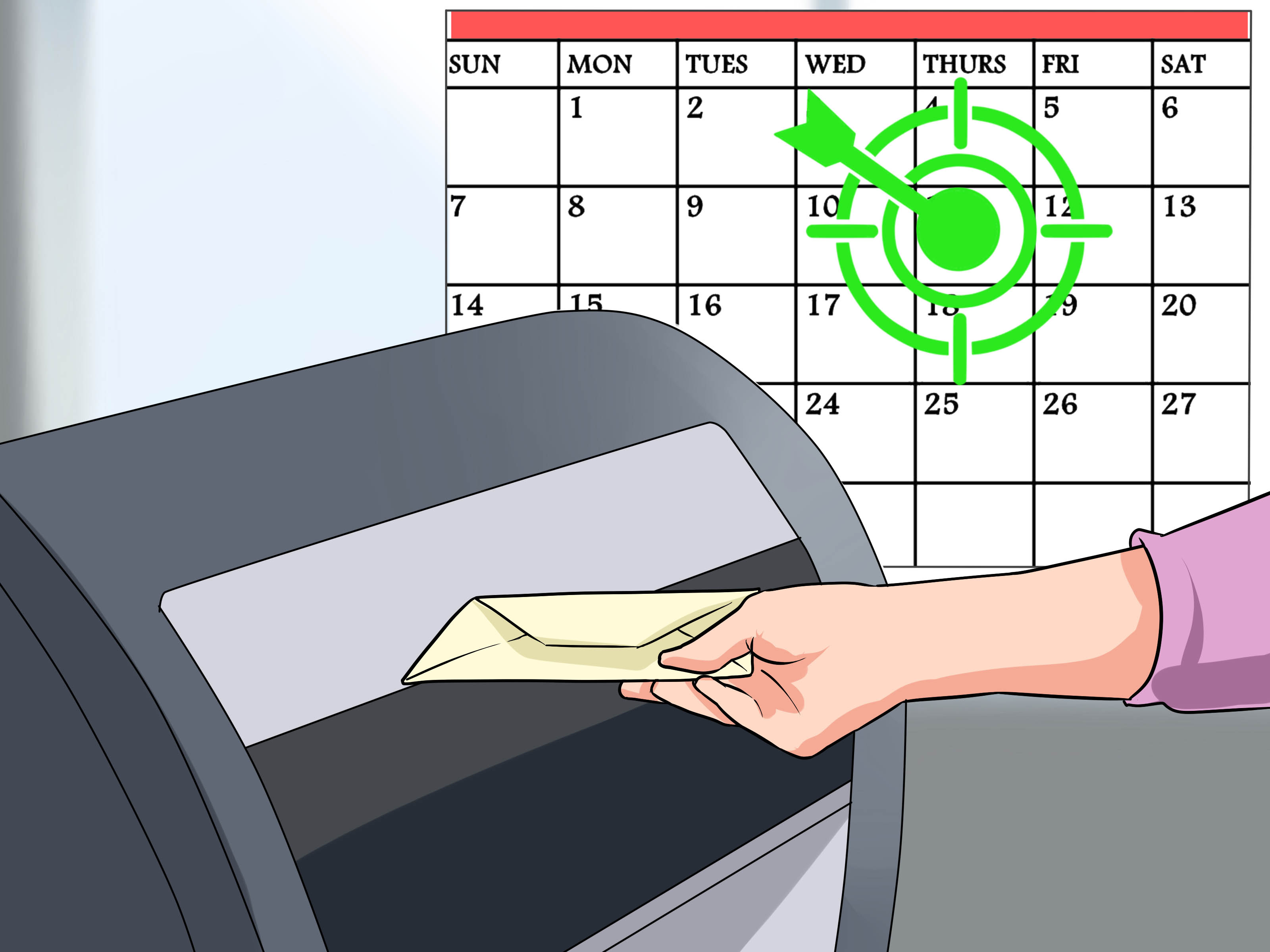
Deadlines are not gentle suggestions. They are doors. Submit early enough to avoid technical problems, payment issues, time zone confusion, internet drama, and the classic midnight panic in which your laptop suddenly decides to update itself like a villain.
Check whether the deadline is listed in Eastern, Central, Mountain, Pacific, or another time zone. Some contests close at midnight local time; others close at 11:59 p.m. Eastern; some close when a submission cap is reached. If you are submitting internationally, convert the time accurately.
Before clicking submit, review the checklist: correct file, correct category, correct title, no identifying information if required, accurate contact details, payment completed, and confirmation received. Save the confirmation email or screenshot. It is not glamorous, but neither is searching your inbox three months later using the word “thingy.”
11. Track Every Submission
A submission tracker is one of the simplest tools that makes you feel like a professional writer. Use a spreadsheet, notebook, project management app, or submission platform dashboard. Track the contest name, host, title submitted, genre, date sent, deadline, fee, response date, result, rights notes, and whether simultaneous submissions are allowed.
This prevents accidental duplicate submissions and helps you understand your own patterns. Maybe your flash fiction gets more attention than your essays. Maybe your poems do better in themed contests. Maybe you are spending too much on contests with very low transparency. Data will not write the story for you, but it will stop your submission life from becoming soup.
Tracking also helps with taxes and recordkeeping if you win prize money. Some contests require tax forms before distributing awards. Keep documentation for fees, prizes, and correspondence, especially if writing is part of your professional activity.
12. Handle Results Like a Writer, Not a Wounded Peacock
Most contest entries do not win. That is not an insult; it is math wearing a black turtleneck. A contest may receive hundreds or thousands of submissions, and only a few can be selected. Excellent work is rejected all the time because of taste, theme, space, judge preference, or the mysterious weather system inside editorial meetings.
If you lose, record the result and send the piece somewhere else if it is still eligible. If you place, celebrate and update your bio. If you win, read the acceptance terms before signing anything, respond promptly, provide requested materials, and promote the news professionally.
Do not argue with judges, demand explanations, or send a twelve-paragraph email explaining why your story deserved better. That email will not change the result. It may, however, become legendary in the wrong way. Rejection is part of the writing business. Treat it as information, not a verdict on your talent.
Common Mistakes to Avoid When Entering Writing Contests
Submitting Work That Does Not Fit
A beautiful essay about grief will not succeed in a humorous flash fiction contest just because it is well written. Fit matters. Always match the piece to the contest’s genre, tone, length, theme, and audience.
Ignoring Anonymity Rules
Blind judging rules are strict. Remove your name from the manuscript, file name, header, footer, and author bio area unless the contest specifically asks for them. When in doubt, separate identifying information from the manuscript.
Overlooking Previously Published Rules
Many contests require unpublished work. Online publication often counts as publication, including blogs, public newsletters, and social media posts. If the rule is unclear, ask the organizer before submitting.
Entering Too Many Expensive Contests
Contest fees add up quickly. Create a monthly or yearly submission budget. Mix paid contests with free opportunities, magazine submissions, grants, fellowships, and open calls.
Not Keeping Copies of Submitted Versions
Save the exact version you submitted. If the piece wins, you need to know which draft the judge selected. This avoids the awkward moment when you realize you have six versions and one of them contains a typo named Gerald.
How to Build a Smart Writing Contest Strategy
A strong contest strategy balances ambition with realism. Choose a few prestigious contests, several mid-level opportunities, and some smaller competitions where your work is a strong fit. Think of it like planting a garden: not every seed sprouts, but you improve your odds by planting carefully and consistently.
Set a submission calendar. Many contests recur annually, so note next year’s dates if you miss this round. Prepare pieces ahead of time instead of writing everything in a caffeine fog the night before. Keep a folder of polished work by genre and length. When a contest opens, you can match the right piece quickly.
Also revisit rejected work. A rejected story may need revision, or it may simply need a better venue. After three to five rejections, reread the piece with fresh eyes. If multiple contests pass on it, strengthen the opening, clarify stakes, sharpen language, or ask for critique. Then send it out again. Persistence is not glamorous, but it is responsible for a suspicious amount of literary success.
Extra Experience: What Writers Learn From Entering Contests
One of the most valuable things about writing contests is that they teach you how to become a better literary citizen. At first, many writers enter contests with one dream: winning. That is understandable. Winning feels wonderful. It gives you validation, a bio credit, possibly money, and a reason to walk around the kitchen saying, “I am an award-winning writer,” while the toaster remains unimpressed. But over time, contests offer lessons that go beyond prizes.
The first lesson is discipline. A deadline turns vague intention into action. Many writers have half-finished pieces sitting in folders with names like “essay idea maybe” or “story about woman and lake???” A contest deadline forces a decision. You revise the piece, finish the ending, cut the lazy paragraph, proofread the dialogue, and make the manuscript presentable. Even if you do not win, you now have a completed work that can be submitted elsewhere.
The second lesson is humility. Contests remind writers that taste varies. A poem rejected by one judge may win another contest six months later. A story that fails in a general competition may shine in a themed issue. This is why experienced writers try not to treat rejection as a personal insult delivered by thunderbolt. Rejection often means “not this time, not this venue, not this judge.” It does not mean “please abandon language and become a chair.”
The third lesson is professionalism. Entering contests teaches you to read guidelines, respect editors’ time, meet deadlines, manage files, track rights, and communicate clearly. These skills matter in every part of a writing career. The same habits help when submitting to magazines, applying for residencies, querying agents, pitching essays, or publishing books. A writer who can follow directions is already ahead of the writer who believes formatting rules are a conspiracy against genius.
The fourth lesson is resilience. Contest results usually take weeks or months. Waiting can be uncomfortable, especially when your imagination keeps producing dramatic scenes in which a judge gasps, calls the committee, and declares your paragraph a national treasure. The healthier approach is to submit, record the entry, and return to writing. New work is the best antidote to anxious waiting. It gives your creative energy somewhere useful to go.
The fifth lesson is discernment. After entering a few contests, you begin to notice patterns. Some organizations communicate well. Some offer thoughtful recognition to finalists. Some publish winners beautifully and promote them with care. Others disappear into silence or provide little value. Your experience helps you choose better contests in the future. You learn which opportunities are worth the fee, which align with your voice, and which belong in the “never again, not even with snacks” folder.
Finally, contests can build community. Reading winners, finalists, and journals introduces you to other writers working in your genre. You may discover publications you love, editors whose taste you trust, and authors whose work inspires you. Even when you do not win, you become more connected to the literary ecosystem. That matters. Writing may happen alone, but publishing is a conversation.
The best mindset is this: enter writing contests as part of a long-term practice, not as a single dramatic test of destiny. Submit strong work. Protect your rights. Track your entries. Learn from each result. Celebrate progress. Then keep writing. The contest is not the whole journey; it is one well-lit doorway along the way.
Conclusion: Submit Bravely, But Read the Fine Print
Learning how to enter writing contests is not just about chasing prizes. It is about choosing the right opportunities, preparing polished work, respecting submission rules, protecting your rights, and building the habits of a serious writer. The process becomes less intimidating when you break it into clear steps: define your goal, research reputable contests, match your genre, study guidelines, revise carefully, format correctly, submit on time, track everything, and keep going after rejection.
Writing contests can open doors, but they reward more than talent. They reward attention, patience, and persistence. Your words deserve a fair shot, so give them one. Send the best version you can, then return to the page. The next contest, the next draft, and the next brave click of the submit button are all part of the same writerly adventure.