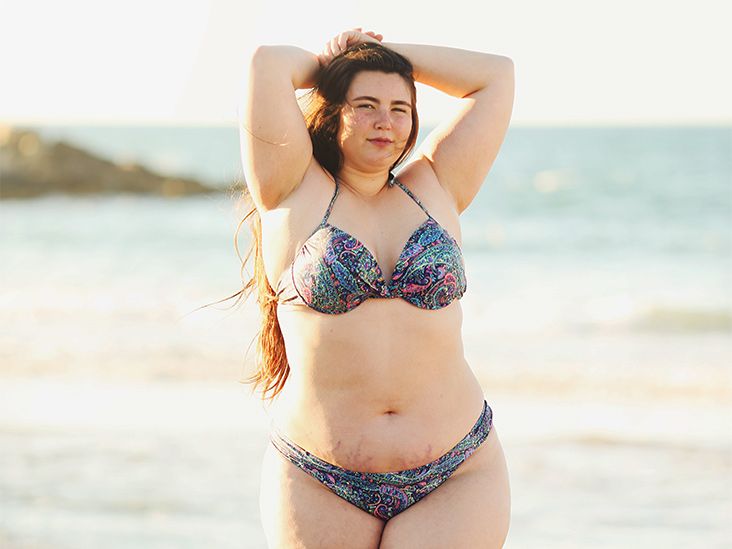
Purple stretch marks can arrive with all the subtlety of a surprise party you did not ask for. One day your skin looks familiar, and the next day there are violet, reddish, or purplish lines across your hips, belly, thighs, breasts, arms, or lower back. Before panic grabs a megaphone, here is the good news: stretch marks are extremely common, usually harmless, and often fade with time.
Medically, stretch marks are called striae distensae. Purple stretch marks are often newer stretch marks, sometimes called striae rubrae, which means they are still in the active stage. They may look red, pink, purple, or dark brown depending on your skin tone. Over months or years, they commonly fade into lighter, silvery, white, or slightly shiny lines known as striae albae.
This guide explains what causes purple stretch marks, who is most likely to get them, when they may signal something medical, and which treatments may help them fade. Spoiler alert: no cream can erase them like a magic wand, but there are smart ways to support your skin and improve their appearance.
What Are Purple Stretch Marks?
Purple stretch marks are narrow streaks or bands that form when the skin stretches or changes faster than its deeper support structure can comfortably handle. Skin is flexible, yes, but it is not made of unlimited elastic waistband material. When collagen and elastin fibers in the dermis are disrupted, stretch marks can form.
The purple color usually means the marks are relatively new. In the early stage, blood vessels and inflammation near the affected area can make the lines look red, violet, or purplish. They may feel slightly raised, itchy, tender, or textured. Over time, inflammation decreases, blood vessel activity settles down, and the color often fades.
Common Places Purple Stretch Marks Appear
Purple stretch marks most often show up in areas where the body stores fat, grows quickly, or experiences repeated stretching. These areas include the abdomen, hips, thighs, buttocks, breasts, upper arms, shoulders, and lower back. In bodybuilders or people who gain muscle quickly, they may appear around the shoulders, chest, or upper arms.
What Causes Purple Stretch Marks?
The main cause of purple stretch marks is rapid stretching of the skin. However, hormones, genetics, medications, and certain health conditions can also play a role. Think of stretch marks as the skin’s receipt for a major body change: pregnancy, puberty, weight fluctuation, muscle gain, or hormonal shifts.
1. Pregnancy
Pregnancy is one of the most common times for stretch marks to appear. As the abdomen expands, the skin stretches quickly. Hormonal changes may also affect collagen and skin elasticity, making stretch marks more likely. Purple stretch marks during pregnancy often appear on the belly, breasts, hips, thighs, and buttocks.
They are not a sign that anything is wrong. In fact, for many people, they are basically the skin’s version of a baby shower decoration. That said, if stretch marks are unusually wide, painful, or accompanied by other symptoms, it is worth asking a healthcare provider.
2. Puberty and Growth Spurts
Teenagers can develop purple stretch marks during puberty because the body may grow faster than the skin can adapt. Boys may notice them on the back, shoulders, thighs, or arms. Girls may see them on the breasts, hips, thighs, or buttocks. These marks often fade naturally with time and usually do not require treatment.
3. Rapid Weight Gain or Weight Loss
Fast weight gain can stretch the skin enough to trigger purple stretch marks. Fast weight loss can also make existing stretch marks more noticeable because the skin changes shape and tension. Gradual, steady weight changes are generally kinder to the skin than dramatic swings.
4. Muscle Growth and Bodybuilding
People who build muscle quickly may develop stretch marks, especially around the arms, chest, shoulders, and thighs. This can happen when muscle size increases faster than the skin can remodel. Anabolic steroid use can increase the risk because it may affect skin structure and hormone levels.
5. Corticosteroid Use
Long-term or high-potency corticosteroid use can increase the risk of stretch marks. This includes some prescription creams, oral steroid medications, and injections when used for extended periods or in high doses. Corticosteroids can reduce collagen production and thin the skin, making it more vulnerable to tearing in the deeper layers.
6. Hormonal and Genetic Conditions
Some medical conditions increase the chance of developing purple stretch marks. Cushing syndrome, which involves prolonged high cortisol levels, can cause wide purple stretch marks, easy bruising, weight changes, and thinning skin. Genetic connective tissue disorders such as Marfan syndrome or Ehlers-Danlos syndrome may also make the skin more prone to stretching and scarring.
Risk Factors for Purple Stretch Marks
Anyone can get stretch marks, but some people are more likely to develop them. Risk factors include being pregnant, having a family history of stretch marks, going through puberty, gaining or losing weight quickly, using corticosteroids, having breast enlargement surgery, bodybuilding, using anabolic steroids, or having conditions that affect collagen and connective tissue.
Genetics matters more than most people want to admit. If your parent, sibling, or close relative has stretch marks, your skin may be more likely to respond the same way. In other words, you can moisturize like a skincare influencer on commission and still get them because your DNA is quietly running the group project.
Are Purple Stretch Marks Dangerous?
Most purple stretch marks are harmless and cosmetic. They do not mean your skin is unhealthy, dirty, damaged beyond repair, or neglected. They are common scars caused by changes in the dermis.
However, you should speak with a healthcare provider if stretch marks appear suddenly without an obvious reason, are very wide and dark purple, come with easy bruising, muscle weakness, a rounded face, high blood pressure, unusual weight gain around the belly, or thinning skin. These signs may point to a hormonal condition such as Cushing syndrome or another medical issue that deserves attention.
Can Purple Stretch Marks Go Away?
Purple stretch marks often fade, but they usually do not disappear completely. Newer purple or red stretch marks tend to respond better to treatment than older white or silver stretch marks. That is because early stretch marks still have more blood vessel activity and active remodeling in the skin.
The goal of treatment is improvement, not perfection. A realistic result may be lighter color, smoother texture, less indentation, and better blending with the surrounding skin. Anyone promising total removal with a single cream, device, or secret celebrity oil is probably selling confidence in a jar.
Treatment Options for Purple Stretch Marks
Treatment depends on your skin type, how new the stretch marks are, your budget, whether you are pregnant or breastfeeding, and how much the marks bother you. Many people choose no treatment at all, which is completely valid. Stretch marks are normal. But if you want to fade them, several options may help.
1. Moisturizers and Barrier Support
Moisturizers cannot erase stretch marks, but they can reduce dryness, itching, and irritation. Hydrated skin often feels more comfortable and may look smoother. Ingredients such as ceramides, glycerin, petrolatum, shea butter, and hyaluronic acid can support the skin barrier.
For best results, apply moisturizer after showering while the skin is slightly damp. Massage it gently into the area. The massage itself may improve comfort, although evidence that massage prevents stretch marks is limited.
2. Retinoids and Retinol
Prescription tretinoin and over-the-counter retinol may help improve newer stretch marks by supporting collagen production and skin turnover. These ingredients are generally more useful for purple or red stretch marks than for older white marks.
Important safety note: retinoids are not recommended during pregnancy and are usually avoided while breastfeeding unless a healthcare provider says otherwise. They can also irritate sensitive skin, so start slowly and use sunscreen during the day.
3. Hyaluronic Acid
Hyaluronic acid is a hydrating ingredient that may help improve the look and feel of early stretch marks. It does not rebuild skin overnight, but it can help the surface look plumper and less dry. It is often found in serums, creams, and body lotions.
4. Laser Therapy
Laser treatments are among the most commonly used professional options for stretch marks. Pulsed dye lasers may help reduce redness or purple color in newer marks, while fractional lasers can stimulate collagen remodeling and improve texture. Multiple sessions are usually needed.
Laser treatment should be performed by a qualified dermatologist or trained professional, especially for darker skin tones, because some lasers can increase the risk of hyperpigmentation or light spots if used incorrectly.
5. Microneedling
Microneedling uses tiny needles to create controlled micro-injuries in the skin. This may encourage collagen and elastin production, helping stretch marks look smoother over time. Radiofrequency microneedling adds heat energy and may offer additional tightening or remodeling benefits.
As with laser therapy, microneedling usually requires several sessions. Results appear gradually because collagen remodeling is not a microwave dinner; it takes time.
6. Microdermabrasion and Chemical Peels
Microdermabrasion exfoliates the outer layer of skin and may improve texture slightly. Chemical peels can also help resurface the skin, although results vary. These treatments are generally more modest than laser or microneedling options for deeper stretch marks.
7. Self-Tanner and Cosmetic Camouflage
Self-tanner will not treat stretch marks, but it can make them less noticeable. This is often a simple option for people who want temporary blending before a beach trip, event, photo shoot, or Tuesday morning mirror negotiation.
Choose a gradual self-tanner and test a small area first. Avoid tanning beds, which can damage skin and may make stretch marks stand out more because scar tissue often tans differently than surrounding skin.
Can You Prevent Purple Stretch Marks?
There is no guaranteed way to prevent stretch marks. Still, a few habits may support skin health and reduce risk. Aim for gradual weight changes when possible, follow pregnancy weight-gain guidance from your healthcare provider, stay hydrated, eat a nutrient-rich diet, use moisturizer to reduce dryness, and avoid unsupervised steroid use.
Nutrients that support skin structure include protein, vitamin C, zinc, and healthy fats. These do not act like anti-stretch-mark armor, but they do help the body maintain collagen and repair tissue. Skin health is a whole-body project, not just a bathroom-shelf situation.
When to See a Dermatologist
Consider seeing a dermatologist if your purple stretch marks appeared suddenly, are spreading quickly, are very wide, or are causing emotional distress. A dermatologist can confirm whether they are ordinary stretch marks and recommend treatment options based on your skin tone, medical history, and goals.
You should also seek medical advice if stretch marks appear along with symptoms such as easy bruising, muscle weakness, irregular periods, high blood pressure, new diabetes, unusual facial rounding, or rapid weight gain around the midsection. These may signal a hormone-related condition that requires medical care.
Common Myths About Purple Stretch Marks
Myth 1: Only Pregnant People Get Stretch Marks
Not true. Teens, men, athletes, bodybuilders, people who gain or lose weight, and people using corticosteroids can all develop stretch marks.
Myth 2: Stretch Marks Mean You Did Something Wrong
Also false. Stretch marks are influenced by genetics, hormones, growth, and skin structure. They are not a moral failing. Your skin is not writing a performance review.
Myth 3: Expensive Creams Can Remove Stretch Marks Completely
No topical product has been proven to completely remove stretch marks. Some ingredients may improve newer marks, but professional procedures usually offer stronger results.
Myth 4: Purple Stretch Marks Stay Purple Forever
Most purple stretch marks fade over time. They may become lighter, flatter, and less noticeable, although the timeline varies from person to person.
Living With Purple Stretch Marks: Realistic Experiences and Practical Lessons
Many people first notice purple stretch marks during a season of change. A teenager may spot them across the lower back after a summer growth spurt. A pregnant person may find them blooming across the belly in the third trimester. Someone starting a strength-training routine may notice violet lines near the shoulders after months of progress. At first, the reaction is often the same: “Wait, when did those get here?”
The emotional experience can be surprisingly intense. Stretch marks are harmless, but they show up on the body in a very visible way. They can make people feel as if their skin changed without permission. Some feel embarrassed in swimsuits, avoid shorts, or compare themselves to filtered photos online. That comparison is especially unfair because real skin has texture, color variation, scars, pores, bumps, and stories. Social media skin often has the realism level of a cartoon dolphin.
A common experience is trying every cream in the cabinet. Cocoa butter, oils, body lotions, vitamin E products, and fancy jars with names that sound like luxury desserts often get a chance. Moisturizing can absolutely help with itchiness and dryness, and it can make skin feel more comfortable. But many people learn that creams alone do not erase stretch marks. This does not mean the cream “failed.” It means stretch marks form in the dermis, deeper than most topical products can fully reach.
People who treat purple stretch marks early often report better improvement than those who wait until the marks turn white. This makes sense because newer marks are still active. Someone using a dermatologist-recommended retinoid after pregnancy or weight change may see gradual softening and fading over several months. Another person may choose pulsed dye laser or microneedling and notice that the purple color becomes less obvious. Results are rarely instant. Stretch mark improvement is more like watching grass grow than flipping a light switch.
Cost is another real-world factor. Professional treatments can be expensive, and insurance usually does not cover cosmetic stretch mark treatment. Multiple sessions may be needed, so a dermatologist consultation is useful before spending money. A good provider will explain expected improvement, possible side effects, and whether the treatment is appropriate for your skin tone. This matters because aggressive treatments can cause pigmentation changes, especially in deeper skin tones.
Many people eventually settle into a balanced approach: moisturize for comfort, protect skin from sun damage, consider treatment if the marks truly bother them, and stop treating stretch marks like a personal enemy. For some, fading them is empowering. For others, accepting them is the bigger relief. Both choices are valid. The best approach is the one that supports your health, budget, confidence, and peace of mind.
Purple stretch marks may feel dramatic when they first appear, but they are usually just evidence that your body changed. Bodies grow, shrink, stretch, heal, carry babies, lift weights, recover from illness, and move through life. Stretch marks are part of that record. You can treat them, ignore them, cover them, or celebrate them. The important thing is knowing what they mean, what options exist, and when to ask a professional for help.
Conclusion
Purple stretch marks are common, usually harmless, and often linked to rapid skin stretching, hormonal changes, pregnancy, puberty, weight changes, muscle growth, corticosteroid use, or certain medical conditions. Their purple color usually means they are newer and may respond better to treatment than older white or silvery marks.
While no treatment can guarantee complete removal, options such as moisturizers, retinoids, hyaluronic acid, laser therapy, microneedling, chemical peels, and cosmetic camouflage may help improve their appearance. The smartest plan is realistic: support your skin, treat early if you want better results, avoid unsafe products, and see a dermatologist if stretch marks appear suddenly or come with concerning symptoms.
Most importantly, stretch marks are normal. They do not make your skin broken. They make your skin human.