Being the president or CEO of a SaaS-based startup comes with a strange wardrobe challenge: you are expected to look credible enough to manage revenue, product strategy, investors, hiring, customer churn, and possibly a coffee machine that stopped working during a demo day. Yet if you walk into every meeting dressed like a Wall Street banker from 1987, people may wonder whether your software ships in a briefcase.
So, what should a SaaS startup CEO wear to meetings? The practical answer is: dress one level more polished than your audience expects, while still looking like the person who understands your product, your market, and your company culture. Your clothes should not shout. They should quietly say, “I am competent, prepared, and unlikely to accidentally delete the production database.”
For most SaaS founders, the winning formula is modern business casual: clean, fitted, comfortable, intentional, and adaptable. A blazer, sharp shirt, quality knit, polished shoes, dark jeans or tailored trousers, and simple accessories can take you from investor pitch to customer call to board meeting without making you look like you are wearing someone else’s LinkedIn profile photo.
Why CEO Meeting Attire Matters in a SaaS Startup
In software, people often say, “The product should speak for itself.” Truebut before your product speaks, you usually do. Your appearance becomes part of the first impression package: your handshake, your Zoom background, your opening sentence, your slide deck, and yes, your shirt that may or may not have survived a laundry cycle.
Meeting attire does not replace performance. No blazer can fix weak retention metrics, vague positioning, or a pitch deck with 47 slides titled “Market Opportunity.” However, the right outfit reduces friction. It helps investors, enterprise buyers, partners, and senior hires focus on your message instead of wondering whether you dressed for a board meeting or a weekend grocery run.
For a SaaS CEO, clothing is a signal. It shows respect for the room, awareness of context, and judgment. That last word matters. Investors and clients are not secretly grading your socks, but they are constantly evaluating judgment. If you can read the room visually, you are more likely to read the market, the buyer, and the moment.
The Golden Rule: Dress for the Stakeholder, Not Your Ego
The biggest mistake startup CEOs make is dressing only for their own identity. Authenticity matters, but so does audience awareness. A founder meeting early-stage engineers at a coworking space can dress differently from a founder pitching procurement leaders at a Fortune 500 company.
Think of meeting attire as product positioning. You would not use the same sales copy for a seed investor, a hospital CIO, and a startup accelerator mentor. Your outfit should also adjust. The goal is not costume design. The goal is alignment.
For Investor Meetings
For most SaaS investor meetings, choose polished startup casual. That might mean dark jeans or tailored chinos, a crisp button-down or premium knit polo, clean leather sneakers or loafers, and a lightweight blazer. You want to look serious, but not stiff. Venture investors are used to founders who build fast, travel light, and live inside product dashboards. A full formal suit may work in fintech, legal tech, or enterprise security, but for many SaaS categories, it can feel slightly overcooked.
A safe founder outfit for an investor pitch is a navy blazer, white or light-blue shirt, dark denim or charcoal trousers, and clean loafers. It says, “I know my ARR, CAC, LTV, and how to use an iron.” That is a powerful sentence.
For Enterprise Client Meetings
Enterprise buyers usually expect more polish. If you are selling to banks, insurance companies, healthcare systems, government agencies, or large B2B organizations, lean toward business professional or elevated business casual. A structured jacket, pressed shirt, tailored trousers, and dress shoes are smart choices.
The reason is simple: enterprise buyers are not only buying software. They are buying risk reduction. Your appearance should reinforce reliability. If your SaaS platform handles compliance, data security, payroll, finance, patient communication, or mission-critical operations, looking too casual may create unnecessary doubt. Nobody wants their cybersecurity vendor to look like he wandered in from a skateboard repair shop, even if the skateboard repair shop has excellent Wi-Fi.
For Internal Team Meetings
Internal meetings allow more flexibility, especially in product-led SaaS companies. You do not need to wear a blazer to discuss sprint planning unless your backlog has become emotionally formal. However, as CEO, you still set the tone. If the team sees you as consistently sloppy, scattered, or visibly unprepared, that can influence culture.
A simple internal uniform works well: clean T-shirt or polo, overshirt or cardigan, dark jeans or chinos, and neat sneakers. The key word is clean. Startup culture may forgive casual. It rarely benefits from careless.
The Best SaaS CEO Meeting Wardrobe
You do not need a giant wardrobe. In fact, most startup CEOs benefit from a repeatable uniform. Decision fatigue is real. You already make enough decisions about hiring, roadmap priorities, pricing, runway, and whether “AI-powered” belongs on the homepage for the fourth time.
1. The Modern Blazer
A blazer is the fastest way to upgrade almost any CEO outfit. Choose navy, charcoal, medium gray, or textured neutral fabrics. Avoid anything too shiny, too tight, or too dramatic unless your SaaS product is literally for fashion buyers. A relaxed, unstructured blazer works well because it looks professional without screaming “annual shareholder meeting.”
2. Crisp Shirts and Smart Knits
Button-down shirts are reliable for investor meetings, client calls, and conferences. White, light blue, subtle stripes, and soft neutrals are easy to pair. For a more modern look, premium knit polos, merino sweaters, and fine-gauge crewnecks also work well. They photograph nicely on video calls and feel less rigid than traditional dress shirts.
3. Dark Jeans, Chinos, or Tailored Trousers
Dark, well-fitted jeans are acceptable in many SaaS environments, especially with a blazer and polished shoes. Avoid distressed denim, baggy fits, loud washes, or jeans that look like they were personally attacked by a lawn mower. Chinos and tailored trousers are safer for enterprise meetings and board discussions.
4. Shoes That Look Intentional
Shoes quietly reveal effort. Clean leather sneakers, loafers, Chelsea boots, oxfords, or minimal dress shoes all work depending on the meeting. Avoid dirty sneakers, flip-flops, hiking sandals, and anything that makes a squeaking sound on polished floors. Your shoes should not become the loudest person in the room.
5. Simple Accessories
A good watch, clean belt, quality bag, subtle jewelry, and well-maintained glasses can elevate your executive presence. Keep logos minimal. SaaS buyers and investors generally respond better to restraint than flash. You want to look successful, not like you just closed a round and immediately sprinted into a luxury mall.
What to Wear on Zoom and Hybrid Meetings
For remote SaaS meetings, your upper half does most of the work. That does not mean you should ignore the lower half entirely. Emergency standing happens. Cameras fall. Life is cruel.
On video calls, choose solid colors, clean collars, structured knits, and jackets that frame your face. Avoid tiny patterns that shimmer on camera, overly bright whites that glare, and hoodies that blend into your chair. Your background, lighting, and posture matter too. A CEO in a plain navy sweater with good lighting will usually look more credible than a CEO in an expensive suit sitting in front of a laundry avalanche.
For investor Zoom calls, a blazer over a knit or shirt is a simple win. For customer demos, dress in a way that matches the customer’s level of formality. For internal meetings, stay relaxed but camera-ready. The SaaS CEO meeting outfit should support clarity, not become a distraction.
Meeting Outfit Examples for SaaS Presidents and CEOs
Seed Investor Pitch
Wear a navy blazer, white button-down shirt, dark jeans, and clean leather sneakers or loafers. This creates a confident startup CEO outfit that feels polished but still founder-friendly.
Series A Board Meeting
Choose a charcoal blazer, fine-gauge sweater or pressed shirt, tailored trousers, and loafers. This look signals maturity, especially when discussing burn rate, hiring plans, and revenue targets.
Enterprise Sales Meeting
Wear a structured jacket, light shirt, tailored trousers, and dress shoes. If the client is conservative, add a tie or choose a full suit. In enterprise SaaS, trust is part of the product experience.
Startup Conference Panel
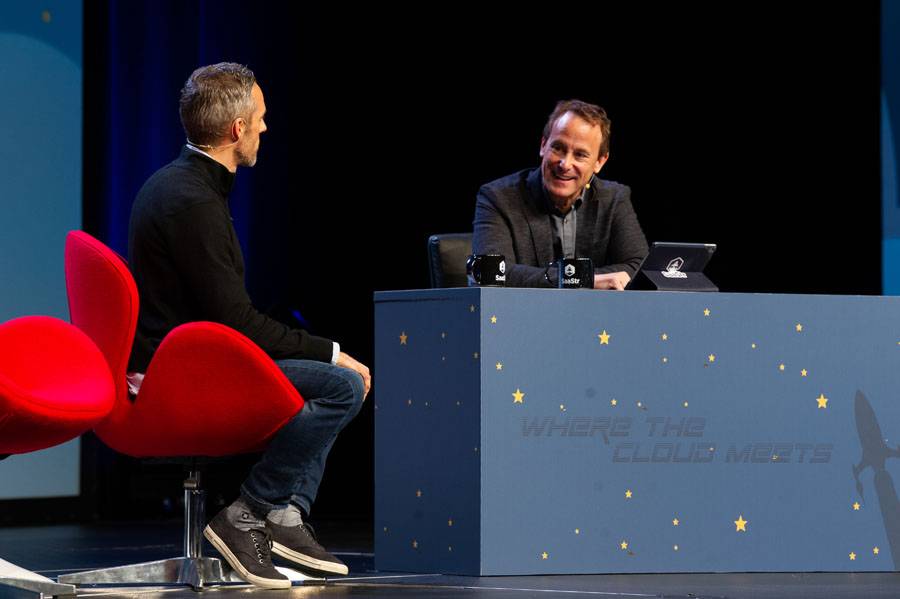
Try a modern blazer, premium T-shirt or knit polo, dark jeans, and clean sneakers. You will look approachable on stage and professional in photos. Conference photos live forever, so dress like Google Images has a memory.
Casual Product Team Workshop
A clean T-shirt, overshirt, chinos, and minimalist sneakers are enough. You should look comfortable and practical, not like you are about to announce a merger during a whiteboard session.
What SaaS CEOs Should Avoid Wearing to Meetings
Avoid wrinkled shirts, scuffed shoes, loud logos, gym clothes, novelty T-shirts, distressed jeans, visible stains, overly strong fragrance, and anything too tight or too oversized. Comfort matters, but comfort is not the same as looking like your calendar betrayed you.
Also avoid dressing in a way that contradicts your company’s promise. If you sell premium enterprise software, extreme casualness can clash with the trust you are trying to build. If you sell creative collaboration tools, a rigid corporate suit may feel disconnected from your brand. Your outfit should be a visual extension of your positioning.
How to Build a Founder Uniform
A founder uniform is a repeatable set of outfits that reduces mental clutter and builds visual consistency. It does not have to be boring. It simply has to work. Many successful leaders develop recognizable style patterns because consistency helps them show up quickly and confidently.
Start with two blazers, five shirts or knits, three pairs of trousers or dark jeans, two pairs of shoes, and one quality bag. Keep the colors easy to mix: navy, white, gray, black, olive, beige, and light blue. Add personality through texture, watches, glasses, subtle patterns, or one signature item.
The ideal SaaS CEO wardrobe should be flexible enough for travel, durable enough for long days, and polished enough for surprise meetings. If an investor texts, “Can you meet in 30 minutes?” your closet should not turn into a suspense thriller.
Executive Presence Is Bigger Than Clothing
Clothing opens the door, but behavior keeps it open. Executive presence includes preparation, listening, clear speech, confident body language, emotional control, and the ability to make complex ideas simple. The best outfit in the world will not save a CEO who cannot explain the product, the customer, the numbers, or the strategy.
Still, attire can support executive presence. When you know you look appropriate, you stop thinking about your outfit and start focusing on the meeting. That confidence is useful. It frees your attention for the room, the questions, the objections, and the opportunity.
Practical Experiences: What SaaS CEOs Learn by Dressing for Meetings
One useful lesson many startup CEOs learn is that “casual” has different meanings in different rooms. A hoodie may feel normal in a product standup, acceptable at a developer conference, questionable at a bank headquarters, and deeply confusing at a government procurement meeting. The same person, same company, and same product can be perceived differently depending on the visual context. That does not mean you should become fake. It means you should become fluent.
In early founder life, it is tempting to treat clothing as unimportant because the work feels urgent. You are fixing bugs, chasing leads, helping customer success, updating pitch materials, hiring, and wondering whether your pricing page is helping or quietly committing crimes. But after enough meetings, patterns appear. The best-dressed founder is not always the most formal. The best-dressed founder is the one whose outfit disappears into credibility.
For example, imagine walking into a first meeting with a mid-market CFO. You are selling subscription analytics software. If you wear ripped jeans, a faded T-shirt, and muddy sneakers, the CFO may still listenbut you have made the conversation harder. They now have to reconcile your appearance with their need for financial accuracy and vendor reliability. If instead you wear dark trousers, a clean shirt, a soft blazer, and polished shoes, the CFO spends less mental energy evaluating you and more energy evaluating your solution.
Another common experience: founders often overdress for their first investor meeting and underdress for their tenth. The first meeting may include a stiff suit, shiny shoes, and the energy of someone attending both a pitch and a wedding. Later, after observing the startup ecosystem, the founder may swing too far in the opposite direction: hoodie, messy hair, tired sneakers, and a backpack full of adapters. Eventually, the mature CEO finds the middle: relaxed, sharp, and deliberate.
Travel teaches its own wardrobe lessons. A SaaS CEO flying to three cities in four days needs clothing that resists wrinkles, layers easily, and works across climates. A navy blazer, knit polo, dark trousers, and loafers can handle an airport lounge, lunch with a partner, an investor coffee, and a customer dinner. This is not glamorous, but neither is trying to steam a shirt in a hotel bathroom while reviewing churn data.
Women founders and executives often face additional scrutiny around appearance, which makes the “what to wear” question more complicated. The best strategy is not to erase personal style but to make choices that feel strong, comfortable, and aligned with the audience. Structured blazers, tailored pants, midi dresses, polished flats, loafers, low heels, refined knits, and simple accessories can create authority without sacrificing individuality. The principle remains the same: dress so your expertise gets the spotlight.
For technical founders, the biggest shift is understanding that clothing is not vanity; it is communication. Engineers appreciate efficiency, and a good wardrobe is efficient. A repeatable outfit system removes the need to invent a new look before every meeting. It also prevents last-minute panic, which is important because panic pairs poorly with enterprise demos.
The most practical experience-based rule is this: when unsure, dress slightly more polished than the person you are meeting, but not so polished that you look disconnected from your startup. A blazer can always come off. A wrinkled T-shirt cannot magically become a blazer, unless your SaaS platform has entered the textile automation market, in which case congratulations on the pivot.
Conclusion: The Best CEO Outfit Is Strategic, Not Stuffy
As the president or CEO of a SaaS-based startup, you should wear meeting attire that communicates credibility, context awareness, and confidence. For most situations, modern business casual is the sweet spot: blazer optional but powerful, shirt or smart knit, tailored trousers or dark jeans, clean shoes, and minimal accessories.
Dress more formally for enterprise clients, board meetings, regulated industries, and high-stakes fundraising. Dress more casually for internal sessions, technical workshops, and creative startup environments. Above all, dress intentionally. Your wardrobe should support your message, not compete with it.
The right SaaS CEO meeting attire does not make you a better leader by itself. But it helps people take the meeting seriously, trust your judgment faster, and focus on what matters: the product, the customer problem, the business model, and the future you are building. In startup life, that is a pretty good return on a blazer.
Note: This article is written for publication and synthesizes current best practices in startup leadership, business casual attire, investor meeting preparation, executive presence, and modern SaaS workplace culture.