Touring a modern new construction home in Richmond, VA feels a little like opening a freshly delivered packageexcept the package has quartz countertops, better lighting, and a garage that somehow makes you believe you will finally organize your life. Richmond has long been loved for its historic row houses, brick sidewalks, mature trees, and neighborhoods with more character than a Southern grandmother’s recipe box. But lately, new construction homes have been stepping confidently into the spotlight.
From sleek infill homes near Church Hill and Manchester to suburban-style communities in Henrico, Chesterfield, Hanover, and Goochland, the Richmond housing market gives buyers a fascinating mix: old-city charm outside, modern convenience inside. A buyer can wake up near the James River, work from a dedicated home office, cook in an open-concept kitchen, and still be within reach of restaurants, breweries, museums, parks, and commuter routes.
This tour is not just about admiring pretty cabinets and pretending not to touch the perfectly staged throw pillows. It is about understanding what makes a modern new construction home in Richmond VA attractive, what buyers should inspect carefully, and how the local market shapes the experience.
Why Richmond VA Is A Hot Spot For New Construction Homes
Richmond is not a sleepy little capital city anymore. It has become a magnet for buyers who want culture, jobs, food, outdoor recreation, and a slightly lower cost of living than many larger East Coast metros. The city offers a rare blend of urban lifestyle and neighborhood comfort. You can spend the morning touring a new townhome, the afternoon walking along the James River, and the evening arguing with friends about the best restaurant in Scott’s Addition. That is practically a full Richmond personality test.
Housing demand remains strong across the region. Market reports in 2026 continue to describe Richmond as competitive, with homes often moving quickly when they are well priced, well located, and move-in ready. New construction homes are especially appealing because they answer one of the biggest buyer concerns: maintenance. Instead of wondering how old the roof is, buyers can focus on floor plans, finishes, warranties, energy efficiency, and whether the pantry can handle a wholesale snack habit.
The Appeal Of New Builds In A Historic City
Richmond’s architectural identity is deeply tied to historic homes. The Fan, Museum District, Church Hill, and parts of Northside are known for brick, porches, tall windows, and old-house details that make people say, “They don’t build them like this anymore.” That is true. They also did not always build them with walk-in closets, modern insulation, EV-ready garages, and laundry rooms that do not require a flashlight and a prayer.
Modern new construction gives buyers the chance to enjoy Richmond’s location and lifestyle without inheriting every century-old surprise. Infill builders often design homes that respect the rhythm of existing neighborhoods while adding modern layouts. Suburban communities, meanwhile, may offer larger lots, community amenities, and floor plans built for today’s flexible lifestyles.
First Impression: Curb Appeal With A Modern Richmond Twist
The first thing you notice when touring a modern new construction home in Richmond VA is the exterior. Many newer homes use clean lines, mixed materials, black window frames, fiber-cement siding, metal roof accents, covered porches, and bold front doors. The style is modern, but not cold. Richmond buyers often prefer homes that feel current while still fitting into the city’s neighborhood fabric.
In urban infill areas, curb appeal may come from vertical design, front porches, compact landscaping, and smart use of a narrow lot. In larger communities outside the city core, the home may feature a two-car garage, wider driveway, stone accents, and outdoor living areas. Either way, a strong first impression matters. The exterior should feel intentional, not like the builder clicked “randomize” on a design app.
What To Look For Outside
Before walking in, pay attention to drainage, grading, exterior materials, window placement, driveway slope, porch depth, and the relationship between the home and neighboring properties. In Richmond, where rain, humidity, and seasonal temperature swings are normal, water management matters. Proper grading and gutters may not be glamorous, but neither is discovering a drainage issue after moving in.
Inside The Home: Open, Bright, And Built For Real Life
Step inside and the modern new construction formula becomes clear: light, flow, storage, and flexibility. Many Richmond new builds feature open living areas where the kitchen, dining space, and family room connect. This layout works well for entertaining, supervising kids, hosting holidays, or pretending you are the kind of person who casually serves charcuterie on a Tuesday.
Large windows are a major selling point. Natural light makes a home feel bigger, cleaner, and more welcoming. Builders often pair that light with neutral paint colors, wide-plank flooring, recessed lighting, and simple trim. The goal is a blank canvas buyers can personalize without immediately needing a renovation budget.
The Modern Kitchen: The Star Of The Tour
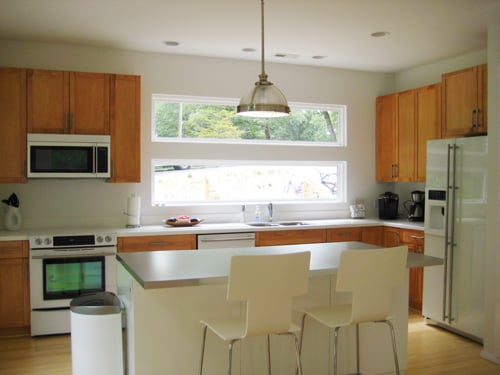
In most new construction homes, the kitchen is where the builder tries to win your heart. Expect large islands, quartz or granite countertops, tile backsplashes, stainless steel appliances, soft-close cabinets, walk-in pantries, and pendant lighting. The island often becomes the home’s command center: breakfast spot, homework station, party buffet, laptop zone, and emotional support surface.
When touring, look beyond the sparkle. Open every cabinet. Check outlet placement. Stand at the sink and imagine daily use. Is the dishwasher easy to unload? Is the trash pullout convenient? Is there enough pantry space? A beautiful kitchen should not only photograph well; it should survive real life, including spaghetti night.
Living Spaces That Balance Open Concept And Privacy
Modern floor plans are evolving. Buyers still love open-concept living, but they also want defined spaces. A completely open home can look stunning, but when someone is on a work call, a dog is barking, and a blender is making a smoothie that sounds like a lawn mower, walls suddenly become very fashionable.
Many newer Richmond homes now include flex rooms, lofts, pocket offices, first-floor guest suites, or bonus rooms. These spaces are valuable because households change. Today’s office may become tomorrow’s nursery, hobby room, home gym, or quiet room where adults hide from laundry.
Home Office Potential
Remote and hybrid work have made the home office a must-have feature. During a tour, check whether the office has natural light, privacy, sufficient outlets, and strong internet access. A desk shoved into a hallway is not the same as a real workspace, no matter how many motivational mugs are nearby.
Bedrooms And Bathrooms: Comfort Meets Function
The primary suite in a modern new construction home in Richmond VA is usually designed as a retreat. Common features include tray ceilings, large windows, walk-in closets, double vanities, tiled showers, soaking tubs in some floor plans, and private toilet rooms. Buyers love these details because they create a sense of calmat least until someone asks where the clean towels are.
Secondary bedrooms should also be evaluated carefully. Are they large enough for beds, desks, and storage? Are closets practical? Is there enough bathroom access for family members or guests? A home can look spacious online, but touring in person reveals whether the layout actually works.
Laundry Room Location
Do not underestimate the laundry room. Upstairs laundry near bedrooms can be incredibly convenient. Mudroom-style laundry near the garage can be useful for active households. Either way, look for ventilation, shelving, folding space, and room to move. A laundry closet that requires acrobatics may not feel modern for long.
Energy Efficiency And Building Codes Matter
One of the strongest benefits of new construction is that the home is built under newer standards than many older properties. Virginia uses statewide building code requirements, and current homes must comply with modern structural, mechanical, electrical, plumbing, and energy-related provisions. In Richmond, building permits are required for new construction, and separate trade permits typically apply for electrical, mechanical, and plumbing work.
For buyers, this means the home should include updated systems, better insulation, modern windows, efficient HVAC equipment, and safer wiring than many older homes. That does not mean buyers should skip inspections. New does not automatically mean flawless. Even brand-new homes can have punch-list items, from paint touch-ups to grading corrections. Think of it like buying a new phone: shiny, exciting, but still worth checking before you throw away the receipt.
Questions To Ask About Efficiency
Ask about insulation values, window specifications, HVAC sizing, appliance efficiency, smart thermostat compatibility, water heater type, and whether the garage is wired for future EV charging. Energy-efficient features may help reduce monthly utility costs and improve comfort during Richmond’s humid summers and chilly winter snaps.
Warranties: The Quiet Hero Of New Construction
New construction homes often come with builder warranties. Many warranties follow a general pattern: shorter coverage for workmanship and materials, longer coverage for major systems, and extended protection for structural components. Buyers should always read the warranty documents carefully because coverage varies by builder, product, and contract.
A warranty is not a magic wand, but it is valuable. During your tour, ask about the builder’s post-closing service process. How are repairs submitted? What is the timeline? Is there an 11-month warranty walkthrough? A builder’s reputation for handling issues after closing can matter as much as the finishes installed before closing.
Neighborhood Context: Where The Home Sits Matters
A beautiful new home is only part of the decision. Richmond is a neighborhood-driven city, and location influences daily life. A modern home in Manchester may appeal to buyers who want proximity to downtown, river views, and redevelopment energy. A home near Church Hill may offer historic charm, restaurants, parks, and skyline views. Scott’s Addition attracts people who like breweries, apartments, adaptive reuse, and the possibility of parallel parking as a competitive sport.
Families may look toward areas with larger homes, schools, and quieter streets in Henrico, Chesterfield, Hanover, or Goochland. Buyers who want walkability may prioritize city neighborhoods near cafes, parks, transit, and local shops. There is no universal “best” Richmond neighborhood. There is only the best fit for your lifestyle, commute, budget, and tolerance for hearing people discuss brunch plans.
Outdoor Lifestyle Near The James River
Richmond’s outdoor lifestyle is a major bonus for homebuyers. The James River Park System offers hundreds of acres of trails, river access, biking, kayaking, climbing, and scenic views in the middle of the city. For many buyers, access to parks and recreation is not a luxury; it is part of the reason they choose Richmond over more congested metros.
Modern Design Details Buyers Love
During a new construction tour, certain details tend to stand out. Black-framed windows, matte hardware, waterfall islands, statement lighting, built-in shelving, covered patios, mudrooms, walk-in pantries, and spa-style showers all create a sense of polish. Smart home features are also common, including video doorbells, programmable thermostats, keyless entry, structured wiring, and security prewiring.
Storage is another big deal. Buyers may fall in love with a kitchen, but they stay loyal because of closets. A good modern home should include storage for coats, cleaning supplies, holiday decorations, sports equipment, tools, and the mysterious pile of cables every household refuses to throw away.
Potential Drawbacks Of New Construction In Richmond VA
New construction has many advantages, but buyers should keep their eyes open. Some new communities may have homeowners association fees, architectural rules, unfinished nearby lots, construction noise, or limited mature landscaping. Infill homes may have smaller yards, tight parking, or design limitations due to lot size.
Upgrades can also change the final price quickly. The model home may include premium flooring, upgraded cabinets, designer lighting, luxury appliances, and landscaping that are not part of the base package. Always ask what is standard and what is optional. Model homes are professionally dressed to impress; they are the real estate version of showing up to brunch in your best outfit.
Inspection Still Matters
Hire an independent inspector even for a brand-new home. Ideally, buyers should consider inspections at key stages when possible: pre-drywall, final walkthrough, and before the builder warranty period expires. An inspector can identify issues that are easy to miss during an emotional tour, especially when the kitchen island is whispering, “Buy me.”
How To Tour A Modern New Construction Home Like A Pro
Arrive prepared. Bring a checklist, measuring tape, phone charger, and a realistic understanding of your budget. Take photos or videos, but also pause and experience the space. Walk through your daily routine. Where do groceries go when you enter? Where do shoes land? Where will guests park? Can the dining area fit your table? Is the backyard usable? Does the home feel good when you are not staring at the staged decor?
Ask direct questions about pricing, incentives, closing costs, preferred lenders, upgrade packages, lot premiums, estimated taxes, HOA rules, warranty terms, and completion timelines. If the home is already built, ask for the final specifications. If it is under construction, ask how changes are handled and when decisions must be made.
Extra Experience: What It Feels Like Touring A Modern New Construction Home In Richmond VA
The experience of touring a modern new construction home in Richmond VA is part research mission, part daydream, and part detective work. The first few minutes are usually emotional. You walk through the front door, smell fresh paint, see sunlight bouncing off new floors, and immediately imagine yourself becoming the kind of person who keeps fresh lemons in a bowl. This is normal. New homes are designed to make your future look organized.
But the best tours happen when you slow down. Start at the entryway and ask whether it works for daily life. In Richmond, where people may come home from river trails, rainy sidewalks, soccer practice, or a grocery run from Carytown, a practical drop zone is valuable. A mudroom, coat closet, or built-in bench can make the difference between “welcome home” and “why is there a shoe in the kitchen?”
In the kitchen, do not just admire the countertops. Imagine cooking dinner while someone else unloads groceries. Open the pantry and picture real food inside, not just three staged jars of pasta. Check whether the island has seating, storage, and outlets. A great Richmond new build kitchen should support entertaining, casual meals, and the occasional emergency pizza night after a long day.
When you reach the living room, listen. Can you hear traffic? Construction nearby? HVAC noise? Richmond has lively neighborhoods, and sound can vary from block to block. A home near a busy corridor may offer convenience, but buyers should know what daily noise feels like. On the other hand, a quiet street may feel peaceful but require more driving. Touring is about trade-offs.
Upstairs, spend time in the primary suite. Stand where the bed would go. Check wall space, outlet placement, closet flow, and bathroom lighting. A glamorous bathroom is wonderful, but good lighting and ventilation are the real MVPs. If the shower looks beautiful but has awkward shelving, you will notice every morning. Beauty matters, but function gets used before coffee.
Outside, look carefully at the yard or patio. Richmond buyers often value outdoor space, even if it is compact. A small fenced yard can be perfect for a dog, garden, grill, or quiet coffee spot. A covered porch can extend living space and create that classic Virginia indoor-outdoor feel. Ask about landscaping responsibilities, drainage, fencing rules, and whether neighboring lots will be built out later.
Finally, drive the surrounding area after the tour. Visit at different times if possible. Check commute routes, parking, grocery access, restaurants, parks, and nearby development. A home is not just the structure; it is the life around it. The best modern new construction home in Richmond VA should feel good on paper, in person, and on an ordinary Tuesday when you are carrying groceries, dodging rain, and wondering what is for dinner.
Conclusion
Touring a modern new construction home in Richmond VA is exciting because it combines the best parts of the region: historic character, urban energy, outdoor adventure, and fresh residential design. New builds offer modern layouts, efficient systems, flexible spaces, warranties, and move-in-ready comfort. But smart buyers should look beyond the shine. Ask questions, compare neighborhoods, review builder standards, understand upgrade costs, and never skip inspections.
Richmond’s new construction market is not one-size-fits-all. Some buyers will love an urban infill home close to restaurants and river trails. Others will prefer a larger new home in a planned community with quiet streets and more space. The right choice depends on lifestyle, budget, commute, and long-term goals.
A great home tour should leave you inspired, informed, and slightly more obsessed with pantry storage than you expected. In Richmond, that is a perfectly reasonable outcome.
Note: This article is based on current publicly available information about Richmond, VA real estate trends, local permitting practices, Virginia building-code context, new-construction buyer considerations, and Richmond-area lifestyle features.