Planning an hors d’oeuvres menu sounds fancy enough to require a tuxedo, a tiny violin, and someone named François whispering “canapé” in the corner. In real life, it is much more practical: you are deciding what small bites people can eat while standing, chatting, laughing, and pretending they did not just return to the cheese board for the fourth time.
A great hors d’oeuvres menu does three things beautifully. It welcomes guests immediately, keeps the party moving, and makes you look like a calm, organized host instead of a person hiding in the pantry whispering encouragement to a tray of mini quiches. Whether you are hosting a cocktail party, holiday open house, wedding shower, game night, business reception, or casual backyard gathering, the right appetizer menu can turn “people are coming over” into “this feels like an event.”
This guide will walk you through how to plan an hors d’oeuvres menu from start to finish: how much food to serve, what types of appetizers to include, how to balance flavors and textures, how to handle dietary needs, how to prep ahead, and how to keep everything safe, stylish, and stress-free.
What Are Hors D’oeuvres?
Hors d’oeuvres are small savory bites served before a meal or as the main food at a cocktail-style gathering. They can be passed on trays, arranged on a buffet, placed on boards, served in small cups, or offered as self-serve finger foods. Think stuffed mushrooms, shrimp cocktail, crostini, deviled eggs, cheese puffs, skewers, dips, tartlets, mini sandwiches, meatballs, vegetable cups, and all the glorious little foods that make guests say, “I’ll just have one more,” while absolutely not meaning one.
The main difference between hors d’oeuvres and a full meal is format. Hors d’oeuvres are designed to be easy to eat in a few bites, often without a fork and knife. They should be flavorful, tidy, visually appealing, and manageable for the host. If a guest needs a steak knife, a laminated instruction manual, or a change of shirt afterward, it may not be the best hors d’oeuvre.
Start With the Type of Event
The first step in planning an hors d’oeuvres menu is deciding what role the food will play. Are the appetizers meant to warm people up before dinner, or are they the entire meal? This single decision changes everything: quantity, variety, cost, timing, and how substantial each bite needs to be.
Before-Dinner Hors D’oeuvres
If dinner is coming soon, keep the menu light. You want guests pleasantly occupied, not so full that they stare at the main course like it personally offended them. For a seated dinner, plan about 3 to 5 appetizer pieces per person. Choose lighter bites such as marinated olives, vegetable crudités, crostini, deviled eggs, shrimp cocktail, or small cheese portions.
Cocktail Party Hors D’oeuvres
For a cocktail party where hors d’oeuvres are the main food, plan a more generous menu. A useful rule is 8 to 12 pieces per person for a two-hour event, with more if the party overlaps dinner time. Include hearty bites like meatballs, sliders, stuffed mushrooms, chicken skewers, mini quiches, flatbreads, and substantial dips with bread or crackers.
Open House or Drop-In Party
For an open house, guests arrive and leave at different times, so avoid fragile foods that look sad after 20 minutes. Choose items that can be replenished in small batches: cheese boards, vegetable platters, dips, baked bites, skewers, nuts, crackers, and room-temperature appetizers. The secret is not putting everything out at once. Your buffet should look fresh at 7:30, not like it survived a tiny food tornado at 6:10.
How Many Hors D’oeuvres Should You Serve?
Quantity planning is where many hosts panic. Too little food feels awkward. Too much food means you spend the next week trying to emotionally bond with leftover spinach dip. The goal is enough variety and volume without creating a refrigerator museum.
Here is a practical guide:
- Before dinner: 3 to 5 pieces per person
- Light cocktail hour: 5 to 7 pieces per person
- Appetizer-only party: 8 to 12 pieces per person
- Long event or dinner-hour party: 12 to 15 pieces per person
- Very light snacks with drinks: 2 to 4 pieces per person plus nuts, olives, or chips
For variety, use the guest count as your guide. For 8 to 10 guests, three or four appetizer choices are plenty. For 15 to 25 guests, plan five or six. For 30 to 50 guests, aim for seven to nine selections. You do not need twenty different bites unless you are secretly running a catering company out of your kitchen.
Build a Balanced Hors D’oeuvres Menu
A successful hors d’oeuvres menu is not just a random collection of tasty things. It needs balance. If every appetizer is cheesy, creamy, and baked, the menu may taste delicious at first but feel heavy fast. If everything is raw vegetables, guests may begin asking suspicious questions about whether dinner has been canceled.
A good menu includes contrast: hot and cold, crisp and creamy, rich and fresh, vegetarian and protein-based, familiar and surprising. Think of it like a playlist. You need the crowd-pleasers, the upbeat number, the elegant slow jam, and one unexpected track that makes people say, “Wait, what is this? I love it.”
Include These Five Appetizer Categories
1. A fresh option: This could be crudités with dip, cucumber rounds with herbed cream cheese, fruit and cheese skewers, caprese bites, or endive cups. Fresh appetizers brighten the menu and help guests pace themselves.
2. A protein-based bite: Shrimp cocktail, chicken skewers, cocktail meatballs, smoked salmon toasts, bacon-wrapped dates, turkey sliders, or mini crab cakes make the spread feel satisfying.
3. A vegetarian choice: Stuffed mushrooms, whipped feta dip, spanakopita, roasted vegetable tartlets, hummus cups, or tomato bruschetta ensure non-meat eaters are not stuck negotiating with a bowl of olives all night.
4. A starch or bread-based item: Crostini, flatbread squares, mini sandwiches, cheese straws, crackers, pita chips, or puff pastry bites help anchor the menu and pair well with drinks.
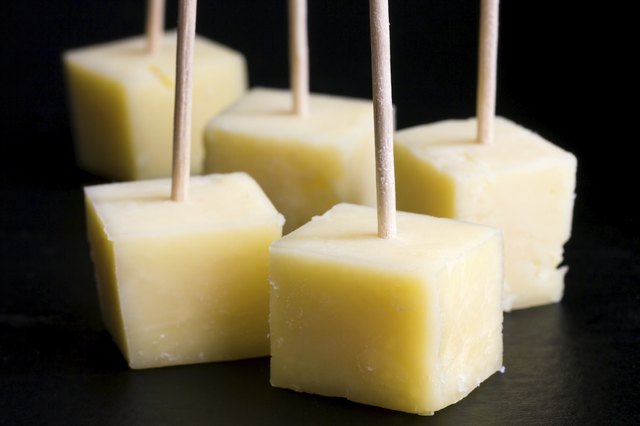
5. A signature showpiece: This is the appetizer people remember. It might be a dramatic charcuterie board, baked brie, a seafood platter, a colorful mezze board, or a tray of tiny lobster rolls. It does not have to be complicated; it just needs a little sparkle.
Think About Flavor, Texture, and Color
The best hors d’oeuvres menus are fun to eat because every bite feels different. A creamy dip next to a crunchy crostini is more interesting than five soft foods in a row. A bright tomato bruschetta balances a rich cheese puff. A tangy pickle or olive cuts through buttery pastry. This is not just culinary wisdom; it is snack psychology.
Use color as a planning tool. A tray of beige appetizers may taste wonderful, but visually it can look like a meeting of carbohydrates discussing quarterly goals. Add green herbs, red peppers, purple grapes, golden cheese, pink shrimp, orange carrots, white cheeses, and glossy olives. Garnishes matter: chopped parsley, lemon zest, toasted nuts, microgreens, chives, paprika, sesame seeds, and edible flowers can make simple appetizers look polished.
Plan Around Dietary Needs
Modern party planning means thinking beyond “Does everyone like cheese?” Some guests may be vegetarian, gluten-free, dairy-free, nut-free, pescatarian, or avoiding pork. You do not need to design a separate menu for every person, but you should include enough options that everyone can eat comfortably.
A smart hors d’oeuvres menu usually includes at least one vegetarian item, one gluten-free item, one dairy-free item, and one lighter fresh item. Labeling helps, especially on a buffet. Small cards that say “vegetarian,” “contains nuts,” or “gluten-free” can prevent awkward ingredient interrogations near the dip bowl.
Good inclusive options include hummus with vegetables, shrimp cocktail, fruit and cheese skewers, roasted chickpeas, cucumber bites, rice-paper spring rolls, stuffed mini peppers, marinated olives, grilled vegetable skewers, and gluten-free crackers served separately from regular bread.
Choose Make-Ahead Appetizers Whenever Possible
The golden rule of hosting is simple: do not choose a menu that requires you to cook everything while guests are arriving. Your friends came to see you, not to watch you sprint between the oven and the sink like a contestant on a chaotic cooking show.
Make-ahead hors d’oeuvres are your best friends. Dips, spreads, marinated cheeses, deviled egg filling, cocktail sauces, meatballs, stuffed mushrooms, cheese balls, spiced nuts, crostini toppings, and many skewers can be prepared in advance. Some items can be fully assembled the day before; others can be prepped and finished right before serving.
Best Make-Ahead Hors D’oeuvres
- Whipped feta or goat cheese dip
- Spinach-artichoke dip, baked just before serving
- Deviled eggs, filled close to party time
- Mini meatballs held warm in sauce
- Marinated olives or feta
- Cheese and charcuterie boards, partially assembled ahead
- Stuffed mushrooms ready to bake
- Crudités washed, cut, and stored in containers
- Bruschetta topping made ahead, bread toasted later
- Spiced nuts stored in airtight containers
When planning the menu, divide recipes into three groups: fully make-ahead, quick assembly, and last-minute hot items. Keep the last-minute group small. One or two hot appetizers are manageable. Five hot appetizers are how you end up having a personal conversation with your oven timer.
Match the Menu to the Drinks
Hors d’oeuvres and drinks should work together. Salty, savory, and slightly rich foods often pair well with cocktails, wine, beer, and sparkling beverages. Spicy foods can be fun, but keep heat levels moderate unless you want guests fanning themselves with cocktail napkins.
For wine parties, try cheese boards, crostini, nuts, olives, seafood bites, and fruit-based appetizers. For beer, go with sliders, pretzel bites, wings, meatballs, sausage rolls, and spicy dips. For cocktails, balance salty and fresh: shrimp, deviled eggs, stuffed dates, smoked salmon, skewers, and crisp vegetables all work well. For nonalcoholic gatherings, bright flavors such as citrus, herbs, yogurt dips, fruit, and sparkling mocktail-friendly bites keep the menu lively.
Create a Sample Hors D’oeuvres Menu
Here is a balanced example for a two-hour cocktail party with 20 guests. Since this is an appetizer-only event, plan around 10 pieces per person, or about 200 total bites. That sounds like a lot until you remember that mini meatballs disappear faster than office snacks labeled “free.”
Sample Menu for 20 Guests
- Cheese and charcuterie board: 3 cheeses, 2 cured meats, grapes, crackers, olives, nuts, and jam
- Shrimp cocktail cups: Individual cups with sauce and lemon
- Mini meatballs: Served warm in a tangy glaze
- Tomato basil bruschetta: Toasted baguette with fresh topping
- Stuffed mushrooms: Vegetarian filling with herbs and breadcrumbs
- Crudités with green goddess dip: Carrots, cucumbers, peppers, radishes, and snap peas
- Bacon-wrapped dates: Sweet, salty, and very likely to vanish first
- Lemon herb hummus: Served with pita chips and gluten-free crackers
This menu works because it has fresh vegetables, seafood, meat, vegetarian options, creamy dips, crunchy breads, warm bites, cold bites, and a showpiece board. It also spreads the workload: some items are purchased, some are assembled, and only a few require cooking.
How to Budget for an Hors D’oeuvres Menu
Hors d’oeuvres can be budget-friendly or wildly expensive, depending on ingredients. A menu built around imported cheeses, lobster, caviar, and specialty meats will cost more than one featuring seasonal vegetables, dips, crostini, meatballs, and homemade spreads. The trick is to splurge strategically.
Choose one premium item and keep the rest simple. For example, serve a beautiful shrimp cocktail but pair it with affordable crostini, deviled eggs, vegetable cups, and spiced nuts. Or create a generous cheese board with one special cheese and two budget-friendly options. Your guests will remember abundance, flavor, and presentation more than whether every cracker had a trust fund.
Budget-friendly hors d’oeuvres include popcorn with seasonings, roasted chickpeas, hummus, deviled eggs, cheese straws, bruschetta, tortilla pinwheels, stuffed mini peppers, potato bites, meatballs, flatbread squares, and seasonal vegetables with dip.
Food Safety Matters
Food safety is not the glamorous part of party planning, but neither is explaining to guests why the shrimp sat out all evening “for decorative purposes.” Perishable foods should not remain at room temperature for more than two hours, or one hour if the temperature is above 90 degrees Fahrenheit. Keep cold foods cold, hot foods hot, and refill platters in smaller batches instead of displaying everything at once.
Use ice trays or chilled serving platters for seafood, dairy-based dips, cheese, and cut fruit. Keep hot foods in slow cookers, warming trays, or chafing dishes when appropriate. Store backup portions in the refrigerator and replenish as needed. Always use separate utensils for raw and cooked foods, and provide serving spoons or tongs so guests do not turn the buffet into a community handshaking exercise.
Presentation Tips That Make Appetizers Look Expensive
Presentation can make simple hors d’oeuvres feel special. Use white platters for colorful foods, wooden boards for rustic spreads, tiered stands for height, and small bowls for dips, olives, nuts, and sauces. Group foods neatly, garnish generously, and leave a little breathing room on the table. Crowded platters can look abundant, but overcrowded platters look like the appetizers are trapped in an elevator.
Place napkins, small plates, toothpicks, cocktail forks, and trash bowls nearby. If guests have to search for napkins after eating a saucy meatball, your couch may become part of the menu. Arrange the table so traffic flows naturally: plates first, then food, then utensils and napkins. Put drinks in a separate area if possible to avoid buffet traffic jams.
Timeline for Planning an Hors D’oeuvres Menu
One Week Before
Confirm the guest count, decide the type of event, choose the menu, check dietary needs, and make a shopping list. Identify which appetizers can be made ahead and which must be cooked or assembled close to serving time.
Two to Three Days Before
Shop for shelf-stable items, beverages, crackers, nuts, serving supplies, and decorations. Prepare sauces, dips, marinades, spiced nuts, and fillings where possible.
One Day Before
Wash and cut vegetables, assemble boards partially, shape meatballs, stuff mushrooms, make dips, chill drinks, label serving dishes, and set out platters. This is also the day to discover whether you own enough toothpicks, not 14 minutes before guests arrive.
Party Day
Bake or heat hot appetizers, garnish cold dishes, arrange platters, set up the buffet, and keep backup food chilled. Put out small portions first and refill throughout the event. Then take a breath, greet your guests, and accept compliments as if you did not briefly argue with a roll of plastic wrap.
Common Mistakes to Avoid
The most common mistake is choosing too many labor-intensive recipes. A party menu should not read like a culinary obstacle course. Another mistake is serving foods that are hard to eat while standing. Avoid oversized bites, messy sauces, tough meats, and anything that collapses dramatically after one nibble.
Do not forget temperature. If every appetizer needs the oven at a different temperature, your cooking schedule will become a math problem with cheese. Also avoid too many similar flavors. A menu of cheese dip, baked brie, cheese puffs, and cheese-stuffed mushrooms may sound heavenly, but guests may start looking around for a lettuce leaf in self-defense.
of Real Hosting Experience: What Actually Works
After planning many appetizer-style gatherings, the biggest lesson is this: guests love food that feels generous, familiar, and easy to eat. The most impressive hors d’oeuvres are not always the most complicated ones. In fact, the dish that disappears first is often the simplest thing on the table. A bowl of warm meatballs, a creamy dip with sturdy chips, a crisp crostini, or a beautifully arranged cheese board can outperform a fussy recipe that took four hours and required emotional support.
One practical experience is to always plan a “quiet hero” appetizer. This is not the fanciest item, but it keeps people satisfied. Examples include mini sandwiches, meatballs, flatbread squares, baked cheese bites, or a hearty dip. At one cocktail-style gathering, the carefully arranged smoked salmon bites looked elegant, but the warm spinach-artichoke dip attracted guests like it had its own marketing department. The lesson: include something comforting.
Another experience is that guests eat with their eyes first, but they return for convenience. Skewers, cups, toothpick bites, and small toasts work because people can grab them quickly. Large crackers that break, overfilled crostini, or slippery toppings can create awkward moments. Nobody wants to introduce themselves to a stranger while balancing a collapsing bruschetta. Keep bites small, stable, and tidy.
Prep timing also matters more than recipe difficulty. A simple menu prepared in advance feels elegant because the host is relaxed. A complicated menu cooked at the last minute feels stressful, even if the food is excellent. The best party rhythm is to have cold and room-temperature foods ready before the doorbell rings, then bring out one or two hot items during the first hour. That little wave of warm food makes the party feel abundant without trapping you in the kitchen.
Boards are especially useful because they create instant abundance. A cheese board, mezze board, antipasto board, or vegetable board gives guests something to explore. The trick is contrast: creamy cheese, salty olives, crunchy nuts, sweet fruit, tangy pickles, crisp crackers, and maybe one unexpected item like honeycomb, roasted grapes, or marinated peppers. Do not overthink symmetry. A board should look inviting, not like it was assembled by a nervous architect.
Finally, always have backup. Extra crackers, nuts, olives, grapes, and a frozen appetizer or two can save the day if more people arrive hungry than expected. A host’s secret weapon is not perfection; it is flexibility. If the baked brie leaks, call it rustic. If the crostini browns too much, top it boldly and dim the lights. If guests are laughing, eating, and reaching for seconds, the menu has done its job.
Conclusion
Learning how to plan an hors d’oeuvres menu is really about creating balance: enough food, enough variety, enough color, and enough make-ahead sanity to enjoy your own party. Start with the event type, estimate portions carefully, include a mix of fresh, hearty, vegetarian, protein-rich, hot, cold, crunchy, and creamy options, and keep food safety in mind. Add one memorable showpiece, a few reliable crowd-pleasers, and a realistic prep schedule, and you will have a menu that feels polished without being precious.
The best hors d’oeuvres menus do not just feed people. They invite conversation, encourage mingling, and make the room feel alive. When guests can hold a drink in one hand, a delicious bite in the other, and still laugh without needing a fork rescue mission, you have planned well.
Note: This article is written as original, publish-ready content based on synthesized U.S. culinary entertaining practices and food-safety guidance. No source links or citation markers are included in the body for clean web publishing.