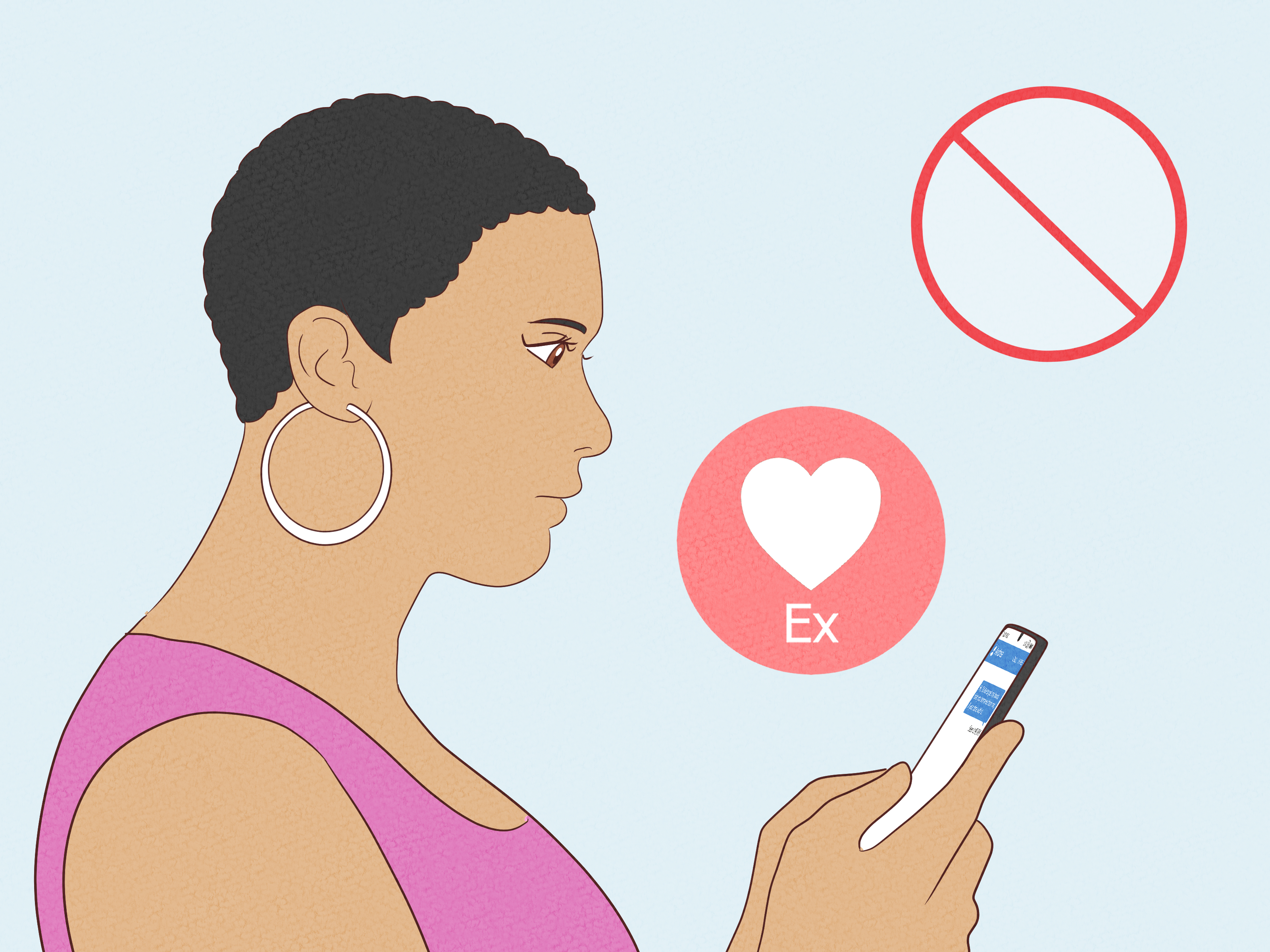
You are minding your own business, living a perfectly respectable post-breakup life, when suddenly your thumb hovers over your ex’s name like it has been possessed by a tiny emotional goblin. Maybe it happens at midnight. Maybe it happens after hearing “your song” in a grocery store, which feels rude because you were only there to buy oat milk. Either way, the thought lands hard: Why do I want to text my ex?
The good news: wanting to text your ex does not mean you are weak, dramatic, or secretly starring in a low-budget romantic tragedy. It usually means your brain is trying to handle loss, uncertainty, habit, loneliness, curiosity, or unfinished emotional business. The tricky part is that an urge can feel urgent even when sending the message is not actually helpful.
This guide breaks down the top reasons you want to text your ex, how to tell whether the urge is worth acting on, and what to do instead when your phone starts looking like a tiny glowing portal to chaos.
Why Do I Want to Text My Ex?
The urge to text an ex is often a mix of emotion, memory, and routine. After a breakup, your life changes quickly. The person who used to receive your random thoughts, memes, complaints, and “guess what just happened” updates is suddenly off-limits. Your brain does not always update its contact list as fast as your relationship status.
Breakups can also activate grief. You are not only missing a person; you may be missing a pattern, a future you imagined, a version of yourself, or the comfort of being known by someone. Texting can feel like a quick way to close the gap. Unfortunately, it can also reopen the wound, especially if you are looking for reassurance from the same person connected to the hurt.
Top Reasons You Want to Text Your Ex
1. You Miss the Routine, Not Just the Person
Relationships are built from tiny habits. Good morning texts. Nightly calls. Sharing lunch updates. Complaining about traffic like it is a competitive sport. When those rituals disappear, your nervous system notices.
You may think, “I miss my ex,” when part of what you really miss is the daily rhythm. That does not make the feeling fake. It simply means the solution may not be texting them. You might need to create new routines that give your day structure, comfort, and connection.
2. You Want Closure
Closure is one of the most common reasons people want to text an ex. You may want answers: Why did they change? Did they ever care? Are they sorry? Was the breakup really necessary? These questions can loop in your mind like a playlist with only one very annoying song.
Sometimes a respectful conversation can help, especially if both people are emotionally steady and willing to be honest. But many closure texts do not bring closure. They bring more questions, mixed signals, or a fresh round of overanalyzing punctuation. A simple “take care” can become a courtroom investigation if your heart is still tender.
3. You Are Lonely
Loneliness is powerful. It can convince you that texting your ex is a need, not a choice. This is especially true at night, during weekends, after seeing couples online, or when your plans fall through and silence starts getting a little too loud.
Before texting, ask yourself: “Do I want this specific person, or do I want comfort right now?” If the honest answer is comfort, choose a safer source. Call a friend, watch something familiar, go for a walk, journal, or do anything that reminds your body you are not abandoned just because one relationship ended.
4. You Are Romanticizing the Good Parts
The human brain can be a surprisingly talented editor. After a breakup, it may replay the cute memories in high definition while quietly deleting the fights, incompatibilities, ignored needs, and that one argument about nothing that somehow lasted three business days.
Nostalgia is not proof that the relationship should restart. It is proof that good moments existed. A relationship can have sweet memories and still be wrong for your future. Both things can be true, which is deeply inconvenient but emotionally accurate.
5. You Want to Know If They Miss You Too
Sometimes the urge to text is really a request for validation wearing a fake mustache. You want to know whether they think about you, regret losing you, or feel the same ache. That desire is understandable. Nobody wants to feel replaceable.
But texting to test their feelings puts your peace in someone else’s hands. If they respond warmly, you may get pulled back into hope. If they respond coldly, you may feel rejected all over again. If they do not respond, congratulations, your brain now has 47 new theories to suffer through.
6. You Feel Guilty
If you ended the relationship, hurt them, said something harsh, or left things messy, guilt can push you toward your phone. A sincere apology may be appropriate in some situations, especially if it is calm, accountable, and does not demand a reply.
However, guilt is not always a reliable texting coach. Sometimes people text because they want relief from feeling bad, not because contacting the other person will truly help. A good apology should respect the other person’s space. It should not be a sneaky way to restart the relationship or make them comfort you.
7. You Are Looking for a Dopamine Hit
Waiting for a text back can feel intense because uncertainty is stimulating. Your brain may treat a possible reply like a slot machine: maybe they answer, maybe they do not, maybe the message changes everything. That suspense can become addictive, even when it makes you miserable.
If you notice yourself checking your phone repeatedly, rereading old messages, or feeling your mood depend on whether they reply, pause. That is not romance; that is emotional Wi-Fi with a terrible connection.
8. You Saw Something That Triggered You
A trigger does not have to be dramatic. It could be a restaurant, a hoodie, a mutual friend’s post, a holiday, a smell, or a song you once claimed was “your song” despite millions of other people also having ears. Suddenly, the past feels present.
When the urge appears after a trigger, wait before acting. Emotions rise, peak, and fade. The message that feels necessary at 9:42 p.m. may look like a tiny emotional crime scene by morning.
9. You Are Afraid They Are Moving On
Seeing signs that your ex may be dating, socializing, or simply existing without visible despair can hurt. You might want to text to remind them you are still there. You might want to confirm whether they have moved on. You might want to interrupt the story your imagination is writing.
But contacting your ex from fear often leads to more fear. Instead, bring the focus back to your own healing. Their timeline is not a grade on your worth. You are not losing a race because someone else posted a smiling photo.
10. You Think Friendship Might Be Possible
Some exes become friends. Many do not. The difference usually depends on timing, boundaries, mutual respect, and whether both people have genuinely accepted the breakup. Friendship is hard when one person secretly hopes the “friendly coffee” becomes a second-chance montage.
Before texting your ex as a friend, ask: “Would I feel okay if they told me they were dating someone new?” If the answer is no, you may need more space before attempting friendship.
Should You Text Your Ex?
The answer depends on your intention, your emotional state, and the history of the relationship. Texting your ex is not automatically wrong. It can be reasonable if you need to discuss shared responsibilities, return belongings, clarify practical details, or communicate respectfully after enough time has passed.
It is usually not a great idea if you are hoping one message will erase heartbreak, force closure, create jealousy, test their feelings, or rescue you from loneliness. A text is a tool, not a magic wand. Sadly, phones still do not come with an “undo emotional damage” button.
Text Your Ex Only If the Message Has a Clear Purpose
A helpful message is specific, calm, and respectful. For example: “Hi, I found your jacket. Would you like me to leave it with Jordan this weekend?” That is clear and practical.
A risky message is vague, emotional, or designed to start a reaction. For example: “I guess you’re happy now.” That is not a text; that is a tiny grenade wearing punctuation.
Do Not Text If the Relationship Was Harmful or Unsafe
If your ex was controlling, manipulative, threatening, abusive, or repeatedly disrespectful, your urge to text deserves extra caution. Missing someone does not mean they were good for you. Trauma, attachment, and habit can make harmful relationships feel strangely magnetic.
In that situation, prioritize safety and support. Talk to someone you trust, consider professional help, and avoid contact that could pull you back into an unhealthy cycle.
What to Do Instead of Texting Your Ex
Use the 24-Hour Rule
Write the message in your notes app, not in the actual text thread. Then wait 24 hours. If the message still seems necessary, reread it like a calm editor. Is it kind? Is it clear? Is it necessary? Would you be okay with no response?
Most emotional texts lose their sparkle after a little time. The 24-hour rule protects you from sending a message your future self has to clean up like spilled emotional spaghetti.
Make a “Why We Broke Up” List
This is not about being bitter. It is about being honest. Write down the real reasons the relationship ended: incompatibility, unmet needs, trust issues, poor communication, different goals, emotional exhaustion, or repeated conflict.
Read the list when nostalgia starts acting like a movie trailer. Your brain may show you the cute scenes, but you deserve the full documentary.
Replace the Ritual
If you used to text your ex every morning, create a new morning ritual. Send a voice memo to a friend, write three lines in a journal, make coffee without checking your phone, or plan one small thing to look forward to.
The goal is not to pretend you are fine. The goal is to teach your brain that comfort can come from places other than your ex.
Mute, Unfollow, or Hide Triggers
You do not have to block your ex forever to create space, but you may need to reduce digital reminders. Muting stories, hiding posts, deleting old threads, or moving photos into a private folder can help you stop reopening the breakup every time you unlock your phone.
Healing is difficult enough without your phone turning into a museum exhibit titled “Here Is Everything You Miss.”
Text Someone Else First
When you want to text your ex, text a trusted friend instead: “I’m having the urge to message them. Please distract me.” A good friend will respond with compassion, humor, or possibly a meme so strange it resets your nervous system.
You can also create an “emergency list” of safe people, activities, and reminders. When the urge hits, you will not have to invent a coping plan while emotionally buffering.
Ask What the Urge Is Really Asking For
Try finishing this sentence: “I want to text my ex because I need…” The answer might be comfort, reassurance, forgiveness, excitement, closure, attention, or relief.
Once you name the real need, you can meet it more directly. Need comfort? Take care of your body. Need closure? Write an unsent letter. Need reassurance? List evidence that you are growing. Need attention? Reach out to people who can show up without confusing your heart.
What If You Already Texted Your Ex?
First, breathe. You did not ruin your entire life with one message. You are a person with feelings, not a robot with a breakup firewall.
If the text was respectful, let it be. Do not send five follow-ups explaining the first text, then a sixth text explaining that you are definitely not overthinking. That is how one message becomes a season finale.
If you regret the message, the best repair may be silence. Give yourself space. Learn from the moment. Ask what feeling pushed you to send it, then make a better plan for next time.
When Texting Your Ex Might Be Okay
There are situations where texting your ex is practical or emotionally mature. You may need to coordinate shared responsibilities, return items, discuss a pet, handle finances, or communicate in a civil way because your lives still overlap.
In those cases, keep messages brief and neutral. Use facts, not emotional bait. For example: “Can you confirm whether Saturday at 2 p.m. works for picking up your books?” This is much better than “Funny how you forgot your books but also forgot my feelings.” Accurate? Maybe. Helpful? Not usually.
Texting may also be okay if enough time has passed, both people have healed, and there is no hidden agenda. But if you are secretly hoping a casual “how are you?” will turn into “I made a terrible mistake,” be honest with yourself before pressing send.
How to Write a Healthy Text to Your Ex
If you decide texting is appropriate, use a simple structure:
- Start calmly: Avoid blame, sarcasm, or dramatic openings.
- State the purpose: Make it clear why you are reaching out.
- Respect their space: Do not demand a reply.
- Keep it short: This is a text, not a courtroom closing statement.
For example: “Hi, I hope you’re doing well. I wanted to apologize for how I handled our last conversation. I don’t expect a response, but I wanted to take responsibility. Take care.”
That message is accountable, respectful, and not designed to pressure the other person. If your message cannot survive being ignored, you may not be ready to send it.
Signs You Should Not Text Your Ex Today
Do not text today if you are extremely upset, trying to make them jealous, hoping to restart the relationship without saying so, checking whether they still care, feeling panicked, or expecting one reply to fix your whole mood.
Also avoid texting if you have been rereading old messages for an hour, stalking their social media, or asking three friends to decode whether a period instead of an exclamation point means they hate you. At that point, your brain needs rest, not more evidence.
How to Move Forward Without Pressing Send
Moving forward does not mean you stop caring overnight. It means you stop using contact as a bandage for a wound that needs time, honesty, and support.
Give yourself permission to grieve. Breakups can hurt even when they were necessary. You can miss someone and still choose not to reopen the door. You can love the past and still protect your future. You can have a strong urge and still not obey it.
Healing often looks boring from the outside: eating real meals, sleeping, walking, talking to friends, rebuilding routines, going to therapy if needed, and slowly becoming interested in your own life again. But boring healing is still healing. In fact, it is often the kind that actually works.
Real-Life Experiences: Why People Want to Text Their Ex and What They Learn
Many people discover that the urge to text an ex is strongest during emotional “in-between” moments. It might happen after a great day when they want to share good news with the person who used to celebrate them. It might happen after a terrible day when they want comfort from someone familiar. It might happen during a quiet Sunday afternoon, when the mind has too much room to wander and suddenly starts producing a director’s cut of the relationship.
One common experience is the “almost text.” Someone writes a long message, reads it twice, edits it, adds a casual “lol” to seem less intense, deletes the “lol” because it looks weird, and then realizes the message is not really for the ex. It is for the pain. The act of writing can reveal what the person actually needs: an apology they may never receive, a goodbye they never got to say, or proof that the relationship mattered.
Another common experience is texting and feeling worse afterward. The ex replies politely, but not warmly. Or they reply warmly, but not clearly. Or they do not reply at all. In each case, the person who sent the text may feel temporarily exposed, as if they handed over the remote control to their emotional weather. This teaches an important lesson: when your healing depends on someone else’s response, you are standing on shaky ground.
Some people also learn that they were not missing the relationship as much as they were missing who they were during certain parts of it. Maybe they felt adventurous, attractive, understood, or hopeful. That realization can be painful but also freeing. It means the goal is not necessarily to get the ex back. The goal is to rebuild those parts of yourself without needing the old relationship to access them.
There are also people who text an ex and have a genuinely respectful conversation. They apologize, exchange closure, return belongings, or clarify something that had been bothering them. The difference is usually emotional readiness. They are not texting to manipulate, chase, or test. They can handle a limited conversation without spiraling. They can accept the outcome without turning it into a new emotional project.
The most helpful experience many people describe is learning to pause. Not forever. Just long enough to choose. The pause creates space between the urge and the action. In that space, they may go for a walk, call a friend, take a shower, write an unsent letter, or read their “why we broke up” list. The urge may still be there, but it becomes less bossy. It stops sounding like a command and starts sounding like a feeling.
Over time, the urge to text usually changes. At first, it may feel like a siren. Later, it becomes a notification you can ignore. Eventually, it may become a passing thought: “I hope they’re okay,” followed by “Anyway, what’s for dinner?” That is not coldness. That is healing. It is the heart learning that remembering someone is not the same as needing to return.
Conclusion
Wanting to text your ex is normal. It can come from grief, habit, loneliness, nostalgia, guilt, curiosity, or the very human desire to feel connected. But not every urge deserves action. Before you send the message, ask what you really need, whether your ex is the right person to meet that need, and how you will feel if they do not respond the way you hope.
Sometimes the bravest text is the one you do not send. Sometimes closure is not a conversation; it is a decision to stop reopening the same door. Put the phone down, take care of yourself, and remember: your healing does not have to arrive dramatically. It can arrive quietly, one unsent message at a time.
Note: This article is for general informational and educational purposes. It is not a substitute for professional mental-health advice, especially in situations involving abuse, harassment, stalking, or emotional distress.