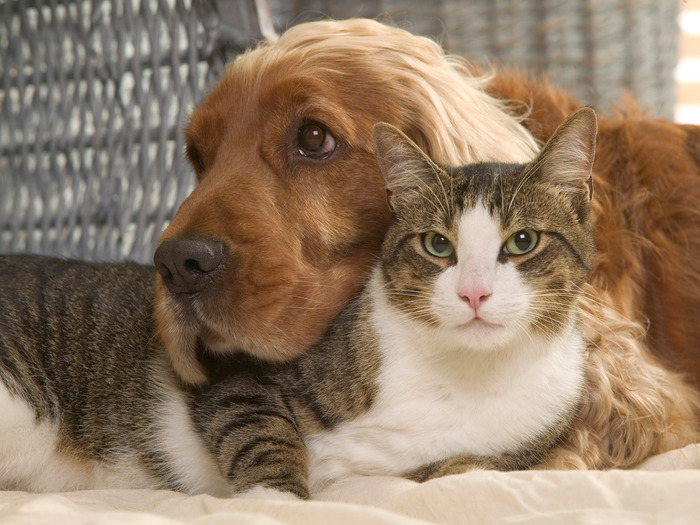
Some creative prompts arrive quietly. Others kick open the door, fling glitter into the room, and say, “Please draw a doggo and catto as soulmates, roommates, chaotic besties, or the tiniest married couple in a sweater catalog.” This is one of those prompts.
“Hey Pandas, Draw This Doggo And Catto As A Couple Or Besties” is the kind of community art challenge that works because it is simple, flexible, and dangerously adorable. A dog and a cat already come with built-in comedy: one is often portrayed as a sunshine-powered enthusiasm machine, while the other carries the emotional range of a retired theater critic. Put them together, and artists instantly get contrast, chemistry, and enough visual tension to fuel an entire animated sitcom.
Whether you imagine them as romantic partners sharing a milkshake, lifelong best friends on a road trip, roommates arguing over couch territory, or two tiny adventurers saving the backyard from a suspicious garden hose, this prompt gives artists a playful canvas. It is not only about drawing cute animals. It is about telling a story with ears, tails, paws, and the occasional dramatic side-eye.
Why Doggo And Catto Art Is So Irresistible
Dogs and cats have been treated as opposites in jokes, cartoons, movies, and family stories for decades. Dogs are usually coded as loyal, loud, goofy, and eager to please. Cats are often drawn as graceful, mysterious, independent, and quietly convinced they own the deed to your home. Those stereotypes are exaggerated, of course, but they create instant character contrast for artists.
In real life, many dogs and cats can live together peacefully when introductions are calm, supervised, and gradual. That real-world possibility is part of the charm. The idea of a dog and cat becoming best friends is not pure fantasy; it happens in homes, shelters, rescue stories, and viral pet videos. The fantasy begins when artists give that friendship matching scarves, tiny coffee cups, and a dramatic sunset.
Great doggo-and-catto drawings often work because they use personality differences instead of fighting them. The dog can be bouncing with joy while the cat pretends not to care. The cat can be the planner while the dog is the muscle. The dog can bring emotional support; the cat can bring a spreadsheet and an attitude problem. Together, they become a duo with balance.
The Best Way To Start: Choose Their Relationship Dynamic
Before drawing the first paw, decide what kind of bond these two characters have. Are they a couple? Besties? Roommates? Partners in crime? Former rivals who now share custody of a sunbeam? The relationship will influence posture, expressions, props, outfits, and the overall mood of the illustration.
Option 1: The Sweet Couple
If you draw the doggo and catto as a couple, lean into tenderness. Maybe the dog is holding an umbrella over the cat in the rain. Maybe the cat is fixing the dog’s crooked bow tie before a date. Maybe they are sitting at a tiny café table, sharing one cupcake because the dog already ate the other three.
For couple art, small gestures matter. A curled tail around a paw can feel more romantic than a giant heart background. A shy glance, matching accessories, or one character leaning gently into the other can communicate affection without making the scene feel forced. Keep the emotions soft, playful, and warm.
Option 2: The Ultimate Besties
Bestie drawings can be louder, sillier, and more chaotic. Picture the dog pulling the cat in a wagon, the cat wearing sunglasses and pretending this was its idea. Imagine them building a blanket fort, investigating a suspicious sock, or sitting together in front of a fan like they are in a music video.
The best-friend version gives artists room to exaggerate. The dog can have a huge grin and floppy motion lines. The cat can have one raised eyebrow, as if questioning every life decision that led to this moment. The fun comes from making them different but inseparable.
Option 3: The Odd Couple Roommates
A roommate setup is perfect for humor. The doggo leaves toys everywhere. The catto labels the refrigerator shelves. The dog wants a movie night with popcorn and emotional bonding. The cat wants silence, a heating pad, and total control of the remote.
This dynamic is especially fun for comic panels. You can show the same scene from both perspectives: the dog sees “cozy bonding time,” while the cat sees “large roommate breathing near my personal bubble.” Comedy gold, lightly sprinkled with fur.
How To Design The Doggo And Catto As Memorable Characters
Good animal character design often begins with simple shapes. A round dog may feel friendly, soft, and huggable. A long, narrow cat may feel elegant, suspicious, or dramatic. A square-bodied dog can seem sturdy and loyal, while a triangle-based cat can look clever, alert, and a little spicy.
Think of the doggo and catto as actors. Their bodies should support their personalities. If the dog is the enthusiastic optimist, give it bouncy ears, wide eyes, and a tail that looks like it has its own caffeine subscription. If the cat is the cool strategist, give it sleek lines, half-lidded eyes, and a tail shaped like punctuation.
Use Shape Language
Shape language is one of the easiest ways to make characters readable. Circles feel soft and friendly. Squares feel grounded and dependable. Triangles feel sharp, quick, or mischievous. Mixing shapes can create contrast between the dog and cat while still making them look like they belong in the same world.
For example, draw the dog with a round head, chunky paws, and floppy ears. Then draw the cat with a curved back, pointed ears, and a narrow tail. The viewer instantly understands who is who, even before color or detail enters the chat.
Give Them Matching But Not Identical Details
If they are a couple or besties, matching details can show connection. They might wear friendship bracelets, matching bandanas, tiny jackets, or hats from the same imaginary vacation. The trick is to make the details fit each personality. The dog’s bandana could be messy and covered in snack crumbs; the cat’s could be perfectly tied and judgmental.
Shared colors can also help. Maybe both characters have a small pop of red: the dog has a red collar, and the cat has a red bow. Maybe they both wear yellow rain boots, though the cat has clearly filed a complaint with management.
Scene Ideas For Drawing The Doggo And Catto
A strong scene turns a cute drawing into a tiny story. The more specific the moment, the more memorable the artwork becomes. “Dog and cat standing together” is nice. “Dog and cat in matching pajamas stealing cookies during a thunderstorm” is a full cinematic universe.
Cozy Couple Ideas
Draw them sharing a park bench under autumn leaves. The dog has brought a bouquet; the cat is pretending not to be touched, but its tail forms a little heart. Or draw them cooking dinner together: the dog wears an apron that says “Chef Good Boy,” while the cat supervises from the counter with the confidence of a food critic who has never paid rent.
Another sweet idea is a rainy-day scene. The dog holds a huge umbrella, but somehow both of them are still slightly wet. The cat looks mildly offended by weather as a concept. The dog looks thrilled because puddles exist. That emotional contrast makes the image feel alive.
Bestie Adventure Ideas
For besties, send them on an adventure. They can be pirates on a cardboard-box ship, detectives solving the mystery of the missing treat bag, or astronauts floating through a galaxy of yarn balls and tennis balls. The dog can rush into danger; the cat can read the map upside down and insist it is fine.
You can also make the setting very ordinary and still hilarious. A laundromat scene could show the dog fascinated by spinning clothes while the cat sits on a warm dryer like royalty. A grocery-store scene could show the dog begging for snacks while the cat compares prices. Very practical. Very adorable. Very “someone please make this into stickers.”
Funny Everyday Ideas
Everyday moments are perfect for relatable art. Draw them trying to take a selfie. The dog is too close to the camera, nose first. The cat is perfectly posed but furious about the lighting. Draw them sharing a couch. The dog takes up ninety percent of the space; the cat occupies one cushion and somehow still controls the entire room.
You could also draw them at a birthday party. The dog is wearing a party hat and vibrating with joy. The cat is wearing a smaller hat and planning legal action. Add balloons, cake, paw-print confetti, and one suspiciously empty snack plate.
Expression Tips: Let The Faces Do The Comedy
Expressions can make or break the drawing. A dog’s open mouth, raised eyebrows, and bright eyes can communicate instant excitement. A cat’s narrowed eyes, tiny smile, or slow blink can communicate trust, affection, sarcasm, or all three at once. Cats are efficient like that.
When drawing them as a couple, keep expressions gentle. The dog might look proud, bashful, or lovingly overwhelmed. The cat might look calm but secretly happy. If drawing them as besties, push the expressions bigger. The dog can be wildly excited, and the cat can look like it agreed to this adventure under protest but will absolutely save the day.
Body Language Matters
Animal body language adds emotional clarity. A relaxed cat with a softly curved tail feels comfortable. A dog with a wagging tail and loose posture feels friendly. In a cartoon style, you can exaggerate these cues without needing perfect realism. The goal is readability: viewers should know how the characters feel at a glance.
For affectionate scenes, bring their bodies closer together. For comedy, create contrast: the dog leans in enthusiastically while the cat leans back with dramatic dignity. For trust, place them side by side, sleeping near each other, sharing a blanket, or facing the same direction like tiny teammates.
Art Styles That Work Beautifully For This Prompt
This doggo-and-catto prompt can fit almost any art style. A simple doodle can be just as charming as a polished digital painting. The most important ingredient is personality.
Soft Children’s Book Style
A children’s book style is perfect for warm couple or bestie scenes. Use rounded shapes, gentle colors, and expressive faces. Put them in cozy locations: a bakery, a library, a picnic blanket, or a bedroom full of plants. This style makes the relationship feel wholesome and timeless.
Comic Strip Style
A comic strip style is excellent for jokes. Use three or four panels to show a setup, a misunderstanding, and a punchline. For example: Panel one, the cat says it wants a quiet evening. Panel two, the dog brings a board game, snacks, a karaoke machine, and emotional availability. Panel three, the cat is annoyed. Panel four, they are both asleep on the couch after a perfect night.
Sticker Or Emoji Style
If you want something highly shareable, draw them as stickers or emojis. Create a set: “besties,” “date night,” “snack time,” “dramatic,” “tiny rage,” and “unconditional support.” Keep the silhouettes clear, the expressions bold, and the details minimal enough to read at small sizes.
Why Community Art Prompts Bring People Together
Community prompts work because they give everyone the same starting point but leave the ending wide open. One artist might draw the doggo and catto as a married couple running a flower shop. Another might draw them as fantasy warriors. Someone else might draw them as two elderly best friends feeding pigeons in the park, which is honestly a masterpiece waiting to happen.
That variety is the magic. A prompt like this welcomes beginners, hobby artists, digital painters, comic creators, and people who claim they “can only draw stick figures” but then produce a stick-figure cat with more emotional depth than most prestige TV dramas.
It also creates a friendly loop of inspiration. Artists see how others interpreted the same idea, then notice new possibilities: different poses, better expressions, funnier props, sweeter scenes. No two drawings need to compete. They can simply sit together like a digital gallery of paws, whiskers, and creative chaos.
Drawing Checklist For This Doggo And Catto Prompt
Before finishing your piece, ask a few simple questions. Can viewers immediately tell whether they are a couple, besties, or something in between? Do their expressions match the mood? Does the scene tell a small story? Are the dog and cat different enough to be interesting but connected enough to feel like a pair?
Consider adding one memorable prop. A shared scarf, a picnic basket, a skateboard, a detective magnifying glass, or a tiny wedding cake can give the illustration a stronger hook. Props are not just decoration; they help explain the relationship.
Also, do not fear imperfection. A wobbly line can be charming. A slightly lopsided paw can look expressive. A cat with an accidentally enormous head might simply be a cat with main-character energy. Art prompts are not exams. Nobody is standing behind you with a clipboard saying, “Excuse me, that whisker lacks academic rigor.”
Experience Section: What This Prompt Feels Like In Practice
Working with a prompt like “Hey Pandas, Draw This Doggo And Catto As A Couple Or Besties” feels different from drawing a single pet portrait. A solo animal drawing asks, “What does this character look like?” A duo drawing asks, “What happens between them?” That small shift changes everything. Suddenly, the space between the dog and cat becomes important. Are they leaning toward each other? Avoiding eye contact? Sharing snacks? Secretly plotting against the vacuum cleaner?
One of the most enjoyable parts of this theme is discovering that the funniest ideas often come from ordinary pet behavior. Dogs can be wonderfully obvious with affection. They follow, wiggle, nudge, flop, and celebrate your return from the mailbox as if you survived a long sea voyage. Cats can be more selective and subtle, showing fondness through proximity, slow blinks, head bumps, or simply choosing to sit near someone without filing a formal complaint. When artists translate those differences into a couple or bestie dynamic, the result feels both funny and emotionally believable.
A great experience-based approach is to imagine a day in their shared life. Morning: the dog wakes up ready for adventure, while the cat requires three business days to become approachable. Afternoon: they go to the park, where the dog makes five new friends and the cat judges a squirrel from a bench. Evening: they return home, tired and happy, and curl up under the same blanket. Nothing enormous has happened, but the relationship feels real because the small moments connect.
This prompt also teaches artists how much storytelling can happen through contrast. If both characters react the same way, the image may be cute but flat. If the dog is thrilled about matching sweaters and the cat looks like it has contacted its lawyer, the drawing suddenly has a pulse. If the cat secretly saves the dog from embarrassment, the joke gains warmth. If the dog protects the cat from rain, the sweetness feels earned.
Another rewarding experience is seeing how different artists interpret “couple” and “besties.” Some will go romantic with flowers, moonlight, and tiny paw-holding. Others will go comedic with snack theft, blanket wars, or chaotic road trips. Some will avoid romance entirely and focus on chosen-family friendship: two creatures who should not make sense together but somehow do. That flexibility makes the prompt inclusive and fun. It does not demand one correct answer. It invites a crowd of tiny illustrated possibilities.
For beginners, this theme is also forgiving. You do not need perfect anatomy to communicate affection. A tilted head, a shared blanket, or a tiny heart-shaped tail curve can carry the scene. For experienced artists, the challenge can become more sophisticated: stronger silhouettes, richer lighting, better gesture, more expressive paws, or a polished comic sequence. Everyone can meet the prompt at their own skill level.
In the end, drawing this doggo and catto is less about whether they are a couple or besties and more about capturing connection. The best version is the one that makes someone pause, smile, and think, “Yes, these two belong together.” Maybe they belong together as sweethearts. Maybe they belong together as snack goblins. Maybe they belong together because the dog brings joy and the cat brings standards. Either way, the world is better with a little more paw-powered friendship in it.
Conclusion
“Hey Pandas, Draw This Doggo And Catto As A Couple Or Besties” is a delightful art prompt because it combines cuteness, contrast, humor, and emotional storytelling in one furry package. A dog and cat duo can be romantic, chaotic, cozy, dramatic, or all of the above before breakfast. Artists can turn them into café dates, adventure partners, comic-strip roommates, fantasy heroes, sleepy couch potatoes, or sticker-worthy icons.
The strongest drawings will not simply show a dog and cat standing next to each other. They will reveal a relationship. Use body language, expressions, props, and setting to show whether they are newly in love, lifelong best friends, or two roommates who pretend to be annoyed but panic when the other leaves the room. Keep the details specific, the emotions clear, and the humor gentle. And remember: when in doubt, add a tiny scarf. Tiny scarves have never harmed an illustration.