Striped bass is the kind of fish that refuses to be boring. It has racing stripes, a dramatic migration story, a fan club of anglers from Maine to the Carolinas, and enough nicknames to sound like it has been in three rock bands. Known as striper, rockfish, linesider, or scientifically as Morone saxatilis, striped bass is one of America’s most iconic sport fish and a popular seafood choice.
But what exactly is striped bass? Is it a freshwater fish, a saltwater fish, a restaurant fish, a trophy fish, or something your uncle dramatically talks about every Thanksgiving? The answer is: yes, depending on where you meet it.
Striped bass are naturally found along the Atlantic coast of North America and are famous for moving between saltwater, brackish water, and freshwater. They are strong swimmers, opportunistic feeders, and important predators in coastal ecosystems. They are also valued for their firm, mild, slightly sweet flesh, which makes them a favorite in kitchens as well as on fishing boats.
What Is Striped Bass?
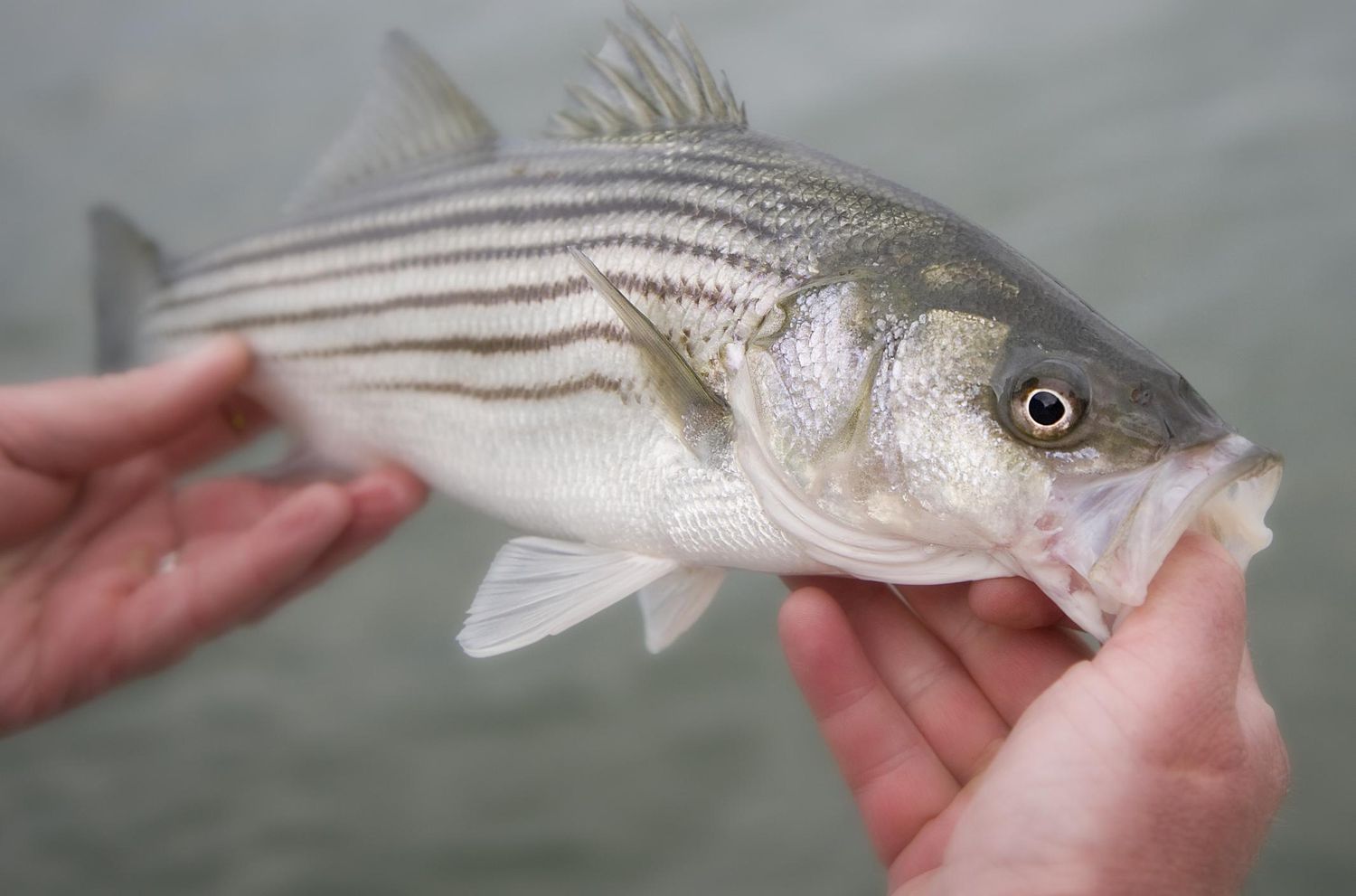
Striped bass is a large, silver-bodied fish recognized by the dark horizontal stripes running along its sides. These stripes are not just decoration; they are the fish’s signature look, like nature handed it a pinstripe suit and said, “Go be important.”
The Atlantic striped bass belongs to the family Moronidae and is native to the Atlantic coast of North America. It can live in saltwater and freshwater, but many wild striped bass are anadromous, meaning they spend much of their adult life in coastal marine waters and return to freshwater rivers to spawn.
Striped bass are especially associated with places such as the Chesapeake Bay, Hudson River, Delaware River, and coastal New England. Some populations have also been introduced into inland lakes and reservoirs, where they support freshwater recreational fisheries.
What Does Striped Bass Look Like?
A striped bass is usually easy to identify once you know what to look for. It has a long, streamlined body built for chasing prey. Its back is typically olive-green, bluish, or dark gray, fading into silvery sides and a pale belly. Along each side are usually seven or eight dark stripes running from behind the gills toward the tail.
These stripes may be clean and continuous on some fish, while others may look slightly broken or uneven. Either way, the fish generally looks sleek, athletic, and mildly judgmental, as if it knows you forgot to bring the right lure.
Common Names for Striped Bass
Depending on the region, striped bass may be called:
- Striper
- Rockfish
- Linesider
- Atlantic striped bass
- Morone saxatilis
In Maryland and the Chesapeake Bay region, “rockfish” is especially common. Along much of the Atlantic coast, anglers often say “striper.” In seafood markets, you may see “striped bass,” “wild striped bass,” or “hybrid striped bass.”
Where Do Striped Bass Live?
Striped bass have a wide natural range along the Atlantic coast. Historically, they have been found from parts of Canada down through the eastern United States. Their most famous spawning and nursery areas include estuaries and rivers where fresh and saltwater mix.
Young striped bass often begin life in rivers and estuaries. As they grow, many move into bays, coastal waters, and eventually the ocean. Adult fish may migrate long distances along the coast, often moving north during warmer months and south when temperatures cool.
Some striped bass populations are landlocked. These fish live in freshwater lakes and reservoirs, where they may be stocked for recreational fishing. In these inland systems, their behavior can differ from coastal striped bass, but their appetite remains impressively enthusiastic.
Striped Bass Life Cycle
The striped bass life cycle is one of the most interesting things about the species. In spring, mature adults move into rivers and estuaries to spawn. Running water helps keep the eggs suspended until they hatch. Female striped bass can produce huge numbers of eggs, especially larger, older females.
After hatching, young striped bass spend time in nursery habitats such as tidal rivers, creeks, marsh edges, and shallow estuarine waters. These areas provide food and shelter during the vulnerable early stages of life.
As juveniles grow, many gradually move into larger estuaries and coastal waters. Adults become powerful predators and may travel significant distances in search of food and suitable temperatures.
Why Spawning Areas Matter
Healthy spawning areas are critical for striped bass populations. Rivers and estuaries must have the right combination of water flow, temperature, oxygen, and food availability for eggs and young fish to survive. Poor spawning conditions can lead to weak year classes, meaning fewer young fish survive to become adults.
This is one reason fisheries managers pay close attention to juvenile striped bass surveys. If young fish numbers are low for several years, it can affect future fishing opportunities and population health.
What Do Striped Bass Eat?
Striped bass are opportunistic predators, which is a polite scientific way of saying they are not picky when dinner swims by. Their diet changes with age, size, season, and location.
Young striped bass may eat tiny crustaceans, insects, and small aquatic organisms. Larger striped bass feed on fish and invertebrates, including menhaden, herring, shad, anchovies, eels, crabs, shrimp, and squid. In freshwater reservoirs, they may chase shad and other baitfish.
Because they often feed in schools and pursue baitfish aggressively, striped bass are exciting targets for anglers. When stripers are actively feeding near the surface, the water can erupt with splashes, diving birds, and the unmistakable feeling that every person nearby suddenly owns binoculars.
Why Are Striped Bass Important?
Striped bass matter for several reasons. Ecologically, they are important predators that help shape food webs in rivers, estuaries, and coastal waters. Economically, they support recreational fishing, charter businesses, bait shops, seafood markets, and coastal tourism. Culturally, they are woven into the identity of fishing communities along the Atlantic coast.
For many anglers, catching a striped bass is more than a hobby. It is a seasonal ritual. Spring migrations, summer surfcasting, fall blitzes, and dawn boat trips are all part of the striped bass experience.
Striped bass are also a reminder that fish populations depend on careful management. Their history includes periods of decline and recovery, showing how fishing pressure, habitat conditions, and conservation rules can dramatically affect a species.
Is Striped Bass Good to Eat?
Yes, striped bass is widely considered a good eating fish. Its flavor is usually described as mild, clean, and slightly sweet. The texture is firm with large flakes, making it versatile enough for grilling, roasting, pan-searing, baking, steaming, and even fish tacos that make people suddenly act like professional food critics.
Compared with very oily fish, striped bass has a lighter taste. It is flavorful without being overpowering, which makes it appealing to people who enjoy seafood but do not want a fish that tastes like it personally wrestled the ocean.
What Does Striped Bass Taste Like?
Striped bass has a balanced flavor: mild, slightly sweet, and pleasantly briny when wild-caught from clean coastal waters. Farmed hybrid striped bass may taste similarly mild, often with a consistent texture because aquaculture conditions are controlled.
The flesh is light-colored and firm, with enough structure to hold up on the grill. It pairs well with lemon, garlic, herbs, butter, olive oil, tomatoes, capers, roasted vegetables, and simple spice blends.
How to Cook Striped Bass
Striped bass is forgiving in the kitchen, which is excellent news for anyone who has ever overcooked fish into a sad little seafood eraser. The key is to avoid drying it out. Cook it until the flesh flakes easily and remains moist.
Popular Cooking Methods
- Grilled striped bass: Great for fillets with skin on. Brush with oil, season simply, and cook over medium heat.
- Pan-seared striped bass: Ideal for crispy skin. Start skin-side down in a hot pan and finish gently.
- Baked striped bass: Add lemon slices, herbs, garlic, and olive oil, then bake until just cooked through.
- Whole roasted striped bass: Stuff with herbs and citrus for a dramatic dinner-table moment.
- Striped bass tacos: Use grilled or pan-seared pieces with slaw, lime, and a creamy sauce.
For the best result, keep seasoning simple. Striped bass does not need to be buried under heavy sauces. A little salt, pepper, lemon, and fresh herbs can do a lot of work.
Is Striped Bass Healthy?
Striped bass can be part of a healthy diet. It is a source of lean protein, selenium, vitamin B12, and omega-3 fatty acids. Like many fish, it provides nutrients that support general wellness when eaten as part of a balanced diet.
However, consumption advice can vary by location because some waters may contain contaminants such as mercury, PCBs, PFAS, or other pollutants. This is especially important for children, pregnant people, nursing mothers, and anyone who eats locally caught fish often.
The smart approach is simple: enjoy striped bass, but check local fish consumption advisories if it is wild-caught from a specific river, bay, lake, or coastal area. Seafood is delicious; guessing about advisories is less delicious.
Wild Striped Bass vs. Farmed Hybrid Striped Bass
When shopping for striped bass, you may see both wild striped bass and farmed hybrid striped bass. They are related but not always the same product.
Wild Atlantic striped bass is the traditional coastal species, harvested under regulations that vary by state and region. Wild fish may have seasonal availability and can be affected by management limits designed to protect the population.
Hybrid striped bass is often a cross between striped bass and white bass. It is commonly farmed in the United States and may be available year-round. Farmed hybrid striped bass can be a consistent option for restaurants and home cooks because supply is more predictable.
Which One Should You Buy?
If sustainability matters to you, look for clear labeling and ask questions at the seafood counter. Where was it caught or farmed? Is it wild Atlantic striped bass or farmed hybrid striped bass? Was it sourced under recognized seafood standards?
Good seafood buying is a little like detective work, except the detective gets dinner at the end.
Striped Bass Fishing: Why Anglers Love It
Striped bass are beloved by anglers because they are strong, unpredictable, and often found in beautiful places. People fish for them from boats, beaches, jetties, bridges, piers, riverbanks, and rocky shorelines.
Part of the excitement comes from their seasonal movement. Anglers may follow migration patterns, tide changes, baitfish schools, moon phases, and water temperatures. In other words, striped bass fishing can turn perfectly normal people into part-time meteorologists, marine biologists, and philosophers of bait.
Stripers can strike lures, bait, flies, plugs, jigs, and topwater offerings. A surface strike from a large striped bass is not something an angler forgets quickly. It is sudden, loud, and usually followed by someone shouting something deeply unscientific.
Striped Bass Conservation and Management
Striped bass are heavily managed because they are popular and vulnerable to overfishing. Regulations may include size limits, slot limits, seasonal closures, bag limits, gear restrictions, and commercial quotas. These rules can change, so anglers should always check current regulations in their state before fishing.
The Atlantic States Marine Fisheries Commission coordinates interstate management for Atlantic striped bass. Management decisions are based on stock assessments, fishing mortality, spawning stock biomass, recruitment data, and conservation goals.
In plain English, managers track how many fish are being removed, how many adults are available to reproduce, and how many young fish are entering the population. If the numbers look weak, rules may become more restrictive to help rebuild the stock.
Why Catch-and-Release Care Matters
Even released fish can be affected by handling. Anglers can improve survival by using appropriate tackle, minimizing fight time, keeping fish in the water when possible, using circle hooks when required or recommended, and avoiding fishing during extreme heat or stressful conditions.
Responsible fishing helps ensure that future generations can enjoy striped bass too. Also, it gives everyone more chances to tell dramatic stories about “the one that got away,” which is clearly an essential part of coastal culture.
Striped Bass in American Food Culture
Striped bass has a strong place in American seafood culture, especially along the East Coast. In the Chesapeake Bay region, rockfish appears on restaurant menus in everything from elegant entrées to casual sandwiches. In New England and the Mid-Atlantic, striped bass is prized for its fresh flavor and seasonal appeal.
Home cooks appreciate it because it works with many cooking styles. Chefs like it because it looks beautiful on the plate and can handle both delicate and bold flavors. Anglers love it because catching dinner adds a level of satisfaction that no grocery receipt can match.
Still, striped bass should be treated with respect. It is not just an ingredient; it is a managed wildlife resource. Buying responsibly, following regulations, and checking advisories are all part of enjoying it wisely.
How to Choose Fresh Striped Bass
When buying striped bass, freshness matters. Look for fillets that are moist, firm, and glossy. The flesh should smell clean and mild, not sour or overly fishy. If buying a whole fish, check for clear eyes, bright gills, shiny skin, and a fresh ocean scent.
If the fish smells like low tide had a bad day, politely walk away.
Storage Tips
Keep striped bass cold and cook it as soon as possible. Store fresh fillets in the refrigerator and use them within a day or two. For longer storage, freeze properly wrapped portions. When thawing frozen fish, do it in the refrigerator rather than on the counter.
Common Questions About Striped Bass
Is striped bass the same as sea bass?
No. Striped bass is a specific species, Morone saxatilis. “Sea bass” can refer to several different fish, depending on the market and region. Always check the label or ask the fishmonger.
Is striped bass freshwater or saltwater?
It can be both. Many wild striped bass move between saltwater and freshwater, while some populations live entirely in freshwater reservoirs or lakes.
Why is striped bass called rockfish?
In the Chesapeake Bay region, striped bass is commonly called rockfish. The name may relate to the fish’s habit of gathering around rocky areas, structures, or reefs.
Is striped bass expensive?
Prices vary depending on season, source, location, and whether the fish is wild or farmed. Wild striped bass can be more expensive when supply is limited.
Personal Experiences and Practical Observations About Striped Bass
One of the best ways to understand striped bass is to imagine a cool morning near the water. The air is still half-asleep, the sky is just beginning to brighten, and somewhere beyond the shoreline a school of baitfish starts moving nervously. Then the water changes. Birds gather. A splash appears. Then another. Suddenly, the quiet morning has turned into a striped bass breakfast buffet, and everyone with a fishing rod becomes very alert.
That is part of the magic of striped bass. It is not just the fish itself; it is the experience around it. Striped bass fishing teaches patience, timing, and humility. You can have the perfect lure, the perfect tide, the perfect weather, and still catch nothing but a dramatic sunrise. Then, on a day when you almost stayed home, a striper may hit so hard it makes your coffee question its life choices.
For cooks, striped bass offers a different kind of satisfaction. A fresh fillet in the kitchen feels like a blank canvas. You can keep it simple with lemon, butter, and parsley, or you can take it in a Mediterranean direction with tomatoes, olives, garlic, and capers. You can grill it for a smoky summer dinner or roast it whole for a meal that looks far more difficult than it actually is. That is a wonderful quality in a fish: impressive without being fussy.
Another experience many people have with striped bass is learning how regional food names can be confusing. Someone in Maryland may talk about rockfish. Someone in New Jersey may say striper. A restaurant menu may say striped bass. A seafood counter may offer hybrid striped bass. At first, it feels like the fish is traveling under several aliases. Once you understand the names, though, the whole thing becomes part of its charm.
Striped bass also makes people more aware of where food comes from. Unlike a packaged product that appears mysteriously on a shelf, striped bass has a visible connection to rivers, bays, seasons, regulations, and ecosystems. When you learn about its migrations and spawning areas, it becomes harder to think of seafood as just “fish.” You begin to see the full story: habitat, water quality, conservation, fishing communities, and responsible buying choices.
For families, striped bass can be a gateway fish. Its flavor is mild enough for people who are nervous about seafood, but it still has enough character to satisfy serious fish lovers. A simple baked striped bass dinner can introduce kids or picky eaters to seafood without causing a kitchen mutiny. Add roasted potatoes, a crunchy salad, and a lemony sauce, and suddenly dinner feels coastal even if you are nowhere near the ocean.
For anglers, one of the most memorable lessons is that striped bass reward observation. Successful fishing often depends on noticing small details: birds diving, bait rippling, current seams, shadows, wind direction, or a change in tide. These details make the experience more engaging than simply casting and waiting. It becomes a conversation with the water, though admittedly one where the water rarely explains itself clearly.
For seafood shoppers, experience teaches another lesson: ask questions. Is the striped bass wild or farmed? Where is it from? Is it fresh or previously frozen? Are there local advisories? A good fishmonger should be able to help. If the answer is vague, that may be a sign to choose another option. Fresh seafood should not require a courtroom cross-examination, but a few smart questions can lead to a better meal.
Perhaps the biggest takeaway is that striped bass is more than a definition. It is a fish with personality, history, flavor, and ecological importance. It connects people to coastal waters, family dinners, fishing traditions, and conservation choices. Whether you meet it on a plate, in a market, or at the end of a fishing line, striped bass has a way of making the moment feel a little more alive.
Conclusion
So, what is striped bass? It is a striped, silver, hard-fighting fish native to North America’s Atlantic coast, famous for its migrations, its role in coastal ecosystems, and its appeal as both a sport fish and seafood favorite. It can live in saltwater, freshwater, and the brackish spaces in between. It is known as striper, rockfish, and linesider, and it has earned every nickname.
Striped bass is delicious, versatile, and culturally important, but it also depends on responsible management and healthy habitats. Whether you are fishing for it, cooking it, buying it, or simply learning about it, the best way to appreciate striped bass is to understand the full story behind those famous dark stripes.