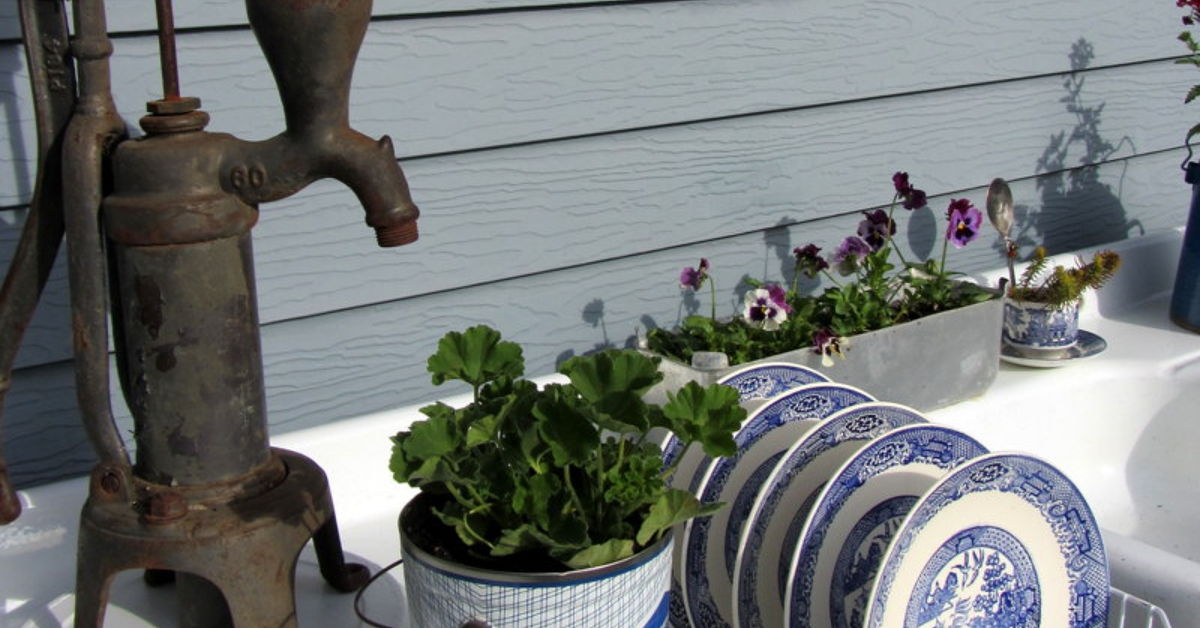
There are outdoor kitchens, and then there are outdoor kitchensthe kind that feel like a little escape hatch from ordinary life. A whimsical outdoor kitchen is not just a grill parked next to a folding chair and a cooler doing its personal best. It is a mood. It is dinner under twinkle lights, basil growing within arm’s reach, a pitcher of lemonade sweating on a tiled counter, and guests mysteriously refusing to go home.
The secret is that whimsy is not the opposite of function. In fact, the best whimsical outdoor kitchen blends practical planning with playful style. It works hard, but it does not look like it is trying too hard. It feels charming, relaxed, a little magical, and very usable. The grill is in the right spot, the lighting is flattering, the seating invites long conversations, and the whole space seems to whisper, “Stay for dessert.”
If you want a backyard cooking space that feels equal parts storybook and smart design, this guide will help you build one. From layout and materials to color, lighting, and entertaining ideas, here is how to create a whimsical outdoor kitchen that actually earns its keep.
What Makes an Outdoor Kitchen “Whimsical”?
Whimsy is not about cluttering the yard with random décor until it looks like a garden center exploded. It is about personality. A whimsical outdoor kitchen usually mixes practical features with details that feel soft, inviting, and unexpected.
Think playful, not precious
A whimsical look might include hand-painted tile, curved pathways, café lights, herb planters, vintage-inspired lanterns, or bar stools in cheerful colors. It may lean cottage, Mediterranean, boho, English garden, or lightly enchanted backyard bistro. The point is not to make your outdoor kitchen look silly. The point is to make it feel alive.
Blend beauty with comfort
The most successful spaces have a little romance without becoming impractical. A whimsical outdoor kitchen still needs prep space, durable surfaces, easy-to-clean finishes, and a layout that lets you cook without performing a one-person obstacle course. Beauty should support the experience, not complicate it.
Start With Function Before You Sprinkle on the Charm
Every dreamy outdoor kitchen needs a boringly sensible foundation. Before you choose the patterned tile or the adorable lanterns, figure out how the space will work.
Choose the right location
In most homes, the smartest outdoor kitchen sits reasonably close to the indoor kitchen. That makes hauling food, plates, marinades, and the emergency roll of paper towels far less dramatic. You also want to think about wind, smoke direction, access to utilities, and traffic flow. If smoke blows directly into the dining area, the whimsy wears off fast.
Create zones
A well-planned outdoor kitchen works best when it has distinct zones for cooking, prepping, serving, and socializing. Even a small setup benefits from this logic. The grill or cooking appliance should have landing space on both sides. Prep areas should be close to the sink or cooler. Serving areas should keep hungry guests from crowding the cook like seagulls around a dropped French fry.
Plan for the way you really live
Be honest. Are you hosting full summer feasts, or are you mostly making burgers, cocktails, and dramatic declarations about how nice the weather is? Your answer determines what you actually need. A grill, mini fridge, storage, and a generous counter may serve you better than an expensive pizza oven you use twice a year and then discuss wistfully.
Choose Materials That Can Survive Weather and Still Look Charming
The most stylish outdoor kitchen in the world is not a success if it starts looking tired after one season. Outdoor kitchens need materials that can handle sun, moisture, temperature swings, and the occasional enthusiastic guest who sets down a hot pan where they absolutely should not.
Best countertop options
Stone, concrete, tile, and stainless steel remain popular for good reason. They are durable, outdoor-friendly, and versatile enough to fit different design styles. A whimsical kitchen might use honed stone for a rustic garden feel, concrete for a soft modern look, or patterned tile for a Mediterranean vibe that says, “Yes, I do serve peach spritzes under string lights.”
Smart cabinet and cladding choices
Outdoor cabinetry should be built from or faced with hardy materials. Stainless steel works especially well for longevity, but it does not have to dominate the look. Pair it with stone, brick, stucco, or tile to soften the kitchen and make it feel integrated into the backyard. Reclaimed or seal-treated wood accents can add warmth, but they should be used thoughtfully and protected from direct weather exposure.
Flooring that fits the fantasy
Pavers, flagstone, brick, gravel, and concrete can all work beautifully. For whimsy, mixed materials often add character. A stone patio with a gravel border or a brick path leading to the cooking area can make the whole space feel layered and collected rather than flat and one-note. Just keep surfaces stable and easy to navigate with trays, carts, and actual human feet.
Bring in the Whimsy With Color, Texture, and Detail
This is where the outdoor kitchen stops looking functional and starts looking unforgettable.
Use color with intention
You do not need a rainbow explosion. A whimsical outdoor kitchen often looks best with a grounded palette plus a few joyful accents. Think sage green, terracotta, creamy white, dusty blue, butter yellow, or muted coral. These tones feel playful without becoming loud. Add the brighter notes through cushions, planters, umbrellas, dishware, or painted stools.
Tile is your best friend
If whimsy had a building material mascot, it would probably be decorative tile. Use it as a backsplash, an accent around the island, a counter edge, or even on risers if you have a nearby step. Patterned tile instantly adds personality and can carry the whole design. It is the design equivalent of wearing a simple outfit with very good earrings.
Layer textures
A whimsical space feels collected, not sterile. Mix smooth counters with rough stone, woven baskets with metal fixtures, linen napkins with ceramic serving bowls, and leafy plants with warm wood details. Texture creates visual comfort. It also keeps the space from looking like an outdoor showroom where nobody is allowed to spill sangria.
Lighting Is Where the Magic Happens
Good lighting can turn a perfectly nice outdoor kitchen into the place everyone remembers. It also keeps people from trying to slice limes in the dark, which is a service to all involved.
Combine task lighting and ambient lighting
You need enough light to cook safely, especially around grills, prep counters, and serving stations. But you also want ambient lighting that makes the space feel cozy after sunset. The sweet spot is a layered approach: functional light where work happens, softer light where people gather.
Whimsical lighting ideas
- String lights over the dining or lounge area
- Lantern-style sconces near the kitchen wall
- Woven pendants over a bar or dining table
- Solar path lights along a garden walkway
- Candles or rechargeable lamps for the table
The goal is glow, not stadium. You want guests to admire the meal, not feel like they are being interrogated.
Don’t Forget Shade, Shelter, and Comfort
A whimsical outdoor kitchen should feel good at two in the afternoon and lovely at eight in the evening. That means planning for shade, airflow, and weather protection.
Covered kitchens have serious advantages
A pergola, pavilion, awning, or partial roof can extend the life of materials, add comfort for the cook, and make the whole kitchen feel more like an outdoor room. Covered outdoor kitchens also open the door to more decorative lighting, ceiling fans, and a stronger sense of enclosure.
Make seating part of the experience
Bar seating, banquettes, benches, or a nearby dining table help guests stay connected while food is being made. This matters more than people think. Outdoor kitchens are social spaces, and the best ones let the cook join the party instead of disappearing into a cloud of smoke and spatula-related stress.
Add soft elements
Use outdoor-safe cushions, rugs, curtains, and throws to soften the space. Weather-resistant textiles can make an outdoor kitchen feel like a real extension of the home. Bonus points for stripes, botanical prints, or subtle florals that nod to the whimsical theme without looking like a picnic basket became sentient.
Appliances and Features Worth Considering
You do not need every gadget sold to humankind. A whimsical outdoor kitchen is often more charming when it is edited.
The essentials
- Grill or cooking appliance suited to your habits
- Counter space for prep and plating
- Storage for tools, dishes, and supplies
- Refrigeration or at least cold storage nearby
- Trash and recycling access
- Sink, if plumbing and budget allow
The fun extras
If you entertain often, a pizza oven, beverage fridge, ice bin, rolling bar cart, or built-in cooler can be genuinely useful. The trick is to choose features that support the way you host. If your dream evening involves mocktails, grilled flatbreads, and a dessert board, build around that. If your backyard parties are really just three friends and a Bluetooth speaker, that counts too.
How to Make a Small Outdoor Kitchen Feel Enchanting
You do not need a huge yard to create a whimsical outdoor kitchen. In fact, small spaces often feel more magical because they are easier to make intimate.
Use a compact layout
A straight run, L-shape, or small island can work beautifully. A rolling cart can add flexible prep and serving space. Fold-down shelves, built-in benches, and vertical storage keep the footprint efficient.
Go vertical
Hang herbs, install a trellis, train vines up a pergola, or add a wall-mounted shelf for colorful dishes and planters. Vertical details draw the eye upward and make the space feel lush and layered.
Let one detail steal the show
In a small outdoor kitchen, one standout feature can carry the whole design. That might be a bold tile backsplash, a row of globe lights, a striped umbrella, or a tiny bistro dining setup tucked beside the grill. Small space whimsy is less about abundance and more about charm in the right places.
Mistakes That Can Ruin the Mood
Even the most charming concept can go sideways if the practical details are ignored.
Common outdoor kitchen missteps
- Putting the grill too close to combustible surfaces
- Choosing indoor materials that cannot handle outdoor conditions
- Forgetting task lighting around prep and cooking zones
- Skipping storage, then stuffing everything in the house
- Adding too many appliances and not enough counter space
- Ignoring wind, drainage, or smoke flow
A whimsical outdoor kitchen should feel effortless. Ironically, that usually requires thoughtful planning behind the scenes.
Why This Kind of Space Feels So Special
A whimsical outdoor kitchen works because it changes the rhythm of everyday life. Breakfast becomes slower. Weeknight dinners feel more relaxed. Guests linger. Kids wander in for sliced fruit and stay for grilled corn. Someone always ends up telling a long story under the lights. The kitchen stops being a utility zone and becomes a backdrop for memory-making.
That is really the appeal. Not just the stone counters or the pretty planters or the expensive tongs you now refer to as “my grilling tools.” It is the feeling that your backyard has become an experience. It invites people to gather, eat, laugh, and settle in. In a world full of rushed meals and indoor screens, that is no small thing.
The Experience of Living With a Whimsical Outdoor Kitchen
There is something oddly wonderful about stepping into a whimsical outdoor kitchen first thing in the morning. Before the backyard gets noisy, before the grill is hot, before anyone starts asking what is for dinner, the space feels almost theatrical. The potted herbs still hold a little dew. The café lights are switched off but hanging there like they know their shift starts later. The counter is cool to the touch. Even making a simple cup of coffee outside feels slightly extravagant, like you accidentally wandered into a boutique vacation rental and decided to stay.
By midday, the kitchen changes character. It becomes useful in the most satisfying way. You rinse produce at the sink, set out lemonade or iced tea, and chop vegetables while hearing birds instead of a dishwasher humming behind you. Lunch tastes more relaxed outdoors, even if it is just sandwiches and watermelon. Food somehow behaves better in fresh air. Tomatoes look brighter. Herbs smell stronger. A bowl of chips becomes a lifestyle choice.
Then evening arrives, which is when the whimsical outdoor kitchen really starts showing off. The lights come on. The grill warms up. Somebody puts a playlist on. A friend leans on the counter with a drink and says, “This is so nice,” and for once they are not just being polite. The outdoor kitchen becomes the center of gravity. Guests naturally gather around it because that is what people do around food and light. They hover. They snack. They offer completely unnecessary advice about grilling. It is lovely.
One of the best parts is that the cook is no longer stuck inside missing the fun. In a good outdoor kitchen, hosting feels more fluid. You can flip skewers, refill glasses, chat with your guests, and still keep an eye on the corn without sprinting between rooms. It turns cooking into part of the event instead of a backstage operation. Even cleanup feels less annoying when the last of the daylight is fading and the patio still looks inviting.
A whimsical outdoor kitchen also has a funny way of encouraging small rituals. Maybe Friday becomes pizza night with store-bought dough and too many toppings. Maybe Sunday breakfast moves outside whenever the weather behaves. Maybe you start keeping a basket of cloth napkins, a citronella candle, and a little vase on the counter because you have become the sort of person who casually arranges outdoor tables now. That is how it happens. One minute you are shopping for grill covers, and the next you are debating whether marigolds or trailing rosemary better suit the mood of your evening entertaining area.
And that is the magic, really. A whimsical outdoor kitchen does not need to be enormous or expensive to feel special. It just needs to be thoughtful. It needs a sense of welcome. It needs a few practical comforts and a little personality. When those things come together, the space starts giving back. It makes ordinary meals feel festive. It makes your backyard more useful. It gives people a reason to slow down. In the end, that may be the most whimsical thing of all: a kitchen that helps life feel less rushed and a lot more delightful.
Conclusion
A whimsical outdoor kitchen is not about chasing perfection. It is about creating a backyard space that feels joyful, useful, and unmistakably yours. Start with a smart layout, choose durable materials, add comfort and lighting, then layer in the details that make people smile. A bit of tile, a line of lanterns, a tangle of herbs, a counter where friends can gatherthose are the touches that transform an ordinary cook zone into a place with charm.
Design it well, and your outdoor kitchen becomes more than a place to grill. It becomes a favorite room without walls.