Leaving town should feel exciting. You should be worrying about sunscreen, boarding passes, and whether you packed enough socks, not whether your mailbox is about to become a tiny billboard announcing, “Nobody’s home, come steal my stuff.” That is exactly why putting your mail on hold matters.
Whether you are leaving for a long weekend, a two-week vacation, or an extended stay with family, managing your mail the right way helps protect your privacy, reduce the risk of theft, and keep your return home from feeling like an avalanche made of catalogs, bills, and mysterious coupon booklets you never asked for. The good news is that you do not need a complicated system or a spy-level operation. In most cases, you just need the right mail-hold strategy for the length of your trip.
Below are three smart ways to put your mail on hold while you’re away, plus the common mistakes to avoid and the real-world experiences that show why planning ahead is worth it.
Why Putting Your Mail on Hold Is a Smart Move
Mail piling up is not just annoying. It can be a security problem. An overflowing mailbox can signal that a home is empty, which may invite package theft, mail theft, or plain old snooping. That matters more than ever because regular mail can still include sensitive items like checks, tax documents, medical notices, replacement credit cards, insurance paperwork, and account statements.
In other words, your mailbox is not just a box. It is a paper version of your identity. If you leave it unattended for days, you are creating a little paper buffet for anyone looking for easy personal information.
That is why the best approach depends on one simple question: How long will you be gone? A short trip usually calls for a standard hold. A longer absence may require forwarding or a backup plan. And if you are the kind of person who books travel the night before leaving, do not panic. There is still a practical way to handle it.
Way #1: Submit a USPS Hold Mail Request Online
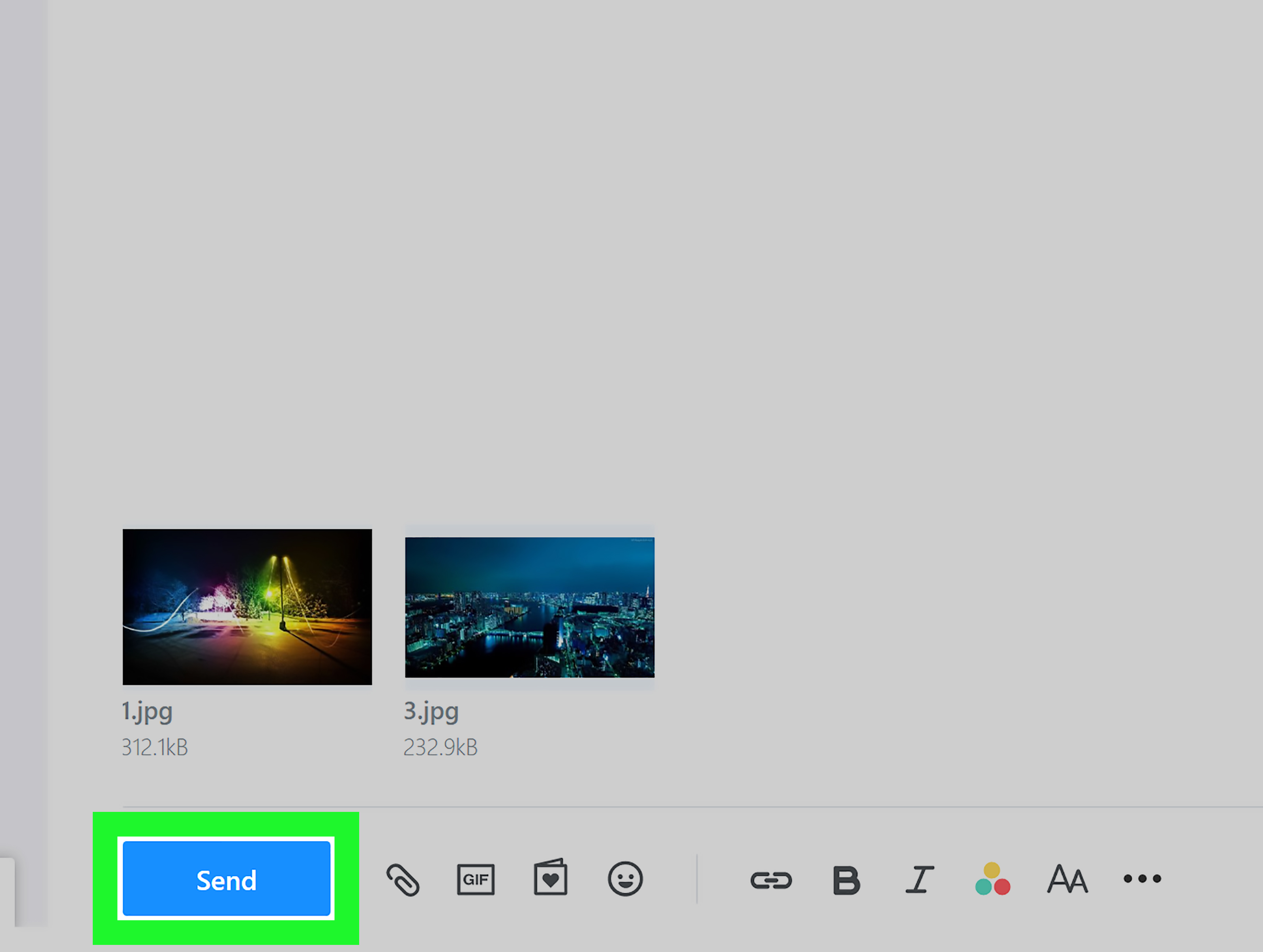
The easiest option for most travelers is to use the USPS Hold Mail service online. This is the modern, convenient, pajamas-friendly method. No lines. No paper forms. No trying to remember where you put a pen that actually works.
How it works
If your address is eligible, you can sign in to your USPS account, verify your identity, and request a mail hold for the dates you will be away. This option is ideal for short trips because it is designed for temporary pauses in delivery rather than long-term rerouting.
In practice, this method works best when you know your departure and return dates ahead of time. You choose when the hold begins and when it ends, then decide how you want your accumulated mail handled when you come back. In many cases, you can either pick it up at the Post Office or have delivery resume on the date you specify.
Why this option is so popular
Online USPS Hold Mail is simple, free for qualifying holds, and available without making a special trip to the Post Office. It is especially useful for people taking a vacation lasting several days or a few weeks. If you are leaving for a beach trip, a wedding, a work conference, or a holiday visit, this is usually your cleanest solution.
It also helps eliminate the classic “mail volcano” problem. You know the one: you get home, open the front door, and find your mailbox has been auditioning for a dramatic role in a disaster movie.
Best for
- Trips under a month
- People who want the fastest setup
- Travelers who prefer to handle everything digitally
- Households that want one simple plan for all incoming mail
What to watch out for
This is the important fine print that many people miss: a standard hold applies to the address, not just one person. If you live with family, roommates, or anyone else who still needs regular delivery, talk to them first. One person’s vacation should not become everyone else’s surprise mail disappearance.
Also, a standard hold is built for temporary absences, not for living somewhere else for months. If your trip is longer, this is where people get into trouble. They assume a hold is enough, then realize too late that their situation really calls for forwarding.
Way #2: Call USPS or Visit Your Local Post Office in Person
Not everyone wants to do everything online. Some people prefer to talk to a real human being, especially when travel dates are changing, the website is being temperamental, or technology has chosen violence for the day. In that case, your second option is to request a hold by phone or in person.
When this method makes sense
This route is a good choice if you are arranging travel at the last minute, if you are helping an older family member, or if you simply feel better handling official matters face-to-face. It is also useful when you need clarification about pickup, delivery resumption, or changes to an existing request.
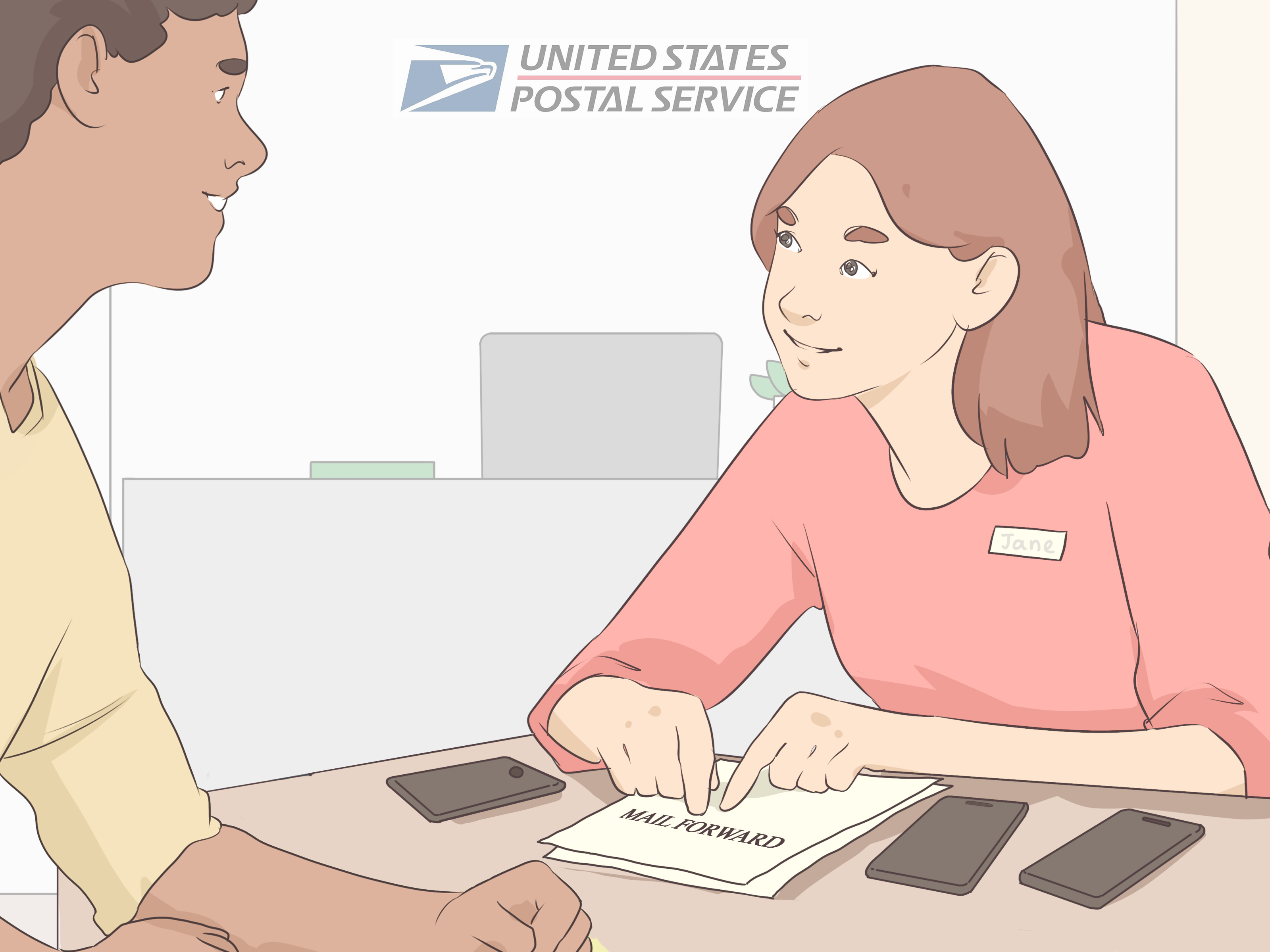
You can call USPS customer service or visit your local Post Office and complete the appropriate hold request. Some people still like this method because it feels more concrete. You ask questions, confirm the dates, and walk away knowing an actual person was involved.
Why some travelers prefer it
In-person or phone requests can be reassuring if you have a less typical situation. Maybe your schedule is shifting. Maybe your household has multiple residents. Maybe you are trying to coordinate your return date with when a carrier should redeliver everything. When you are juggling uncertainty, human help can beat clicking through a form while muttering at your screen.
This method can also be helpful if you later need to change or cancel a request and do not have every confirmation detail handy. In short, it is the more old-school option, but sometimes old-school is exactly what gets the job done.
Best for
- Last-minute travelers
- People who do not use online accounts regularly
- Older adults or family members who want in-person help
- Households with special questions about delivery and pickup
One practical tip
If you choose this route, write down your dates clearly and keep any confirmation information you receive. Future You will be extremely grateful. Future You is often tired, carrying luggage, and not emotionally prepared to solve a mail puzzle.
Way #3: Use a Longer-Trip Backup Plan Instead of a Basic Hold
Here is the truth that saves people the most frustration: sometimes the smartest way to “put your mail on hold” is not a hold at all.
If you are going away for more than a few weeks, splitting time between residences, staying with family for an extended period, or temporarily living elsewhere, you should think beyond the standard hold. In those cases, a forwarding-based option or a trusted-person plan often works better.
Option A: Temporary or premium forwarding
If you actually need access to your mail while you are away, forwarding is often the better fit. Rather than letting everything stack up at your local Post Office, forwarding sends your mail to the place where you are staying. This can make a lot more sense for snowbirds, students, extended caregivers, traveling professionals, or anyone whose “quick trip” has turned into an entire season.
Premium forwarding is particularly useful if you want more predictable handling and shipment of your mail on a recurring basis. Yes, it costs more than a simple hold, but it can be worth it if you need ongoing access to important documents.
Option B: Ask a trusted person to collect mail
If your absence is short and you trust someone nearby, asking a neighbor, friend, house sitter, or family member to collect your mail can work well. This is especially helpful if you are also expecting packages from private carriers, grocery subscriptions, or other deliveries that fall outside your regular mailbox routine.
This option works best when the person is genuinely reliable, not “reliable in theory.” There is a difference. A trusted neighbor who already keeps an eye on the block can be excellent. Your cousin who forgets his own birthday may be less ideal.
Option C: Pair your plan with Informed Delivery or package alerts
Even if you use a hold or a forwarding service, it is smart to monitor what is coming in. USPS Informed Delivery and carrier tracking alerts help you see what should arrive and when. That way, if something important does not show up when expected, you can follow up instead of discovering the issue after you get home.
This combination works especially well for people who travel often. Think of it as giving your mailbox a digital assistant. A slightly underpaid digital assistant, but still useful.
Best for
- Trips longer than a few weeks
- People who need ongoing access to mail
- Frequent travelers
- Homes expecting both letters and package deliveries
Which Option Is Best for You?
The easiest way to decide is to match the method to your trip length and your stress tolerance.
| Situation | Best Choice | Why It Works |
|---|---|---|
| Weekend trip or one-week vacation | Online USPS Hold Mail | Fast, free, and easy for short absences |
| Last-minute travel or need personal help | Phone or in-person USPS request | Better for questions, confirmation, and unusual situations |
| Extended travel or temporary relocation | Forwarding or trusted-person plan | More practical than letting everything pile up |
Common Mistakes to Avoid
Assuming a hold works for one person only
It usually applies to the address, so communicate with anyone else who lives there.
Waiting until the very last second
Yes, USPS does offer fairly flexible timing, but travel days get messy fast. Set up your mail plan as soon as your trip is confirmed.
Using a hold for a trip that is too long
If you are gone for an extended time, a forwarding option is usually the better tool.
Forgetting about packages
Your regular mail is only part of the picture. If you are expecting deliveries from USPS, UPS, FedEx, or retailers, make sure those are covered too.
Not monitoring important mail
Alerts and previews matter. If you are waiting on a check, legal notice, benefit paperwork, or anything financial, keep an eye on your incoming mail status.
Final Thoughts
Putting your mail on hold is one of those small travel tasks that feels easy to skip right up until it becomes a headache. But when you choose the right method, the payoff is big: less stress, better security, and one less thing to think about while you are trying to enjoy your time away.
If your trip is short, online USPS Hold Mail is usually the winner. If you want help or have a special situation, call or visit your local Post Office. And if you are leaving for longer than the standard hold window, treat forwarding or a trusted pickup plan as your real solution.
Your future self deserves to come home to memories, souvenirs, and maybe one slightly sad houseplant, not a mailbox stuffed like a Thanksgiving turkey.
Real-World Experiences and Lessons From Travelers
One of the most common experiences travelers talk about is realizing too late that mail management is not just a “nice to do.” It becomes urgent the moment they return from a trip and find a jammed mailbox, a missed payment notice, or a package notification that expired while they were gone. What looked like a small administrative chore suddenly turns into a mini recovery project.
A short-trip traveler might assume, “I’ll only be gone five days. What could happen?” Usually, nothing dramatic happens. But sometimes five days is plenty of time for a check to sit unattended, for a package label to advertise a delivery, or for a stuffed mailbox to make the home look empty. Many people only become diligent about holds after one mildly annoying experience. That is often all it takes. Nothing inspires organizational growth quite like digging a soggy flyer out of your mailbox while dragging a suitcase.
Families often discover another lesson the hard way: mail decisions affect everyone in the house. One person may be leaving for vacation while another still needs prescription notices, school forms, or financial mail delivered on schedule. That is why experienced travelers recommend discussing the plan with everyone at the address before placing a hold. It sounds obvious, but obvious things are the first things humans forget when there is travel stress involved.
People taking longer trips usually report the same turning point. They start with the idea of a standard hold because it sounds simple, then realize they actually need access to their mail while away. This is especially true for retirees splitting time between homes, college families, remote workers, and caregivers staying with relatives. In those situations, forwarding is less of a luxury and more of a sanity-preservation tool. It keeps paperwork moving instead of turning your return date into the season finale of an administrative drama.
Another common experience involves neighbors. When travelers have a good relationship with someone next door, mail collection becomes much easier. A trusted neighbor can bring in letters, flag anything unexpected, and keep the home from looking vacant. But the key word is trusted. People who have had a smooth experience almost always say the same thing: choose someone dependable, keep instructions simple, and do not assume they can decode a dozen delivery apps, gate codes, and package schedules with zero notice.
Frequent travelers also learn that digital visibility makes a huge difference. Being able to preview or track incoming mail gives peace of mind. Even when a hold is active, people like knowing what should be arriving, especially if they are waiting for something time-sensitive. That extra visibility helps reduce the “what did I miss?” feeling while they are away.
The biggest lesson from real experiences is simple: the best mail plan is the one that matches your actual trip, not the one that sounds easiest in the moment. A little planning before you leave saves a lot of hassle after you return. And that is a pretty good trade.