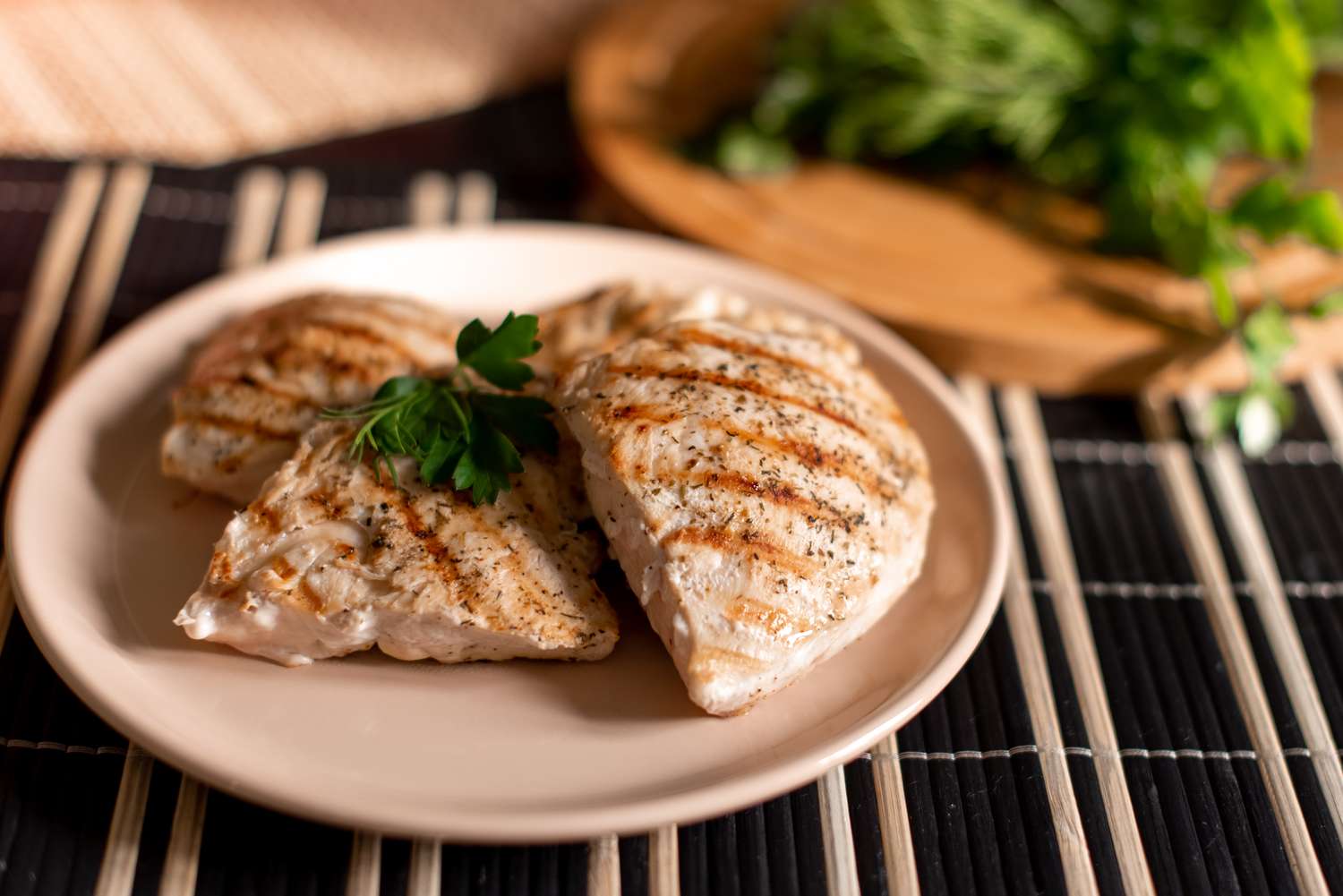
If you have ever stood in front of the meat case squinting at chicken breast on one side and turkey breast on the other like you were choosing between two equally qualified job candidates, welcome. You are not alone. Both are famous for being lean, high in protein, and staples in everything from meal-prep containers to post-gym dinners. But when the question becomes which is the better lean protein, the answer gets a little more interesting than “they’re both poultry, carry on.”
The truth is that chicken breast and turkey breast are nutritional cousins, not sworn enemies. Both can fit beautifully into a healthy eating pattern. Both can help support muscle maintenance, satiety, and weight goals. Both can also become far less angelic once they are breaded, fried, drowned in creamy sauce, or transformed into salty deli slices that could practically season your soup on their own. In other words, the bird matters, but how you buy it and cook it matters just as much.
So, which one wins? In plain English: turkey breast usually has a slight edge if your only goal is the leanest possible protein, while chicken breast remains a top-tier choice because it is just as protein-rich, highly versatile, and easy to build meals around. This is not a dramatic landslide victory. It is more like a photo finish with one bird leaning a tiny beak ahead.
Chicken and Turkey Breast: The Quick Verdict
If you want the shortest possible answer without skipping the good stuff, here it is:
- Choose turkey breast if you want a slightly leaner option with a small edge in calories and fat.
- Choose chicken breast if you want an equally strong protein source that is flexible, mild in flavor, and easy to use in countless recipes.
- Choose either one if it is fresh, minimally processed, skinless, and cooked simply.
- Do not confuse fresh breast meat with deli meat. That is where sodium can skyrocket and the “lean protein” halo starts slipping sideways.
So yes, there is a winner on paper. But in real life, the better lean protein is often the one you enjoy enough to eat consistently with vegetables, whole grains, beans, and other nutrient-dense foods.
How Similar Are They, Really?
Very similar. That is the first thing worth knowing. Skinless chicken breast and skinless turkey breast are both classic white meats, and both are naturally high in protein with very little carbohydrate. They are also far lower in saturated fat than fattier cuts of meat or heavily processed meats. That makes both excellent choices for people aiming to eat more lean protein without going on an all-beige fitness-food crusade.
In most standard comparisons, turkey breast comes out slightly lower in fat and calories than chicken breast. The margin is real, but modest. It is not the kind of difference that will transform your health overnight. If you roast turkey breast and then drown it in gravy and crispy toppings, while your chicken breast is grilled and served with vegetables, the chicken meal may still come out looking far better overall.
That is why it helps to think beyond the label “lean protein” and ask a better question: Which option fits your health goals, cooking habits, and plate as a whole?
| Category | Chicken Breast | Turkey Breast |
|---|---|---|
| Protein | Very high | Very high |
| Calories | Low | Usually a touch lower |
| Total fat | Low | Usually a touch lower |
| Saturated fat | Low when skinless | Low when skinless |
| Flavor | Mild, neutral, easy to season | Slightly richer, more savory |
| Sodium risk | Low when fresh; high if processed | Low when fresh; often high if deli-style |
| Best use | Everyday meals, meal prep, stir-fries, salads | Lean entrees, sandwiches, leftovers, hearty bowls |
Protein Content: A Near Tie
If your main goal is getting more protein, there is no bad choice here. Both chicken breast and turkey breast are protein powerhouses. They help support muscle repair, satiety, and overall dietary balance. They can also make meals more filling, which is helpful if you are trying to manage hunger without turning snack drawers into crime scenes.
From a practical standpoint, both meats deliver enough protein to make them strong anchors for lunch or dinner. A normal serving can help you build a balanced meal without requiring giant portions. For most healthy adults, the difference in protein between the two is small enough that it should not drive the whole decision.
That means if you truly prefer the taste or texture of one over the other, that preference matters. A protein source only works if you are willing to eat it more than once before dramatically declaring yourself “over it.”
Calories and Fat: Turkey Wins by a Nose
Now for the part where turkey breast steps slightly into the spotlight. In many fresh, skinless comparisons, turkey breast is a little lower in total fat and calories than chicken breast. That makes it a smart pick for people who are laser-focused on getting the leanest animal protein possible.
But let’s keep the drama level appropriate: this is a small edge, not a nutritional mic drop. If your goal is weight management, the overall meal matters much more than the tiny difference between these two proteins. Pair either meat with roasted vegetables, a whole grain, beans, or a salad, and you are already doing much more for your health than obsessing over microscopic differences.
In other words, turkey breast may win the lean-protein crown by a feather, but chicken breast is standing right next to it on the podium looking equally impressive.
Micronutrients: Different Strengths, Same Team
Chicken breast and turkey breast are not just protein delivery systems wearing bland disguises. Both offer useful vitamins and minerals, especially B vitamins and minerals involved in energy metabolism and normal body function.
Chicken is often associated with nutrients like niacin and vitamin B6, while turkey is commonly praised for nutrients such as selenium and vitamin B12. Both contribute minerals like phosphorus and zinc as well. The exact balance varies by cut, brand, cooking style, and whether the product is fresh or processed.
The takeaway is simple: you do not need to choose one forever to “optimize” micronutrients. Rotating both can add variety, which is good for your taste buds and usually good for your diet, too.
What Actually Makes a Protein “Better”?
The phrase better lean protein sounds simple, but it really depends on your priorities. A better protein choice is usually one that checks several boxes at once:
- High in protein
- Low in saturated fat
- Reasonable in sodium
- Minimally processed
- Easy to cook in healthy ways
- Fits your budget, schedule, and appetite
When you use that broader definition, both chicken breast and turkey breast perform extremely well. Problems usually show up when the product becomes highly processed or the cooking method turns it into something crispy, creamy, salty, or all three. Delicious? Often yes. “Better lean protein”? Not always.
When Chicken Breast Is the Better Choice
1. You want maximum versatility
Chicken breast is the ultimate culinary overachiever. It works in salads, tacos, soups, wraps, grain bowls, sandwiches, pastas, sheet-pan dinners, and stir-fries. Its mild flavor plays nicely with nearly any seasoning, from lemon pepper to fajita spice to garlic-ginger marinades.
2. You want meal prep that does not feel repetitive
Yes, chicken breast has a reputation for becoming dry and sad if overcooked. But when cooked well, it is flexible enough to become five different meals with very little effort. Roast it once, then use it in different ways across the week. That kind of convenience matters for consistency.
3. You simply like it more
This is not a small point. People stick with healthy eating habits when the food actually tastes good to them. If chicken breast feels easier, more familiar, and more enjoyable, that advantage is worth respecting.
When Turkey Breast Is the Better Choice
1. You want the leanest profile possible
Turkey breast often edges out chicken breast on fat and calories, making it the slightly leaner option in many fresh, skinless comparisons.
2. You want a richer flavor without moving into fattier meat territory
Turkey breast can taste a bit more savory and robust than chicken breast while still keeping the nutritional profile impressively lean.
3. You are trying to shake up the usual routine
Let’s be honest: some people hit a wall with chicken. If your weekly meal plan is starting to feel like a never-ending sequel called Chicken Breast 8: Return of the Dry Forkful, turkey breast can bring much-needed variety.
The Biggest Mistake: Comparing Fresh Breast Meat to Deli Meat
This is where people get fooled. Fresh roasted turkey breast and deli turkey are not nutritionally identical twins. Neither are fresh chicken breast and processed chicken strips, nuggets, or lunch meat. Once meat is cured, flavored, injected, brined, breaded, or preserved, the nutrition story changes.
Processed turkey and chicken products can be much higher in sodium. Some are also considered processed meats, which health organizations routinely recommend limiting. That matters for heart health, blood pressure, and overall diet quality.
So if you are choosing between fresh turkey breast and fresh chicken breast, great. If you are choosing between grilled chicken breast and deli turkey loaded with sodium, the comparison is no longer fair. The deli turkey may still be convenient, but it is not automatically the “healthier” choice just because the word turkey is on the package in friendly lettering.
Cooking Method Matters More Than Most People Think
If you take one lesson from this article, let it be this: how you cook your protein can matter as much as which protein you choose.
Baking, roasting, grilling, poaching, air frying with minimal added fat, or sautéing lightly are all solid methods. On the other hand, deep frying, heavy breading, skin-on cooking, creamy sauces, and sugary glazes can quickly push a lean protein into a much heavier meal.
Food safety matters, too. Poultry should be cooked to a safe internal temperature, and raw poultry should be handled carefully to avoid cross-contamination. No one wants a high-protein dinner with a side of food poisoning. That is not a wellness trend.
Which One Is Better for Specific Goals?
For weight loss
Winner: Turkey breast, slightly. It often has a small edge in leanness, but the difference is modest. Portion control and overall meal composition still matter far more.
For muscle building
Winner: Tie. Both are rich in protein and work well in meals built around strength training or active lifestyles.
For heart-healthy eating
Winner: Tie, if fresh and minimally processed. Both fit well into heart-conscious eating patterns when skinless and simply cooked. The real issue is keeping saturated fat and sodium under control.
For low-sodium eating
Winner: Fresh breast meat, regardless of bird. Avoid relying too heavily on deli slices, pre-seasoned cuts, and highly processed convenience products.
For picky eaters or family meals
Winner: Chicken breast. It usually has the more familiar flavor and wider recipe range, which can make family dinners much easier to pull off.
How to Choose the Healthiest Option at the Store
- Pick skinless breast meat whenever possible.
- Look for fresh or frozen, minimally processed options.
- Check the label for added broth, sodium solution, or seasoning blends.
- Compare sodium if you are buying packaged or pre-cooked meat.
- Do not assume “turkey” automatically means healthier than chicken.
- Remember that deli meat is a different category than fresh roasted breast meat.
A little label reading can save you from bringing home a “lean protein” that is secretly more about convenience and salt than simplicity and nutrition.
So, Which Is the Better Lean Protein?
Here is the honest final answer: turkey breast is usually the slightly better lean protein on paper because it tends to be a bit lower in fat and calories. But chicken breast is so close nutritionally that it remains one of the best lean proteins you can eat.
For most people, this should not be a stressful either-or choice. The better move is to use both strategically. Keep fresh chicken breast in your routine for versatility and easy weeknight meals. Bring in turkey breast when you want variety or the leanest profile possible. Most importantly, pay attention to the full context: processing, sodium, cooking method, portion size, and what else is on your plate.
Because in real life, the healthiest meal is not the one that wins the tiniest nutrition contest. It is the one you can prepare well, enjoy regularly, and pair with the rest of a balanced eating pattern.
Kitchen, Fitness, and Everyday Experiences With Chicken vs. Turkey Breast
In everyday life, people tend to discover that the difference between chicken breast and turkey breast is less about nutrition trivia and more about how each one behaves in actual meals. Ask someone who meal preps for a busy workweek, and they will often say chicken breast wins on convenience. It is familiar, easy to find, quick to season, and adaptable enough to become tacos on Monday, salad on Tuesday, rice bowls on Wednesday, and soup on Thursday. It is basically the overachiever of the refrigerator.
Talk to someone focused on cutting calories while keeping protein high, though, and turkey breast often gets a lot of love. People who are trying to lean out sometimes describe turkey breast as their “tightest” protein choice because it feels just a little lighter while still being satisfying. Many say it helps them hit protein goals without feeling like they are eating diet food from a punishment menu.
Then there is the flavor crowd. Some people genuinely prefer turkey because it has a deeper, slightly richer taste. Others find chicken breast easier to work with because it is mild and absorbs seasonings better. In family kitchens, that matters more than nutrition charts. The food that gets eaten happily tends to be the food that sticks around in the routine.
Fitness-minded eaters often rotate both. Chicken breast usually shows up when they want reliable meal prep with simple macros. Turkey breast tends to appear when they are craving variety or trying to keep meals extra lean. A lot of people also notice that turkey breast can feel more “special,” while chicken breast feels more everyday and practical. That may not sound scientific, but it absolutely affects what ends up on the plate.
There is also a common real-world mistake: people assume deli turkey is basically the same as roasted turkey breast. Then they start piling it into sandwiches every day and wonder why the sodium is sneaking upward. This is one of those classic healthy-eating plot twists. A protein can sound virtuous but still be heavily processed. People who get the best results long term usually learn to separate fresh poultry from lunch meat, nuggets, patties, and other convenience versions.
Another experience people share is boredom. Chicken fatigue is real. At some point, even disciplined eaters start looking at another plain chicken breast like it personally offended them. That is often when turkey breast becomes useful. It changes the flavor, changes the texture slightly, and makes healthy eating feel less repetitive. Sometimes better nutrition is not about finding a magic food. It is about preventing menu burnout.
In the end, the lived experience is pretty consistent: turkey breast may win the leanest-protein debate by a little, but chicken breast wins plenty of hearts by being easier to use often. The smartest eaters usually stop treating it like a rivalry and start using both. That approach tends to be healthier, more realistic, and a lot less boring.