September is the month when the sky seems to have commitment issues. One minute it is serving golden sunshine with a side of pumpkin-spice optimism; the next, it is tossing dramatic storm clouds across the horizon like a theater kid auditioning for Shakespeare. That is exactly why September weather photos are so irresistible. They capture transition, mood, surprise, and occasionally, your neighbor’s umbrella turning inside out in a heroic but doomed battle against the wind.
The phrase “Hey Pandas, post some of the pictures you took of the weather in September” sounds like a cheerful community invitation, but it also points to something deeper: people love documenting weather because weather is one of the few shared experiences that still feels personal. A foggy morning, a fiery sunset, a sudden downpour, or the first yellow leaves under a gray sky can say, “I was here. This happened. The air felt different.”
Whether you are a casual phone photographer, a cloud enthusiast, a nature blogger, or someone who simply enjoys scrolling through cozy fall pictures with a blanket nearby, September is a fantastic time to photograph the atmosphere. Across the United States, it is a month of seasonal change: meteorological fall begins on September 1, the autumn equinox usually arrives around September 22 or 23, and hurricane season in the Atlantic is still very active. In other words, September weather does not just pose for pictures. It performs.
Why September Weather Photos Feel So Special
September has a visual personality unlike any other month. It is not fully summer, not fully fall, and definitely not ready to be labeled. This in-between quality gives photographers a wide range of scenes to capture: warm late-afternoon light, cool misty mornings, rolling thunderheads, early foliage, stormy coastlines, dry golden fields, and skies that look like someone spilled watercolor across the clouds.
In many parts of the U.S., September brings sharper temperature contrasts between day and night. That can lead to fog, dew, glowing sunrise scenes, and dramatic cloud formations. In the Northeast and upper Midwest, early hints of fall color may begin appearing. In the South and along the Atlantic and Gulf coasts, tropical moisture can create intense skies, heavy rain, and powerful storm systems. In the West, September may bring wildfire smoke, dry heat, monsoon leftovers, or early mountain snow depending on location and elevation.
That variety is why September weather photography works so well for online communities. One person may post a bright rainbow over a suburban street. Another may share a moody beach photo with storm clouds stacking over the water. Someone in Colorado might show golden aspens beneath a bluebird sky, while someone in Florida captures a towering thunderstorm that looks large enough to have its own zip code.
The Science Behind September’s Dramatic Skies
September’s weather drama is not random. It is the result of shifting sunlight, changing air masses, and seasonal temperature patterns. By September, days are getting shorter in the Northern Hemisphere. Less daylight means nights can cool more efficiently, especially under clear skies. Cooler nights and lingering warm ground or water can help produce morning fog, low clouds, and soft atmospheric layers that photographers adore.
The autumn equinox also marks a major seasonal turning point. Around this time, the sun crosses the celestial equator, and many places experience roughly equal lengths of day and night. The light angle becomes lower than it was in midsummer, which can make landscapes look warmer, shadows longer, and sunsets richer. That lower light is one reason September photos often have a cinematic feeling, even when the subject is just a tree, a sidewalk, or your car windshield after rain.
September also overlaps with the climatological peak of Atlantic hurricane season. Warm ocean water, tropical moisture, and atmospheric instability can generate powerful storms, especially from mid-August through October. While safety should always come first, stormy September weather can create unforgettable images: layered clouds, textured skies, flooded reflections, wind-bent trees, and sunsets glowing through the backside of a storm.
What Makes a Great September Weather Photo?
A good weather photo is not only about the weather itself. It is about context. A dark cloud can look interesting, but a dark cloud over a cornfield, city skyline, lighthouse, school bus, mountain ridge, or lonely picnic table tells a better story. The viewer immediately understands scale, mood, and place.
Great September weather pictures often include contrast. Think warm sunlight breaking through cold clouds, orange leaves against wet black pavement, blue sky behind silver rain curtains, or a rainbow over a gray neighborhood. September is practically built for contrast because the season is changing in real time.
Composition matters too. A simple phone shot can become much stronger when you include leading lines such as roads, fences, rivers, sidewalks, or rows of trees. Reflections are especially useful after rain. Puddles, windows, lakes, and even shiny car roofs can turn ordinary weather into something layered and artistic. Yes, your car roof can be an art tool. Please tell it not to get arrogant.
Popular Types of September Weather Pictures to Share
1. Golden Hour Skies
September golden hour can be spectacular because the sun sits lower in the sky than it does in high summer. Warm light stretches across fields, buildings, parks, and backyards. Even a basic scene can look magical when it is lit by soft amber sunlight. For best results, shoot shortly after sunrise or before sunset, and try placing your subject between you and the light for glowing edges.
2. Storm Clouds and Thunderheads
Late-summer and early-fall storms can create enormous cloud towers. These clouds often look best when photographed from a safe distance with foreground details included. A row of houses, a highway, a tree line, or a barn can help show how massive the sky really is. Never risk your safety for a weather photo. Lightning does not care about your engagement rate.
3. Rainy Streets and Window Shots
Rain makes familiar places feel cinematic. Wet pavement reflects traffic lights, storefront signs, trees, and sunset colors. Window shots are also popular because raindrops create texture and mood. Focus on the droplets for an abstract look, or focus beyond the glass for a softer, storybook effect.
4. Foggy Mornings
Fog is one of September’s best gifts to photographers. It simplifies busy scenes, softens harsh details, and adds mystery. Fields, lakes, bridges, wooded paths, and quiet streets all look more atmospheric in fog. The trick is to shoot early, because fog can vanish quickly once the sun warms the air.
5. First Signs of Fall Color
In northern states, high elevations, and cooler regions, September can bring the first hints of red, yellow, and orange leaves. These early colors photograph beautifully against cloudy skies or after rain, when leaves look saturated and glossy. Try close-up shots of individual leaves, wide shots of tree-lined roads, or detail photos of fallen leaves stuck to sidewalks.
6. Rainbows After Storms
September storms often end with bursts of sunlight, making rainbows a rewarding subject. To photograph one, look opposite the sun while rain is still falling in the distance. Use a wide frame if possible, and include land features so the rainbow does not float awkwardly in empty space like a colorful noodle.
7. Big Temperature Swing Moments
Cool mornings and warm afternoons can create interesting visual clues: dew on grass, steam rising from lakes, mist over valleys, or people wearing hoodies at breakfast and shorts by lunch. These little contradictions are perfect for storytelling because they show September’s split personality.
Safety Tips for Photographing September Weather
Beautiful weather can also be dangerous. Storm photography should always be done from a safe location. If thunder is close enough to hear, lightning is close enough to be a threat. Stay indoors, in a hard-topped vehicle, or in a protected area when storms are active. Avoid open fields, hilltops, isolated trees, metal fences, and water.
Flooded roads are another September hazard, especially during tropical systems or heavy thunderstorms. Never walk or drive through floodwater for a photo. Water can hide washed-out pavement, strong currents, debris, or electrical hazards. The best weather photo is the one you live to post with a caption that does not begin, “So I made a questionable decision…”
If you are photographing near the coast during stormy weather, keep a safe distance from waves, piers, jetties, and slippery rocks. Sneaker waves and storm surge can be extremely dangerous. In mountain areas, September weather can change fast, so bring layers, check forecasts, and avoid exposed ridgelines during thunderstorms.
Phone Photography Tips for September Weather
You do not need expensive gear to capture memorable September weather pictures. Modern smartphones handle skies, clouds, reflections, and low light surprisingly well. The main challenge is knowing how to help the camera make better choices.
First, tap the screen to set focus and exposure. If the sky is too bright, lower the exposure slightly so cloud texture does not disappear. Second, clean your lens. This sounds boring, but a greasy phone lens can turn a beautiful sunset into a blurry potato confession. Third, use grid lines to keep horizons straight and place key subjects off-center for a more dynamic composition.
For rain shots, protect your phone and avoid shooting directly into heavy wind-blown water. For fog, try slightly underexposing the image to preserve mood. For sunsets, do not overdo filters. September skies already know how to be dramatic; they do not need to look like a neon smoothie.
Camera Settings for Weather Photography
If you use a DSLR or mirrorless camera, September weather gives you plenty of opportunities to experiment. For clouds and landscapes, try a smaller aperture such as f/8 to f/11 for good depth of field. Use a low ISO when there is enough light to keep images clean and detailed. A tripod can help with sunrise, sunset, fog, and long-exposure rain scenes.
For lightning, safety comes first. Shoot from a protected place, use a tripod, and try longer exposures at night to increase your chance of catching a flash. During daytime storms, exposures need to be shorter because the scene is brighter. Some photographers use lightning triggers, but beginners can still capture storm mood by focusing on clouds, light, and landscape rather than trying to catch lightning directly.
For windy scenes, use a faster shutter speed to freeze motion or a slower shutter speed to show movement in trees, grasses, rain, or waves. Both approaches can work. The choice depends on whether you want the photo to feel crisp and intense or soft and expressive.
Caption Ideas for September Weather Pictures
A strong caption can turn a nice photo into a tiny story. September weather captions work best when they are specific, sensory, and a little playful. Instead of writing “stormy day,” try something like “September walked in wearing thunder boots.” Instead of “pretty sunset,” try “The sky really said, ‘One last summer encore.’”
Here are a few caption ideas for community posts:
- “September could not decide whether to be summer or fall, so it chose both.”
- “The clouds arrived five minutes before my coffee kicked in.”
- “Golden hour doing its annual September showing-off routine.”
- “Rain, leaves, and one very dramatic sidewalk.”
- “The forecast said cloudy. The sky said cinematic.”
- “A tiny reminder that weather is just nature changing outfits.”
- “Foggy morning, quiet street, suspiciously poetic mailbox.”
Why Weather Photos Bring Online Communities Together
Weather pictures are easy to relate to because everyone has weather, even if not everyone has mountains, beaches, or photogenic cats with excellent cheekbones. A September weather thread invites people from different places to compare their skies, seasons, and daily lives. It becomes a visual map of shared time.
Community photo posts also make ordinary moments feel worth noticing. A person who might ignore a cloudy evening may look again because they want to share it. Someone walking the dog might pause to photograph puddle reflections. Another person might document the first chilly morning of the month and realize that the season has shifted. These small acts of attention make life feel richer.
That is the charm of “Hey Pandas” prompts. They are not only about showing perfect pictures. They are about participation. A slightly blurry rainbow, a funny umbrella fail, a moody backyard storm, or a glowing sunset from a parking lot can all belong in the same conversation. Weather does not require a passport, a studio, or a perfect aesthetic. It just asks you to look up.
Specific September Weather Scenes Worth Photographing
If you want to build a strong September weather photo collection, try creating a mini photo challenge for yourself. Capture one sunrise, one sunset, one rainy detail, one cloud formation, one reflection, one sign of fall, and one image that includes people reacting to the weather. This gives your gallery variety and helps tell the story of the month.
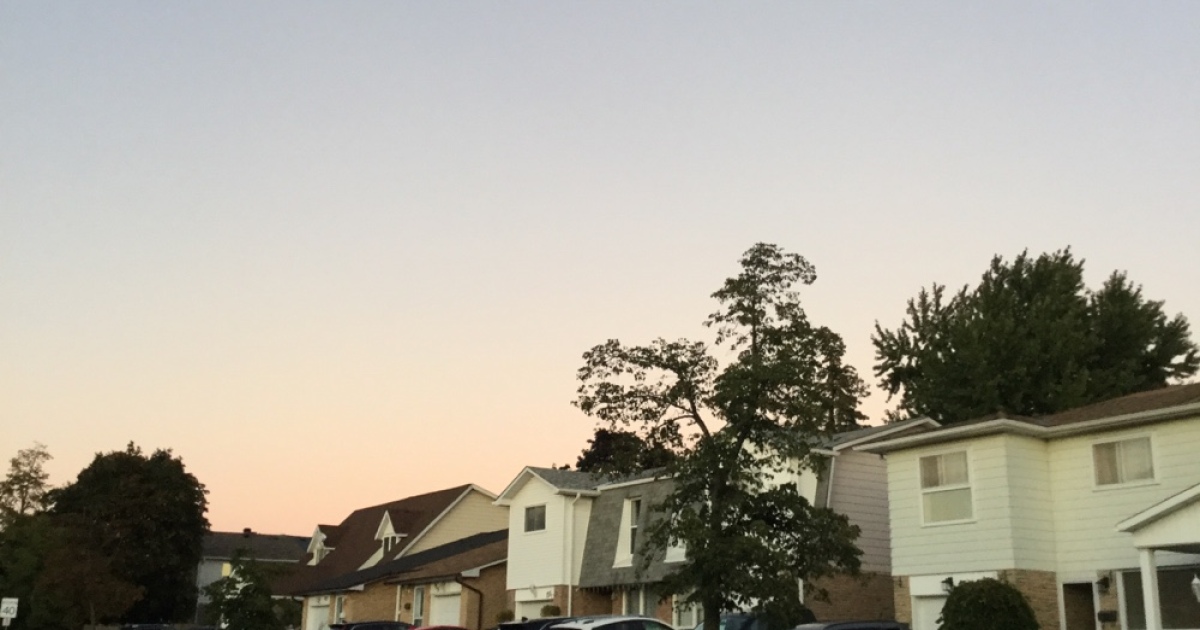
Urban photographers can focus on wet streets, umbrellas, steam vents, skyline clouds, bus-stop reflections, and evening light bouncing off windows. Rural photographers can capture hay fields, barns under storm skies, fog in low valleys, golden crops, and migrating birds. Coastal photographers can document wave texture, beach clouds, changing light, and stormy horizons. Suburban photographers should not underestimate the drama of a driveway puddle, a red maple leaf on a windshield, or a basketball hoop under a wild sky.
Weather photography is not about traveling far. Sometimes the best September picture is right outside your door, waiting for you to notice that the sky has turned lavender behind the power lines.
Editing September Weather Photos Without Overcooking Them
Editing can enhance weather photos, but it can also turn a natural scene into something that looks like it was seasoned with radioactive paprika. Keep edits believable. Adjust exposure, contrast, highlights, shadows, and white balance first. For sunsets, reduce highlights to bring back sky detail. For fog, avoid too much contrast because the softness is part of the mood. For rain, a little clarity can help droplets and reflections stand out.
When editing fall color, increase vibrance gently rather than pushing saturation too far. Real September foliage often includes greens, yellows, browns, and muted oranges, not just explosive red. A natural edit usually feels more timeless and trustworthy.
Also, consider cropping. Many weather photos improve when unnecessary empty space is removed. If the clouds are the subject, let them dominate. If the weather is interacting with a person, tree, road, or building, crop to strengthen that relationship. The goal is not to show everything. The goal is to show what matters.
The Emotional Side of September Weather
September weather carries emotion because it arrives at a turning point in the year. Summer vacations are ending, school routines return, football season begins, gardens start fading, and evenings feel a little more reflective. A September sky can make people nostalgic before they even know what they are nostalgic for.
That emotional quality is why weather pictures from this month often feel personal. A storm rolling in may remind someone of childhood school days. A misty morning may feel peaceful after a chaotic week. A sunset may feel like summer saying goodbye with one last dramatic hair flip. Even a gray day can be beautiful when photographed with intention.
Weather is never just background. It shapes mood, memory, and behavior. It decides whether we carry jackets, cancel plans, open windows, make soup, or stand outside taking 47 nearly identical photos of a cloud because “this one has better vibes.”
Experiences Related to Taking Weather Pictures in September
One of the best things about photographing September weather is that the experience often becomes as memorable as the picture. Many people start with a simple plan, such as walking around the neighborhood or driving home from work, and then the sky interrupts with something worth saving. Maybe a sunset turns the clouds peach and gold just as traffic slows down. Maybe rain begins tapping against the window during a quiet morning. Maybe fog settles over a park bench so perfectly that it looks staged, even though nature rarely takes direction and never signs release forms.
A common September experience is the “I almost missed it” photo. The light changes quickly during this month. A rainbow may last only a few minutes. A glowing cloud edge may fade before you can decide whether to shoot vertically or horizontally. A foggy field may disappear as soon as the sun rises higher. These moments teach photographers to move with curiosity. You do not have to be frantic, but you do have to be awake to the scene. September rewards attention.
Another relatable experience is discovering beauty in bad weather. Many people assume clear blue skies make the best photos, but September proves otherwise. Overcast light can make colors richer. Rain can create reflections. Wind can add movement. Storm clouds can make ordinary landscapes feel powerful. A wet street outside a grocery store may suddenly look like a movie scene. A backyard tree shaking in the wind may tell a better seasonal story than a perfect sunny afternoon. Bad weather is not always bad for photography. Sometimes it is just good weather with a dramatic personality.
September weather photos also encourage people to notice local details. In one region, the month may bring dry grass and smoky sunsets. In another, it may bring tropical rain and towering clouds. Somewhere else, it may bring chilly mornings, early frost, or the first yellow leaves along a trail. When people share these pictures online, they are not only sharing images; they are sharing what September feels like where they live. That makes a community thread surprisingly intimate. You can learn a lot about a place from its sky.
There is also humor in September photography because the month is wonderfully unpredictable. You may leave home wearing a sweater and regret it by noon. You may plan a sunny picnic and end up photographing storm clouds from the car. You may try to capture a peaceful leaf photo while the wind keeps flipping it over like a tiny indecisive pancake. These imperfect moments often make the best stories. A photo does not have to be technically perfect to be worth sharing. Sometimes the charm is in the chaos.
For many photographers, September becomes a reminder to slow down. The season is changing, but not all at once. The clues are small: cooler shadows, longer evenings, heavier clouds, earlier sunsets, damp mornings, and leaves beginning to loosen. Taking pictures helps preserve those changes before they slip by unnoticed. It turns weather from a daily inconvenience into a daily invitation.
So, if someone says, “Hey Pandas, post some of the pictures you took of the weather in September,” the best response is simple: share the sky you saw. Share the storm, the fog, the rainbow, the golden light, the leaf stuck to the windshield, the cloud that looked suspiciously like a dragon with scheduling problems. September is full of small atmospheric gifts. Some are grand. Some are funny. Some are quiet. All of them are proof that looking up is still one of the easiest ways to feel connected to the world.
Conclusion
September weather photography is special because it captures a season in motion. From hurricane-season skies to foggy mornings, golden sunsets, early foliage, rain reflections, and sudden temperature swings, the month offers endless visual stories. You do not need professional equipment or a perfect location. You need patience, safety awareness, and a willingness to notice the sky before it changes its mind again.
For online communities, September weather photos are more than pretty images. They are tiny postcards from different lives and places. They show how the same month can feel warm, cold, stormy, peaceful, colorful, chaotic, and nostalgic all at once. So grab your phone, protect your gear, check the forecast, and keep your eyes open. September is already posing.
Note: This article was written from synthesized weather, climate, safety, and photography knowledge based on reputable U.S. references including NOAA, the National Weather Service, NOAA Climate.gov, NOAA NCEI, National Park Service guidance, and established photography education resources.