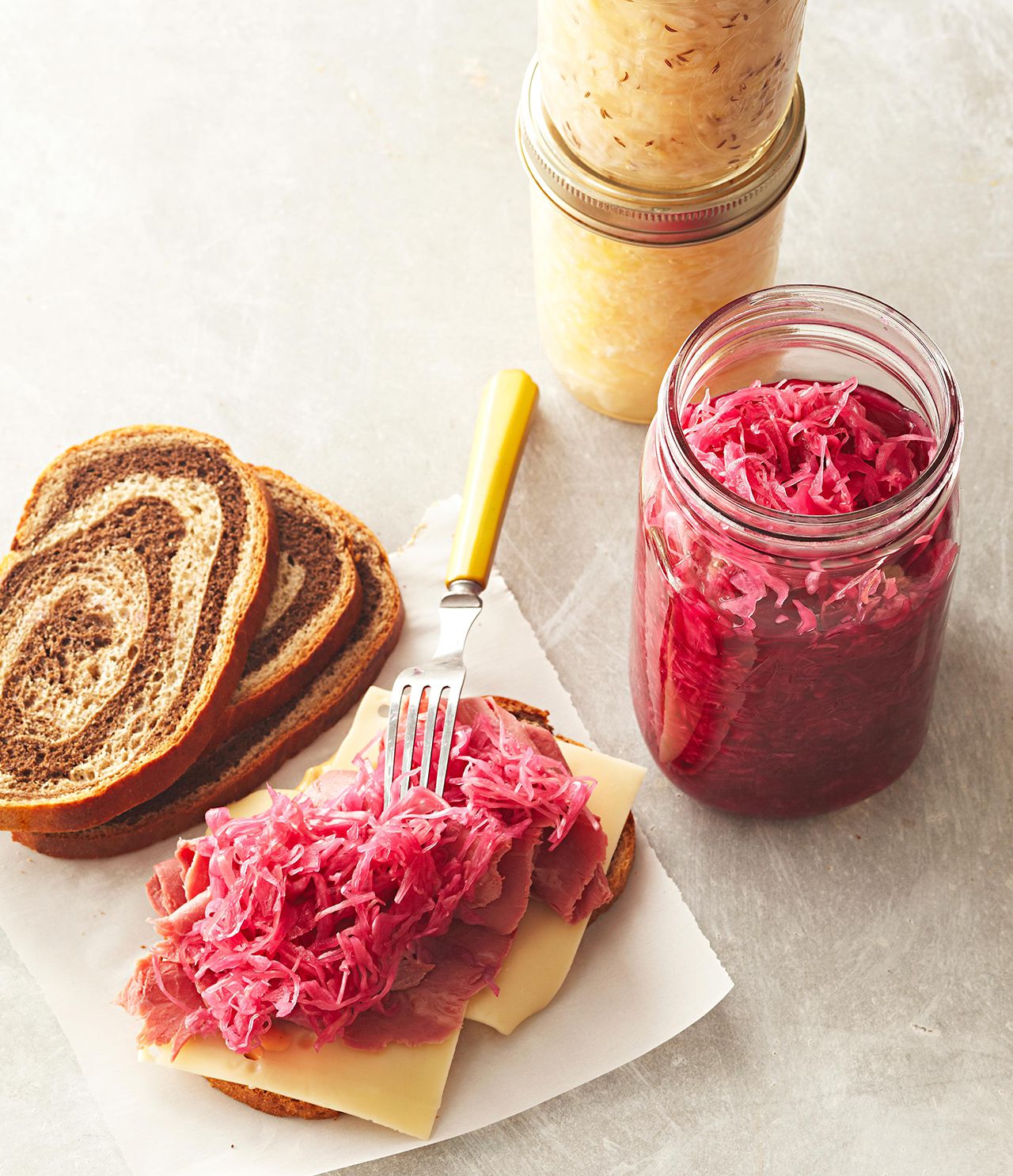
Note: This recipe is for refrigerator quick pickles only. It is not designed for shelf-stable canning, water-bath processing, or storing jars at room temperature. Keep the finished pickles refrigerated, use clean utensils, and discard any batch that smells off, grows mold, becomes fizzy, or looks suspicious.
Some kitchen tricks feel almost suspiciously easy, like finding money in a coat pocket or realizing dinner can be “assembled” instead of “cooked.” Two-ingredient quick pickles with seasoned rice vinegar belong in that happy little category. You take fresh vegetables, add seasoned rice vinegar, wait a short while, and suddenly your refrigerator contains crunchy, tangy, bright little flavor bombs that make sandwiches, rice bowls, tacos, salads, eggs, noodles, burgers, and leftovers taste like they had a meeting with a very efficient chef.
The beauty of this method is that seasoned rice vinegar already does much of the heavy lifting. Regular rice vinegar is mild, clean, and lightly sweet compared with harsher vinegars. Seasoned rice vinegar goes one step further because it already includes sugar and salt. In other words, the brine is basically pre-built. You do not need to stand over a saucepan negotiating with granulated sugar, measuring salt like a chemistry student, or wondering whether your pickles taste “balanced” or just aggressively sour. The bottle did the math.
The main keyword here is two-ingredient quick pickles, but the real promise is bigger than a recipe. This is a low-effort refrigerator pickling method for people who want more flavor without committing to canning equipment, long fermentation, or a pantry that looks like a pioneer museum. It is fast, flexible, and friendly to beginners. If you can slice a cucumber and open a bottle, congratulations: you are emotionally ready.
What Are Two-Ingredient Quick Pickles?
Two-ingredient quick pickles are vegetables preserved briefly in a vinegar-based brine and stored in the refrigerator. They are called “quick” because they do not require weeks of fermentation or traditional canning. Depending on the vegetable and how thinly it is sliced, you can start tasting results in 15 to 30 minutes, although the flavor improves after several hours and usually peaks after a night in the fridge.
The two essential ingredients are simple:
- Fresh vegetables, such as cucumbers, red onions, carrots, radishes, jalapeños, daikon, cabbage, cauliflower, or green beans.
- Seasoned rice vinegar, enough to cover or mostly cover the vegetables in a clean jar or container.
Water is optional. Some cooks like to dilute seasoned rice vinegar with a splash of water for a softer, less tangy pickle, especially with delicate cucumbers or fruit. For the strictest two-ingredient version, use the vinegar straight from the bottle. For a gentler everyday pickle, use three parts seasoned rice vinegar to one part water. Either way, the finished jar belongs in the refrigerator.
Why Seasoned Rice Vinegar Works So Well
Seasoned rice vinegar is a shortcut with manners. It brings acidity, sweetness, and saltiness in one pour. The acidity gives pickles their sharp, refreshing bite. The sugar rounds out the vinegar and keeps it from tasting flat. The salt draws moisture from the vegetables and helps the brine move into the slices. Together, these three elements create the classic quick-pickle effect: crisp texture, lively flavor, and that irresistible “just one more forkful” quality.
Compared with distilled white vinegar, seasoned rice vinegar tastes softer and less nose-zapping. Compared with apple cider vinegar, it is cleaner and less fruity. Compared with unseasoned rice vinegar, it needs less help. That makes it especially good for Asian-inspired cucumber pickles, pickled red onions for rice bowls, carrot and daikon ribbons for sandwiches, and quick jalapeños for tacos or noodle soups.
The Basic Two-Ingredient Quick Pickle Formula
Here is the simplest version. Start with this, then adjust based on your taste and the vegetables you have.
Ingredients
- 2 cups thinly sliced vegetables
- 3/4 to 1 cup seasoned rice vinegar, or enough to mostly cover the vegetables
Optional, But Useful
- 1 to 3 tablespoons water, if you want a milder pickle
- A clean jar with a tight-fitting lid
- A small piece of parchment, a fermentation weight, or a clean spoon to help keep vegetables submerged
Instructions
- Wash and dry the vegetables. Dirt is not seasoning. Rinse produce well and pat it dry.
- Slice evenly. Thin slices pickle faster. Coins, ribbons, matchsticks, and thin wedges all work.
- Pack the jar. Place the vegetables into a clean glass jar or food-safe container. Do not crush them into vegetable paste; snug is good, violent is not.
- Add seasoned rice vinegar. Pour in enough vinegar to cover the vegetables or come very close. Press the vegetables down so they contact the brine.
- Rest, then refrigerate. Let the jar sit for 10 to 20 minutes while the vegetables relax into the brine, then refrigerate.
- Taste and enjoy. Thin cucumbers and onions may taste good in 15 to 30 minutes. Carrots, daikon, cauliflower, and green beans are better after several hours or overnight.
Best Vegetables for Seasoned Rice Vinegar Pickles
The best vegetables for this method are crisp, fresh, and able to absorb flavor without falling apart. Think crunchy produce with personality.
Cucumbers
Cucumbers are the gateway pickle. Persian cucumbers, English cucumbers, Kirby cucumbers, and small garden cucumbers all work well. Slice them into thin coins for fast pickling or spears for a crunchier snack. If the cucumber has many seeds, scoop some out to avoid watery brine. For extra crispness, refrigerate the cucumbers before slicing.
Red Onions and Shallots
Red onions turn bright pink, soften quickly, and make almost anything taste more exciting. Slice them thinly from root to tip so they keep a little structure. Shallots are milder and feel fancy, even if you are eating them over leftover chicken at midnight.
Carrots and Daikon
Carrots and daikon are excellent for rice bowls, banh mi-style sandwiches, salads, grilled meats, and noodle dishes. Cut them into matchsticks or use a vegetable peeler for ribbons. They need more time than cucumbers, so give them at least two hours, preferably overnight.
Radishes
Radishes become less peppery and more refreshing after a short vinegar soak. Thin rounds are best. They also tint the brine pink, which makes your fridge look like it has developed a sense of style.
Jalapeños and Other Peppers
Thinly sliced jalapeños become tangy, spicy, and slightly sweet. Use them on tacos, nachos, burgers, eggs, and grilled cheese. If you want less heat, remove the seeds and inner ribs before pickling.
Cauliflower and Green Beans
These sturdier vegetables are best cut small. For a better texture, briefly blanch green beans or cauliflower, then cool them before adding vinegar. They will not become fully pickled in 15 minutes, but after a night in the refrigerator they become snappy, bright, and snackable.
Cold Brine vs. Warm Brine: Which Is Better?
For two-ingredient quick pickles, a cold brine is usually enough. Just pour seasoned rice vinegar over the vegetables and refrigerate. Cold brine keeps cucumbers crisp and fresh, protects delicate produce, and requires almost no effort.
A warm brine can be helpful for firmer vegetables such as onions, peppers, carrots, cauliflower, and green beans. Heating the seasoned rice vinegar briefly helps it penetrate dense vegetables faster. If you warm the vinegar, do not boil it into oblivion. Heat it just until steaming, pour it over the vegetables, let the jar cool at room temperature for a short time, then refrigerate. Never seal hot jars and leave them on the counter as if they are canned goods. They are not.
How Long Do Quick Pickles Take?
The timing depends on thickness, vegetable type, and how strong you like your pickles. Thin cucumber slices can be tasty after 15 minutes. Red onions often soften and brighten within 30 minutes. Carrots, daikon, and cauliflower need a few hours to become truly flavorful. Overnight is the sweet spot for most mixed vegetable jars.
Here is a practical timing guide:
- 15 to 30 minutes: cucumbers, thin red onions, radishes, jalapeño slices
- 2 to 4 hours: carrot ribbons, daikon matchsticks, cabbage, shallots
- Overnight: cauliflower florets, green beans, thick carrot sticks, mixed vegetable jars
Flavor keeps developing in the refrigerator. The vegetables get tangier, saltier, and softer over time. If you want maximum crunch, eat them within the first few days. If you want deeper pickle flavor, wait until tomorrow. Patience is optional, but it is usually rewarded.
Food Safety: The Part That Keeps the Fun Fun
Quick pickles are easy, but they still deserve basic food-safety respect. The most important rule is simple: keep them refrigerated. This is not a canning recipe. Seasoned rice vinegar is often lower in acidity than standard 5% pickling vinegar, and the method does not include tested heat processing. That means the jar should live in the refrigerator, not on a pantry shelf, windowsill, picnic table, or decorative farmhouse display.
Use clean jars, clean hands, and clean utensils. Keep vegetables submerged in brine as much as possible. Do not fish around in the jar with fingers, even if you are alone and the pickles “understand you.” They do not. Use a fork.
For best quality, eat homemade quick pickles within one to two weeks. Some refrigerator pickle recipes last longer, but the two-ingredient method is intentionally simple, so a shorter window is smarter. Discard the batch if you see mold, bubbling, sliminess, a yeasty smell, or anything that makes your inner food-safety alarm ring.
Flavor Ideas Without Ruining the Two-Ingredient Spirit
The basic recipe needs only vegetables and seasoned rice vinegar. But once you have made it once, you may want to customize. These additions are optional, not required.
For Heat
Add sliced jalapeño, crushed red pepper flakes, a dried chile, or a spoonful of chili crisp after the pickles are finished. If using chili crisp, remember it adds oil and seasoning, so eat the batch sooner.
For Freshness
Add dill, cilantro stems, mint, basil, or scallions. Fresh herbs make quick pickles taste brighter but can also fade faster, so use those jars within a few days.
For Aroma
Add a smashed garlic clove, thin ginger slices, mustard seeds, coriander seeds, or black peppercorns. Garlic may turn blue or green in acidic brines. It can look dramatic, like it is auditioning for a science-fiction movie, but it is usually harmless when the batch otherwise smells and looks normal.
How to Use Two-Ingredient Quick Pickles
Quick pickles are not just a side dish. They are a problem-solving condiment. Is your rice bowl too plain? Add pickled carrots. Is your sandwich heavy? Add pickled onions. Did your leftovers taste like “Tuesday in a container”? Add cucumbers pickled in seasoned rice vinegar and suddenly Tuesday has a passport.
Try them with:
- Turkey, tuna, chicken, or grilled cheese sandwiches
- Rice bowls with salmon, tofu, chicken, pork, or fried eggs
- Tacos, nachos, burritos, and quesadillas
- Cold noodle salads and ramen bowls
- Burgers, hot dogs, and barbecue plates
- Avocado toast, egg salad, and deviled eggs
- Charcuterie boards, snack plates, and lunch boxes
The flavor works because acidity cuts richness. A fatty burger tastes better with something sharp. A creamy egg salad wakes up when pickled onions arrive. A rice bowl becomes more balanced when crunchy vegetables bring tang and sweetness. That is the quiet genius of seasoned rice vinegar pickles: they do not shout, but they fix things.
Common Mistakes and How to Fix Them
The Pickles Are Too Sour
Add a splash of water to the jar and gently shake. Next time, dilute the seasoned rice vinegar slightly before pouring it over delicate vegetables. Cucumbers especially can handle a lighter brine.
The Pickles Are Too Sweet
Use more vegetables to balance the brine, or add a small splash of unseasoned rice vinegar if you have it. Next time, choose a less sweet brand of seasoned rice vinegar or mix it with plain rice vinegar.
The Vegetables Are Soft
They may have been sliced too thin, left too long, or started out less than fresh. Use crisp vegetables, chill them first, and avoid hot brine for cucumbers. For maximum crunch, eat quick pickles within the first few days.
The Flavor Is Weak
Slice thinner, wait longer, or use a warmer brine for dense vegetables. Carrots and cauliflower need more time than onions or cucumbers. They are not ignoring the brine; they are just sturdy.
The Vegetables Float
Floating happens. Press them down with a clean spoon, use a small piece of parchment under the lid, or shake the jar occasionally. The goal is even contact with the vinegar.
Experience Notes: What Making These Pickles Teaches You
The first experience most people have with two-ingredient quick pickles is disbelief. You put cucumbers in a jar, pour seasoned rice vinegar over them, walk away for a short time, and somehow they return as a snack with confidence. It feels like cheating, but in the best possible way. The vinegar brings the tang, the sugar rounds the edges, and the salt quietly does its job while you do something more important, such as cleaning the cutting board or pretending you are going to fold laundry.
After a few batches, you start noticing small details. Thin slices are fast and punchy, while thicker cuts stay crunchier but need more time. Cucumbers are fresh and immediate; onions are dramatic and colorful; carrots are reliable and cheerful; radishes are peppery at first, then surprisingly elegant. A mixed jar is fun, but single-vegetable jars teach you more because every vegetable behaves differently. Cucumbers give up water quickly. Onions mellow. Daikon absorbs flavor like it was born ready. Jalapeños bring heat to the whole jar, so do not add them unless you want the brine to remember.
The biggest lesson is that quick pickles make ordinary meals feel intentional. A bowl of rice and eggs becomes lunch. Leftover grilled chicken becomes a rice bowl. A basic sandwich tastes sharper and cleaner. Even a snack plate of crackers, cheese, and vegetables feels more complete with a little pile of tangy cucumbers or onions. Quick pickles add contrast, and contrast is what many home meals are missing. Soft needs crisp. Rich needs acid. Salty needs brightness. The pickle understands the assignment.
There is also a practical rhythm to keeping them in the refrigerator. When vegetables look like they are about to lose their charm, pickle them. Half a red onion, three lonely radishes, one cucumber, a carrot that has seen better lighting: all of them can become useful again. This is not just a recipe; it is a small anti-waste habit. You stop seeing extra vegetables as clutter and start seeing them as future toppings.
One of the best experiences is learning your house style. Maybe you like straight seasoned rice vinegar for bold, sushi-bar brightness. Maybe you prefer a splash of water for mellow crunch. Maybe you always add ginger to carrots, jalapeño to onions, or dill to cucumbers. The method is forgiving enough that you can experiment without turning dinner into a research grant.
The final lesson is restraint. Because the recipe is easy, it is tempting to add twelve spices, three herbs, garlic, chile oil, sesame seeds, and a motivational speech. Sometimes that is delicious. But the pure two-ingredient version has its own charm. It tastes clean, fast, and useful. It reminds you that good food does not always require more ingredients. Sometimes it requires the right shortcut, a clean jar, and enough self-control not to eat the pickles before dinner.
Conclusion: The Fastest Way to Add Crunch, Tang, and Personality
Making two-ingredient quick pickles with seasoned rice vinegar is one of the easiest ways to upgrade home cooking. The method is fast enough for a weeknight, flexible enough for almost any crisp vegetable, and flavorful enough to make leftovers exciting again. You do not need canning skills, special equipment, or a complicated brine. You need vegetables, seasoned rice vinegar, a clean container, and a refrigerator.
Use cucumbers when you want instant crunch, red onions when you want color and bite, carrots and daikon when you want a sandwich or bowl topping, and jalapeños when dinner needs a tiny fireworks show. Keep the pickles cold, eat them while they are fresh, and never mistake refrigerator pickles for shelf-stable preserves. Do that, and this simple method will become one of those kitchen tricks you use again and again.
In a world full of recipes that ask for seventeen ingredients and emotional availability, two-ingredient quick pickles are refreshingly reasonable. They are bright, crisp, useful, and just fancy enough to make you feel like you planned aheadeven when you absolutely did not.