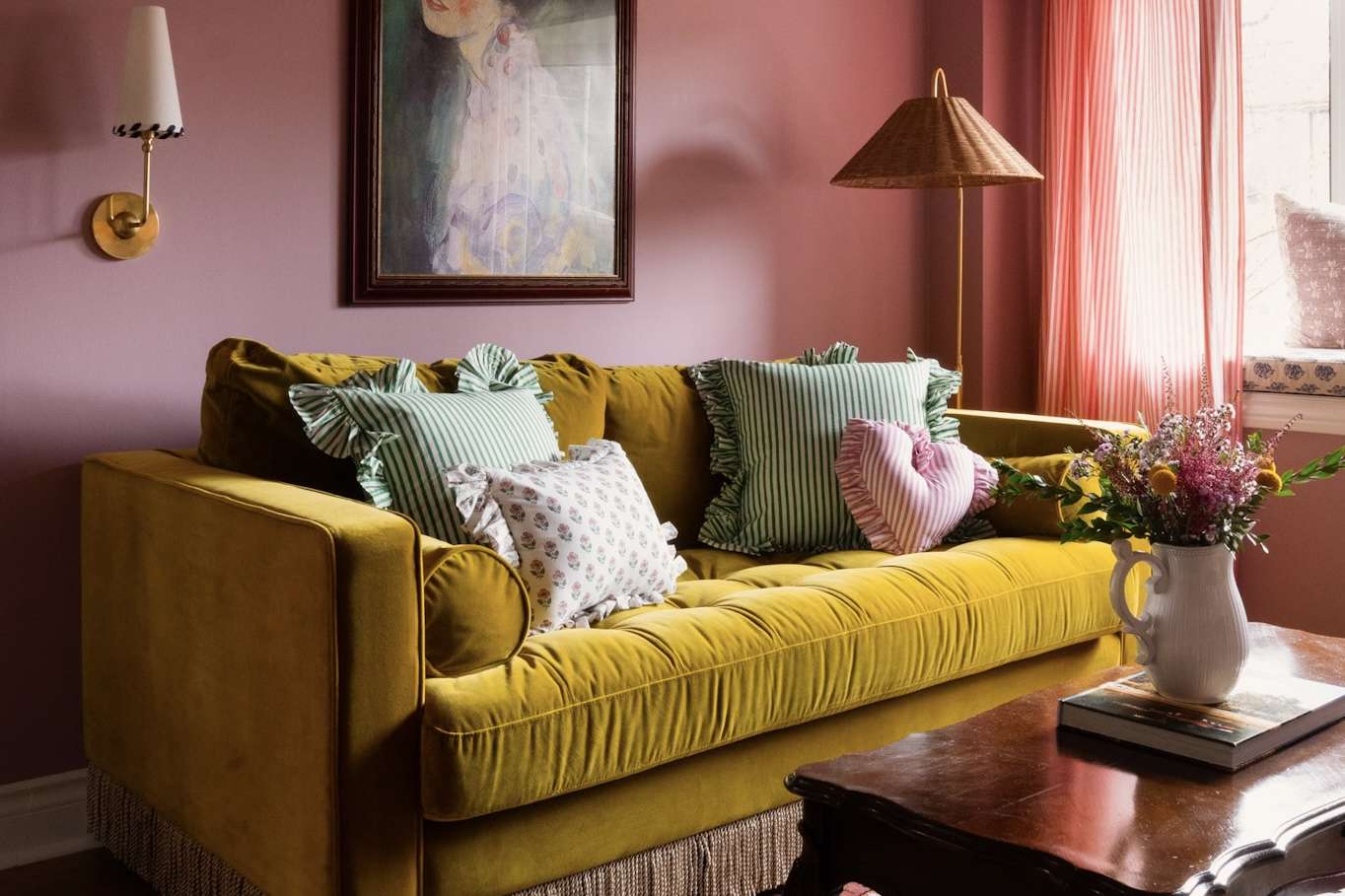
There was a time when “grandma decor” sounded like a polite way to say, “Please remove the doily from the television.” But design has a wicked sense of humor. After years of white walls, gray sofas, invisible hardware, and homes that looked like nobody dared eat spaghetti in them, the warm, patterned, collected style of Grandma’s house has returned with a wink, a floral lampshade, and possibly a lemon cake under a glass dome.
Today’s grandma decor trends are not about recreating a dusty parlor or living inside a time capsule. The updated lookoften called grandmillennial style, grandmacore, or granny chic decormixes vintage charm with modern comfort. Think floral wallpaper paired with clean-lined furniture, antique wood pieces next to contemporary art, skirted tables hiding storage, and embroidered pillows that say, “I have personality, and yes, I know where the good snacks are.”
The best part? These nostalgic decor ideas make a home feel personal again. They celebrate hand-me-downs, thrifted treasures, layered patterns, real materials, and rooms that look lived-in instead of staged for a robot with excellent credit. Below are the “grandma” decor trends making a stylish comebackand how to use them in a way that feels fresh, elevated, and completely ready for modern life.
What Is Grandma Decor, Really?
Grandma decor is a cozy, nostalgic decorating style inspired by the pieces many people remember from older family homes: chintz fabrics, rattan chairs, floral wallpaper, china cabinets, lace curtains, needlepoint pillows, dark wood furniture, patterned lampshades, and collections with stories behind them. In its modern form, the style is less about clutter and more about character.
Instead of buying everything new from the same showroom, this look encourages you to mix eras. A contemporary sofa can sit beside a vintage side table. A thrifted oil painting can hang over a sleek console. A ruffled pillow can soften a minimalist bed. The magic is in the tension: old and new, fancy and casual, polished and slightly imperfect.
Why Grandma Decor Is Trending Again
The comeback makes sense. After a long run of minimalist interiors, many homeowners are craving warmth, comfort, and individuality. A room filled only with beige can be peaceful, but sometimes it whispers, “I have no hobbies.” Grandma-inspired design adds soul. It brings pattern, texture, memory, and a feeling that someone might offer you tea without asking why you are sitting on the floor scrolling paint colors at midnight.
Another reason is sustainability. Vintage and antique pieces are often better made than fast furniture, and buying secondhand keeps usable items out of landfills. A solid wood dresser with a few scratches can be refinished, painted, or simply loved as it is. In a culture tired of disposable trends, grandma decor feels refreshingly durable.
Finally, social media has made old-school interiors look exciting again. Cozy kitchens, cottage-style bedrooms, pattern-drenched powder rooms, and vintage gallery walls photograph beautifully because they have layers. They tell a story. And in home design, a good story beats a perfect showroom every time.
1. Floral Wallpaper Is Blooming Again
Wallpaper used to be treated like a commitment on the level of marriage or adopting a parrot. Now, thanks to peel-and-stick options, improved installation methods, and bolder design confidence, floral wallpaper is back in a big way.
How to Make It Modern
Choose florals with updated colors, larger scale, or unexpected backgrounds. A moody botanical print in a powder room can feel dramatic and luxurious. A soft blue floral in a bedroom adds calm without looking sleepy. If full walls feel intimidating, try wallpaper inside a bookcase, on a ceiling, behind open shelves, or framed as art.
The trick is to balance the sweetness. Pair floral wallpaper with simple lighting, natural wood, clean bedding, or modern black accents. That contrast keeps the room from becoming too precious. Grandma would approve, although she might ask why the wallpaper is on the ceiling.
2. Chintz Is No Longer a Design Crime
Chintzthe glossy cotton fabric often covered in lush floralswas once associated with overstuffed sofas and 1980s excess. Now it is enjoying a fashionable second act. The modern version is lively, romantic, and surprisingly versatile.
Where to Use Chintz
Start small with throw pillows, a lampshade, a bench cushion, or curtains. If you are more confident, use chintz on a headboard or accent chair. A single chintz piece can wake up a neutral room and make it feel collected rather than decorated in one afternoon.
For the freshest look, mix chintz with solids, stripes, checks, or natural textures. A floral chair beside a jute rug and a modern brass lamp feels intentional. A floral chair beside seven other floral chairs, floral curtains, floral carpet, and floral teacups may require a search party.
3. Café Curtains Are Cute, Practical, and Back
Café curtains cover the lower portion of a window, giving privacy while still allowing light to pour in. They are especially charming in kitchens, breakfast nooks, bathrooms, laundry rooms, and cottage-style spaces.
Why They Work Today
Modern café curtains are not limited to fussy lace. They can be linen, gingham, block print, ticking stripe, sheer cotton, or embroidered fabric. They soften hard surfaces, add pattern, and make a kitchen feel less like a laboratory and more like a place where pancakes might happen.
Use simple rods in brass, black, or wood for an updated finish. If the window is small, café curtains can make it feel intentional instead of forgotten. If the view is less than glamoroushello, neighbor’s recycling binsthey are also a design blessing.
4. Skirted Furniture Is Stylish Storage in Disguise
Skirted tables and skirted chairs are returning because they offer softness, movement, and secret storage. A skirted console can hide baskets, cords, pet toys, board games, or the pile of things you promised yourself you would organize last Tuesday.
How to Avoid a Dated Look
Keep the fabric tailored. A crisp pleated skirt in linen, ticking stripe, or solid cotton feels fresh. Avoid overly shiny fabrics or heavy ruffles unless you are intentionally creating a romantic cottage look. A skirted table works beautifully in an entryway, bedroom, living room, or dining room corner.
For a designer touch, repeat the fabric elsewhere in a small wayperhaps on a pillow or lampshade. This creates cohesion without making the room look like it came with matching accessories in a plastic bag.
5. Wicker and Rattan Are Moving Beyond the Porch
Wicker and rattan have long been associated with sunrooms and screened porches, but they are now showing up everywhere: bedrooms, dining rooms, living rooms, bathrooms, and even home offices. Their appeal is easy to understand. They bring texture, warmth, and a relaxed vintage feel without adding visual heaviness.
Best Ways to Use Them
Try a rattan side table, wicker trunk, cane-back dining chair, woven pendant light, or vintage rattan headboard. These pieces pair well with floral fabrics, painted furniture, crisp white walls, and warm wood floors.
To modernize the look, mix wicker with sleeker materials. A rattan chair beside a sculptural floor lamp feels current. A cane cabinet under abstract art looks fresh. The goal is not “Florida room from 1978,” unless that Florida room has excellent lighting and cocktails.
6. Needlepoint, Embroidery, and Handmade Details Feel Special Again
Handmade decor is having a moment because it adds something mass-produced items cannot: evidence of human patience. Needlepoint pillows, embroidered linens, crocheted throws, quilted blankets, and stitched wall art all bring texture and personality.
How to Style Handmade Pieces
Use one or two pieces as accents. A needlepoint pillow on a leather chair adds wit. Embroidered napkins make a dinner table feel thoughtful. A quilt at the end of a bed adds color and comfort. The key is editing. Handmade details should feel treasured, not like the craft closet exploded.
Look for pieces at estate sales, vintage shops, flea markets, and family storage bins. If a pillow has a slightly odd phrase or a tiny stitched bird wearing a hat, even better. Homes need conversation starters.
7. Dark Wood Furniture Is Back From Exile
For years, dark wood furniture was pushed aside in favor of pale oak, white lacquer, and light Scandinavian-inspired pieces. Now walnut, cherry, mahogany, and other rich woods are returning because they add depth and history.
How to Keep Dark Wood From Feeling Heavy
Balance dark furniture with lighter walls, airy curtains, colorful art, or patterned textiles. A vintage mahogany dresser can look stunning with a modern mirror and simple ceramic lamp. A dark wood dining table feels inviting with upholstered chairs and fresh flowers.
Do not be afraid of scratches or patina. Small imperfections give older pieces charm. A brand-new table says, “Please use a coaster.” A vintage table says, “I have survived Thanksgiving, toddlers, and someone’s experimental fondue night.”
8. China Cabinets and Display Storage Are Cool Again
Open shelves had their moment, but the china cabinet is quietly reclaiming its throne. The new approach is less formal and more personal. Instead of displaying only fine china that nobody uses, fill a cabinet with colorful glassware, ceramics, cookbooks, baskets, framed photos, or collected objects.
Modern Display Tips
Group items by color, shape, or material to keep the display from feeling chaotic. Mix practical pieces with decorative ones. Leave some breathing room between objects. If the cabinet feels too traditional, paint the interior a bold color or add wallpaper to the back panel.
A display cabinet gives your home instant depth. It suggests history, even if half the “heirlooms” came from a thrift store last weekend and one of them is a mug shaped like a cabbage.
9. Pattern Mixing Is the New Neutral
Grandma knew something modern minimalism forgot: patterns can get along if you introduce them properly. Florals, stripes, checks, toile, plaid, and block prints can live happily in one room when they share a color palette.
The Simple Formula
Choose one dominant pattern, one medium-scale pattern, and one small-scale pattern. For example, use floral curtains, striped pillows, and a tiny check on a lampshade. Repeat two or three colors throughout the space to create harmony.
If you are nervous, start in a small room such as a powder bath, entryway, or guest bedroom. Small spaces are perfect for bold design experiments because they are easier to update and naturally feel more jewel-box-like.
10. Vintage Lamps and Pleated Shades Add Instant Charm
Lighting is one of the easiest ways to bring grandma-inspired decor into a modern home. Vintage ceramic lamps, brass candlestick lamps, milk glass bases, and pleated fabric shades create a soft glow that overhead lighting simply cannot match.
How to Update Old Lamps
Rewire vintage lamps if needed, replace worn shades, and choose warm bulbs. A pleated shade in a solid color or small print can make even a basic lamp feel custom. Place lamps at different heights around a room to create warmth and depth.
Never underestimate the power of a lamp on a kitchen counter, bathroom vanity, or bookshelf. It says, “This room has ambiance,” which is much nicer than, “This room is lit like a dentist’s office.”
11. Gilded Mirrors and Ornate Frames Bring Back the Drama
Gold-framed mirrors and ornate picture frames once seemed too formal for everyday homes. Now they are being used to add contrast, age, and glamour. A gilded mirror over a simple console can transform an entryway. A vintage frame around modern art creates a stylish surprise.
Where They Shine
Use ornate mirrors in powder rooms, dining rooms, bedrooms, and hallways. They reflect light, add architecture, and make a space feel more finished. If the frame is very elaborate, keep nearby decor simple so the piece can be the star.
12. Collections Are WelcomeBut Curated
Grandma decor celebrates collections: plates, baskets, books, blue-and-white porcelain, candlesticks, vintage art, quilts, and little objects with stories. The modern rule is simple: collect with intention, then display with restraint.
How to Display Collections Without Clutter
Group similar items together instead of scattering them everywhere. Hang plates as wall art. Place candlesticks in odd-numbered groups. Stack books horizontally and vertically. Use trays to contain small objects. The goal is a collected home, not a souvenir shop having an emotional moment.
13. Painted Furniture With Patina Feels Personal
Painted furniture is another grandma-adjacent trend returning with confidence. A hand-painted cabinet, vintage dresser, or folk-art-inspired chest adds color and craft. Pieces with patina feel especially appealing because they look like they have lived a life.
Best Places to Try It
Use a painted piece in an entryway, dining room, bedroom, or hallway. Soft greens, dusty blues, creamy whites, ochre, and deep red tones work beautifully with traditional decor. Pair painted furniture with natural wood and woven textures for balance.
If you are painting a thrifted piece yourself, choose quality primer and durable paint. Hardware matters, too. New brass knobs or vintage pulls can make a humble dresser look like it has a trust fund.
How to Bring Grandma Decor Into a Modern Home
The secret to making these grandma decor trends feel better than ever is balance. You do not need to use every trend at once. In fact, please do not invite floral wallpaper, chintz, lace curtains, skirted tables, wicker, needlepoint, and twelve china cabinets into the same room unless you are opening a very charming bed-and-breakfast.
Start with one nostalgic element you genuinely love. Maybe it is café curtains in the kitchen, a vintage lamp in the bedroom, or a floral chair in the living room. Then add contrast. Pair old pieces with modern shapes. Mix soft fabrics with clean lines. Use traditional patterns in fresh colors. Leave negative space so special pieces can breathe.
Most importantly, decorate with meaning. Grandma decor works because it feels human. It values memory, comfort, and personality over perfection. A home should not look like everyone else’s algorithm. It should look like you live there, laugh there, spill coffee there, and occasionally hide things in a skirted table five minutes before guests arrive.
Experience Notes: What These Trends Look Like in Real Homes
In real homes, grandma-inspired decor often works best when it begins with one emotional anchor. That anchor might be a quilt from a family member, a vintage dresser found at a neighborhood estate sale, a set of floral plates, or a chair that looks slightly too fancy for daily life but is secretly the most comfortable seat in the room. Once that piece is chosen, the rest of the space can grow around it naturally.
One common experience is that people underestimate small changes. A kitchen does not need a full renovation to feel warmer. Adding café curtains, a patterned runner, a small lamp, and a few old wooden cutting boards can completely change the mood. Suddenly the room feels like a place to linger instead of a place to unload groceries and flee. The same is true in bedrooms. A pleated lampshade, vintage nightstand, embroidered pillow, and layered bedding can make a plain room feel thoughtful without replacing the major furniture.
Another lesson is that vintage pieces usually need a little breathing room. A beautiful antique cabinet can look elegant in a simple room, but if every surface is packed with objects, the eye gets tired. The most successful grandma decor homes use editing as much as layering. They display collections, but they group them. They mix patterns, but they repeat colors. They embrace nostalgia, but they avoid turning the room into a museum where nobody is allowed to sit down.
People also discover that older furniture changes the way a room feels physically. Solid wood tables, real wicker, cotton curtains, wool rugs, and ceramic lamps add texture that flat-pack furniture often cannot deliver. These materials make a space feel grounded. Even when the room includes modern pieces, the vintage elements add weight and warmth. That is why a single dark wood dresser can make a white bedroom feel more finished, or why a rattan chair can soften a sleek living room.
The most enjoyable part of this style is the hunt. Finding the right vintage mirror or lamp takes patience, but that patience makes the final room more rewarding. Instead of clicking “add to cart” for everything at once, the home evolves. A flea market painting appears one month. A gingham shade arrives the next. A thrifted side table gets painted on a Saturday afternoon. Over time, the room begins to feel collected rather than assembled.
Grandma decor is also forgiving. It welcomes the slightly imperfect, the sentimental, and the quirky. If a pillow has a tiny stain, flip it. If a cabinet has a scratch, call it patina. If a floral print feels a little bold, balance it with a stripe and pretend you planned the whole thing with French confidence. The style is not about perfection. It is about comfort, memory, and charmthe kind of home that makes guests relax their shoulders, accept a cookie, and say, “It just feels good in here.”
Conclusion
Grandma decor is back because it offers what many modern homes have been missing: warmth, personality, craft, and a sense of story. Floral wallpaper, chintz, café curtains, wicker, heirloom furniture, handmade textiles, and vintage lamps are not just nostalgic details. Used thoughtfully, they make rooms feel layered, welcoming, and original.
The updated look is not about copying the past exactly. It is about borrowing the best partscomfort, quality, pattern, charmand giving them a modern refresh. So yes, Grandma was right about the curtains, the good wood furniture, the pretty dishes, and possibly the emergency hard candies. Her style was never gone. It was just waiting for the rest of us to catch up.