Some kitchen tools announce themselves with drama. A stand mixer roars. A blender threatens the peace treaty with your neighbors. A skillet gets its own heroic sizzle. Herder Breakfast Cutlery, by contrast, wins you over quietly at 7:12 a.m., somewhere between the first slice of toast and the moment you realize your butter is still cold enough to qualify as masonry.
Made by Robert Herder Windmühlenmesser in Solingen, Germany, Herder breakfast cutlery is best known for the traditional Buckels knife shape: a rounded, broad, practical blade designed for cutting rolls, bread, cheese, cured sausage, fruit, and spreads. It is the rare table knife that does not look like a miniature sword pretending to be polite. Instead, it looks exactly like what it is: a sharp, beautifully balanced, hardworking breakfast companion.
For American shoppers used to dishwasher-safe flatware sets sold by the dozen, Herder Breakfast Cutlery feels delightfully different. It belongs to the old-world tradition of tools made for daily rituals, not just table settings. A Herder breakfast knife or two-piece breakfast set can turn a simple plate of toast, jam, soft cheese, fruit, and coffee into something that feels intentional. Not fancy in the “tiny fork for one olive” sense, but fancy in the “this object actually works” sense.
What Is Herder Breakfast Cutlery?
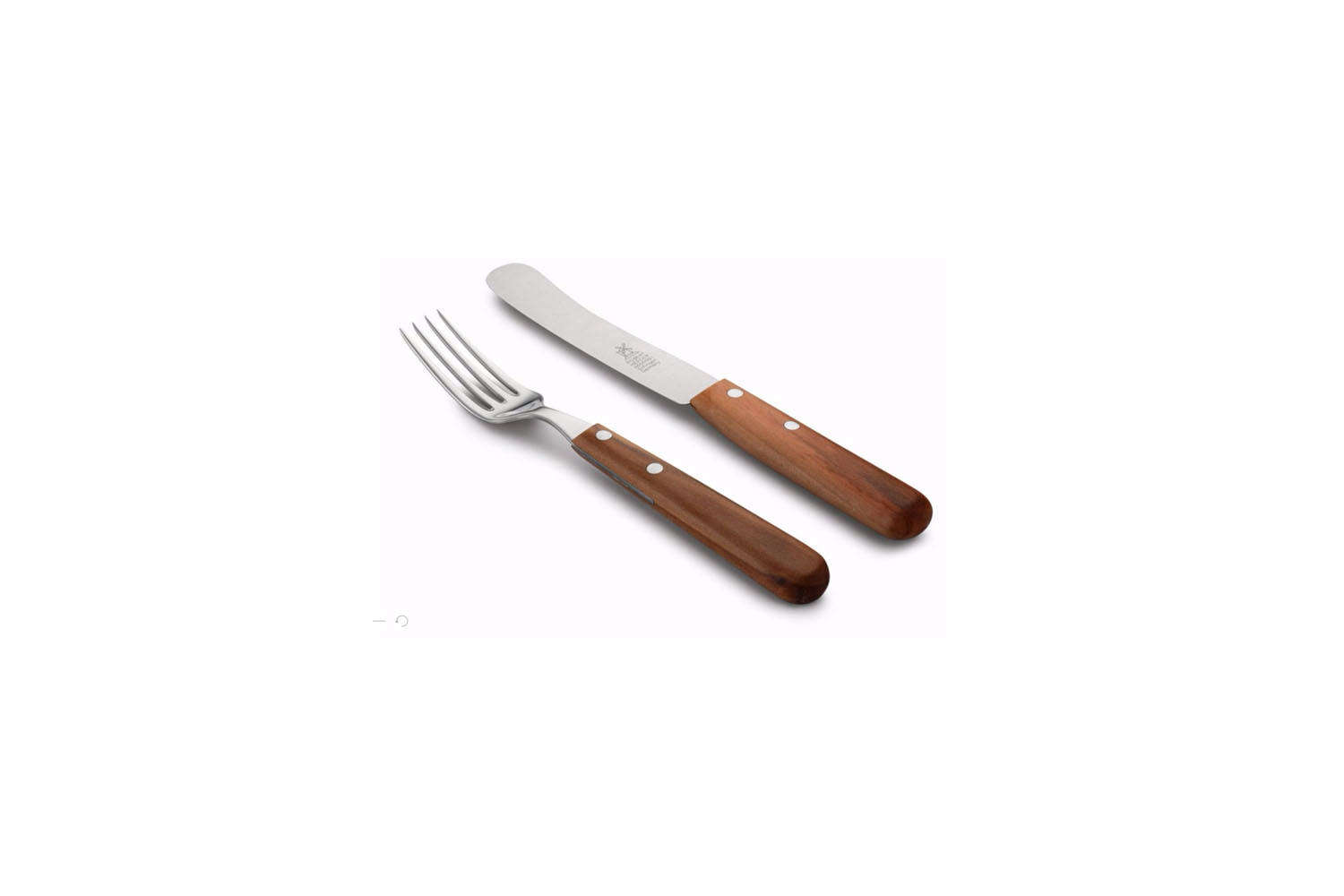
Herder Breakfast Cutlery usually refers to the breakfast-focused table knives and small cutlery sets made by Robert Herder Windmühlenmesser. The most recognizable piece is the Herder breakfast knife, often called the Buckels knife, Old German knife, or humpback knife. The word “Buckels” comes from the blade’s rounded, humped profile. It is blunt at the tip, broad through the blade, and thin enough to cut with surprising precision.
Depending on the retailer and configuration, Herder breakfast cutlery may appear as a single knife, a set of breakfast knives, a two-piece breakfast set with a knife and fork, or a four-piece flatware set that includes a knife, fork, spoon, and teaspoon. Handles vary by model, with cherry wood, apple wood, olive wood, plum wood, walnut, and other natural woods appearing across the range. The personality of the wood is part of the appeal. No two handles look exactly alike, which gives the table a warmer, less showroom-perfect character.
The cutlery is especially associated with German breakfast and supper traditions: bread rolls, cheese, cold cuts, jams, honey, butter, pâté, fruit, and small prepared foods. In other words, it was built for the kind of meal where cutting and spreading happen on the same plate. That sounds simple until you try doing it with a dull butter knife and a crusty roll that fights back like it has legal representation.
The Heritage: Solingen Craftsmanship in a Breakfast Knife
Robert Herder was founded in Solingen, Germany, a city famous for blades, knives, scissors, razors, and cutlery. The company’s Windmühlenmesser name, meaning “windmill knife,” comes from the windmill trademark that became part of the brand’s identity. Solingen’s reputation matters because it is not just a romantic label. It points to a long tradition of grinding, sharpening, and finishing blades with close attention to cutting feel.
One reason Herder knives are so admired is their thin grind. Many mass-market table knives are thick, blunt, and designed mainly to survive the dishwasher. A Herder breakfast knife takes a different approach. It is light, thin, and sharp, with a blade that glides through bread instead of smashing it into sad little crumbs. The result is less force, cleaner cuts, and a table knife that behaves more like a real kitchen tool.
The Herder Buckels shape has been produced for generations and is often described as one of Germany’s classic table-knife forms. It is not a trendy silhouette invented last Tuesday by a branding committee wearing linen aprons. It is a practical design that survived because breakfast kept happening, rolls stayed crusty, and people continued needing a knife that could spread butter without tearing bread to pieces.
Design Analysis: Why the Buckels Shape Works
A Rounded Tip That Spreads Beautifully
The wide, rounded tip is the first thing most people notice. Unlike a pointed steak knife, the Buckels knife has a friendly, spoon-like end that makes it excellent for spreading butter, jam, cream cheese, peanut butter, mustard, or soft cheese. Because the blade is broad, it covers more surface area with each pass. That means fewer awkward scraping motions and fewer moments where your toast looks like it lost a small construction accident.
A Thin Blade for Real Cutting
Many breakfast knives spread well but cut poorly. Others cut well but are too narrow or pointy for spreading. Herder breakfast cutlery solves that problem by combining a broad blade with a fine cutting edge. It can halve a roll, slice through cheese, trim fruit, cut salami, and still behave politely when asked to spread apricot jam. This is why it often becomes the knife people reach for even outside breakfast.
A Light Handle With Natural Warmth
Wood handles are a defining part of many Herder breakfast cutlery pieces. Cherry wood feels classic and warm. Apple wood has a slightly rarer, more refined appeal. Olive wood often brings dramatic grain, while plum and walnut add deeper tones. These handles are usually riveted and shaped for comfortable everyday use. The feel is not bulky or overbuilt. It is light, nimble, and quietly charming, like a tool that knows it has a job and does not need to shout about it.
Stainless Steel vs. Carbon Steel: Which One Should You Choose?
Herder breakfast knives may come in stainless steel or carbon steel versions, depending on the model. Both have strengths, and the better choice depends on your habits.
Stainless steel Herder breakfast cutlery is easier to maintain. It resists rust better, which makes it more forgiving for busy households. If your morning routine involves children, coffee spills, toast crumbs, and someone asking where the car keys are, stainless steel is probably the calmer choice. You still should not put wooden-handled Herder cutlery in the dishwasher, but stainless steel gives you a little more breathing room.
Carbon steel Herder knives are beloved for their cutting performance and ability to take a very fine edge. Carbon steel can develop a patina over time, especially when it meets acidic foods like apples, citrus, or tomatoes. That patina is part of the material’s character, not a flaw. However, carbon steel asks for better manners: wash it by hand, dry it right away, and do not leave it lounging wet in the sink like a tiny drama queen.
For most first-time buyers, a stainless Herder breakfast knife or breakfast cutlery set is the easiest introduction. For knife enthusiasts who enjoy patina, sharpening, and old-school material charm, carbon steel has a special appeal.
Best Uses for Herder Breakfast Cutlery
Toast, Rolls, and Crusty Bread
The Herder breakfast knife shines with bread. It can split rolls cleanly, cut toast into manageable pieces, and handle crusty edges without turning the inside into crumbs. It is especially useful for European-style breakfasts, but it works just as well with sourdough toast, bagels, biscuits, English muffins, and the heroic supermarket baguette you bought with noble intentions.
Cheese, Butter, and Spreads
Because the blade is broad, it spreads efficiently. Cold butter still needs a little patience, because physics remains stubborn, but the wide blade gives you better leverage. Soft cheese, ricotta, mascarpone, cream cheese, nut butter, honey, and jam are all natural partners. A Herder breakfast knife makes spreading feel less like scraping and more like painting, except the canvas is toast and the museum is your kitchen counter.
Fruit and Small Prep Tasks
The knife is not a chef’s knife, but it can handle quick fruit prep at the table. It can cut an apple wedge, trim a strawberry, slice a pear, or divide a pastry. Its shape is also useful for casual snack boards: cheese, sausage, pickles, soft bread, crackers, and spreads. That is why many people end up using it beyond breakfast for lunch plates, wine-and-cheese nights, and lazy dinners that proudly refuse to become recipes.
How It Compares With Ordinary Breakfast Knives
A standard American table knife is often designed for durability and uniformity. It is there to match the fork, survive the dishwasher, and sit neatly beside a dinner plate. It can spread butter, but it is rarely sharp enough to cut bread cleanly. Herder Breakfast Cutlery is different because the knife is not merely decorative flatware. It is a cutting tool.
The difference becomes obvious with a hard roll. A dull table knife tends to press down, crush the crumb, and skid around on the crust. A Herder Buckels knife bites into the surface with less pressure. The cut is cleaner, the roll stays airier, and fewer crumbs migrate across the table like they are looking for rental property.
Compared with a serrated steak knife, the Herder breakfast knife feels more versatile. A steak knife can saw through bread, but it is awkward for spreading. The Herder shape allows one tool to cut and spread without switching utensils. That sounds like a small convenience until you use it every morning. Then it becomes the kind of small convenience you get weirdly loyal about.
Care Guide: Keep It Beautiful for Years
Herder breakfast cutlery should be treated as fine wooden-handled cutlery, not as anonymous cafeteria flatware. The golden rule is simple: hand wash only. Wash the knife or fork with mild dish soap and a soft sponge, rinse it, and dry it immediately with a towel. Do not soak it. Do not run it through the dishwasher. Do not leave it in a puddle beside the sink while you “deal with it later,” because later is where good wood handles go to suffer.
Wood expands and contracts with moisture. Dishwashers combine heat, water, detergent, and aggressive drying cycles, all of which can damage natural handles over time. Occasional treatment with a food-safe mineral oil or suitable wood-care oil can help preserve the handle’s appearance. For carbon steel blades, immediate drying is even more important to reduce the risk of rust.
Food safety still matters, even at breakfast. If a knife touches raw meat or any high-risk food, wash and sanitize surfaces properly before using the tool on ready-to-eat foods. For everyday bread, cheese, and fruit use, normal hand washing and drying are usually sufficient. Keep the edge sharp, store it safely, and avoid tossing it loose into a crowded drawer where it can knock against other utensils.
Buying Tips: What to Look For
When shopping for Herder Breakfast Cutlery, start with the configuration. If you want the classic experience, buy a single Buckels breakfast knife or a set of four breakfast knives. If you want a more complete table setting, look for a two-piece breakfast cutlery set with a knife and fork, or a four-piece set with a knife, fork, spoon, and teaspoon.
Next, choose your handle material. Cherry wood is traditional and versatile. Apple wood feels distinctive and refined. Olive wood offers dramatic grain. Walnut looks rich and modern. If you like a coordinated table, buy matching handles. If you prefer a relaxed breakfast table, mix woods so each person has a different knife. This is also a clever way to prevent the classic household argument known as “someone took my good knife.”
Finally, check the blade material. Stainless steel is easier for most households. Carbon steel is more characterful but needs more care. Also check the size. Many large Herder breakfast knives are around 22 cm overall, while smaller versions may be closer to 19 cm. A larger knife feels more capable with rolls and cheese, while a smaller one is charming for toast, croissants, jam, and lighter breakfast plates.
Styling Herder Breakfast Cutlery at the Table
Herder cutlery looks best when paired with natural materials. Think linen napkins, ceramic plates, wooden boards, stoneware mugs, glass jars of jam, and a small dish of butter. It does not need a perfect tablescape. In fact, it looks better when the table feels lived-in: a half-cut loaf, a bowl of berries, coffee still steaming, and someone reading the news with crumbs on their sweater.
For a simple breakfast board, place sliced bread, soft cheese, fruit, cured meat, jam, and honey on a wooden board. Add one Herder breakfast knife for every two people, or one per guest if you want to be civilized before caffeine. The broad blade lets each person cut and spread without dragging three separate utensils into the situation.
For a weekday breakfast, keep one knife within reach near the toaster. It will likely become the tool you use for everything from splitting muffins to spreading almond butter. For weekend brunch, set the knife beside small plates and let it become part of the experience. Good cutlery does not have to be saved for guests. You are also a guest in your own kitchen, although admittedly one who knows where the messy drawer is.
Who Will Love Herder Breakfast Cutlery?
Herder Breakfast Cutlery is ideal for people who enjoy practical objects with heritage, texture, and purpose. It suits home cooks who care about sharpness, design lovers who appreciate traditional forms, and breakfast people who believe toast deserves better than a tired knife from the back of the drawer.
It also makes a thoughtful gift. A single Herder breakfast knife is small enough to feel personal but useful enough not to become clutter. A set of four breakfast knives makes a beautiful housewarming gift. A two-piece or four-piece cutlery set works well for newlyweds, design-conscious hosts, serious brunch people, or anyone who has ever looked at a crusty roll and thought, “There has to be a better way.”
It may not be the best choice for someone who insists every utensil must go into the dishwasher. Herder cutlery rewards a tiny bit of care. But that care is part of the relationship. Wash, dry, put away. Done. It is not high maintenance; it simply refuses to be treated like a spoon from a gas-station cereal cup.
Experience Notes: What Herder Breakfast Cutlery Feels Like in Daily Use
The best way to understand Herder Breakfast Cutlery is not by staring at product photos. It is by imagining the first breakfast where the knife quietly makes itself useful. You pull out a roll, still crusty on the outside, soft in the middle. With an ordinary table knife, you might press down, wiggle, saw, and finally create a ragged split that drops crumbs everywhere. With a Herder Buckels knife, the blade feels more confident. It starts the cut without much pressure, opens the roll cleanly, and leaves the inside looking like bread rather than insulation foam.
Then comes the butter test, the unofficial Olympics of breakfast cutlery. Cold butter is where weak knives reveal themselves. A narrow blade digs trenches. A dull blade skates. A clumsy knife tears toast. The broad Herder blade gives you enough surface area to lift, soften, and spread with control. It still cannot change the laws of dairy temperature, but it gives you a fighting chance. Jam spreads evenly. Cream cheese behaves. Nut butter stops clumping in one corner like it is hiding from responsibility.
In a shared breakfast setting, the knife feels social. It belongs on a board with sliced cheese, salami, cucumbers, cherry tomatoes, boiled eggs, and bread. People naturally use it for several tasks without thinking about it. One person cuts cheese. Another spreads mustard. Someone trims a piece of fruit. The knife moves around the table like a helpful guest who brought tools instead of opinions.
The wood handle changes the experience more than expected. Stainless flatware can feel cold and anonymous in the morning. A cherry, apple, olive, or walnut handle feels warmer, visually and physically. It makes breakfast feel less rushed, even when the schedule says otherwise. There is a small pleasure in picking up something that has grain, shape, and a sense of handwork. It reminds you that not every useful object needs to be shiny, heavy, and engineered to look like it belongs in a spaceship.
Over time, Herder breakfast cutlery tends to become a favorite by habit. It is the knife you reach for when making toast. Then it becomes the knife for cheese. Then for cutting a peach. Then for spreading hummus on crackers during an improvised dinner that you are absolutely calling “a tasting plate” instead of “I forgot to cook.” That is the charm. It slips into ordinary life and improves small routines without demanding attention.
There is also a pleasant ritual in caring for it. Hand washing and drying take only a moment, but they create a pause. Instead of throwing the knife into the dishwasher and forgetting it, you rinse it, wipe the blade, dry the handle, and put it back where it belongs. That tiny act of care makes the object feel less disposable. In a kitchen full of gadgets that promise to change your life and then end up in a cabinet with the waffle-stick maker, Herder Breakfast Cutlery offers something simpler: a daily tool that works beautifully and gets used often.
Conclusion: A Small Tool That Makes Breakfast Better
Herder Breakfast Cutlery proves that good design does not have to be loud. The Buckels breakfast knife is traditional, practical, handsome, and genuinely useful. Its rounded blade spreads beautifully, its fine edge cuts cleanly, and its wooden handle brings warmth to the table. Whether you choose a single breakfast knife, a two-piece breakfast set, or a full four-piece flatware set, the appeal is the same: everyday meals feel better when the tools actually respect the food.
For anyone who loves bread, butter, cheese, jam, and slow weekend breakfasts, Herder breakfast cutlery is more than a pretty table accessory. It is a reminder that small rituals matter. A better knife will not make the coffee brew itself, sadly. But it can make the toast cleaner, the butter smoother, the table warmer, and the morning feel just a little more human.