If you have ever stared at w/ in a text, notebook, to-do list, recipe card, medical form, class notes, or a suspiciously chaotic group chat and thought, “Is this a typo, a secret code, or the world’s laziest magic trick?”good news. It is not a glitch in the matrix. In standard American English, w/ usually means “with”. That is the core meaning, the short answer, and the reason this tiny mark-and-letter combo keeps popping up like an overachieving punctuation goblin.
But language loves drama, and the internet loves confusion. So while w/ most often means with, readers also mix it up with plain W in slang, which often means win, especially on social media. Then there are slash-based tone indicators like /s for sarcasm, plus technical or legal-looking forms like /s/ Jane Doe in e-signatures. In other words, one humble slash has been working overtime.
This guide breaks down the full w/ meaning, where it came from, how it is used in texting and shorthand, when it looks natural, when it looks messy, and why formal writing would usually prefer that you stop being cute and just spell out with. We will also look at examples, common misunderstandings, and real-life experiences with w/ so you can use it like a pro instead of like a raccoon typing in a hurry.
What Does W/ Mean?
W/ means “with.” It is a shorthand abbreviation made by pairing the letter w with a forward slash. You will most often see it in quick, informal writing where speed matters more than elegance. Think notes, text messages, checklists, spreadsheets, labels, forms, captions, and handwritten reminders that look like they were written during a mild emergency.
Here are a few fast examples:
- Coffee w/ oat milk = coffee with oat milk
- Meeting w/ marketing at 2 = meeting with marketing at 2
- Pasta w/ shrimp = pasta with shrimp
- Going w/ my cousin = going with my cousin
That is why w slash meaning is usually not mysterious at all. In most contexts, it is simply a compact way to save time and space. It is the linguistic version of taking the stairs two at a time: efficient, slightly impatient, and not always pretty.
Why People Use W/ Instead of Writing “With”
The reason is wonderfully unromantic: convenience. Abbreviations exist because people like getting to the point faster. In casual writing, w/ trims a common word down to two characters while staying easy to recognize. It is especially useful in spaces where every character, inch, or second counts.
Common reasons people use w/
First, it saves space. That matters in forms, labels, charts, menus, notes, and quick messages. Second, it saves time, especially in handwritten writing or fast-paced work settings. Third, it is visually familiar. Even if someone has never stopped to analyze it, many English speakers instantly understand w/ = with.
You will often see related shorthand forms too, such as w/o for without and c/o for care of. These forms are common enough that many readers recognize them immediately, even if they would never dream of putting them in a polished essay, cover letter, or wedding invitation. Your résumé is not the place to get funky with slash shorthand.
Where W/ Shows Up Most Often
1. Text messages and group chats
Texting is prime w/ territory. People use it when they are typing quickly and do not feel like giving every word the full royal treatment.
Examples:
- I’m going w/ Sarah.
- Do you want fries w/ that?
- I’ll check in w/ you later.
2. Notes and outlines
Students, office workers, journalists, nurses, project managers, and anyone who has ever scribbled on a sticky note at lightning speed know the power of shorthand. W/ is perfect for notes because it is quick, readable, and low maintenance.
3. Menus, labels, and product descriptions
Restaurants and retailers love saving space. That is why you might see “salad w/ chicken,” “blanket w/ hood,” or “kit w/ charger.” It is concise and easy to scan, especially in tight layouts.
4. Lists and planning documents
Shopping lists, task boards, travel plans, and calendar notes often use w/ because nobody wants a five-page grocery list that reads like Victorian literature.
5. Informal digital content
Captions, comments, forum posts, and quick social media copy sometimes use w/ as a stylistic shortcut. It looks casual, fast, and internet-native. Used lightly, it feels natural. Used in every sentence, it starts to look like your keyboard is charging by the character.
W/ vs. W: The Difference People Mix Up All the Time
This is where things get spicy. W/ and W are not the same in modern internet language.
W/ = with
This is shorthand. It is practical. It is about compression. It usually appears inside a sentence.
Example: I’m going w/ my brother.
W = win
Plain W is popular slang on social media, especially in comments and meme culture. It generally means a win, success, good move, or approval.
Examples:
- That outfit is a W.
- Huge W for the team tonight.
- Common W.
So if someone posts, “That’s a W,” they are probably praising something. If they write, “I went w/ them,” they are just saying they went with them. One is slang applause. The other is grammatical carpentry.
W/ vs. Other Slash Expressions
The forward slash has picked up a lot of side gigs over the years, so it helps to separate w/ from other slash-based expressions.
W/o
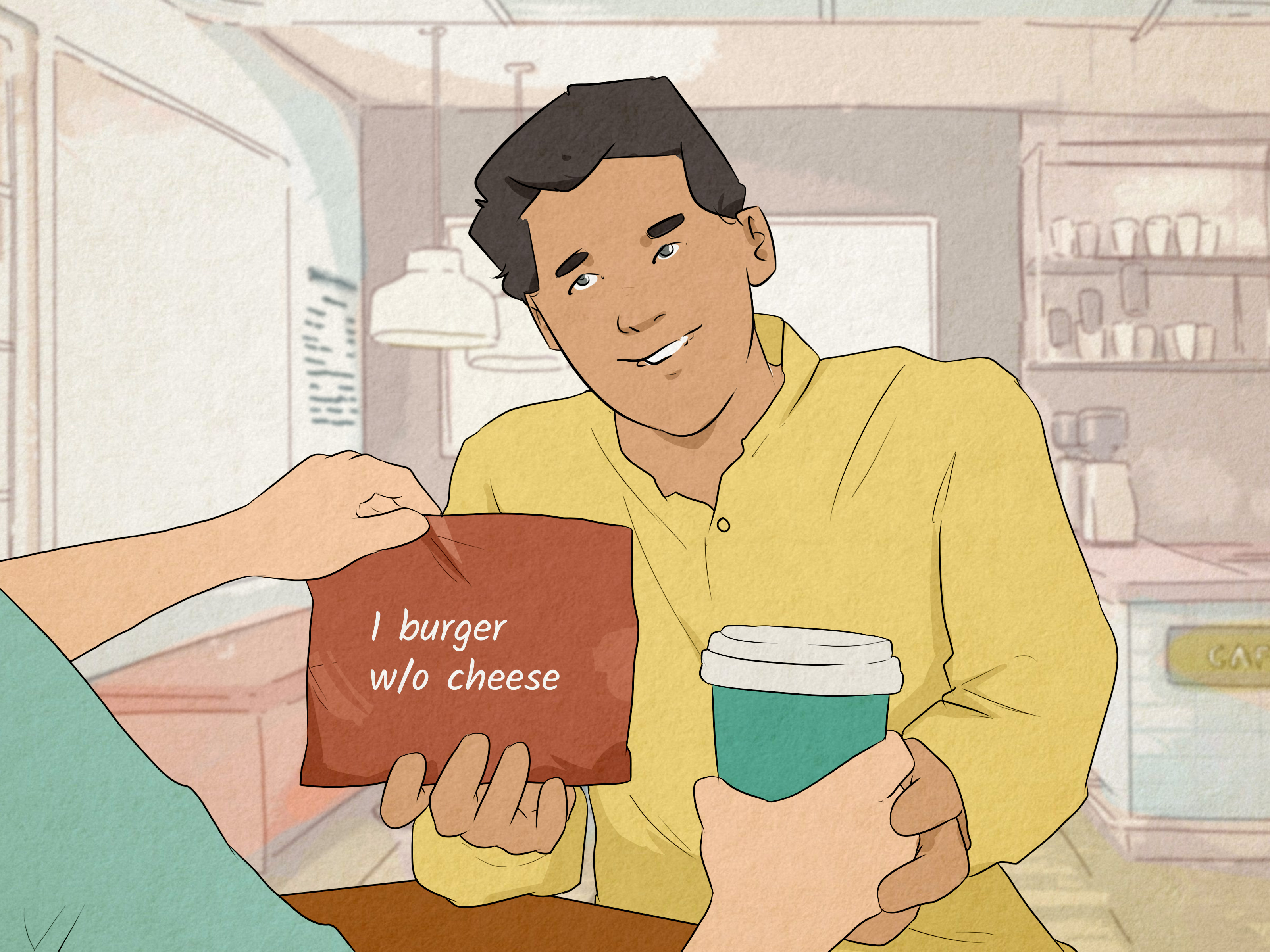
W/o means without. It is the natural sidekick to w/. Example: burger w/o onions.
/s
/s is a tone indicator that usually means sarcasm. It appears at the end of a sentence to signal intent online. Example: Sure, I absolutely love getting stuck in traffic for two hours /s.
/j, /gen, and other tone markers
Online tone indicators often begin with a slash and help readers understand emotional intent in text-only communication. That is very different from w/, which is simply shorthand for a word.
/s/ Name
In some electronic signature contexts, /s/ Jane Doe is used to indicate a typed signature. That is a legal or administrative formatting convention, not texting slang and not shorthand for with.
A Brief History of the Slash Behind W/
To understand w/ meaning, it helps to understand the slash itself. The symbol / is much older than the internet, older than texting, and older than the average person’s belief that they can “just wing grammar.” Historically, the slash has been known by names like virgule and solidus.
In older writing traditions, the virgule had uses that do not always match modern habits. It was once used in ways similar to the modern comma. Over time, the slash developed a broader set of jobs: separating alternatives, showing fractions, marking dates, indicating line breaks in quoted poetry, and standing in for words like or or per depending on context.
Later, computing made things even more interesting. Once the backslash \ became common in technical contexts, people increasingly needed to distinguish it from the older slash /. That is why modern guides often refer specifically to the forward slash. So yes, the symbol in w/ has had a long and dramatic career arc. It has gone from medieval punctuation helper to modern shorthand wingman.
Is W/ Correct in Formal Writing?
Usually, no. If you are writing a formal essay, business proposal, published article, academic paper, legal document, or polished professional email, spelling out with is usually the better choice.
Why? Because w/ looks abbreviated, informal, and sometimes unfinished. Style guides generally treat slash shorthand as something better suited to notes, drafts, labels, or compressed formats than polished prose.
Use w/ when:
- You are texting or chatting casually
- You are taking notes quickly
- You are working in a small-space format like a label or checklist
- You are writing internal shorthand that your audience already understands
Spell out “with” when:
- You are writing for publication
- You are sending a formal message
- You want a polished, professional tone
- You do not want readers pausing to decode your punctuation acrobatics
In short, w/ is acceptable shorthand, not elegant final-draft style. It belongs in the backpack, not the tuxedo.
Examples of W/ Used Naturally
Here are a few common examples that show how the abbreviation works in real American English:
- Text: I’m heading out w/ Jake now.
- Note: Call vet w/ updated records.
- Menu: Pancakes w/ strawberries and whipped cream.
- Task list: Follow up w/ design team.
- Shopping list: Yogurt w/ granola, salad w/ dressing, pasta w/ sauce.
- Calendar: Zoom w/ client at 11 a.m.
These examples feel natural because they appear in contexts where shorthand is expected. Put the same abbreviation into a formal essay introduction, though, and suddenly your writing looks like it missed its connecting flight.
Common Mistakes and Misreadings
Assuming w/ is the same as W slang
It is not. W/ usually means with. W in slang usually means win.
Using w/ too often
One or two uses in notes? Fine. Replacing every instance of with in an article, email, or post? That starts to look cramped and lazy. Readers should not feel like they are deciphering cave wall shorthand.
Using it in formal content
This is the big one. Even when readers understand it, w/ can make polished writing feel unfinished. If the goal is clarity and professionalism, write the whole word.
Confusing slash shorthand with tone indicators
W/ is lexical shorthand. /s, /j, and similar forms are tone markers. They play completely different roles.
Should You Use W/ in SEO or Web Content?
For most web publishing, the smarter move is to write with in body copy. Search engines and readers both prefer language that feels natural and complete. That does not mean w/ is useless online. It can work in headings, short labels, product specs, captions, or quoted examples when the shorthand itself is the topic.
But if you are building evergreen content, blog posts, service pages, or educational articles, spelling out with usually gives you a cleaner reading experience. Ironically, an article about w/ meaning should explain the shorthand while also showing readers when not to overuse it. Yes, language is rude like that.
Real-World Experiences With “W/” in Everyday Life
If you pay attention, w/ is one of those tiny language habits that quietly follows you around all day. You might see it first thing in the morning on a coffee shop board that says bagel w/ cream cheese. A few minutes later, it pops up in a message from a friend: Are you going w/ us? Then it shows up at work in a meeting note, on a grocery list, in a calendar reminder, and maybe even on a takeout receipt. It is not flashy. It is not poetic. But it is wildly practical.
One of the most common experiences people have with w/ is learning it through context rather than through formal instruction. Nobody usually sits you down and announces, “Today, class, we will study the emotional life of the slash.” Instead, you absorb it naturally. You see chicken w/ rice on a menu, talk w/ manager on a handwritten note, or trip w/ family in a caption, and your brain quietly says, “Ah yes, mystery solved.” That is part of why the abbreviation survives. It is easy to decode without much effort.
Another real-life pattern is that people tend to use w/ when they are moving fast. Students use it in lecture notes because nobody wants to miss half the class while carefully writing out every little function word. Office workers use it in planning docs and internal reminders because shorthand keeps the pace up. Parents use it on calendars because life is already chaotic enough without adding extra letters. In these situations, w/ is less a style choice and more a survival tool.
There is also a social side to it. In texting, w/ can make messages feel casual and relaxed. It does not sound stiff or overly polished. That can be helpful when the tone is friendly and quick. At the same time, people often learn the limits of w/ the hard way. They use it in an email to a professor, a job application, or a formal proposal and suddenly realize that shorthand can make serious writing look undercooked. That little moment of “oh, maybe I should have written the whole word” is practically a rite of passage.
Finally, many people now experience confusion because internet language keeps changing. Someone sees W in a comment section and thinks it is related to w/, when it actually means win. Someone else sees /s and assumes it works the same way as slash abbreviations, when it is really a tone marker. So modern readers are not just decoding one shorthand form; they are navigating a whole ecosystem of slash and letter combinations. That is why understanding w/ meaning matters. It helps you read faster, write more clearly, and avoid accidentally sounding like a legal form, a meme account, and a grocery list all at once.
Final Takeaway
At its core, w/ means “with”. It is a simple, useful shorthand abbreviation that works well in notes, texts, labels, quick planning documents, and other informal contexts. It is not the same as W slang for win, not the same as tone indicators like /s, and not ideal for polished formal writing.
The slash inside w/ has a long history in English punctuation, and its modern shorthand use is all about efficiency. So the next time you see w/, do not panic. It is usually just a compact little stand-in for witha tiny piece of language doing a very ordinary job, while somehow still managing to cause a surprising amount of confusion online.
Language, as always, is equal parts logic, habit, and beautifully organized chaos.