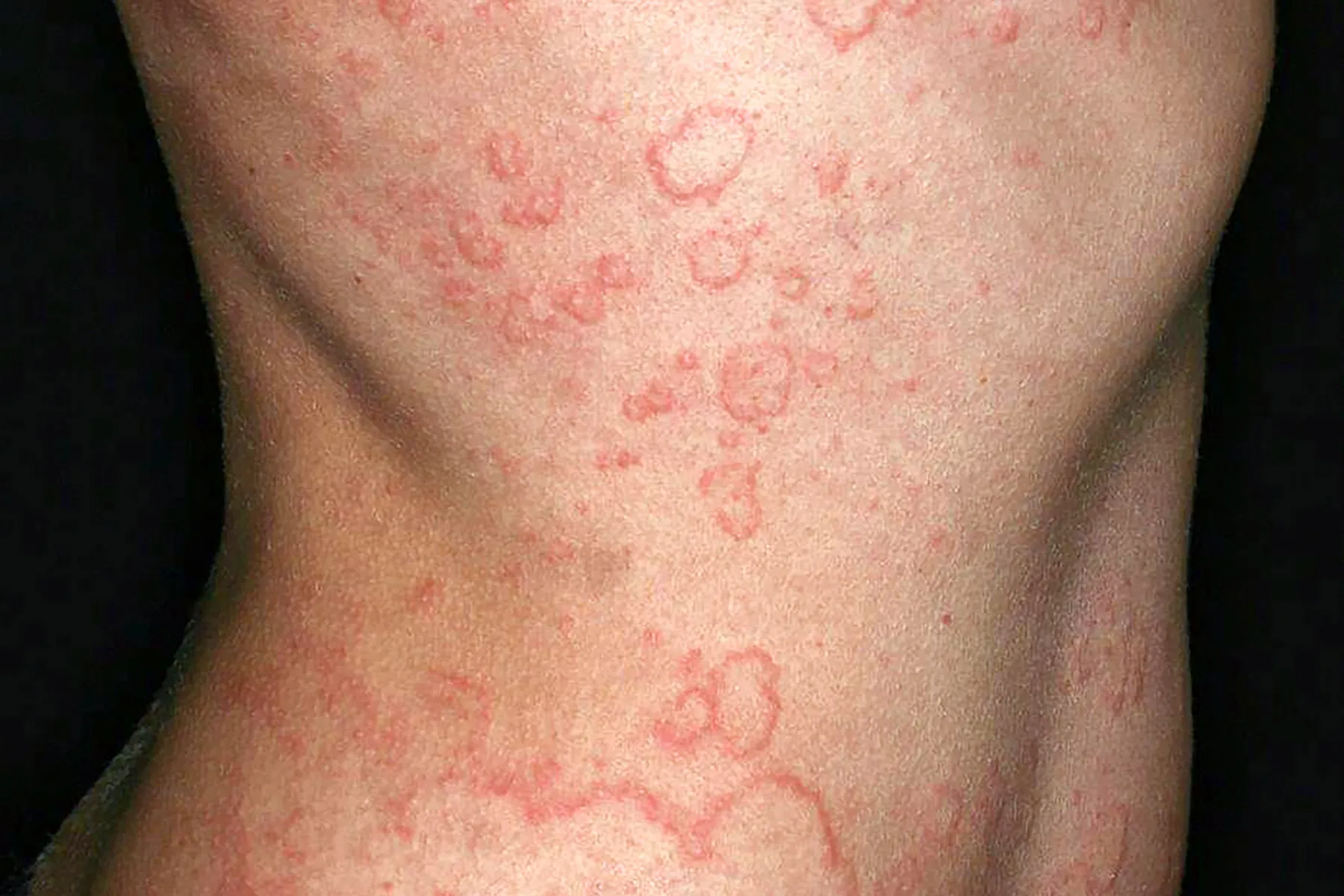
Imagine waking up with itchy welts that seem to have held an overnight meeting without inviting you. By lunch, they may disappear, only for a fresh group to arrive somewhere else. When this pattern keeps returning for more than six weeks without a clear external trigger, the condition may be chronic spontaneous urticaria, or CSU.
CSU is unpredictable and often misunderstood. It is commonly blamed on food, detergent, or one suspicious shrimp eaten three Tuesdays ago. In reality, it is usually driven by immune activity inside the body rather than a single outside allergen. Fortunately, effective treatments exist, and the options have expanded in recent years.
What Is Chronic Spontaneous Urticaria?
Urticaria is the medical term for hives. CSU causes repeated episodes of raised, itchy welts, deeper swelling called angioedema, or both. “Chronic” means symptoms continue or recur for more than six weeks. “Spontaneous” means outbreaks occur without one consistent physical trigger, such as cold, pressure, heat, or exercise.
An individual hive typically fades within 24 hours without leaving a mark, although new ones may appear elsewhere. Angioedema affects deeper tissue and often involves the lips, eyelids, hands, feet, or genital area.
CSU differs from acute hives, which last less than six weeks and are more likely to follow an infection, medication, insect sting, or food allergy. It also differs from chronic inducible urticaria, in which a reproducible stimulus brings on symptoms.
Evidence: definition and distinction from allergy or inducible disease.
What CSU Looks and Feels Like
Hives can appear red, pink, pale, or similar to the surrounding skin tone. On darker skin, redness may be subtle, so swelling, texture, itching, and changes under angled light can be more useful clues than color alone.
Common symptoms include:
- Raised welts that vary from pinhead-sized bumps to large connected patches
- Intense itching that may worsen at night
- Burning, warmth, or tenderness in some people
- Welts that change shape, merge, vanish, and reappear elsewhere
- Swelling of the lips, eyelids, hands, feet, or other deeper tissues
- Sleep disruption, fatigue, difficulty concentrating, and irritability
The appearance can be dramatic even when the condition is not dangerous. Still, swelling involving the tongue or throat is a different matter and requires immediate attention.
When Hives Are an Emergency
Call 911 or seek emergency medical care immediately if hives or swelling occur with trouble breathing, wheezing, throat tightness, faintness, confusion, blue or gray lips, a rapid decline in how you feel, or swelling of the tongue or throat. Those symptoms may signal anaphylaxis or serious airway involvement.
CSU itself is not generally the same as a classic food-triggered anaphylactic allergy, but a person with CSU can still have an unrelated allergic emergency. Do not assume every breathing problem is “just the hives.” The airway is not a place for optimistic guessing.
Evidence: emergency warning signs.
What Causes Chronic Spontaneous Urticaria?
At the center of CSU are mast cells, immune cells that release histamine and other inflammatory chemicals. These substances make small blood vessels leak fluid into nearby tissue, producing swelling, redness, and itching.
In many patients, autoimmune or autoallergic processes appear to activate these mast cells. It is like a fire alarm that keeps sounding even though nobody can find smoke. This helps explain why routine food allergy testing often fails to uncover a cause. A food may worsen symptoms in an individual, but CSU is rarely a hidden food allergy waiting to be solved by an enormous elimination diet.
Factors That May Worsen a Flare
Heat, sweating, stress, alcohol, tight clothing, friction, infections, poor sleep, and nonsteroidal anti-inflammatory drugs such as aspirin, ibuprofen, or naproxen may amplify symptoms. They can turn up the volume without being the original source of the music.
Some people also have inducible urticaria alongside CSU. For example, spontaneous hives may occur on ordinary days, while firm pressure from a belt, backpack strap, or tight waistband creates additional welts.
How Chronic Spontaneous Urticaria Is Diagnosed
There is no single blood test that stamps “CSU” across the result page. Diagnosis is mainly clinical. A healthcare professional reviews the timing, appearance, duration, and behavior of the lesions and checks for clues suggesting another condition.
Questions a Clinician May Ask
- How long has the overall problem been happening?
- How long does each individual welt remain in the same place?
- Do lesions itch, burn, hurt, bruise, or leave discoloration?
- Is there angioedema?
- Do cold, pressure, heat, exercise, sunlight, or water reliably trigger symptoms?
- Which prescription drugs, over-the-counter medicines, and supplements are being used?
- Are there fevers, joint pain, weight changes, digestive symptoms, or signs of thyroid disease?
Photos are extremely useful because hives have a talent for disappearing five minutes before an appointment. A symptom diary can also record medication use, swelling, sleep, stress, menstrual timing, infections, and possible aggravators.
Why Testing Is Often Limited
Broad allergy panels, extensive infection testing, and large batteries of autoimmune studies are not routinely needed for typical CSU. A clinician may order selected tests, such as a complete blood count, inflammation markers, liver tests, or thyroid testing, when the history or examination supports them.
Targeted testing reduces false alarms and avoids turning one mysterious rash into twelve mysterious laboratory results. Allergy testing may be appropriate when symptoms repeatedly follow a particular exposure, but indiscriminate testing often produces confusing findings that are unrelated to the hives.
Evidence: diagnosis and limited workup.
Signs That May Point to Another Condition
Seek medical review when individual lesions remain fixed for more than 24 hours, hurt more than they itch, leave bruising or purple-brown discoloration, blister, involve the mouth, or occur with fever, joint swelling, significant abdominal pain, or unexplained weight loss.
These features may suggest urticarial vasculitis, a medication reaction, an autoinflammatory condition, or another diagnosis. Swelling without hives also deserves assessment, especially in someone taking an ACE inhibitor for high blood pressure or with a family history of recurrent angioedema. Not all swelling is driven by histamine, and different biological pathways require different treatments.
Treatment for Chronic Spontaneous Urticaria
The goal is complete symptom control with the safest practical plannot simply surviving each flare with an ice pack and heroic patience. Treatment is stepped up when symptoms remain uncontrolled and tapered cautiously after sustained control.
1. Second-Generation H1 Antihistamines
Modern, less-sedating H1 antihistamines are the usual first treatment. Examples include cetirizine, levocetirizine, loratadine, desloratadine, and fexofenadine. They work best for CSU when taken regularly as directed rather than only after the itching becomes unbearable.
If a standard dose is inadequate, guidelines allow clinicians to increase the dose of a second-generation antihistamine, sometimes up to four times the usual amount. This should be done under medical supervision. People should not create their own high-dose cocktail from whatever happens to be in the medicine cabinet.
2. Omalizumab
Omalizumab is an injectable biologic that targets immunoglobulin E, or IgE, and reduces activation of the pathway connected with mast cells. It is FDA-approved for adults and adolescents age 12 and older with CSU that remains symptomatic despite H1 antihistamine treatment.
Many patients improve substantially, although the speed and degree of response vary. Some notice improvement relatively quickly, while others require several months before reaching good control. A lack of immediate results does not automatically mean treatment has failed.
3. Dupilumab
Dupilumab is another injectable biologic. In the United States, it is FDA-approved for patients age 12 and older with CSU who remain symptomatic despite H1 antihistamines. It blocks signaling through inflammatory pathways involving interleukin-4 and interleukin-13.
Its place in an individual treatment plan may depend on previous therapies, other allergic or inflammatory conditions, potential adverse effects, insurance coverage, and specialist judgment.
4. Remibrutinib
Remibrutinib is an oral Bruton’s tyrosine kinase inhibitor approved by the FDA in 2025 for adults with CSU that remains symptomatic despite H1 antihistamine treatment. It reduces signaling involved in mast-cell activation and provides a non-injectable advanced option.
It is still a prescription treatment with specific safety, interaction, and monitoring considerations. Patients should discuss all medicines and supplements with their clinician before beginning it.
5. Other Specialist-Directed Treatments
Cyclosporine may be considered for selected patients with severe, treatment-resistant CSU, but its risks require careful monitoring. Short courses of oral corticosteroids may occasionally be used as rescue treatment for a major flare. Long-term steroid use is generally avoided because repeated or prolonged exposure can cause significant harm.
Other medicines may be used selectively. The sequence should reflect symptom burden, age, other health conditions, adverse effects, patient preference, pregnancy considerations, cost, and access.
Evidence: stepwise therapy and current U.S. approvals.
Practical Ways to Reduce Itching and Flare Intensity
Self-care cannot switch off the immune pathway, but it can make difficult days easier:
- Use a cool compress for 10 to 20 minutes.
- Choose lukewarm showers instead of hot showers.
- Wear loose, breathable clothing and avoid scratchy fabrics.
- Use fragrance-free cleansers and moisturizers.
- Keep fingernails short to reduce scratching injuries.
- Ask whether NSAIDs or another medicine could worsen symptoms.
- Protect sleep with a consistent routine and a cool bedroom.
Topical steroid creams usually do not control CSU well because the process is systemic and each hive is temporary. Soothing lotions may reduce discomfort, but they do not replace appropriate medical treatment when hives are frequent.
Evidence: self-care and symptom relief.
Should You Change Your Diet?
Most people with CSU do not need a permanently restrictive diet. Unless a specific food repeatedly and convincingly triggers symptoms, removing multiple food groups can add nutritional problems, expense, and anxiety.
Alcohol or certain additives may aggravate symptoms in some patients. A short, clinician-guided dietary trial may be reasonable when there is a clear hypothesis, a method for measuring results, and a defined end point. A restriction that produces no meaningful improvement should not become a lifelong rule simply because it took effort to begin.
Tracking Whether Treatment Is Working
Record daily hive numbers, itch severity, swelling, sleep, and medication use. Clinicians may use the seven-day Urticaria Activity Score or the Urticaria Control Test to measure disease activity and symptom control.
Objective tracking matters because people can normalize substantial suffering. “I only woke up scratching twice” may feel like progress, but it may still indicate poor control. A written record helps determine whether treatment should remain unchanged, be intensified, or eventually be tapered.
How Long Does CSU Last?
The course is unpredictable. Some people enter remission within months, while others experience symptoms for several years or have periods of remission followed by recurrence. Angioedema, autoimmune features, and more severe disease may be associated with a longer course in some studies, but no test can provide an exact expiration date.
The important message is that “chronic” does not automatically mean permanent. Even before remission occurs, modern therapy can often reduce or eliminate symptoms. Patients should not be told to tolerate relentless itching simply because the condition may eventually disappear. Tuesday disappears eventually too; that does not make a miserable Tuesday enjoyable.
Evidence: chronic course, burden and remission variability.
Living With CSU: A Composite Patient Experience
The following story is a composite illustration based on common experiences reported by people with chronic spontaneous urticaria. It is not the history of one identifiable patient.
The First Confusing Weeks
“Jordan” first noticed several itchy welts around the waist after work. The obvious suspect was a new laundry detergent, so the detergent was banished with the confidence usually reserved for catching a cartoon villain. The hives returned anyway. Then the pillows were blamed. Then tomatoes. Then the office chair.
Within a month, Jordan had replaced several household products, stopped eating four favorite foods, and developed a tense relationship with every red spot on the skin.
The strange part was how quickly the welts moved. A raised patch on the arm would vanish before dinner, but another would appear on the thigh at bedtime. Some mornings brought puffy eyelids. Photos became essential because the skin often looked normal by the time an appointment began.
The Emotional and Practical Burden
The itching was only one part of the problem. Sleep became fragmented, and poor sleep made work harder. Jordan started declining invitations because facial swelling felt impossible to predict. Choosing clothes became tactical: loose sleeves, soft fabrics, and nothing tight around the waist.
Exercise sometimes seemed to increase itching, yet avoiding exercise made stress worse. Friends offered theories involving gluten, mold, hormones, shampoo, city water, and “toxins.” Most advice was kindly meant. It was also exhausting.
The absence of a clear cause made Jordan feel responsible for finding one, as though a sufficiently organized spreadsheet could reveal the single guilty sandwich.
Getting a Useful Diagnosis
An allergist reviewed the photographs and timeline, asked how long each hive lasted, and checked for warning signs. Because the lesions disappeared within a day, left no bruises, and had continued for more than six weeks without a reliable trigger, CSU became the leading diagnosis.
Limited testing was performed according to Jordan’s history rather than ordering every available panel. The explanation that CSU was usually not a hidden food allergy brought relief and irritation in equal measure: relief because eating did not have to become a fear-based obstacle course, and irritation because several weeks of bland meals had accomplished nothing except creating strong opinions about plain rice.
Finding the Right Treatment Rhythm
A regular second-generation antihistamine reduced symptoms but did not fully control them. Under medical guidance, the regimen was adjusted. Jordan also tracked hives, swelling, sleep, and possible aggravators. Heat and ibuprofen appeared to worsen some flares, so alternatives were discussed.
Stress was treated as an amplifier rather than the imaginary “cause.” That distinction mattered. Being told to reduce stress without receiving medical treatment would have felt like being told to relax while a smoke alarm screamed overhead.
When symptoms remained disruptive, the clinician explained advanced treatment choices, expected benefits, possible adverse effects, insurance requirements, and the fact that a response could take time. The plan was shared rather than dictated. Chronic disease is easier to manage when the patient is part of the control panel instead of being treated like a passenger.
What Improvement Looked Like
Improvement was gradual rather than cinematic. There was no triumphant soundtrack and no final hive dramatically packing a suitcase. Jordan first noticed sleeping through the night, then realized a week had passed without canceling plans. The symptom diary shifted from a record of chaos to evidence that treatment was working.
There were still occasional flares, but they no longer controlled every decision. Jordan learned to seek urgent help for breathing or throat symptoms, contact the clinician when control slipped, and avoid changing multiple treatments at once.
Most importantly, Jordan stopped treating every hive as a personal failure. CSU was an immune-mediated medical conditionnot a character flaw, a cleanliness problem, or punishment for eating dessert.
Conclusion
Chronic spontaneous urticaria is a mast-cell-driven condition that causes recurring hives, angioedema, or both for more than six weeks without a consistent external trigger. It is usually not explained by a classic allergy, and diagnosis relies more on the pattern of symptoms than on endless testing.
Regular second-generation antihistamines remain the foundation of treatment. For people who stay symptomatic, clinician-directed dose adjustment and advanced options such as omalizumab, dupilumab, or remibrutinib may provide better control.
A thoughtful treatment plan should also address sleep, emotional strain, medication aggravators, emergency warning signs, and the very real burden of living with unpredictable skin symptoms.
CSU can be stubborn, but it is treatable. The goal is not to become unusually talented at tolerating itch. The goal is control.
Research synthesis note: Prepared from current patient guidance, clinical reviews, practice recommendations, and U.S. prescribing information from AAAAI, ACAAI, AAD, NIH/PubMed, MedlinePlus, Mayo Clinic, Cleveland Clinic, Johns Hopkins Medicine, AAFP, and FDA materials.