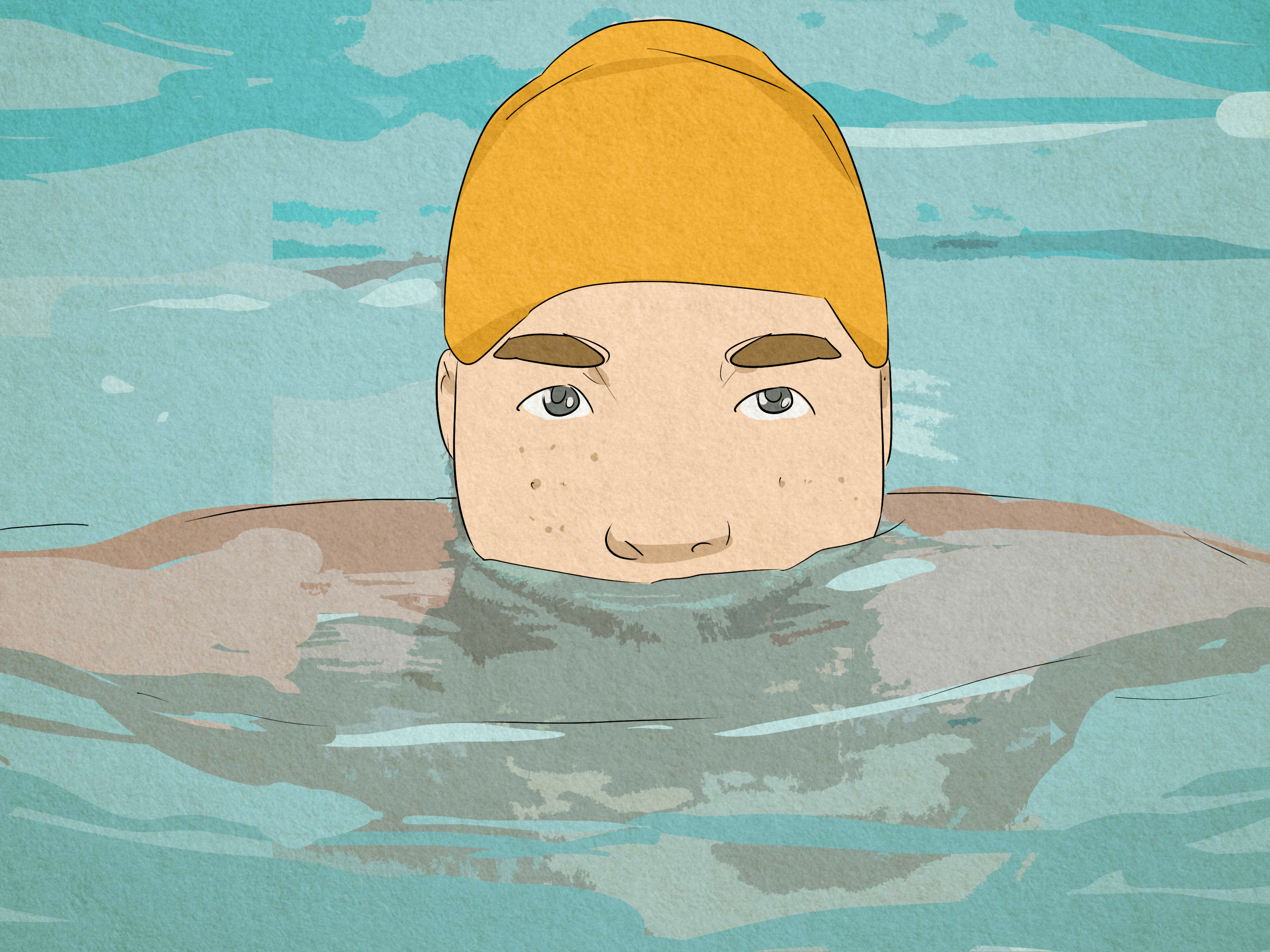
Swimming underwater without goggles sounds simple until your eyes meet pool water and immediately file a formal complaint. Goggles are wonderful little face windows, but sometimes you forget them, they snap, they fog up, or your cousin “borrows” them and returns only the strap. The good news is that you can learn how to swim underwater without goggles safely and comfortably, as long as you respect your eyes, your breathing, and the water around you.
This guide breaks the process into 13 practical steps. You will learn how to prepare your eyes, manage breath control, avoid panic, move efficiently, and protect yourself from common problems like stinging eyes, blurry vision, and the very bad idea known as holding your breath too long. Whether you are practicing in a backyard pool, taking swim lessons, or just trying to retrieve a sunken ring without looking like a confused sea turtle, these tips will help.
Note: This article is for general educational purposes. Never practice underwater swimming alone, never hyperventilate before submerging, and ask a qualified swim instructor or healthcare professional for personal guidance if you have eye, breathing, heart, or medical concerns.
Is It Safe to Swim Underwater Without Goggles?
For many healthy swimmers, briefly opening the eyes underwater without goggles is usually possible, especially in clean, well-maintained water. However, “possible” does not always mean “pleasant.” Pool chemicals, chloramines, salt, sand, bacteria, and poor water balance can irritate the eye surface. Goggles are still the best choice for frequent underwater swimming because they protect the tear film, improve visibility, and reduce irritation.
The biggest safety concern is not eye sting. It is breath-holding. Underwater swimming should be short, calm, and supervised. Long breath-holding contests, repeated underwater laps, or rapid deep breathing before going under can increase the risk of underwater blackout. That is not dramatic pool gossip; it is a real danger. So the rule is simple: short practice, no showing off, and always swim with someone watching.
How to Swim Underwater Without Goggles: 13 Steps
1. Choose Clean, Calm, Familiar Water
Start in a clean swimming pool where you can stand easily. Avoid murky lakes, crowded beaches, fast-moving rivers, or pools that smell strongly of chemicals. A heavy “chlorine smell” often comes from chloramines, which form when chlorine mixes with sweat, urine, dirt, and other contaminants. These irritants can make eyes sting and lungs feel uncomfortable. If the water looks cloudy, smells harsh, or makes your skin itch before you even submerge, skip the underwater practice.
2. Never Practice Alone
Underwater swimming without goggles can feel disorienting because your vision becomes fuzzy. Add breath-holding to that, and solo practice becomes a bad bargain. Always swim with a buddy, lifeguard, instructor, or responsible adult nearby. Do not rely on “I’m a strong swimmer.” Strong swimmers can still get tired, panic, inhale water, or misjudge distance. Water does not give bonus points for confidence.
3. Remove Contact Lenses Before Swimming
If you wear contact lenses, remove them before swimming whenever possible. Water can carry microorganisms that may attach to lenses and increase the risk of eye infection. Contacts can also trap pool chemicals against the eye surface, making irritation worse. If your vision is very poor without lenses, consider prescription goggles for regular swimming. For one casual dip, choose safety over perfect underwater HD.
4. Rinse Your Face Before Entering the Pool
A quick shower before swimming is not just pool etiquette; it helps reduce sweat, oils, sunscreen residue, and dirt entering the water. Cleaner swimmers mean fewer irritating byproducts in the pool. Rinsing your face also gets your skin used to water and makes the first underwater moment less shocking. Think of it as giving your face a polite warning instead of launching it into aquatic chaos.
5. Practice Blinking and Relaxing Your Eyes
Before fully swimming underwater, stand in shallow water and splash your face gently. Then dip your chin, mouth, nose, and finally your eyes. Open your eyes for half a second, close them, and come back up. Repeat this a few times. Your goal is not to stare heroically into the pool like a submarine captain. Your goal is to teach your eyes and brain that water contact is manageable.
6. Learn to Exhale Underwater
Good underwater swimming begins with calm breathing. Take one normal breath above water, submerge, and slowly release bubbles through your nose or mouth. Do not clamp your breath like you are guarding a treasure chest. Gentle exhaling helps you stay relaxed and reduces the urge to panic. Beginners often hold air too tightly, then rush upward in a splashy emergency. Controlled bubbles are your friend.
7. Do Not Hyperventilate
Never take repeated fast, deep breaths before going underwater. Some swimmers think hyperventilating helps them stay under longer, but it can interfere with the body’s natural warning signals and increase the risk of passing out underwater. Take one comfortable breath, go under briefly, and surface before you feel desperate. Underwater swimming is not a contest to see who can scare the lifeguard.
8. Start With Short Submersions
Begin with two or three seconds underwater. Then try five seconds. Then maybe a short glide. Keep each attempt easy. If your eyes sting, your chest tightens, or you feel anxious, stop and rest. The best swimmers build comfort gradually. They do not force themselves through panic while pretending everything is fine. Water confidence grows from repetition, not from dramatic suffering.
9. Use a Gentle Push-Off and Streamline Position
Once you are comfortable dipping your face, push gently from the wall or pool floor. Extend both arms in front of you, tuck your head between your arms, and keep your body long. This streamlined shape reduces drag and helps you glide farther with less effort. Less effort means less oxygen demand, which means a calmer underwater swim. Basically, become a pencil, not a folding chair.
10. Keep Your Eyes Softly Open
When swimming without goggles, open your eyes only as much as needed. Your underwater vision will be blurry, especially in pools, lakes, or saltwater. Instead of trying to read the label on someone’s sunscreen bottle from six feet away, look for big shapes: the pool wall, lane line, floor markings, stairs, or your buddy’s legs. Soft focus is enough for orientation.
11. Use Slow, Efficient Kicks
A wild kick wastes energy and stirs up water. Use steady flutter kicks or a gentle breaststroke kick, depending on what feels natural. Keep your movements smooth and controlled. If you are swimming only a short distance underwater, a good push-off plus a few light kicks may be enough. The goal is not speed; the goal is calm travel while saving energy.
12. Surface Before You Feel Urgent
Come up while you still feel in control. Do not wait until your body screams for air. A smart underwater swimmer surfaces early, breathes normally, rests, and tries again later. If you feel dizzy, unusually tired, confused, or panicky, stop underwater practice for the day. Your body is not being dramatic; it is sending a memo.
13. Rinse Your Eyes After Swimming
After swimming without goggles, rinse your face and eyes with clean fresh water. Avoid rubbing your eyes, even if they feel itchy. Rubbing can make irritation worse. If your eyes feel dry, lubricating artificial tears may help. Seek medical care if you have lasting redness, pain, light sensitivity, discharge, blurred vision, or symptoms that do not improve. Eye discomfort after a pool session is common; severe or persistent pain is not something to “tough out.”
Common Mistakes to Avoid
Trying to Swim Too Far Underwater
Distance challenges are risky, especially when repeated. Keep underwater swims short and recreational. If you are training for competitive swimming, work with a qualified coach who understands breath-control safety.
Opening Your Eyes in Unsafe Water
Do not open your eyes in dirty water, untreated water, hot tubs, or water with visible debris. Natural water can contain organisms, sand, plant matter, and particles that irritate or injure eyes.
Ignoring Eye Pain
Mild stinging may fade after rinsing, but pain, severe redness, or cloudy vision deserves attention. Your eyes are not replaceable accessories. Treat them with more respect than your flip-flops.
Holding the Nose Too Tightly
Some beginners pinch their nose every time they go underwater. That can help at first, but eventually you should learn to exhale gently through your nose to keep water out. Nose clips can help some swimmers, but they are not required for everyone.
How to Protect Your Eyes When You Do Not Have Goggles
If you forgot goggles, keep the session short. Choose clean water, avoid opening your eyes for long periods, rinse afterward, and do not swim with contacts. If you swim often, buy goggles that fit your face well. A good pair should seal gently without requiring the strap to squeeze your skull like a medieval helmet. For kids, choose comfortable goggles and teach them not to share eye irritation as if it were a pool toy.
You can also reduce irritation by showering before swimming, avoiding makeup or heavy lotion in the water, and choosing pools with good ventilation and proper maintenance. If an indoor pool makes your eyes burn before you even jump in, that environment may not be ideal for practicing without goggles.
Breathing Tips for Calm Underwater Swimming
Breathing is the secret engine behind relaxed swimming. Before submerging, inhale normally. Underwater, release bubbles slowly. When you surface, take a controlled breath and rest. Avoid gasping, rushing, or stacking several breath-holds back-to-back. If you are practicing with children, make it playful but safe: bubble blowing, sink-and-rise drills, and short toy pickups are better than “who can stay under longest?” competitions.
For adults, the same principle applies. Confidence underwater comes from rhythm. Breathe in, go under, bubble out, surface early, reset. Repeat only while fresh. Fatigue makes technique messy and judgment worse, which is exactly when underwater practice should end.
When You Should Not Swim Underwater Without Goggles
Skip underwater swimming without goggles if you have an active eye infection, recent eye surgery, severe dry eye, corneal problems, or medical advice to avoid water exposure. Avoid it if the pool is crowded, the water is cloudy, or no one is supervising. Children should always be closely watched around water, even if they are only dipping their face. Drowning can happen quickly and quietly, so adult supervision should be active, not “I’m checking my phone but spiritually present.”
Practical Experience: What It Feels Like to Learn Without Goggles
The first time many swimmers try opening their eyes underwater without goggles, the reaction is usually a dramatic blink, a wrinkled nose, and a facial expression that says, “Why did humans leave land?” That is normal. Pool water feels strange at first because the eye surface is sensitive. The trick is to stop treating the first sting as failure. Instead, treat it like cold water on your toes: surprising, mildly annoying, but manageable with gradual exposure.
A helpful beginner routine is to stand in chest-deep water near the wall. Take a normal breath, dip your face, blow three slow bubbles, open your eyes for one tiny moment, close them, and stand back up. That is one successful repetition. You do not need to swim across the pool immediately. In fact, the best early progress often looks boring from the outside. Calm repetition builds the comfort that later makes underwater movement easy.
Another useful experience is learning that underwater vision without goggles is not useless; it is just low-resolution. You may not see crisp details, but you can still recognize light, shadow, pool lines, walls, steps, and movement. Beginners often panic because they expect clear vision and get blur instead. Once you accept blur as normal, your brain adapts. You begin to navigate by big shapes instead of details, like switching from a movie screen to a watercolor painting.
Many swimmers also notice that eye comfort changes from pool to pool. One pool may feel fine, while another makes eyes burn within seconds. That does not mean you suddenly forgot how to swim. It may reflect water balance, chloramine levels, ventilation, crowd size, or how recently the pool was maintained. Outdoor pools may feel different from indoor pools. Saltwater may feel different from chlorinated water. Lakes and oceans add their own surprises, including sand, waves, plants, and unpredictable visibility.
One common lesson is that confidence disappears when breathing becomes rushed. A swimmer may be perfectly comfortable opening the eyes underwater but still panic if they hold their breath too tightly. This is why bubble practice matters. Slow bubbles tell your body, “We are okay.” Tight breath-holding tells your body, “Something weird is happening; please panic immediately.” If you can exhale gently, you can usually stay calmer, move better, and surface without drama.
Finally, experienced swimmers know when to stop. If your eyes sting, rinse them. If you feel tired, rest. If you forgot goggles and planned a long swim workout, adjust the plan. Swimming underwater without goggles is a useful skill, not a personality test. Learn it patiently, respect safety rules, and remember: the goal is not to defeat the water. The goal is to move through it calmly without turning every pool visit into an action movie.
Conclusion
Learning how to swim underwater without goggles is mostly about comfort, control, and common sense. Start in clean, shallow water. Practice short submersions. Blow bubbles. Keep your eyes relaxed. Swim with supervision. Avoid contact lenses, dirty water, long breath-holding, and hyperventilation. Rinse your eyes afterward and pay attention to symptoms that do not go away.
Goggles are still the better choice for regular underwater swimming, but knowing how to manage without them is a valuable skill. It can help you stay calm if goggles break, fall off, or disappear into the mysterious black hole where pool toys and missing socks apparently live. Move slowly, breathe wisely, and let confidence grow one safe underwater moment at a time.