Stress has a remarkable talent for showing up everywhere: your jaw, your sleep, your patience, your snack choices, and yes, your hairbrush. If you have been finding more strands in the shower drain and wondering whether your life has become too chaotic for your scalp to cope, the answer might be maybe. Stress-related hair loss is real, but it is also often temporary, manageable, and far less mysterious once you understand what is happening.
The good news is that preventing hair loss due to stress is usually not about buying a magical serum with a name that sounds like a sci-fi planet. It is about lowering the stress load on your body, protecting your hair from extra damage, fueling regrowth, and knowing when to get expert help. Here is a practical, science-based guide to help you do exactly that.
What Stress Hair Loss Usually Looks Like
When people talk about stress-related hair loss, they are often describing telogen effluvium. That is the classic “my hair is suddenly everywhere” situation. Instead of getting a single bald patch, you usually notice diffuse shedding all over the scalp. Hair may pile up in the sink, on your pillow, or in your brush. The sneaky part? It often shows up two to three months after a major stressor, not necessarily during the stressful event itself.
Stress can also be linked with alopecia areata, which tends to cause patchy hair loss, and trichotillomania, a hair-pulling disorder that may worsen with stress or anxiety. That is why the pattern matters. Diffuse shedding and patchy bald spots are not the same thing, and your prevention plan depends on knowing which one you are dealing with.
How to Prevent Hair Loss Due to Stress: 14 Steps
1. Learn the usual timeline so you do not panic too early
Hair follicles are dramatic, but they are also delayed. With stress shedding, your hair often reacts after the stressful event. That means a breakup in January, surgery in February, or nonstop work pressure in March can show up as shedding later. Understanding this pattern helps you avoid blaming the wrong shampoo, the wrong season, or the moon.
If your shedding is widespread rather than patchy, and it followed a clear physical or emotional stressor, stress may be the main driver. Knowing that can help you focus on recovery instead of doom-scrolling miracle cures at 1:13 a.m.
2. Figure out your trigger instead of guessing wildly
Stress is not always emotional. Physical stress counts too. Common triggers include a high fever, illness, surgery, childbirth, rapid weight loss, severe dieting, medication changes, grief, burnout, and major life upheaval. Sit down and make a timeline of the last three to six months. That simple exercise can connect the dots faster than most people expect.
If you can identify the trigger, you have a better shot at preventing ongoing shedding. You cannot always erase the stressful event, but you can keep it from becoming a chronic body-wide alarm bell.
3. Reduce stress on purpose, not just in theory
“Try to relax” is one of the least useful sentences in the English language. A better strategy is to build tiny, repeatable habits that calm your nervous system. Think ten-minute walks, simple breathing exercises, journaling, stretching, guided meditation, therapy, prayer, or a strict rule that your phone stops yelling at you after a certain hour.
You do not need a perfect zen lifestyle. You need consistency. Lowering stress hormones and improving recovery can help your hair cycle normalize over time. The goal is not to become a stress-free forest fairy. The goal is to stop your body from living like every email is a bear attack.
4. Protect your sleep like it is part of your hair-care routine
Sleep is not a luxury add-on. It is repair time. Poor sleep can worsen stress, throw off appetite, increase inflammation, and make it harder for the body to recover from a stressful period. If your sleep is chaotic, your hair is not exactly getting VIP support.
Start with basics: a regular bedtime, a darker room, less caffeine late in the day, and less screen time before bed. Boring advice? Absolutely. Effective advice? Also yes.
5. Eat enough protein every day
Hair is made largely of protein, so undereating protein is a terrible long-term strategy if you want fuller hair. Stress can wreck appetite, which means some people accidentally undereat for weeks while insisting they are “fine.” Your scalp disagrees.
Try to include protein at each meal, such as eggs, fish, chicken, Greek yogurt, beans, lentils, tofu, edamame, cottage cheese, or lean meat. This is not the moment for random starvation disguised as “clean eating.” Your body needs raw materials to keep hair cycling normally.
6. Avoid crash diets and sudden weight loss
One of the fastest ways to stress out your hair follicles is to stress out your whole body. Extreme calorie cuts, fast weight-loss plans, and “detoxes” can push more hairs into the shedding phase. In other words, trying to control life by living on iced coffee and optimism may backfire.
If you want to lose weight, go slower and smarter. Your hair prefers stability. So does the rest of your biology.
7. Check for iron, thyroid, vitamin D, or B12 issues when appropriate
Sometimes stress gets blamed for everything when there is another problem in the background. Hair loss can overlap with iron deficiency, anemia, thyroid disease, low vitamin D, low B12, hormonal shifts, or other medical conditions. If you also have fatigue, feeling cold, dizziness, heavy periods, brittle nails, or unexplained weakness, it is smart to talk with a clinician.
Prevention is easier when you are not missing a hidden cause. You do not need to self-diagnose from social media. You need a basic, sensible medical workup if your symptoms point that way.
8. Be gentle with styling, coloring, and heat
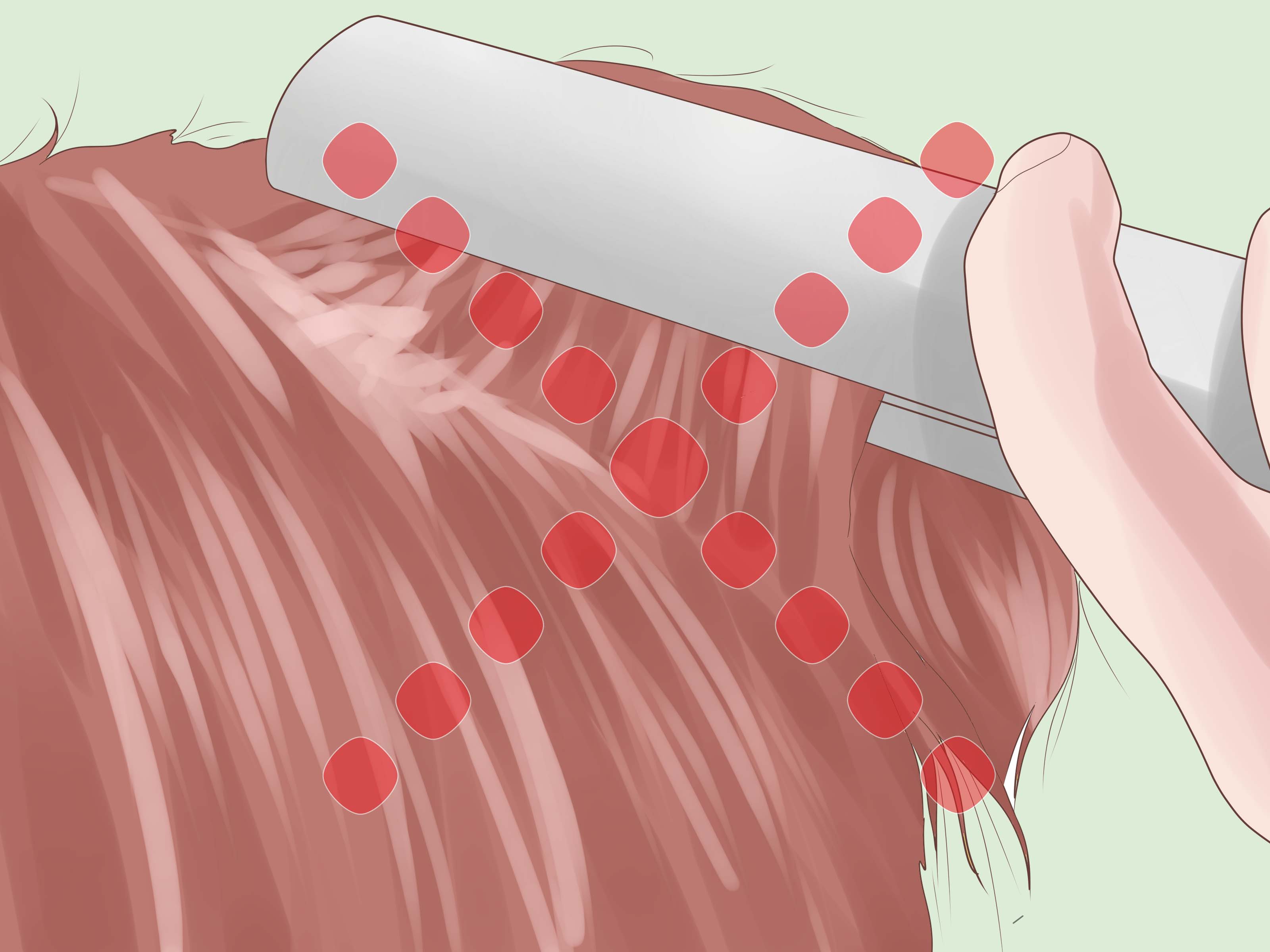
Stress shedding does not mean your hair is doomed, but it does mean your strands are more vulnerable. This is the wrong time to wage war on them with daily flat-ironing, aggressive bleaching, rough towel drying, or tight blowouts that require emotional support afterward.
Use a gentle shampoo, condition regularly, detangle carefully, limit heat, and space out harsh chemical treatments. Hair that is already shedding does not need extra breakage piled on top.
9. Skip tight hairstyles that pull on the roots
High-tension ponytails, braids, buns, extensions, and glued styles can cause traction alopecia, which is a different type of hair loss caused by chronic pulling. If stress is already increasing shedding, tension styles make an already annoyed scalp even less cooperative.
Looser styles are your friend. Your edges would also like a vote.
10. Wash your hair regularly and stop fearing the shower drain
Many people panic when they see shedding during washing and start shampooing less often. Unfortunately, that does not stop stress-related hair from shedding. It usually just means more hair comes out all at once later, which feels extra alarming.
Wash your scalp regularly, keep it clean, and use your fingers gently rather than scrubbing like you are polishing a countertop. A healthy scalp environment supports regrowth. Also, fewer panic attacks in the bathroom is always a plus.
11. Treat scalp irritation early
If your scalp is itchy, flaky, painful, red, or inflamed, do not ignore it. Seborrheic dermatitis, psoriasis, fungal infections, and other scalp conditions can make shedding worse or confuse the picture. Healthy hair grows best from a healthy scalp.
If over-the-counter dandruff care is not helping, or if the scalp looks angry enough to file a complaint, get it checked. Not every shedding problem is “just stress.”
12. Be smart about supplements and “hair gummies”
Supplements are not harmless candy with better branding. If you have a diagnosed deficiency, treating it can help. But taking random megadoses of biotin, vitamin A, selenium, or iron without medical guidance is not a solid plan. In some cases, too much can be harmful or even worsen hair-related problems.
There is another catch: high-dose biotin can interfere with certain lab tests, including some thyroid-related tests. If you are getting blood work done, tell your clinician what you are taking. Better yet, ask before starting the supplement in the first place.
13. Consider proven treatment if shedding lingers
If the trigger is gone but the shedding keeps going, or if your hair is not bouncing back the way you expected, it may be time to see a dermatologist. Sometimes stress-related shedding overlaps with pattern hair loss, and the combination can make recovery look slower than it should.
A dermatologist may recommend observation, treatment of the trigger, scalp care, or a medication such as topical minoxidil in selected cases. The important part is getting the right diagnosis instead of experimenting with a cabinet full of expensive regret.
14. Know when hair loss needs medical attention quickly
Do not wait it out if you have bald patches, eyebrow or eyelash loss, scalp pain, redness, scaling, sudden major shedding, or hair loss that lasts longer than several months. Also get checked if you have other symptoms like fatigue, menstrual changes, unexplained weight changes, or signs of nutritional deficiency.
The sooner a clinician figures out the cause, the better your chances of protecting the hair you still have and encouraging regrowth where possible.
What Not to Do
When stress hair loss shows up, people often make three mistakes: they overcorrect, overtreat, or overpanic. Overcorrecting looks like crash dieting, over-washing, or buying twelve products with “fortifying” in the name. Overtreating means using supplements or scalp treatments without knowing the cause. Overpanicking means assuming every shed strand is permanent.
In many cases, stress-related hair loss improves when the body gets back to baseline. Hair recovery is slow, though. Hair is many things, but speedy is not one of them. Give your scalp time, lower the overall stress load, and do the basic things well.
The Bottom Line
If you want to prevent hair loss due to stress, think bigger than the shampoo aisle. Focus on stress reduction, sleep, protein, steady nutrition, gentle hair care, and medical evaluation when the pattern looks unusual or the shedding does not let up. You may not be able to stop every strand from leaving the group chat, but you can absolutely reduce the chances of stress turning into a full-scale scalp mutiny.
The best prevention plan is simple: calm the system, nourish the body, protect the hair you have, and get help when the pattern does not fit ordinary stress shedding.
Real-Life Experiences: What Stress Hair Loss Often Feels Like
One of the hardest parts of stress-related hair loss is that it often feels confusing before it feels obvious. A college student might get through finals, think the worst is over, and then notice weeks later that the shower wall looks like it is collecting souvenirs. She has not changed her shampoo. She has not suddenly become bad at brushing her hair. Her body is simply responding on a delay. That timing alone makes many people think the hair loss came out of nowhere, when it actually started with a stressful chapter a couple of months earlier.
Another common experience is the “I thought I was imagining it” phase. A parent going through a move, job loss, or caregiving stress may not notice thinning at first. What they do notice is more hair on the bathroom floor, more strands in the brush, and the unsettling sense that their ponytail feels a little smaller. They often keep asking themselves whether they are being dramatic. Then one morning they realize the amount of shedding has been quietly building for weeks. That is a very typical stress-shedding story: gradual realization, not instant clarity.
Some people respond by trying to control everything at once. They buy expensive oils, stop washing their hair, take random gummies, and begin inspecting their hairline under bright bathroom lighting like they are conducting a forensic investigation. The problem is that this reaction can make the experience more stressful. In real life, people tend to do better when they step back and simplify: eat regularly, sleep more, loosen hairstyles, wash gently, and stop changing ten variables every three days.
There is also the emotional side that does not get talked about enough. Hair loss can feel strangely personal, even when it is temporary. Someone who has always identified with thick curls, a full bun, or a polished blowout may feel shaken when shedding starts. They may avoid mirrors, photos, or hairstyling altogether. The experience is not vain. It is human. Hair is tied to identity, routine, and self-confidence for a lot of people. Recognizing that emotional impact matters, because feeling upset about hair loss often adds even more stress to the cycle.
On the brighter side, many people also describe the moment recovery becomes visible. The shedding slows. Baby hairs start popping up along the part line or temples. The brush no longer looks terrifying. Progress is rarely dramatic, but it is encouraging. Most people do not wake up one morning with a movie-style transformation. Instead, they notice smaller wins: less shedding in the shower, more volume at the roots, fewer bad-hair-day meltdowns, and a growing sense that their body is stabilizing again.
That is why the most useful real-world lesson is this: stress hair loss often improves, but it improves slowly. The people who cope best are usually not the ones who discover a miracle hack. They are the ones who stay patient, treat the root problem, protect their scalp and strands, and get medical help when the pattern looks wrong. In other words, they stop fighting their hair in panic mode and start supporting recovery in a steady, practical way. Boring? Maybe. Effective? Very often, yes.