Crohn’s disease rarely follows a tidy, predictable script. It is more like a road trip where the map changes, the weather has opinions, and someone forgot to tell the intestines. Symptoms may be mild for years, suddenly flare, improve with treatment, or progress into complications that need more intensive care.
Understanding the stages of Crohn’s disease can make the condition feel less mysterious. The important catch: there is no single official “Stage 1 through Stage 5” system that every person follows. Doctors usually describe Crohn’s by its activity level, location in the digestive tract, and whether it has caused structural complications such as narrowing, fistulas, or abscesses.
Note: This article is for general education only. New, severe, or worsening digestive symptoms should be discussed with a qualified healthcare professional.
What Is Crohn’s Disease?
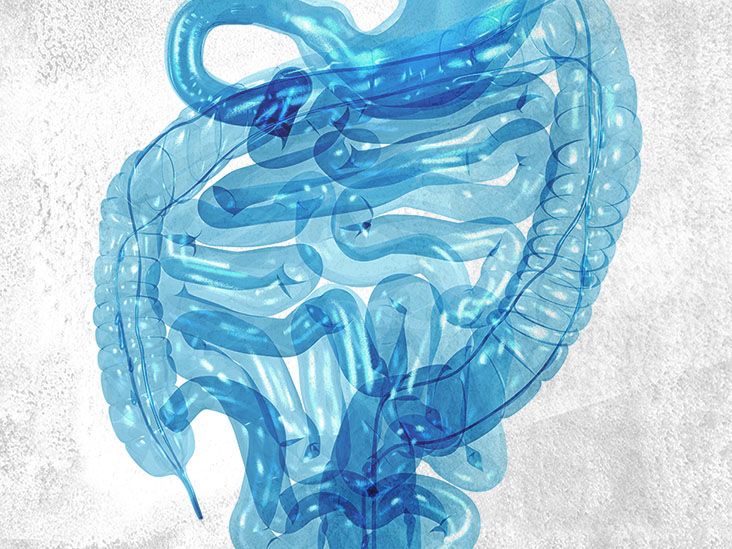
Crohn’s disease is a chronic type of inflammatory bowel disease, or IBD. It occurs when the immune system mistakenly drives inflammation in the digestive tract. Crohn’s can affect any area from the mouth to the anus, although it commonly involves the end of the small intestine, called the ileum, and the beginning of the large intestine.
Unlike some other digestive conditions, Crohn’s inflammation can extend through deeper layers of the bowel wall. It may appear in patches, leaving healthier areas between inflamed sections. That patchy pattern helps explain why two people with the same diagnosis can have very different symptoms, treatment plans, and “why is my stomach doing this today?” moments.
Doctors may describe Crohn’s based on where it occurs, such as ileal Crohn’s, Crohn’s colitis, ileocolitis, upper gastrointestinal Crohn’s, or jejunoileitis. They may also describe its behavior as inflammatory, stricturing, or penetrating. These categories matter because they help guide monitoring and treatment.
Do Crohn’s Disease Stages Happen in Order?
Not necessarily. Some people are diagnosed during a relatively mild inflammatory phase. Others may first seek care because they develop a bowel blockage, a painful abscess, or symptoms around the anus. A person can also move from active inflammation into remission, then have another flare months or years later.
For practical purposes, Crohn’s disease is often understood in five broad phases: early or inflammatory disease, active flare disease, complicated structural disease, penetrating or fistulizing disease, and remission with long-term monitoring. These are not video-game levels that everyone must unlock. They are useful clinical patterns that help patients and clinicians discuss what is happening and what comes next.
Stage 1: Early or Inflammatory Crohn’s Disease
In the early inflammatory stage, Crohn’s disease causes irritation, swelling, and small ulcers in the digestive tract but has not yet produced major scarring or penetrating complications. Symptoms can be subtle at first, which is one reason diagnosis may take time.
Common Early Symptoms
- Repeated diarrhea or looser-than-usual stools
- Cramping or abdominal pain, often after meals
- Fatigue that feels bigger than the day should have earned
- Loss of appetite and unintended weight loss
- Low-grade fever
- Mouth sores
- Nausea, bloating, or a sense of fullness
- Blood in the stool in some cases
Symptoms depend heavily on location. Crohn’s affecting the small intestine may cause weight loss, nutritional deficiencies, and pain after eating. Crohn’s affecting the colon may cause diarrhea, urgency, rectal bleeding, or cramping. Crohn’s near the anus may cause pain, drainage, fissures, or skin irritation.
How Doctors Evaluate Early Crohn’s Disease
There is no single test that can diagnose Crohn’s disease by itself. Evaluation often includes medical history, physical examination, blood tests, stool tests, colonoscopy with biopsies, and imaging such as CT enterography or MR enterography. Stool markers, including fecal calprotectin, can help show whether inflammation may be active in the intestines.
The goal is not merely to confirm that symptoms exist. It is to understand where inflammation is located, how severe it is, whether infection or another condition could be involved, and whether Crohn’s has already caused damage that symptoms alone cannot reveal.
Stage 2: Active Flare or Moderate-to-Severe Crohn’s Disease
A Crohn’s flare occurs when inflammation becomes more active and symptoms intensify. A flare can develop gradually or seem to crash into the calendar with the subtlety of a marching band. It may be triggered by uncontrolled inflammation, infection, medication changes, smoking, stress, or sometimes no obvious factor at all.
Symptoms During a Crohn’s Flare
- Frequent diarrhea, sometimes urgent or bloody
- More intense abdominal pain or cramping
- Fatigue, weakness, or dizziness
- Fever
- Reduced appetite and dehydration
- Weight loss
- Vomiting or nausea
- Joint pain, eye irritation, or painful skin lesions
Crohn’s is not limited to the gut. Inflammation can affect other parts of the body, leading to joint pain, eye inflammation, skin changes, fatigue, and sometimes liver or bile duct problems. These are called extraintestinal manifestations, which is a long phrase for “the disease decided to bring friends.”
Treatment During an Active Flare
Treatment depends on disease severity, location, prior medication history, complications, age, nutritional status, and individual risks. Short-term corticosteroids may be used to quickly reduce inflammation during certain flares. However, steroids are generally not a long-term maintenance strategy because they can cause important side effects.
For moderate-to-severe Crohn’s disease, clinicians may recommend immune-modifying treatment, including biologic therapies and other targeted medicines. These treatments can reduce inflammation, help maintain remission, and lower the risk of future complications for appropriate patients. Medication selection is individualized; the best option for one person may be a poor match for another.
Nutritional support may also become important during a flare. A dietitian who understands IBD can help address calorie needs, iron deficiency, vitamin B12 deficiency, vitamin D, calcium, protein intake, hydration, and foods that are easier to tolerate during active symptoms.
Stage 3: Stricturing Crohn’s Disease and Bowel Narrowing
Over time, repeated inflammation can lead to thickening and scarring in part of the intestine. This can create a stricture, meaning the bowel becomes narrower. Imagine a flexible garden hose that has been squeezed and stiffened in one spot. Food and digestive contents have a harder time moving through, which can cause significant discomfort.
Possible Signs of a Stricture
- Cramping pain after eating
- Bloating or abdominal swelling
- Nausea and vomiting
- Difficulty passing stool or gas
- Changes in bowel habits
- Episodes of partial or complete bowel obstruction
Not every narrowing behaves the same way. Some strictures are driven mainly by active inflammation and may improve with medical therapy. Others contain more scar tissue and may require procedures or surgery. Imaging, endoscopy, symptom patterns, and clinical judgment help determine which approach is safest.
Treatment for Crohn’s-Related Strictures
Treatment may include medication for inflammatory narrowing, endoscopic balloon dilation for selected short strictures, or surgery when there is significant obstruction, extensive scarring, repeated symptoms, or concern for another serious problem. Surgery may involve removing a diseased bowel segment or performing a strictureplasty, which widens a narrowed area without removing as much intestine.
Surgery is not a “failure” in Crohn’s disease. It is one tool in the treatment toolbox. Sometimes it is the safest and most effective way to resolve a complication and restore quality of life.
Stage 4: Penetrating, Fistulizing, or Perianal Crohn’s Disease
Penetrating Crohn’s disease occurs when inflammation creates abnormal tunnels through the bowel wall. These tunnels are called fistulas. A fistula can connect one part of the intestine to another organ, to the skin, or to tissue near the anus. Crohn’s can also lead to abscesses, which are enclosed pockets of infection.
Symptoms That May Suggest a Fistula or Abscess
- Drainage, swelling, or pain near the anus
- Persistent fever or chills
- Localized abdominal pain and tenderness
- Unusual vaginal, urinary, or skin drainage
- Repeated infections
- Severe fatigue or feeling suddenly much sicker
Perianal Crohn’s disease can be physically uncomfortable and emotionally exhausting because symptoms may affect sitting, walking, sleep, work, relationships, and self-confidence. Prompt medical evaluation matters because abscesses may require drainage, antibiotics, and coordinated care involving gastroenterology and colorectal surgery.
Treatment for Fistulas and Abscesses
Treatment often combines approaches. An abscess may need drainage before immune-suppressing therapy is adjusted. Certain biologic medicines are used for fistulizing Crohn’s disease, while surgical procedures may help control infection, protect the area, or repair complex fistulas. The plan should be personalized and may involve imaging, seton placement, medication, nutrition support, and follow-up over time.
Stage 5: Remission and Long-Term Crohn’s Disease Management
Remission means Crohn’s disease is quiet, but “quiet” has more than one meaning. Clinical remission means symptoms such as pain, urgency, bleeding, diarrhea, and fatigue are under control. Endoscopic remission means a colonoscopy does not show active visible inflammation. Histologic remission goes even deeper, referring to reduced inflammation on microscopic tissue examination.
The modern treatment goal is not just helping a person feel better. It is also reducing ongoing inflammation that could quietly lead to future bowel damage. That is why follow-up may include blood work, stool markers, imaging, colonoscopy, and conversations about symptoms even when a person feels well.
What Helps Support Remission?
- Taking prescribed maintenance treatment consistently
- Keeping gastroenterology follow-up appointments
- Monitoring blood tests and stool markers when recommended
- Addressing anemia, vitamin deficiencies, and bone health
- Avoiding smoking, which can make Crohn’s harder to control
- Creating a realistic nutrition and hydration plan
- Managing stress, sleep, and mental health needs
There is no universal “Crohn’s diet.” Some people tolerate foods differently during a flare than during remission. A food diary may help identify personal triggers, but it should not become a reason to eliminate half the grocery store without guidance. Overly restrictive diets can worsen nutritional deficiencies, especially when the small intestine is involved.
Complications of Crohn’s Disease
Not everyone with Crohn’s disease develops complications, especially when inflammation is recognized and treated effectively. Still, it helps to know what clinicians watch for over time.
Digestive Complications
- Strictures and bowel obstruction
- Fistulas
- Abscesses
- Anal fissures and perianal disease
- Intestinal perforation, which is rare but serious
- Malnutrition and dehydration
Whole-Body Complications
- Iron-deficiency anemia or vitamin B12 deficiency
- Low bone density, including osteopenia or osteoporosis
- Delayed growth and puberty in children and teens
- Joint, eye, skin, or liver-related inflammation
- Higher colorectal cancer risk in people with longstanding Crohn’s involving the colon
For people with Crohn’s colitis, long-term colorectal cancer surveillance may be part of care. The timing and frequency depend on factors such as how long the colon has been affected, how extensive the inflammation is, family history, and whether other conditions are present. This is a conversation for an IBD specialist, not a calendar reminder invented by a search engine.
When Crohn’s Disease Symptoms Need Urgent Care
Contact a healthcare professional promptly for worsening symptoms, persistent fever, signs of dehydration, unexplained weight loss, significant rectal bleeding, severe abdominal pain, vomiting, or new drainage around the anus. Emergency evaluation may be needed for severe abdominal swelling, intense pain, repeated vomiting, inability to pass stool or gas, fainting, confusion, or high fever.
These symptoms do not automatically mean a complication is present, but they deserve timely assessment. With Crohn’s disease, waiting for symptoms to become “definitely bad enough” can be an exhausting and risky strategy.
Living Through the Stages of Crohn’s Disease: Real-World Experiences
Living with Crohn’s disease is often less about one dramatic medical moment and more about learning to navigate uncertainty. The following examples are composite experiences based on common themes reported by people with Crohn’s disease. They are not individual medical stories, but they reflect the practical and emotional side of managing a chronic condition.
For many people, the earliest stage feels confusing rather than dramatic. Someone may notice frequent stomach cramps, loose stools, or exhaustion but assume it is stress, a food sensitivity, a busy schedule, or an unlucky relationship with coffee. They may try to “push through” for months because symptoms come and go. The turning point often comes when fatigue becomes hard to ignore, weight changes become noticeable, or bathroom urgency starts interfering with school, work, travel, or social plans.
During an active flare, the experience can become very practical, very fast. A person may start memorizing the location of restrooms in every store, restaurant, and highway stop. They may cancel plans because pain, diarrhea, or fatigue makes leaving home feel impossible. Friends might see someone who “looks fine” and not realize that simple tasks, such as sitting through a class or commuting to work, can require serious planning.
Treatment can bring relief, but it also introduces a learning curve. Many people describe needing time to understand medication schedules, blood tests, infusion appointments, insurance approvals, and potential side effects. The goal is not to become a part-time pharmacist or a full-time insurance detective, yet Crohn’s can occasionally hand out those job titles without asking. Building a care team and asking clear questions can make the process more manageable.
People with stricturing or fistulizing Crohn’s often describe a different kind of anxiety: fear that a familiar symptom may signal a complication. Pain after meals, nausea, fever, new drainage, or bloating can feel more urgent once someone has experienced a bowel obstruction or abscess. In these situations, having a written action plan can reduce uncertainty. A practical plan may include the clinic’s phone number, symptoms that require same-day contact, current medications, and the nearest emergency department.
Remission can bring another adjustment. Some people expect to feel instantly carefree once symptoms improve, but recovery may take time. Fatigue can linger, food confidence may rebuild slowly, and fear of another flare may remain in the background. It is normal to appreciate a good day while still being cautious about the next one.
Many people find that support matters as much as logistics. Honest conversations with trusted family members, friends, teachers, managers, or partners can make everyday life easier. A simple explanation such as “I have a chronic digestive condition that can flare unpredictably” may be enough. Others prefer more privacy. Both approaches are valid.
The most useful long-term mindset is usually flexible rather than perfect. Crohn’s disease management may involve medication, nutrition planning, stress support, monitoring, and occasional treatment changes. A flare is not a personal failure. A surgery is not a defeat. A need for rest is not laziness. The goal is not to win an imaginary contest against your intestines; it is to protect health, prevent damage, and keep making room for a full life.
Conclusion
The stages of Crohn’s disease are best understood as changing patterns of inflammation, symptoms, complications, and remission rather than a fixed sequence. Early inflammatory disease may cause diarrhea, cramping, fatigue, and weight loss. More active disease can bring severe flares, nutritional problems, and symptoms outside the digestive tract. Over time, some people develop strictures, fistulas, abscesses, or perianal disease that require more specialized treatment.
Today’s Crohn’s disease treatment options include short-term flare control, immune-modifying medicines, biologic and targeted therapies, nutrition support, procedures, and surgery when needed. The central goal is to reduce inflammation, prevent complications, and help people live actively during remission. With individualized care and regular monitoring, Crohn’s disease can be managed even when the journey is occasionally more “plot twist” than peaceful stroll.