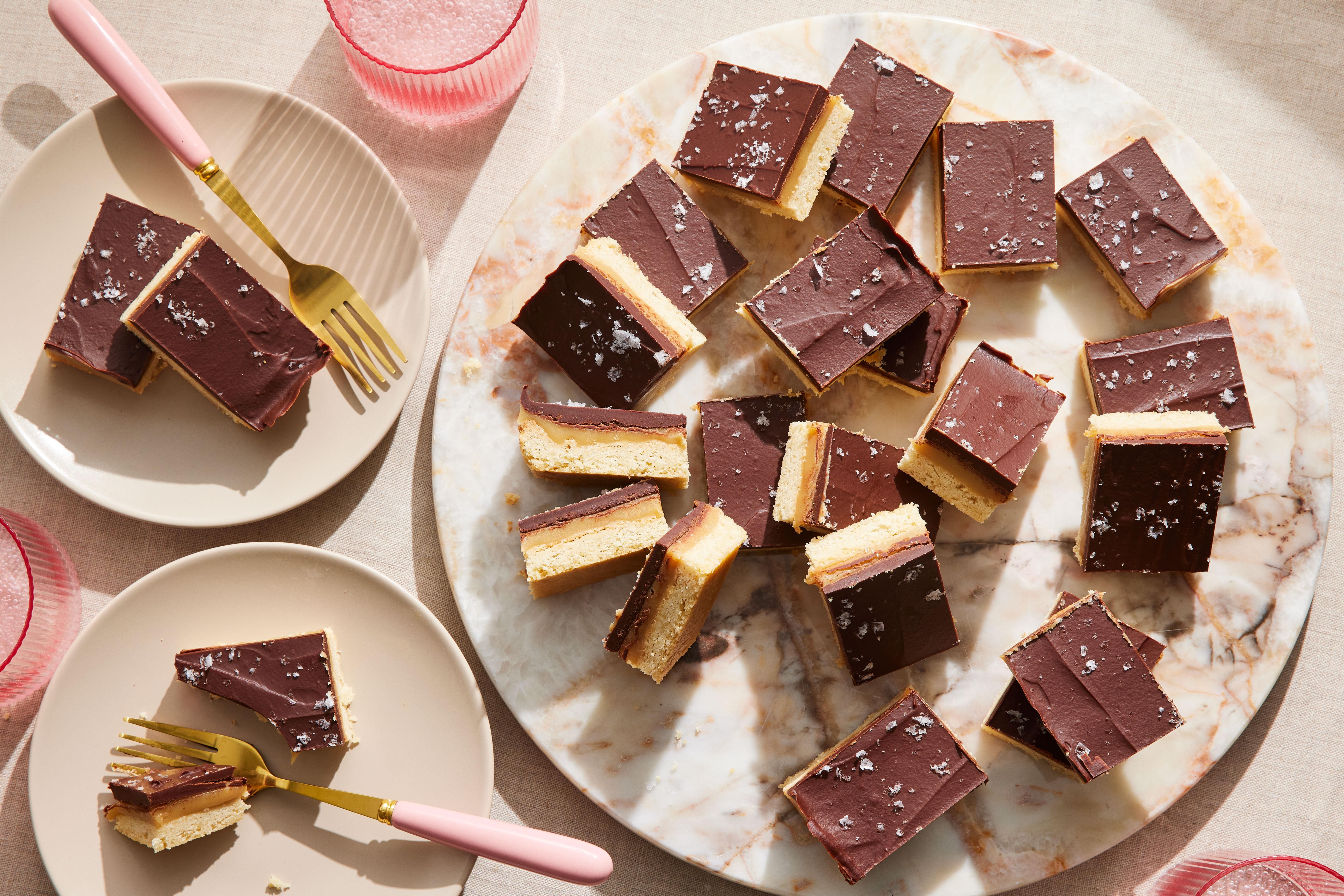
Some desserts whisper. Millionaire’s shortbread absolutely struts into the room wearing expensive shoes. With its buttery shortbread base, lush caramel center, and glossy chocolate topping, this classic bar cookie tastes like a candy bar that got promoted to executive management. If you love desserts that are rich, sliceable, and just dramatic enough to make people think you tried harder than you did, this millionaire’s shortbread recipe is about to become your new favorite baking flex.
Despite the fancy name, millionaire’s shortbread is surprisingly doable. It looks bakery-case impressive, but the building blocks are simple: flour, butter, sugar, sweetened condensed milk, and chocolate. The real trick is understanding how the layers behave. Get the shortbread firm but tender, cook the caramel until thick but not tooth-breaking, and use a chocolate topping that sets nicely without turning into edible drywall. Once you know those rules, the recipe stops feeling intimidating and starts feeling dangerously repeatable.
What Is Millionaire’s Shortbread?
Millionaire’s shortbread is a layered dessert bar traditionally associated with British and Scottish baking. The structure is simple and glorious: a shortbread crust on the bottom, a chewy caramel layer in the middle, and a chocolate finish on top. Think of it as the homemade cousin of a caramel-chocolate candy bar, only butterier, deeper in flavor, and much more likely to make your guests ask for the recipe before the pan is empty.
The appeal is all about contrast. The base is crumbly but sturdy, the caramel is soft and rich, and the chocolate adds a smooth snap. A tiny sprinkle of flaky sea salt on top is optional, but highly recommended if you enjoy desserts that don’t taste like a sugar factory exploded in your mouth.
Why This Millionaire’s Shortbread Recipe Works
This recipe uses a classic shortbread formula with enough butter to keep the crust tender, but not so much that it turns fragile and collapses under the caramel. The filling relies on sweetened condensed milk, brown sugar, and butter, which creates a caramel that is silky, reliable, and far less stressful than free-form candy making. The topping is made with melted chocolate and a little butter, which gives it shine and keeps it easier to slice.
In other words, this is a practical millionaire’s shortbread recipe. It is rich, yes. Dramatic, absolutely. But it is also designed for real kitchens, ordinary saucepans, and bakers who would prefer not to cry into a pan of seized caramel on a Tuesday night.
Ingredients for the Best Millionaire’s Shortbread
For the Shortbread Base
- 1 cup unsalted butter, softened
- 1/2 cup granulated sugar
- 2 cups all-purpose flour
- 1/4 teaspoon fine salt
- 1 teaspoon vanilla extract
For the Caramel Layer
- 1/2 cup unsalted butter
- 1/2 cup packed light brown sugar
- 1 can sweetened condensed milk, 14 ounces
- 2 tablespoons light corn syrup or golden syrup
- 1/2 teaspoon fine salt
- 1 teaspoon vanilla extract
For the Chocolate Topping
- 8 ounces semisweet or dark chocolate, chopped
- 1 tablespoon unsalted butter
- Flaky sea salt, optional
These ingredients are basic, but each one matters. Use good butter because the shortbread depends on it. Use semisweet or dark chocolate if you want balance. Milk chocolate is delicious, but paired with sweet caramel it can push the bars into “lovely, but I need a nap immediately” territory.
Equipment You’ll Want Nearby
- 8-inch or 9-inch square baking pan
- Parchment paper
- Mixing bowls
- Hand mixer or stand mixer
- Medium saucepan
- Offset spatula or spoon for spreading
- Sharp knife for slicing
Lining the pan with parchment paper is not optional in spirit, even if technically it is in law. That parchment sling makes lifting and slicing the bars dramatically easier. Without it, you may end up excavating dessert from the pan like an archeologist with trust issues.
How to Make Millionaire’s Shortbread
Step 1: Prepare the Pan and Oven
Preheat your oven to 325°F. Line an 8-inch square pan with parchment paper, leaving enough overhang on two sides to lift the bars out later. Lightly grease the parchment if you like extra insurance.
Step 2: Make the Shortbread Base
In a mixing bowl, cream the softened butter and granulated sugar until smooth and fluffy. Add the vanilla. Mix in the flour and salt until the dough looks crumbly, then press it firmly and evenly into the prepared pan. Dock the surface lightly with a fork so steam can escape while baking.
Bake for 22 to 28 minutes, or until the edges are lightly golden and the center looks set. Do not overbake it. A deeply browned shortbread base may taste good on its own, but underneath caramel it can become too hard and steal the spotlight from the layers above. Let the crust cool completely.
Step 3: Cook the Caramel
In a medium saucepan, combine the butter, brown sugar, sweetened condensed milk, corn syrup, and salt. Cook over medium to medium-low heat, stirring constantly. Once the mixture starts bubbling, keep cooking and stirring for about 6 to 10 minutes, until it thickens, darkens slightly, and begins pulling away from the sides of the pan.
This is the moment where patience earns its paycheck. Undercooked caramel stays too soft and may ooze everywhere. Overcooked caramel becomes firm enough to challenge your dental work. You want the texture of thick lava: smooth, glossy, and clearly more committed than it was five minutes earlier. Stir in the vanilla, then immediately pour the caramel over the cooled shortbread base. Spread evenly.
Step 4: Chill the Caramel Layer
Let the pan cool for a bit at room temperature, then transfer it to the refrigerator for 30 to 45 minutes, or until the caramel is mostly firm. It should no longer feel warm or sticky on top.
Step 5: Add the Chocolate Topping
Melt the chopped chocolate and butter together in short bursts in the microwave or over a double boiler, stirring until smooth. Pour the melted chocolate over the chilled caramel and spread it into an even layer. If using flaky sea salt, sprinkle it over the top while the chocolate is still wet.
Step 6: Chill and Slice
Refrigerate the bars until the chocolate is set, about 30 minutes to 1 hour. Lift the slab out using the parchment overhang. For the cleanest slices, let the bars sit at room temperature for 10 to 15 minutes first, then use a sharp knife warmed in hot water and wiped dry between cuts.
Expert Tips for Perfect Layers
Use Room-Temperature Butter for the Base
Soft butter creams more evenly with sugar, which gives the shortbread a finer crumb and more even texture. Cold butter fights back. Hard.
Do Not Rush the Caramel
The caramel layer is where most millionaire’s shortbread recipes either become legendary or become a cautionary tale. Stir constantly, keep the heat moderate, and watch for visible thickening. If it starts catching at the bottom of the pan, lower the heat right away.
Cool Between Layers
Pouring caramel onto a hot crust can soften the base too much, while pouring chocolate onto warm caramel can blur the layers. Give each component time to settle so the finished bars look sharp and hold together beautifully.
Choose Chocolate with Intention
Dark or semisweet chocolate creates the best flavor contrast. If you want a sweeter, more candy-bar style result, milk chocolate works too. A mix of semisweet and dark is often the sweet spotliterally.
Score the Chocolate if Needed
If you want ultra-neat slices, lightly score the top once the chocolate is partially set but not fully hard. Then complete the cuts later. This helps prevent the chocolate from cracking in dramatic, chaotic ways.
Common Mistakes to Avoid
- Using high heat for caramel: This increases the risk of scorching before the caramel thickens properly.
- Skipping parchment paper: You can do it, but future you will not send a thank-you note.
- Overbaking the crust: The base should be lightly golden, not deeply toasted.
- Cutting straight from the fridge: Very cold bars are harder to slice cleanly and more likely to crack on top.
- Making the chocolate too thick: A thick top layer can overpower the dessert and make slicing messy.
Easy Variations
Salted Millionaire’s Shortbread
Add flaky sea salt on top or increase the salt in the caramel slightly for a more balanced finish.
Espresso Millionaire Bars
Stir a little espresso powder into the caramel or shortbread base for a grown-up flavor twist.
Nutty Millionaire’s Shortbread
Fold finely chopped toasted pecans into the base or scatter them over the caramel before adding chocolate.
Holiday Version
Add orange zest to the shortbread or a pinch of cinnamon to the caramel. Suddenly the bars feel festive enough to wear velvet.
How to Store Millionaire’s Shortbread
Store the bars in an airtight container in the refrigerator for up to 1 week. If you prefer a softer bite, let them sit at room temperature for 10 to 20 minutes before serving. You can also freeze them, tightly wrapped, for up to 2 months. Separate layers with parchment so they do not stick together like wealthy little neighbors with boundary issues.
Serving Ideas
This millionaire’s shortbread recipe is ideal for holiday cookie platters, bake sales, potlucks, afternoon coffee, or those moments when you simply decide that a plain snack is beneath you. Cut them into small squares for parties or larger bars for a more generous dessert. Since the flavor is rich, even modest portions feel satisfyingthough self-control may still file a formal complaint.
Conclusion
If you have been looking for the best millionaire’s shortbread recipe, this one delivers everything the dessert promises: buttery crust, chewy caramel, glossy chocolate, and enough contrast in texture to keep every bite interesting. It is elegant without being fussy, indulgent without being impossible, and familiar enough to please a crowd while still feeling special.
The magic of millionaire’s shortbread is that it looks luxurious but relies on straightforward pantry staples and a few solid techniques. Once you make it successfully, it becomes the sort of recipe you bring out whenever you want guaranteed praise, suspiciously quick disappearances from the dessert table, and the faint illusion that your kitchen is run by a tiny team of pastry professionals. It is not. It is just you, butter, and excellent decision-making.
My Experience Making Millionaire’s Shortbread Again and Again
The first time I made millionaire’s shortbread, I treated it like a casual tray bake. That was adorable. By the time I finished stirring the caramel, cleaning the spoon, and trying not to eat the chocolate layer before it set, I realized this dessert may look simple, but it has opinions. Strong ones. Since then, I have made it for holidays, birthdays, dinner parties, and random weekends when ordinary brownies felt emotionally insufficient. Every batch taught me something useful.
My earliest mistake was believing the caramel would politely announce when it was ready. It does not. It thickens gradually, going from “sweet soup” to “oh, now we’re talking” in what feels like three seconds. I learned to watch the texture more than the clock. When the caramel starts pulling away from the pan and leaves a path as you stir, that is the moment to pay attention. Hesitate too long and the layer firms up more than you want. Pull it early and you get delicious chaos. Edible, yes. Sliceable, not so much.
I also learned that millionaire’s shortbread is a dessert built on timing. If the shortbread base is still warm when you add caramel, things can go soft in a hurry. If the caramel is too warm when the chocolate goes on, the layers may blur together like they are trying to become one giant candy bar. That sounds delightful in theory, but in practice you want those clean, distinct layers. So now I build in pauses. The base cools. The caramel sets. The chocolate goes on only when the middle layer feels confident.
Texture has become my favorite part of the recipe. A good batch has a tender but sturdy base that does not crumble into sad dust, a caramel center that yields without sticking to your teeth like a prank, and a chocolate top that snaps gently instead of shattering across the room. I started warming my knife, wiping it clean between slices, and letting the bars sit out for a few minutes before cutting. That tiny ritual made a huge difference. Suddenly my bars looked less “rustic home baker with enthusiasm” and more “yes, I absolutely meant for them to look this polished.”
Sharing the bars has been the funniest part. People always take one small square at first because they know it is rich. Then they come back for a second sliver “just to compare corners to center pieces,” which is dessert logic I fully respect. At one holiday gathering, someone called them homemade luxury. Another person said they tasted like a Twix bar that went to finishing school. Honestly, both descriptions still make me laugh because they are weirdly accurate.
What I appreciate most is that millionaire’s shortbread feels special without demanding impossible skills. You do not need a candy thermometer, a culinary degree, or the patience of a saint. You just need attention, decent ingredients, and a willingness to let butter do what butter does best. Every time I make it, I remember why it stays in heavy dessert rotation: it is reliable, crowd-pleasing, and just theatrical enough to feel like an event. Some recipes are everyday recipes. This one feels like good news cut into squares.