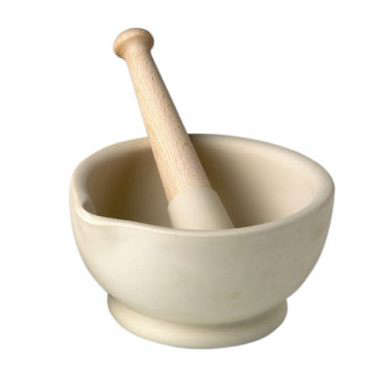
If you have ever looked at a mortar and pestle and thought, “Do I really need another kitchen tool that also doubles as arm day?” the Milton Brook Mortar & Pestle makes a surprisingly strong case for yes. This is not some trendy countertop prop pretending to be useful while secretly collecting dust beside the air fryer manuals. It is a classic, old-school tool designed to crush, grind, mash, and blend ingredients in a way that electric gadgets often imitate but do not quite match.
The Milton Brook Mortar & Pestle has developed a reputation as a heritage-style kitchen essential. It is known for its unglazed porcelain construction, beechwood-handled pestle, and clean, practical design that feels more timeless than flashy. In a world filled with loud appliances and overpromising gadgets, this tool is refreshingly honest. You put ingredients in. You grind. Flavor shows up. Dinner gets better. Everyone wins.
What Is the Milton Brook Mortar & Pestle?
The Milton Brook Mortar & Pestle is a traditional grinding tool made for crushing herbs, spices, garlic, seeds, nuts, and wet mixtures such as sauces, marinades, and pastes. Depending on the retailer, you may see the brand described simply as Milton Brook or as Milton Brook by Wade Ceramics. Either way, the identity is the same: a long-running ceramic mortar-and-pestle line with a reputation for durability, usability, and a distinctly classic look.
What separates it from many generic models is the material story. Milton Brook pieces are commonly described as unglazed or vitrified porcelain. That combination matters. The unglazed interior gives you the friction needed to actually grind ingredients rather than just politely chase them around the bowl. The vitrified porcelain construction is intended to resist stains, odors, and absorption, which is excellent news if you grind garlic on Monday, cumin on Tuesday, and a spicy chili paste on Wednesday without wanting Thursday’s yogurt sauce to taste like regret.
Why So Many Home Cooks Like It
1. It balances friction and cleanliness
A mortar and pestle needs enough interior texture to break down ingredients efficiently. Too smooth, and whole spices behave like tiny escape artists. Too rough, and cleanup becomes a medieval side quest. Milton Brook sits in an appealing middle ground. Its abrasive interior is designed to help with grinding, but the overall finish still feels refined and easy to maintain.
That makes it especially good for cooks who want a mortar and pestle for everyday flavor-building rather than just dramatic tableside guacamole. Think coriander and cumin for a spice rub, garlic and salt mashed into a paste, basil turned into a textured pesto, or a quick chili-ginger mixture for noodles. This is where the Milton Brook style shines.
2. The beechwood handle adds comfort
One of the more distinctive details is the pestle’s beechwood handle. That handle gives the piece a more ergonomic feel than all-stone models that can feel dense, clunky, or awkward during longer grinding sessions. It also contributes to the product’s traditional look, which is another reason people leave it on the counter instead of hiding it in a cabinet next to the mystery lid collection.
3. It comes in multiple sizes
Milton Brook has been sold in a range of sizes, from compact 4-inch versions to larger 8.5-inch models. That is useful because not every kitchen task needs the same bowl size. A smaller mortar is ideal for crushing peppercorns, cardamom pods, saffron, or a couple cloves of garlic. A mid-size model is better for pesto, curry paste, herb sauces, or marinades. A larger version gives you more working room and fewer ingredients flying out like startled confetti.
How It Performs in a Real Kitchen
The best way to understand the Milton Brook Mortar & Pestle is to stop thinking of it as a museum piece and start thinking of it as a flavor tool. It is most useful when you want control over texture. A blender gives speed. A food processor gives volume. A good mortar and pestle gives precision.
For example, when you crush garlic with coarse salt in a Milton Brook mortar, the salt acts as an abrasive and helps turn the cloves into a smooth paste. That paste disperses beautifully in dressings, aioli, yogurt sauces, and marinades. The same principle works with fresh ginger, chilies, anchovies, toasted spices, and herbs. Instead of chopping ingredients into separate pieces, you press them into one integrated mixture with more aroma and more character.
This is also why mortar-and-pestle pesto has such a devoted fan club. Rather than slicing basil into submission with a metal blade, the ingredients are pressed and ground together more gently, creating a sauce with texture, depth, and a less aggressively processed feel. The result tastes handmade because, well, it is. Your forearm will know it too.
Porcelain vs. Granite: Where Milton Brook Wins and Where It Does Not
Let us be fair and honest, because every kitchen tool deserves a little truth and not just romantic poetry.
Milton Brook’s porcelain construction gives it several advantages. It is less rugged-looking than a lava stone molcajete, easier to keep visually clean, and well suited to cooks who want a refined countertop tool for spices, herbs, and smaller wet mixtures. It is also a practical choice for people who dislike porous materials and want a cleaner-feeling surface for frequent use.
But if your dream weekend project is making a giant batch of chunky guacamole, rustic salsa, or a large amount of ultra-coarse spice mix, a very heavy granite mortar may outperform it simply because that material tends to offer more mass and aggressive texture. In other words, Milton Brook is more elegant precision instrument than brute-force boulder. It can absolutely handle everyday grinding, but it is not trying to cosplay as a volcanic rock.
Best Uses for the Milton Brook Mortar & Pestle
If you are wondering what this tool is actually good for, here is the practical answer: quite a lot.
- Grinding whole spices for rubs, curries, and soups
- Mashing garlic with salt into a paste
- Crushing ginger and chilies for stir-fries and marinades
- Making small-batch pesto, aioli, salsa verde, and herb sauces
- Blending seeds and nuts for textured toppings or spice mixes
- Preparing tea and chai spices with more fresh aroma
- Creating wet spice pastes and seasoning blends without plugging in another appliance
That range is exactly why the mortar and pestle has survived for centuries. It does not need an app, a charging cable, or a firmware update. It just needs ingredients and a person willing to do a little grinding. Revolutionary stuff.
How to Choose the Right Size
Small sizes
Choose a smaller Milton Brook if your main goal is grinding pepper, cumin, coriander, fennel, cardamom, or a few cloves of garlic at a time. Small sizes are easier to store, easier to lift, and perfect for quick seasoning tasks.
Medium sizes
A medium Milton Brook is probably the sweet spot for most home cooks. It is roomy enough for pesto, spice blends, curry pastes, and dressings, but not so bulky that it feels like countertop furniture.
Large sizes
Go large if you cook often, make sauces in batches, or want more room to pound ingredients without sending sesame seeds into low Earth orbit. Larger bowls also make it easier to layer ingredients gradually, which is often the best way to build sauces and pastes.
How to Get Better Results With It
Using a mortar and pestle well is less about brute strength and more about rhythm. Start by pounding harder ingredients to break them down, then switch to a pressing and grinding motion around the sides of the bowl. Add ingredients in stages rather than dumping everything in at once. Garlic and salt first, then spices, then herbs, then oil or acid if you are making a sauce.
To make your spices taste more vivid, toast whole spices briefly in a dry skillet before grinding. This small step can make a large difference. Warm spices release more aroma, and freshly grinding them right before cooking gives food a more complex and lively flavor than using old pre-ground powders that have been sitting in the pantry since who knows when.
Cleaning and Care
Milton Brook’s reputation for easy cleaning is one of its best selling points. The porcelain construction is designed to resist lingering flavors, stains, and odors, which makes it a practical choice for regular use. In many listings, hand washing is recommended, especially because the pestle includes wood. Some sellers also note that the mortar itself may be oven- and freezer-safe, but product details can vary by version and retailer, so it is smart to check the specific listing before getting adventurous.
For everyday cleaning, warm water, a mild detergent, and a soft sponge are usually all you need. Dry it thoroughly before putting it away. And yes, that advice is boring. It is also the kind of boring advice that keeps kitchen tools looking good for years, which is really the dream.
Is the Milton Brook Mortar & Pestle Worth Buying?
If you want a mortar and pestle that looks classic, feels substantial without being excessively heavy, and works well for both dry and wet ingredients, the Milton Brook Mortar & Pestle is an appealing option. It is especially attractive for cooks who value real texture, fresh spice flavor, and an uncluttered design that does not scream for attention.
It may not be the best possible choice for every single cooking style. If you make large-volume guacamole every weekend or want the roughest possible grinding surface, a heavy granite model may be more your speed. But for a broad range of kitchen tasks, Milton Brook offers something many home cooks actually want: practicality with a bit of heritage charm.
In short, it is one of those kitchen tools that quietly earns its place. No gimmicks. No neon accents. No suspiciously enthusiastic claims about changing your life. Just better spices, better sauces, and a strong chance that you will start saying things like “freshly crushed coriander” with unnecessary pride.
Kitchen Experiences With the Milton Brook Mortar & Pestle
What makes the Milton Brook Mortar & Pestle especially enjoyable is the kind of experience it creates in everyday cooking. A lot of kitchen tools do the job quickly, but not many make you feel more connected to the food. This one does. The moment you drop toasted cumin or coriander into the bowl and start grinding, the aroma changes immediately. It rises faster, smells deeper, and feels more alive than anything that comes from a pre-ground jar. That sensory difference is not subtle. It is the kind of thing that makes a cook pause for half a second and think, “Oh. So this is why people still use these.”
Another common experience is how useful the Milton Brook feels for small prep jobs that do not deserve the drama of a food processor. Say you want a quick garlic-chili paste for noodles, a ginger mash for a marinade, or a few crushed cardamom pods for tea. Pulling out a large machine feels ridiculous. The mortar is faster, quieter, and easier to clean. That convenience often becomes the reason people use it more often than expected. It starts as a specialty tool and turns into a regular one.
There is also a satisfying tactile quality to the design. The bowl feels stable, and the beechwood handle gives the pestle a comfortable grip that encourages control rather than awkward pounding. When working with herbs, nuts, or seeds, the grinding motion feels deliberate and intuitive. You can stop at coarse texture for rustic sauces or keep going until things become smoother and more blended. That control is hard to replicate with electric blades, which often leap from chunky to overprocessed in the blink of an eye.
For people who love hosting, the experience is even better. A Milton Brook Mortar & Pestle looks attractive enough to leave out on the counter, and it can move easily from prep tool to serving companion. A fresh pesto, a cracked-pepper blend, or a small herb sauce made in the mortar feels charming and a little theatrical in the best way. It suggests that dinner was made by an actual person rather than assembled by a loud machine and three separate timers.
Perhaps the most underrated experience is the pace it creates. Using this kind of tool slows you down just enough to notice what you are cooking. You smell the basil as it bruises. You hear the crack of peppercorns. You watch garlic become paste. That sounds poetic, and maybe it is, but it is also practical. Better attention usually leads to better seasoning, better texture, and better food. The Milton Brook Mortar & Pestle is not just about grinding ingredients. It is about making flavor feel hands-on again, which is a pretty good trick for a tool with no buttons at all.
Final Thoughts
The Milton Brook Mortar & Pestle proves that a kitchen classic can still feel relevant. Its heritage style, vitrified porcelain construction, and practical design make it a strong choice for home cooks who want better texture, fresher spice flavor, and a tool that is both functional and attractive. It is not the loudest object in the kitchen, but it may become one of the most useful. And unlike a surprising number of modern gadgets, it will never demand a software update before making dinner.