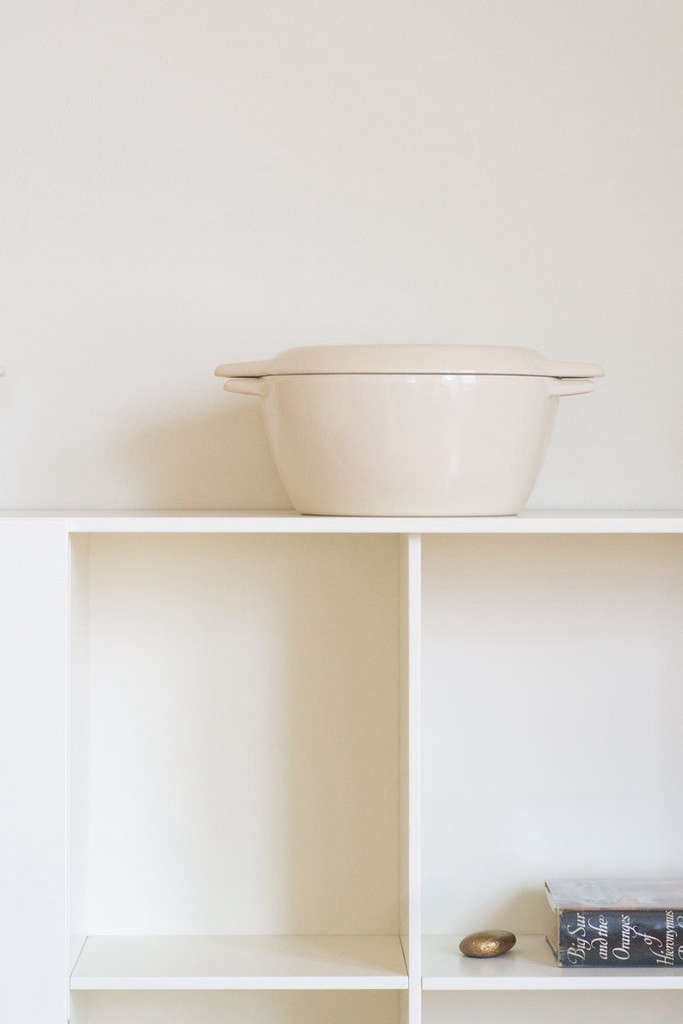
The AGA 4.2L Round Cast Iron Casserole is the sort of cookware that makes a kitchen look more competent before dinner has even begun. With its substantial cast-iron body, classic round profile, fitted lid, and quietly elegant finish, it belongs to the same family of hardworking pots Americans usually call Dutch ovens.
This particular 4.2-liter model has become difficult to find. It appeared in the United States through the curated retailer Quitokeeto and was featured by Remodelista in a creamy off-white shade described as vanilla. The archived retail price was $315, placing it firmly in premium-cookware territory rather than the “grab one while buying paper towels” category.
Its appeal is not merely decorative. A medium-size enameled cast-iron casserole can sear meat, soften onions, simmer beans, braise short ribs, bake bread, roast a chicken, and arrive at the table looking much more sophisticated than the cook may feel after sampling the wine.
What Is the AGA 4.2L Round Cast Iron Casserole?
The AGA 4.2L Round Cast Iron Casserole is a lidded, enameled cast-iron cooking pot with a capacity of approximately 4.4 U.S. quarts. Its rounded shape and deep sides make it suitable for moist cooking methods, including stewing, braising, simmering, and covered roasting.
In American cookware terminology, it can reasonably be described as an enameled cast-iron Dutch oven. “Casserole” is the more common British name, while Dutch oven is the phrase most U.S. shoppers will recognize. The basic design is the same: thick walls, a heavy lid, side handles, and enough thermal mass to keep food cooking steadily after the heat has been reduced.
A Legacy AGA Cookware Piece
Buyers should distinguish this legacy 4.2-liter casserole from AGA’s current cast-iron collection. The older American listing highlighted the rare vanilla finish, while AGA’s more recent cookware catalogs feature different capacities and colors, including black, white, and Olivine.
Current AGA literature says its modern cast-iron cookware is handcrafted in France with 80% recycled material, works on all heat sources including induction, and carries a lifetime warranty. Those details demonstrate AGA’s present cookware standards, but they should not automatically be treated as the specifications of every older 4.2-liter casserole. When purchasing a vintage or new-old-stock example, check the label, packaging, country-of-origin mark, and warranty documentation supplied with that individual pot.
Why the 4.2-Liter Capacity Is So Practical
Cookware capacity can be strangely personal. A tiny pot is adorable until four people expect dinner. An enormous one is useful until it must be lifted from the bottom cabinet using the technique normally reserved for moving refrigerators.
At about 4.4 quarts, the AGA casserole occupies an appealing middle ground. It is large enough for a family meal but not so enormous that every recipe becomes a catering assignment. Comparable 4.2-liter round casseroles are commonly recommended for roughly four or five servings, depending on the dish and the appetites involved.
Meals That Fit Well
- A four-serving beef, chicken, lamb, or mushroom stew
- A modest pot roast with onions, carrots, and potatoes
- Chili, lentil soup, minestrone, or white beans
- Braised chicken thighs in tomato, wine, or cream sauce
- A small whole chicken, depending on the bird’s dimensions
- No-knead bread or a medium sourdough boule
- Baked pasta, layered rice, cobbler, or bread pudding
It can also accommodate side dishes for a larger group. Braised cabbage, scalloped potatoes, baked beans, and holiday stuffing all benefit from the pot’s ability to hold heat while everyone waits for the person who said, “I’ll be there in five minutes.”
Cast-Iron Performance: Slow, Steady, and Forgiving
The casserole’s main performance advantage comes from its cast-iron core. Cast iron does not respond to temperature changes as quickly as thin aluminum or stainless steel. It heats more slowly, stores a considerable amount of energy, and remains hot after a burner is lowered or switched off.
That behavior is especially useful for braising and simmering. Once the pot is thoroughly warmed, its walls and base help maintain a stable cooking environment. The lid reduces moisture loss, while the heavy body minimizes the rapid temperature swings that can make sauces scorch in one spot and sulk uncooked in another. Tested Dutch ovens are consistently valued for searing, boiling, braising, frying, roasting, and bread baking, although performance also depends on lid fit, enamel quality, shape, and wall thickness.
Excellent Heat Retention
Heat retention matters when cold ingredients are added to a hot pot. Dropping several pieces of beef into a lightweight pan can cause the surface temperature to collapse, leaving the meat gray and watery. A well-preheated cast-iron casserole recovers more confidently and helps build the browned residue known as fond.
That fond is culinary treasure. Add stock, wine, tomatoes, cider, or another liquid, scrape the flavorful bits from the base, and the beginnings of a serious sauce appear. It is one of cooking’s most satisfying transformations, just behind turning leftover bread into dessert.
Ideal for Stovetop-to-Oven Recipes
A round cast-iron casserole eliminates the need to brown ingredients in one pan and transfer them to another baking dish. On a typical recipe night, the cook can sauté aromatics, brown the protein, deglaze the base, add liquid, cover the pot, and move it directly into the oven.
This approach saves cleanup and retains every layer of flavor. It is particularly effective for short ribs, pork shoulder, chicken with olives, beef bourguignon, lamb stew, and beans cooked beneath a crisp breadcrumb topping.
A Useful Bread-Baking Chamber
Covered cast-iron pots are popular for baking crusty bread because they trap moisture released by the dough during the early stage of baking. That temporary steamy environment helps the loaf expand before its crust hardens. After the lid is removed, the surface browns and becomes crisp.
The AGA’s 4.2-liter volume should work well for many medium bread recipes, although bakers must confirm that the exact knob and lid are approved for the recipe’s temperature. Never assume that every vintage knob has the same heat limit as a modern stainless-steel replacement.
Enamel Makes Cast Iron Easier to Live With
Bare cast iron requires seasoning and careful drying to maintain its protective cooking surface. Enameled cast iron covers the metal with a glass-like fired coating, creating a smoother, more corrosion-resistant interior and exterior.
The enamel means the AGA casserole should not require traditional seasoning. It is also more comfortable with acidic ingredients such as tomatoes, wine, citrus, and vinegar than unfinished cast iron. However, enamel is not the same as a synthetic nonstick coating. Eggs, delicate fish, and starchy foods can still adhere when the pot is too cold, too hot, or insufficiently lubricated.
The Vanilla Finish
The rare creamy vanilla finish is one of the model’s most recognizable characteristics. Unlike bright red, blue, or orange cookware, the pale neutral color blends easily with traditional, farmhouse, Scandinavian, and modern kitchens.
It also looks handsome on the dining table. That matters more than it may sound. Oven-to-table cookware reduces serving dishes, preserves heat, and gives a simple stew the visual confidence of something that has its own publicist.
The tradeoff is that pale enamel shows splashes, dark marks, and baked-on residue more readily than black enamel. Careful cleaning is therefore part of the ownership experience rather than an optional hobby for a distant weekend.
Best Cooking Techniques for the AGA Casserole
Preheat Gradually
Cast iron performs best when brought up to temperature gradually. Begin over low or medium-low heat, add oil or butter, and allow the pot to warm before adding food. High heat is rarely necessary for a covered casserole and can create isolated hot spots before the entire base has heated evenly.
Brown in Batches
For stew meat, short ribs, or chicken pieces, avoid filling the entire base at once. Crowding traps steam and prevents proper browning. Work in two or three batches, leaving visible space around each piece. It takes a few additional minutes but produces a sauce with substantially better flavor.
Use Lower Heat After the Pot Is Hot
Once cast iron reaches the desired temperature, reduce the burner. Its stored heat will continue doing much of the work. This is particularly important on induction, where energy transfers quickly and a heavy pan can become hotter than expected.
Allow Space for Simmering
A 4.2-liter capacity does not mean the pot should be filled to the rim. Soups, beans, and sauces need headroom for stirring and bubbling. Leaving roughly an inch or more of space also reduces the chance of decorating the stovetop with chili.
Handle It Like Heavy Cookware
Cast-iron casseroles become considerably heavier when filled with liquid and food. Use two dry oven mitts, grip both side handles, and confirm that the destination surface is clear before lifting. A trivet should already be waiting; trying to locate one while carrying a hot pot is an avoidable kitchen adventure.
Cleaning and Caring for Enameled Cast Iron
Good care is less complicated than internet folklore sometimes suggests. The central rules are simple: avoid thermal shock, avoid metal scrubbers, and avoid dropping the pot.
Let It Cool Before Washing
Do not move a very hot casserole directly into cold water. Sudden temperature change can stress or crack the enamel. Set the pot on a heat-safe surface and allow it to cool naturally before washing it with warm water.
Hand-Wash With Mild Soap
Use warm soapy water and a soft sponge, nylon brush, or nonabrasive cloth. Even when an enameled pot is labeled dishwasher-safe, cookware manufacturers commonly recommend hand-washing to preserve the finish and reduce gradual dulling.
Soak Stubborn Residue
For stuck-on food, fill the cooled pot with warm water and let it soak. A gentle baking-soda solution can help loosen discoloration and residue. Avoid steel wool, metal scrapers, and aggressive scouring powders unless the product manufacturer specifically approves them.
Dry Thoroughly
Although the cooking surfaces are enameled, exposed edges around the rim may still be vulnerable to surface rust. Dry the casserole and lid completely before storage. If stacking cookware, place a soft pan protector, folded towel, or paper liner between pieces to prevent chips and scratches.
Protect Glass and Induction Cooktops
Cast iron is compatible with induction when the base is magnetic, but heavy pots should be lifted rather than dragged across smooth cooktops. Sliding can scratch the glass and may also damage the enamel underneath the casserole.
Advantages and Drawbacks
Advantages
- Versatile capacity: Suitable for everyday meals, smaller gatherings, and modest batches.
- Strong heat retention: Helpful for braises, stews, soups, frying, and oven cooking.
- Stovetop-to-table design: Reduces the need for separate cooking and serving dishes.
- Enameled surface: Does not require traditional cast-iron seasoning.
- Neutral appearance: The creamy vanilla finish suits many kitchen styles.
- Collectible appeal: The discontinued or difficult-to-find model may interest AGA enthusiasts.
Drawbacks
- Considerable weight: The pot may be awkward for users with limited hand, wrist, or shoulder strength.
- Slow temperature response: It is not ideal when rapid heating and cooling are priorities.
- Enamel can chip: Hard impacts, metal tools, and improper storage may cause permanent damage.
- Limited availability: Buyers may need to search vintage cookware sellers or specialty marketplaces.
- Premium pricing: Archival listings placed it well above inexpensive Dutch ovens.
- Uncertain legacy specifications: Manufacturing location, knob rating, and warranty coverage should be verified for each individual piece.
Independent Dutch-oven testing generally finds that both premium and budget enameled pots can cook well. Higher prices tend to reflect differences in enamel consistency, finishing, handle design, lid fit, manufacturing standards, warranty support, and long-term durability rather than a magical ability to make onions respect authority.
Who Should Consider Buying It?
The AGA 4.2L Round Cast Iron Casserole is best suited to cooks who regularly prepare one-pot meals and appreciate cookware that can remain on display. It makes particular sense for households of two to five people, depending on serving size and whether leftovers are part of the plan.
It may also appeal to collectors of AGA cookware, owners of classic AGA ranges, and design-focused cooks searching for neutral enameled cast iron rather than the brighter colors associated with many French Dutch ovens.
It is less suitable for anyone who needs lightweight cookware, frequently cooks very large batches, or wants a genuinely nonstick surface for low-fat egg and fish recipes. A large stainless-steel pot may be more practical for boiling pasta, while a lightweight skillet will respond faster when preparing delicate foods.
How to Shop for a Used AGA 4.2L Casserole
Because the model is no longer easy to find through ordinary U.S. retail channels, many available examples may be preowned. Inspect photographs carefully and ask the seller direct questions before purchasing.
- Check the interior for chips, deep scratches, cracks, and exposed iron.
- Inspect the rim and lid for impact damage.
- Confirm that the lid sits evenly without excessive rocking.
- Ask whether the knob is original and whether it has a documented oven-temperature limit.
- Request photographs of the base, branding, size marks, and country-of-origin information.
- Ask about odors, rust, previous repairs, and storage conditions.
- Calculate shipping carefully because cast-iron cookware is expensive to pack and transport safely.
Minor cosmetic staining is usually less concerning than structural damage. A pale interior can develop marks while remaining completely functional. Chips on the cooking surface, however, deserve caution because they expose the underlying metal and may continue to spread.
Ownership Experience: What Cooking With a 4.2L AGA Casserole Feels Like
The following experience section synthesizes common cooking patterns reported in professional Dutch-oven tests and long-term enameled cast-iron ownership. It is not presented as a claim that this exact discontinued AGA pot was personally laboratory-tested for this article.
The First Meal: A Simple Beef Stew
The most natural introduction to a pot like this is beef stew. Set the casserole over medium-low heat, give it time to warm, and add a thin layer of oil. The first lesson arrives quickly: cast iron rewards patience. Turning the burner to maximum does not make the entire pot heat instantly; it mostly increases the chance that the oil starts smoking while the side walls remain comparatively cool.
Once properly heated, the broad base offers enough room to brown a reasonable batch of beef. Two batches work better than one crowded pile. The enamel releases the meat once a crust has formed, but it does not behave like slick modern nonstick cookware. Tugging too early leaves part of dinner attached to the pot.
After the meat is removed, onions and carrots pick up the browned residue. A splash of stock loosens the fond, and the pale interior makes it easier to see which areas need scraping. The lid then turns the casserole into a calm, enclosed cooking chamber. After a few hours at low oven heat, the sauce is concentrated, the beef is tender, and the pot remains hot long after it reaches the table.
The Weeknight Test: Beans and Tomato Sauce
Acidic dishes demonstrate one of the practical benefits of enamel. Tomato sauce, chili, and beans can simmer without the metallic concerns associated with prolonged cooking in poorly seasoned bare iron. The 4.2-liter capacity is large enough for a satisfying batch but small enough that ingredients do not disappear across the bottom like tourists separated in an airport.
The pot’s retained heat also means the cook must anticipate carryover cooking. Beans continue simmering briefly after the burner is lowered. A thick sauce can keep bubbling after the casserole is moved to a trivet. Stirring occasionally and reducing the heat earlier than expected prevents scorching.
The Bread Test
For bread, the round shape provides a supportive chamber for a medium boule. Preheating the empty pot may be required by some recipes, but it should be done only when the cookware manufacturer approves that method and temperature. With vintage pieces, caution is especially important because the lid knob may have a lower heat rating than the cast-iron body.
When properly used, the covered pot traps steam and encourages good oven spring. Removing the lid later in the bake allows the crust to darken. The result can be impressive enough to make a beginner consider naming the sourdough starter and reorganizing the entire weekend around fermentation.
The Cleanup Reality
Most ordinary residue comes away with warm water, mild soap, and a soft sponge. The less charming moments occur after a sauce is allowed to dry around the rim or bread dough burns onto the base. Soaking is more effective than angry scrubbing. Patience protects the enamel and generally requires less effort.
The vanilla exterior may need more frequent wiping than a dark pot. Tomato splashes and browned oil are visible, particularly around the handles. This is the price of owning cookware that dresses for dinner. Fortunately, cosmetic marks do not necessarily affect performance, and a gently used appearance can suit a heritage-style casserole.
The Weight Becomes Part of the Routine
The biggest adjustment is handling. Empty, the casserole is already substantial. Filled with stew, it becomes a two-handed object requiring clear counter space and reliable oven mitts. Users quickly learn to place the trivet before opening the oven and to move the pot only when necessary.
That weight is also responsible for much of the pleasurable performance. The casserole stays warm at the table, maintains a steady simmer, and resists sudden cooling when ingredients are added. In other words, the characteristic that makes it mildly annoying to lift is the same characteristic that makes it so dependable for slow cooking.
Long-Term Impression
A 4.2-liter enameled cast-iron casserole tends to become a default choice rather than a special-occasion ornament. It is large enough for meaningful meals, attractive enough for serving, and versatile enough to justify the cabinet space it occupies.
The AGA version adds rarity and understated design. It is not automatically the best choice for every kitchen, and its legacy status makes careful inspection essential. Nevertheless, a sound example can serve as a highly capable Dutch oven for stews, braises, bread, soups, beans, roasts, and the occasional heroic batch of macaroni and cheese.
Final Verdict
The AGA 4.2L Round Cast Iron Casserole combines practical everyday capacity with classic enameled cast-iron performance. Its greatest strengths are steady heat retention, stovetop-to-oven versatility, attractive oven-to-table presentation, and a size that works well for many small families and dinner gatherings.
Its disadvantages are equally clear: it is heavy, enamel requires thoughtful care, and the exact model is now difficult to source. Vintage buyers must verify condition and specifications rather than relying on details from AGA’s newer cookware collection.
For cooks who enjoy soups, stews, braises, bread, beans, and one-pot dinners, a well-preserved example can be both a functional kitchen workhorse and an appealing collectible. It may not make anyone a better cook overnight, but it does make slow cooking more forgivingand it looks reassuringly competent while doing so.