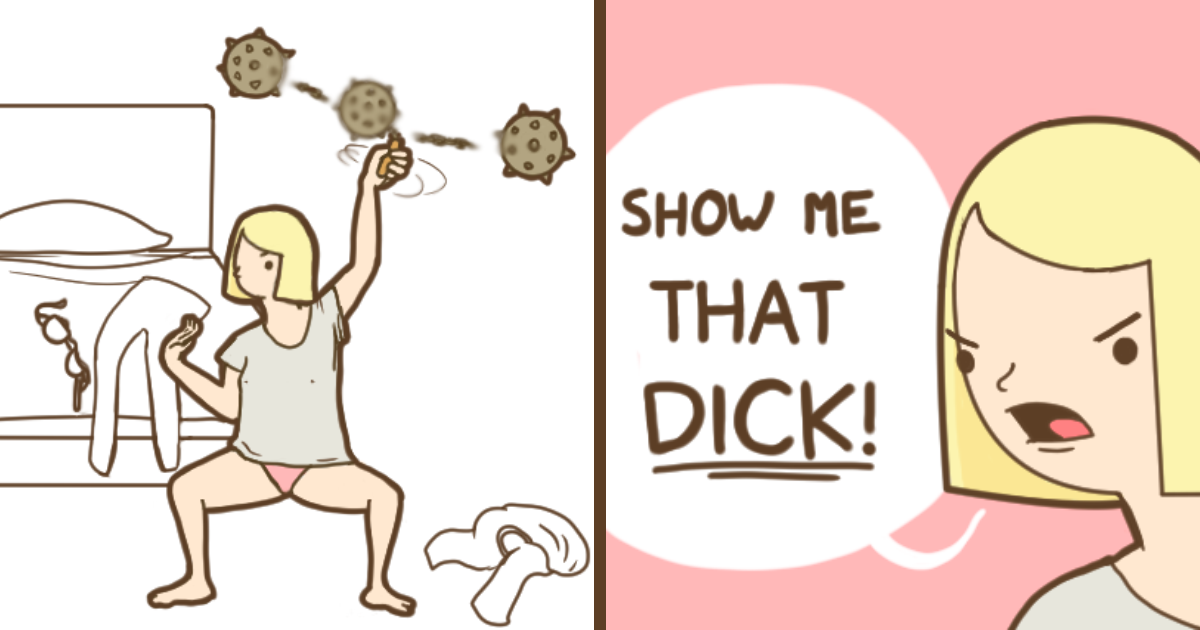
Some comics offer a warm hug. Good Bear Comics offers a warm hug, waits until you relax, and then quietly whispers something horrifying into your ear. Created by James Lecarpentier, this colorful webcomic series specializes in cheerful setups, innocent-looking characters, and final panels that send the entire story tumbling down a staircase.
These 56 Good Bear Comics are made for readers who prefer their comedy twisted, unpredictable, and served with a suspiciously friendly smile. The jokes move through familiar territorypets, holidays, relationships, childhood stories, workplace misery, pop culture, and ordinary human foolishnessbut rarely arrive at the destination promised by the opening panel.
Meet the Human Behind Good Bear Comics
Despite the name, Good Bear Comics is not produced by a highly organized woodland mammal. The series comes from artist James Lecarpentier, who describes himself simply as James, a human who enjoys rainy days and puppies. That gentle self-introduction is wonderfully misleading considering how frequently his comics turn cuteness into chaos.
The webcomic began in 2013 and grew around short, self-contained strips that could be understood within seconds. James has said that he was interested in art and funny comics from an early age, carrying a sketchbook during high school and drawing subjects beyond traditional cartoons. Creating a completed comic can still be frustrating, but the satisfaction of seeing the finished strip makes the process worthwhile.
His idea-gathering method is practical rather than mystical. When a potentially funny concept appears, he adds it to a large list and sometimes tests it on friends or family. The subject he feels like drawing helps determine which idea becomes the next strip. If he wants to illustrate cute animals, for example, he can choose an animal-based joke from the list. It is an efficient system for manufacturing emotional ambushes.
A Flexible Cast and an Unpredictable World
Good Bear Comics is not restricted to one protagonist or continuous storyline. Animals, monsters, children, adults, fantasy figures, holiday icons, and recognizable pop-culture archetypes can all walk onto the page. That freedom allows the artist to build each joke around the best possible character instead of forcing every premise into one established universe.
One strip might investigate the less magical corners of Santa’s workshop. Another might begin with someone shopping for a birthday present for a pet snake. Elsewhere, familiar superheroes, horror villains, cats, dogs, and storybook figures can appear in situations that make their original adventures seem remarkably well-adjusted.
Why These 56 Good Bear Comics Hit So Hard
The central trick is contrast. Good Bear Comics looks bright, friendly, and approachable. Characters have expressive faces, scenes are easy to read, and the colors suggest that nothing worse than a mildly embarrassing misunderstanding could occur. Then the punchline opens a trapdoor.
1. The Art Makes Readers Lower Their Guard
Dark comedy becomes more surprising when it arrives in cheerful packaging. If every panel were soaked in shadows and ominous red light, readers would prepare for disaster immediately. James instead uses clean drawings and inviting colors to establish a harmless visual mood.
Cute animals are especially effective. People automatically assign innocence to soft, round creatures with large eyes. Good Bear Comics exploits that expectation without mercy. A sweet character can remain adorable while saying or doing something catastrophically wrong, creating a clash between appearance and meaning.
2. The Final Panel Rewrites the Setup
Many memorable dark humor comics function like miniature magic tricks. The opening panels direct attention toward one interpretation. The ending reveals that the reader has been watching an entirely different situation.
A conversation that appears romantic may become predatory. An act of kindness may expose a selfish motive. A peaceful nature scene may suddenly acknowledge the food chain. Nothing in the earlier panels necessarily changes; the new information simply forces the audience to reinterpret it. That delayed realization often produces the best reaction: silence, recognition, and then an involuntary laugh that makes the reader question several personal values.
3. Familiar Characters Carry Useful Baggage
Pop-culture parody works quickly because readers already understand the characters and their rules. A wizard, superhero, horror clown, or holiday mascot arrives with a ready-made history. The cartoonist can skip the introduction and move directly to sabotaging expectations.
Good Bear Comics often treats fantasy figures as if they must deal with practical problems. Magical abilities meet ordinary incompetence. Heroic legends collide with literal interpretations. Characters built for epic adventures become trapped in petty arguments, awkward social encounters, or logistical nightmares. Apparently, even fictional icons cannot escape bad planning.
The Main Flavors of Darkness in the Collection
Although the gallery contains 56 separate comics, several recurring types of humor connect them. Recognizing these patterns does not spoil the jokes. It merely helps readers identify which emotional support snack they should keep nearby.
Cute Animals Behaving Terribly
Animals provide an ideal bridge between wholesome comedy and darker material. Cats already possess the public reputation of tiny landlords who contribute nothing financially, while dogs are treated as loyal optimists who would happily follow a tennis ball into another dimension.
James plays with these familiar personalities, but he also uses predators, prey, pets, and wild creatures to turn natural behavior into human-style comedy. A food-chain joke can become funny because the animal acts politely while participating in something objectively grim. Nature remains brutal; it has simply hired a customer-service representative.
Fairy Tales and Childhood Icons Gone Wrong
Childhood stories come with dependable expectations: heroes win, villains lose, wishes are granted, and holiday figures operate enormous international businesses without attracting tax investigators. Good Bear Comics treats those assumptions as raw material.
The dark twist may reveal what happens behind a magical operation, what a familiar character’s power would do in real life, or how a beloved story changes when one sentence is interpreted literally. Nostalgia draws readers close; adult logic supplies the knife.
Ordinary Life With the Safety Rail Removed
Not every strip requires monsters or supernatural disasters. Dating, family life, office culture, social anxiety, dieting, shopping, and neighborly conversation already contain enough discomfort to power a respectable comedy franchise.
These everyday comics work because readers recognize the original frustration. The strip exaggerates it until the situation becomes absurd, cruel, or strangely honest. The result feels less like escaping reality and more like catching reality wearing a fake mustache.
Wordplay With Consequences
A phrase with two meanings can support an entire comic. The first panels encourage the normal interpretation; the image or final line reveals the literal, inappropriate, or dangerous alternative. Because comics combine language and pictures, the visual information can deliver a second meaning that dialogue alone would hide.
The strongest examples are concise. They provide exactly enough information for the reader to solve the joke a fraction of a second before consciously understanding it. That tiny mental click is part of the pleasure.
Why Dark Humor Can Feel So Satisfying
Dark humor turns fear, mortality, embarrassment, and social discomfort into material that can be examined from a safer distance. It does not make unpleasant subjects disappear. It changes the audience’s relationship with them for a moment.
The “Benign Violation” Effect
One influential theory of humor proposes that something becomes funny when it feels wrong or threatening while also feeling safe. The joke contains a violation, but the audience recognizes that the event is fictional, exaggerated, distant, or otherwise benign.
Good Bear Comics creates this balance through its cartoon format. A terrible event inside a brightly illustrated strip does not carry the same emotional weight as a real tragedy. The drawings provide psychological distance, while the sudden violation supplies surprise. If the scenario feels completely harmless, it may be dull. If it feels genuinely threatening, it stops being funny. Dark comedy lives on the narrow bridge between those reactions, occasionally hanging decorative lights from the railing.
Understanding the Joke Is a Small Puzzle
Humor often depends on incongruity: two ideas appear incompatible until the punchline creates an unexpected connection. Dark jokes can demand additional mental work because readers must process both the logical twist and the emotional discomfort.
A study involving 156 adults found that, within its sample, participants who best understood and preferred black-humor cartoons also tended to score higher on verbal and nonverbal intelligence measures while reporting lower aggression and mood disturbance. That finding does not mean every dark-comedy fan is secretly a genius. It does challenge the lazy assumption that appreciating grim jokes automatically indicates cruelty or anger.
Laughter Can Release Pressure
Humor is not medical treatment, and a comic cannot repair every bad day. Still, research on laughter suggests it can activate and then cool the body’s stress response, relax tension, and temporarily lighten a mental load. Humor is also commonly used as an adaptive coping strategy during stressful experiences.
That helps explain why people sometimes seek the darkest jokes during difficult periods. The laugh is not necessarily dismissing pain. It may be a way of saying, “This situation is awful, but it does not get exclusive control of my emotions.”
Dark Humor Still Needs a Target and a Context
Calling something “dark humor” does not automatically make it clever. A successful joke usually aims upward, inward, or toward a shared human absurdity. A weak joke simply targets someone vulnerable and then demands applause for being fearless.
Good Bear Comics generally succeeds when the fictional situation, the character’s flawed logic, or the surprise itself becomes the target. Readers laugh at an absurd reversal, not because real suffering is inherently entertaining. The colorful distance and exaggerated premises help preserve that distinction.
Context also matters. A strip that delights one friend may upset another, especially if it touches a recent loss or personal fear. Humor depends on timing, audience, culture, and emotional distance. Before sharing a particularly brutal comic, consider whether the recipient enjoys twisted humor. “But it was funny to me” is not the universal diplomatic passport some people believe it is.
How to Enjoy the Full Collection
Reading all 56 comics rapidly can turn the experience into a punchline conveyor belt. A slower approach lets each setup work properly. Study the expressions, background details, and wording before moving to the final panel. James often uses visual innocence as misdirection, so apparently unimportant details may be preparing the joke.
It is also worth noticing which strips produce an immediate laugh and which create a delayed response. Instant jokes usually rely on a clear visual reversal. Delayed jokes may require the reader to reconsider a phrase, identify a reference, or follow a grim implication to its logical conclusion.
Comments and group reactions can add another layer. One reader may notice a pun that everyone else missed. Another may propose an even darker interpretation, because the internet regards rock bottom as a basement-renovation opportunity.
Conclusion: A Cheerful Home for Terrible Ideas
Good Bear Comics demonstrates how much storytelling can fit inside a handful of colorful panels. James Lecarpentier builds familiar scenes, gives readers just enough time to feel comfortable, and then changes the meaning with a final line or image. The method is simple to describe but difficult to execute consistently.
Across these 56 brutally hilarious comics, adorable animals, pop-culture figures, holiday traditions, relationships, and routine annoyances become vehicles for dark comedy. The best strips are not merely shocking. They are carefully constructed acts of misdirection in which the punchline feels both unexpected and strangely inevitable.
If your ideal comic ends with sunshine, personal growth, and a valuable lesson, Good Bear may occasionally provide two of those things. If you prefer jokes that make you laugh before checking whether laughing was morally permitted, however, this collection is ready for you.
The Good Bear Comics Experience: From Cozy Setup to Guilty Laugh
Opening a Good Bear Comics collection creates a distinctive reading experience. The first impression is usually comfort. The artwork is bright, the characters look approachable, and the situations seem simple enough to understand without studying a complicated backstory. A reader may expect a cute animal joke or a mild piece of observational comedy. This confidence lasts approximately as long as an unattended sandwich near a Labrador.
The opening panels encourage the mind to complete the story in advance. A friendly conversation should end warmly. A worried pet owner should find a harmless solution. A childhood character should behave according to the rules remembered from movies and bedtime stories. Then the final panel arrives and reveals that the reader’s assumptions were doing most of the setup work.
The immediate experience is often a three-stage reaction. First comes surprise: “Wait, what?” Next comes reconstruction, as the earlier panels suddenly acquire a different meaning. Finally, the laugh appearssometimes accompanied by a wince, a groan, or a quiet admission that the joke was much smarter than expected. The emotional sequence is fast, but it makes a short comic feel unusually complete.
Reading several strips also turns the audience into an increasingly suspicious detective. After five or six savage endings, every cheerful character looks guilty. A puppy holding flowers may be planning a felony. A smiling wizard may have misunderstood an important instruction. A romantic dinner may be one panel away from becoming evidence. The reader starts hunting for the twist, yet the variety of characters and premises prevents the formula from becoming entirely predictable.
The social experience can be equally entertaining. Sharing a Good Bear strip with a dark-humor-loving friend often produces a conversation made almost entirely of reaction emojis, alarmed punctuation, and the phrase “This is so wrong.” That statement is usually followed by immediate forwarding to another person, demonstrating humanity’s highly advanced system for distributing questionable decisions.
Different jokes linger for different reasons. A clever visual pun may be satisfying because it resolves neatly. A grim animal comic may remain memorable because it exposes the uncomfortable logic hidden beneath a cute scene. A parody may encourage the reader to reconsider a famous character’s powers or behavior. Even when the subject is absurd, the strongest punchlines contain a small piece of recognizable truth.
The experience works best when readers permit both reactions: amusement and discomfort. Dark humor does not require pretending that every subject is harmless. Its electricity comes from recognizing that the topic is serious while enjoying the fictional transformation. That tension separates an effective black-comedy strip from random cruelty wearing novelty sunglasses.
After finishing all 56 comics, the lasting impression is not simply that Good Bear Comics is dark. It is that the series understands expectation. James uses color, familiar characters, polite dialogue, and visual sweetness to guide the audience toward a safe conclusion. Then he replaces that conclusion with something stranger, harsher, and funnier. The reader leaves entertained, mildly concerned, and considerably less willing to trust cartoon animals.