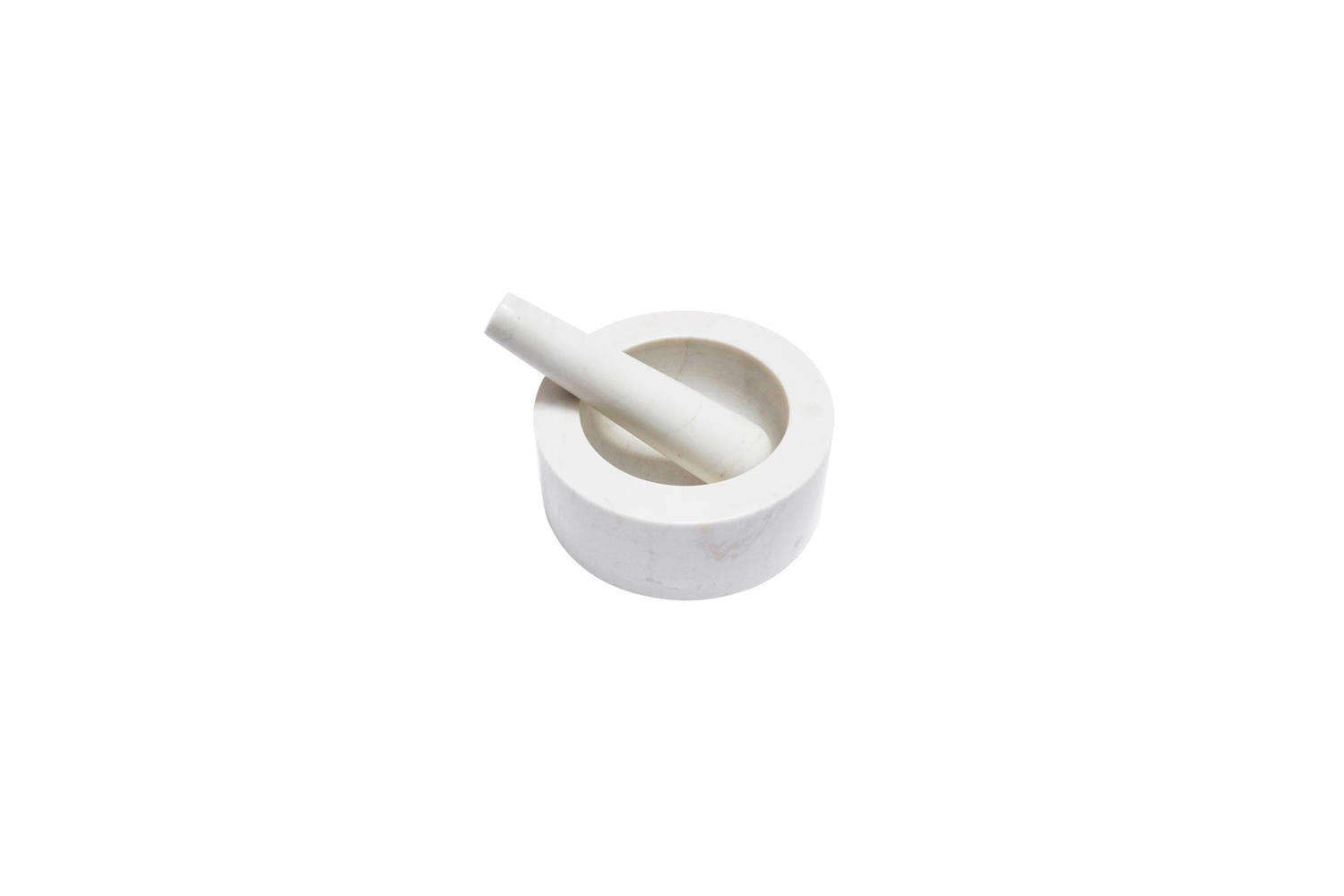
Before kitchens had smart ovens, app-connected coffee makers, and blenders loud enough to scare the neighbor’s cat, there was the mortar and pestle. Simple? Absolutely. Primitive? Maybe. Still one of the most effective tools for unlocking flavor? Without question. A good mortar and pestle does not just crush ingredients; it persuades them to give up their best aromas, oils, textures, and personality. Think of it as a tiny flavor gym where peppercorns, garlic, basil, chilies, and coriander go in ordinary and come out ready for their close-up.
Mortar and pestles have been used across kitchens, pharmacies, laboratories, and traditional food cultures for centuries. In today’s home kitchen, they remain popular because they solve a problem modern appliances sometimes create: speed without sensitivity. A food processor can chop herbs in seconds, but it may also bruise them unevenly. An electric spice grinder is fast, but it can overheat delicate spices and leave yesterday’s cumin haunting tomorrow’s coffee. A mortar and pestle gives you control, friction, and texture. In other words, it lets you cook with your hands, your nose, and your common sense.
What Is a Mortar and Pestle?
A mortar and pestle is a two-piece manual grinding tool. The mortar is the bowl, and the pestle is the club-shaped tool used to pound, crush, grind, mash, and mix ingredients. The design is wonderfully low-tech: put food in the bowl, apply pressure with the pestle, and let friction do the delicious work. That action can turn whole spices into a fragrant powder, garlic into a paste, basil into pesto, avocado into guacamole, or chilies into salsa that tastes like it has been training for a cooking competition.
The magic comes from crushing rather than slicing. When ingredients like garlic, herbs, seeds, and spices are pressed against a rough surface, their cell walls break open and release aromatic compounds. This is why freshly crushed coriander smells brighter than the dusty jar hiding in the back of the cabinet. It is also why pesto made by hand can taste creamier, greener, and more layered than a version blitzed into submission by a machine.
A Short History of a Very Old Tool
The mortar and pestle is one of humanity’s oldest kitchen tools, and its story stretches far beyond modern countertops. Ancient cooks used stone, wood, ceramic, and metal versions to process grains, herbs, spices, seeds, medicinal plants, and pastes. Apothecaries later adopted the tool so thoroughly that the mortar and pestle became a symbol of pharmacy. Long before measuring spoons became cute enough to sell in gift shops, people were already grinding, pounding, and mixing their way toward better food and medicine.
Different food cultures developed different versions. In Mexico, the molcajete and tejolote are commonly made from volcanic stone and are famous for salsas, guacamole, and chile pastes. In Japan, the suribachi has a ridged interior that helps grind sesame seeds and other ingredients efficiently. In Thailand and Laos, large mortars are essential for papaya salad, curry pastes, and pounding aromatics. In Mediterranean kitchens, mortar-made pesto and aioli are classics. Same basic idea, many delicious accents.
Why Mortar and Pestles Still Matter in Modern Kitchens
The main reason to own a mortar and pestle is flavor. Pre-ground spices are convenient, but they lose aroma over time. Whole spices keep their essential oils protected until you crush them. Once ground by hand, black pepper, cumin, fennel, cardamom, and coriander become more expressive. They smell alive, which is a polite way of saying your food stops tasting like it was seasoned by a bored filing cabinet.
Texture is another big reason. A blender often creates a uniform puree, which is useful for some recipes but not all. A mortar and pestle can create rough, rustic, silky, chunky, or paste-like textures depending on pressure and time. That means you can make a salsa with character, a curry paste with body, or a spice blend that has tiny bursts of flavor instead of one flat note.
There is also control. You can feel ingredients change under the pestle. Whole peppercorns crack first, then crumble. Garlic begins as sharp little pieces and slowly becomes sticky paste. Nuts move from pebbly crumbs to creamy richness. This kind of feedback helps you stop at the right moment, which is something a roaring appliance rarely whispers politely.
Common Mortar and Pestle Materials
Granite
Granite is one of the best all-purpose materials for a mortar and pestle. It is heavy, durable, and usually textured enough to grip ingredients. A granite mortar is excellent for whole spices, garlic, ginger, curry pastes, pesto, and guacamole. Its weight also helps keep the bowl stable, so you are not chasing it across the counter like a runaway bowling ball.
Basalt and Volcanic Stone
Basalt, often used in traditional molcajetes, offers a rough, porous surface with strong grinding power. It is especially good for Mexican salsas, roasted tomatoes, chilies, onions, garlic, and avocado. The texture creates friction quickly, but it also means the tool usually needs seasoning before first use and careful cleaning afterward.
Marble
Marble mortar and pestle sets are beautiful and functional, especially for softer herbs, spice blends, and smooth pastes. Marble is hard, cool, and elegant enough to make your countertop look as if it has a trust fund. However, very smooth marble may not grip ingredients as aggressively as rough granite or basalt. For best results, look for a marble mortar with a slightly textured interior.
Ceramic and Porcelain
Ceramic and porcelain sets are often used for small amounts of spices, seeds, and medicines in traditional settings. They are easy to clean and do not usually retain odors as much as porous stone. Their downside is durability: they can chip or crack if you treat them like a medieval drum. They are best for gentle grinding, not heroic pounding.
Wood
Wooden mortar and pestle sets are common in some Southeast Asian kitchens, especially for recipes that need pounding rather than fine grinding. They are lighter and friendlier on the hands, but they can absorb moisture, color, and smell. Wood should be dried thoroughly and may need occasional food-safe oiling. It is charming, useful, and just high-maintenance enough to remind you of a houseplant.
Stainless Steel
Stainless steel mortar and pestle sets are nonporous, easy to wash, and resistant to odors. They can be practical for quick crushing tasks, especially when cleanliness matters. However, they often lack the rough surface needed for efficient grinding, so they may slide ingredients around instead of breaking them down. They are tidy, modern, and sometimes a little too smooth for their own good.
How to Choose the Best Mortar and Pestle
The best mortar and pestle depends on what you cook. If you want one tool for most kitchen jobs, choose a heavy granite or basalt set with a textured interior, a stable base, and a bowl wide enough to move ingredients around. A mortar that is at least five to six inches wide is more versatile than a tiny decorative one. Mini sets are adorable, but they are best for a pinch of spices, not a family-size batch of pesto.
Depth matters too. A shallow bowl may fling peppercorns onto the counter, where they will roll under the refrigerator and start a new life. A deeper bowl keeps ingredients contained while giving you room to pound and rotate. The pestle should feel comfortable in your hand and have enough weight to do some of the work for you. If the pestle is too small or too polished, grinding becomes less cooking and more wrist-based punishment.
Look for texture, stability, and balance. A slightly rough interior grabs ingredients. A heavy base prevents slipping. A pestle with a broad end crushes efficiently. If possible, avoid sets that are glossy inside from top to bottom. They may look pretty, but they often lack the friction that makes mortar and pestles useful.
What Can You Make With a Mortar and Pestle?
Fresh Spice Blends
Whole spices are where mortar and pestles shine. Try crushing black peppercorns, cumin seeds, fennel seeds, coriander seeds, mustard seeds, cloves, or cardamom. Toast the spices briefly in a dry pan first, let them cool, then grind them by hand. The aroma will make your kitchen smell like you suddenly know secrets.
Pesto and Herb Sauces
Classic basil pesto benefits from slow crushing because basil, garlic, pine nuts, cheese, and olive oil become creamy without turning into a watery puree. The same approach works for chimichurri, gremolata, salsa verde, and herb marinades. The goal is not always smoothness. Sometimes the little uneven bits are exactly what make the sauce exciting.
Salsas, Guacamole, and Chile Pastes
A molcajete-style mortar is perfect for roasted tomatoes, charred chilies, onion, garlic, cilantro, and lime. Crushing these ingredients creates a salsa with deep, smoky flavor and rustic texture. For guacamole, mash garlic, salt, and chile first, then add avocado. This builds flavor from the bottom up, which is also a good life philosophy if you ignore the avocado part.
Curry Pastes and Aromatic Bases
Thai-style curry pastes, Indian masalas, and other aromatic bases often rely on pounding fibrous ingredients like lemongrass, galangal, ginger, garlic, shallots, and dried spices. A heavy stone mortar is best here. It breaks ingredients down gradually while blending their oils and juices into a cohesive paste.
Garlic Paste, Aioli, and Dressings
Garlic becomes smoother and more mellow when crushed with a pinch of salt. From there, you can make aioli, salad dressings, marinades, or quick sauces. The salt acts as an abrasive, helping the garlic collapse into a paste. It is a small kitchen trick that feels fancy without requiring a culinary school loan.
How to Use a Mortar and Pestle Correctly
Start with small amounts. Overfilling the mortar makes grinding messy and inefficient. For dry spices, use a firm pressing and twisting motion to crack them, then continue grinding in circles until you reach the texture you want. For wet ingredients, pound first to break them down, then drag the pestle around the bowl to mash and combine.
Use one hand to steady the mortar if needed. Place a damp towel underneath if the base slides. Add ingredients in stages: hard spices first, fibrous aromatics next, soft herbs later, and liquids at the end. This order gives each ingredient the attention it deserves. Garlic does not want to compete with a lake of olive oil on round one.
Do not slam wildly. Controlled pressure works better than chaos. The goal is to crush and shear ingredients against the bowl, not audition for a percussion solo. With practice, you will learn when to pound, when to grind, and when to stop before pesto becomes green wallpaper paste.
Seasoning a New Mortar and Pestle
Many rough stone mortar and pestle sets need seasoning before first use. Seasoning removes loose stone dust and smooths the working surface slightly. The usual method is to rinse the tool with water, let it dry, then grind plain white rice until the powder no longer turns gray. You may need to repeat this several times. Some cooks follow with garlic, salt, or spices to help prepare the surface for cooking.
Always follow the manufacturer’s instructions because materials vary. A polished marble set may only need washing and drying, while a volcanic stone molcajete may require more patient seasoning. Yes, grinding rice repeatedly can feel like a strange workout. Consider it the initiation ceremony. Afterward, your mortar and pestle is ready for actual food instead of geology-flavored guacamole.
Cleaning and Care Tips
For porous stone, warm water and a stiff brush are usually best. Avoid strongly scented soap because porous surfaces can absorb fragrance and pass it into food. Nothing ruins salsa faster than a surprise note of “spring meadow dish detergent.” After rinsing, dry the mortar and pestle completely before storing. Moisture trapped in stone or wood can lead to unpleasant smells or mold.
For ceramic, porcelain, or stainless steel, mild soap may be acceptable, but always check the care instructions. Wooden sets should be rinsed quickly, dried thoroughly, and occasionally treated with food-safe oil if recommended. If odors linger in stone, grind dry rice as a reset. For stubborn stains, use patience rather than harsh chemicals.
Mortar and Pestle vs. Spice Grinder vs. Food Processor
A mortar and pestle is not always faster than a machine. If you need two cups of perfectly uniform nut flour, use a food processor. If you need a large jar of finely ground spices, an electric grinder may be more efficient. But when you want aroma, texture, and control, the mortar and pestle wins. It lets you decide whether spices should be coarse or fine, whether sauce should be chunky or smooth, and whether garlic should be gently mashed or fully transformed.
The best kitchen is not about choosing old tools or new tools forever. It is about using the right tool for the job. A blender is fantastic for smoothies. A food processor is great for large batches. A mortar and pestle is unbeatable for small, flavor-focused tasks where texture matters. Let each tool have its moment. Kitchen peace is possible.
Common Mistakes to Avoid
One common mistake is buying a tiny mortar and expecting it to do big work. A small set is fine for peppercorns or saffron, but frustrating for pesto or curry paste. Another mistake is choosing a glossy decorative bowl with no grip. If ingredients slide around instead of breaking down, the tool is not doing its job.
Skipping seasoning is another problem, especially with rough stone. Nobody wants crunchy mineral dust in their salsa. Using scented soap on porous materials can also create flavor problems. Finally, many beginners pound straight down too aggressively. Better technique combines pressing, twisting, rocking, and scraping. You are not trying to defeat the ingredients. You are trying to convince them.
Buying Advice for Different Cooks
If you cook Mexican food often, consider a basalt molcajete. It is excellent for roasted salsa, guacamole, and chile pastes. If you love Thai cooking, a large granite mortar gives you the weight and depth needed for curry paste and papaya salad. If you mostly grind dry spices, a smaller granite, marble, or ceramic set may be enough. If you want something easy to clean and odor-resistant, stainless steel can be practical, though less powerful for fine grinding.
For most American home kitchens, the safest recommendation is a medium-to-large granite mortar and pestle with a textured bowl. It is versatile, durable, and useful for both wet and dry ingredients. It may be heavy, but that weight is part of the point. Lightweight mortars often move around too much, and cooking should not require wrestling your equipment before dinner.
Experience Notes: What Living With a Mortar and Pestle Teaches You
Using a mortar and pestle regularly changes how you think about ingredients. At first, it may feel slow. You add peppercorns and wonder why civilization bothered inventing electricity if you are standing there crushing spices by hand. Then the pepper cracks open, the smell rises, and suddenly the answer is obvious. Freshly crushed spices have a brightness that pre-ground versions rarely match. They do not just season food; they wake it up, tap it on the shoulder, and say, “Please act like dinner matters.”
The first real lesson is patience. A mortar and pestle rewards cooks who pay attention. Garlic, for example, does not instantly become paste. It breaks, smears, sticks, softens, and finally turns glossy with salt. That process teaches you what transformation looks like. You can see and feel the change. The same thing happens with herbs. Basil releases fragrance gradually. Cilantro becomes juicy. Rosemary fights back a little because rosemary has the personality of a tiny evergreen lawyer.
The second lesson is texture. Machine-made sauces often taste good, but they can become too uniform. Hand-crushed salsa has tiny differences in every bite: a smoky bit of chile here, a sweet piece of tomato there, a sharp spark of onion somewhere else. That unevenness is not a flaw. It is the charm. Food feels more handmade because it is more handmade.
The third lesson is confidence. Once you know how to grind spices, mash garlic, and build a paste, recipes become more flexible. No coriander powder? Crush coriander seeds. Want a quick rub for chicken or vegetables? Pound peppercorns, cumin, garlic, salt, and a little oil. Need a fast dressing? Crush garlic with salt, add mustard, lemon juice, and olive oil. Suddenly the mortar and pestle stops being a specialty tool and becomes a daily problem-solver.
There is also something satisfying about the sound. The dull knock of pestle against stone makes cooking feel grounded. It slows the kitchen down in the best way. Not every meal needs to be a race. Sometimes dinner improves because you spent two extra minutes crushing toasted fennel instead of shaking powder from a jar that expired during a previous presidential administration.
The most useful experience tip is to keep the mortar visible. If it lives in a high cabinet behind the waffle maker, you will forget it exists. Leave it on the counter if you have space. Use it for tiny jobs: crushing flaky salt with herbs, bruising mint for lemonade, making a quick chili-garlic paste, grinding toasted sesame seeds, or turning nuts into a rough topping. The more you use it, the less precious it feels.
A mortar and pestle is not about nostalgia for nostalgia’s sake. It earns its spot because it does something practical. It gives you better aroma, better control, and better texture with almost no moving parts. No charging cable. No motor. No app update. Just a bowl, a pestle, and the quiet satisfaction of making ingredients taste more like themselves.
Conclusion
Mortar and pestles remain essential because they combine simplicity with serious culinary power. Whether you choose granite, basalt, marble, ceramic, wood, or stainless steel, the right set can improve spice blends, sauces, pastes, guacamole, pesto, curry bases, dressings, and everyday seasoning. The key is choosing a material and size that match your cooking style, seasoning rough stone properly, cleaning it with care, and practicing steady technique.
In a kitchen full of gadgets, the mortar and pestle is refreshingly honest. It does not blink, beep, sync, or ask for your Wi-Fi password. It simply helps you crush ingredients into something better. For cooks who care about flavor, that is more than enough.