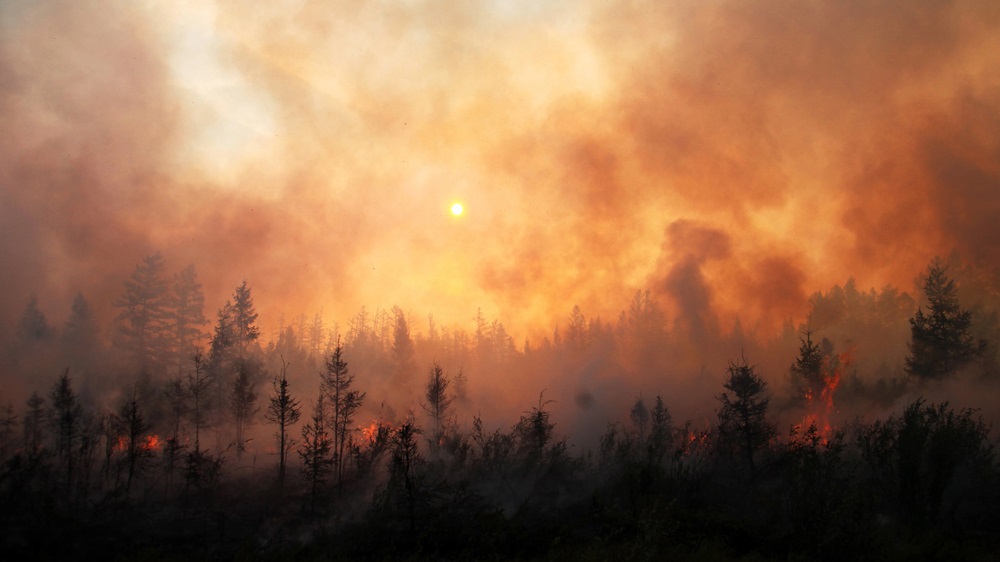
Wildfire used to feel like something that happened “out there”somewhere beyond the neighborhood, past the last grocery store, behind the hills, and preferably far away from the barbecue grill. That comforting idea is getting harder to defend. According to reporting highlighted by IA Magazine and the 2025 Cotality Wildfire Risk Report, more than 2.6 million homes across 14 Western U.S. states face moderate or greater wildfire risk, with a combined reconstruction cost value of about $1.3 trillion.
That number is not just a dramatic headline. It is a housing-market warning, an insurance-market stress test, and a neighborhood-planning reality check all rolled into one smoky package. The report estimates that around 1.2 million of those homes fall into a very high wildfire risk category. In plain English: a lot of properties are not merely near trees and brush; they are in places where wind, fuel, heat, dryness, and development patterns can team up like the worst committee meeting ever.
The big lesson is not that everyone should panic, pack the dog, and move to a houseboat. The lesson is smarter: homeowners, insurers, builders, real estate professionals, and local governments need to treat wildfire risk as a permanent part of property ownership in the West. Fire is no longer a seasonal visitor. In many places, it has become a year-round consideration.
What the Cotality Report Says About Western U.S. Wildfire Risk
Cotality’s 2025 wildfire analysis focuses on residential properties in 14 Western states. California leads by a wide margin, with roughly 1.26 million homes at moderate or greater wildfire risk. Colorado follows with nearly 319,000 homes, then Texas with about 243,000, Oregon with roughly 128,000, and Arizona with nearly 124,000. Other states in the report include New Mexico, Idaho, Montana, Utah, Washington, South Dakota, Nevada, Wyoming, and Oklahoma.
California’s dominance in the numbers is not surprising. It has a large population, expensive housing, steep terrain, dry vegetation, and a long history of destructive wildfires. What may surprise some readers is the presence of Texas, Colorado, and rapidly growing metros outside the classic California wildfire narrative. Austin, Denver, Colorado Springs, Bend, Flagstaff, and San Antonio are all part of a broader Western risk map. Wildfire exposure is no longer just a “cabin in the pine forest” issue.
The Reconstruction Cost Problem
The report’s $1.3 trillion reconstruction cost value deserves special attention. Reconstruction cost value is not the same as market value. It reflects the estimated cost to rebuild damaged or destroyed structures. That distinction matters because a home can be worth one amount on the real estate market and cost a very different amount to rebuild after a disaster, especially when labor, materials, debris removal, permits, and demand surges collide.
After a major wildfire, rebuilding is not as simple as calling a contractor and asking, “Can you have it ready by Tuesday?” Entire communities may need roofers, electricians, framers, inspectors, and utility crews at the same time. That demand can push costs higher and stretch timelines. For homeowners who are underinsured, the gap between policy limits and actual rebuilding costs can be financially brutal.
Why More Homes Are in the Wildfire Danger Zone
A major driver of wildfire exposure is the wildland-urban interface, often shortened to WUI. This is where homes meet or intermingle with undeveloped land, forests, grasslands, shrublands, or other vegetation. The WUI is attractive for obvious reasons: views, privacy, larger lots, access to trails, and the feeling of being close to nature. Unfortunately, nature occasionally arrives with 60-mile-per-hour winds and a shower of embers.
U.S. Forest Service research has shown that the wildland-urban interface has grown significantly over recent decades, driven largely by new housing rather than new vegetation. More homes in these areas mean more potential ignition sources, more people needing evacuation, more structures to defend, and more financial exposure when fires occur.
There is also a fuel problem. Decades of fire suppression have left many landscapes with dense vegetation. Add hotter, drier weather patterns, drought stress, invasive grasses, and wind events, and the result is a landscape that can burn intensely and quickly. Fire does not need a polite invitation. A downed power line, a vehicle spark, a poorly managed burn pile, or even wind-blown embers from another neighborhood can start the chain reaction.
Wildfire Risk Is Not Just About Living Next to a Forest
One of the most important takeaways from the Cotality report is that property-level wildfire hazard and community-level fire behavior are not always the same thing. The report’s look at the Palisades and Eaton fires found that properties with low or moderate wildfire hazard ratings can still face high conflagration risk when nearby structures, wind, road layouts, vegetation, and urban density allow fire to spread from building to building.
This matters because many homeowners assume, “My house is not in the woods, so I’m fine.” That assumption can be dangerously incomplete. In fast-moving fires, embers may travel far ahead of the flame front. They can land in gutters, under decks, in vents, in dry mulch, or against wooden fences. A home may ignite not because a wall of flame marched directly to the front door, but because a small ember found the one messy corner everyone forgot to clean.
Think of wildfire risk like water damage in a kitchen. The leak may start under the sink, but the damage spreads through the cabinets, floor, and walls. Fire behaves differently, of course, but the principle is similar: small vulnerabilities can become big losses when conditions are right.
The Insurance Impact: Why Homeowners Are Feeling the Heat
Wildfire risk is reshaping the homeowners insurance market. In high-risk areas, some property owners have faced higher premiums, stricter underwriting, nonrenewals, or difficulty finding coverage at all. California has been the most visible example, but the pressure is spreading as insurers use more detailed catastrophe models and reassess exposure across the West.
For homeowners, this can be confusing and frustrating. One year, a policy renews without drama. The next year, the premium jumps, the deductible changes, or the insurer asks for proof of mitigation work. In some cases, homeowners may turn to state-backed plans or surplus-market options when traditional coverage becomes unavailable or unaffordable.
The insurance industry’s challenge is also real. Wildfire losses can be severe, concentrated, and expensive. If insurers underestimate risk, they may not collect enough premium to pay future claims. If they overcorrect, homeowners may feel priced out of protection. The goal should be a healthier middle ground: accurate risk pricing, transparent models, meaningful mitigation credits, and practical options for people who already live in fire-prone communities.
What Homeowners Can Do Now
The encouraging news is that wildfire risk is not a fixed destiny. A homeowner cannot control the wind, the weather, or whether a neighbor stores firewood against a fence like it is decorative treasure. But many practical steps can reduce the chance that a home ignites.
Create and Maintain Defensible Space
Defensible space means managing vegetation and combustible materials around the home so fire has less fuel near the structure. This usually includes keeping the first 0 to 5 feet around the home as noncombustible as possible, thinning and spacing vegetation farther out, trimming branches, removing dead plants, and keeping grass and weeds under control.
The 0-to-5-foot zone is especially important. This is where embers often land. If that area contains dry leaves, bark mulch, wooden furniture, stacked lumber, or a welcome mat that has been through three summers and two existential crises, ignition risk rises. Gravel, hardscape, clean concrete, and well-maintained low-combustibility landscaping are safer choices.
Harden the Home Itself
Home hardening focuses on the structure. The roof is a major priority because it catches embers and debris. Class A fire-rated roofing materials, clean gutters, sealed gaps, ember-resistant vents, enclosed eaves, and noncombustible siding materials can all help. Decks, fences, windows, and garage doors also deserve attention.
Cal Fire’s Ready for Wildfire guidance notes that homes can be threatened by direct flames, radiant heat, and flying embers. Embers are particularly sneaky because they can travel long distances and ignite small fuel sources before the main fire arrives. In wildfire country, the humble gutter full of pine needles is not just untidy; it is a tiny rooftop campfire waiting for a bad day.
Prepare an Evacuation Plan Before the Smoke Appears
Wildfire preparedness is not only about the house. Families should know evacuation routes, emergency contacts, pet plans, medication needs, and where important documents are stored. A go bag should include water, basic first aid, flashlights, chargers, prescriptions, masks, copies of documents, and supplies for children or pets.
The best evacuation plan is boring because everyone already knows what to do. The worst plan is invented while ash is falling and the family cat has disappeared under the bed. Practice may not sound glamorous, but it beats improvising during a Red Flag Warning.
What Real Estate Buyers Should Ask Before Purchasing
For buyers in the West, wildfire risk should be part of due diligence. That does not mean avoiding every beautiful hillside or wooded neighborhood. It means asking better questions before closing.
Buyers should look into wildfire hazard maps, insurance availability, local evacuation routes, building materials, roof age, vegetation management, and whether the community participates in Firewise or similar mitigation programs. They should also get insurance quotes early, not three days before closing when everyone is already stressed and the moving truck is booked.
A home with a beautiful view may still be a good purchase, but the buyer should understand the maintenance responsibilities that come with it. In wildfire-prone areas, landscaping is not just curb appeal. It is part of the home’s safety system.
What Communities and Policymakers Need to Consider
Wildfire mitigation cannot fall only on individual homeowners. Community design matters. Road width, evacuation capacity, water access, building codes, vegetation management, utility maintenance, emergency alerts, and land-use planning all shape outcomes.
Modern building codes can reduce disaster losses, and wildfire-resistant construction standards can make new homes more resilient. Retrofitting older homes is equally important because much of the existing housing stock was built before today’s fire-risk realities were fully understood. A neighborhood is only as strong as its collective weak spots. If one property is beautifully mitigated but the lots around it are overloaded with dry fuels, risk remains.
Local governments also need to balance housing demand with hazard planning. The West needs homes, but it also needs homes that can survive where they are built. Building into high-risk landscapes without evacuation planning, fire-resistant materials, and ongoing vegetation management is like buying a smoke alarm and removing the batteries because they clash with the decor.
Why the Cotality Report Matters for Independent Agents
The IA Magazine angle is especially relevant for independent insurance agents. Agents sit at the intersection of data, coverage, and consumer anxiety. When wildfire risk models change or carriers tighten underwriting, clients often turn to agents for answers that are more useful than, “Well, the computer said no.”
Agents can help homeowners understand replacement cost, coverage limits, deductibles, additional living expense coverage, ordinance or law coverage, and documentation needs. They can also encourage clients to keep a home inventory, photograph upgrades, save receipts for mitigation work, and review policy limits regularly.
For agents, wildfire risk is not merely a sales topic. It is a trust topic. A clear explanation before a disaster can prevent painful surprises after one. Clients may not love hearing that they need to clear brush, upgrade vents, or revisit coverage limits, but they will appreciate honest guidance when the alternative is discovering a gap after evacuation.
Experience-Based Lessons From Wildfire-Prone Communities
People who have lived through wildfire seasons often describe a shift in mindset. At first, fire preparation feels like a weekend chore: rake leaves, clean gutters, trim branches, repeat forever. After a few close calls, it becomes more like brushing your teeth. You may not wake up thrilled to do it, but you understand why skipping it is a bad idea.
One common experience in wildfire-prone neighborhoods is that risk becomes communal very quickly. A homeowner may do everything rightinstall fire-resistant vents, maintain defensible space, remove pine needles, store firewood away from the houseyet still worry about the vacant lot down the road or the neighbor’s dry hedge pressed against a wooden fence. Wildfire does not respect property lines. It treats the neighborhood as one connected fuel system.
Another lesson is that evacuation planning must be practical, not theoretical. Many families have a “plan” that exists only as a vague sentence: “We’ll leave if we need to.” Real experience teaches more specific questions. Which route is safest if the main road is closed? Where will the family meet if cell service fails? Who grabs medications? Where are pet carriers? Is the car kept at least half full during peak fire weather? These details sound small until they are suddenly the only details that matter.
Homeowners also learn that insurance paperwork should not live in a mystery drawer. After a fire, people may need policy numbers, photos, receipts, contractor records, and proof of upgrades. A simple digital folder with home photos, room-by-room videos, appliance serial numbers, and receipts can make a claims process less chaotic. It will not make the experience funinsurance claims are not exactly a beach vacationbut it can reduce confusion at the worst possible time.
Communities with active wildfire councils, Firewise groups, or neighborhood preparedness teams often report another benefit: people talk to each other before the emergency. That matters. A neighbor with a chainsaw, a truck, or an extra animal crate can become part of the safety network. Prepared communities are not built only with grants and codes. They are built with conversations, shared workdays, and the occasional awkward reminder that, yes, those dry palm fronds really do need to go.
The final experience-based lesson is emotional. Wildfire risk can make people feel helpless, especially when reports mention millions of homes and trillion-dollar reconstruction values. But preparation turns fear into action. Cleaning the first five feet around a home, improving vents, reviewing insurance, signing up for alerts, and planning evacuation routes are not dramatic acts. They are ordinary acts that can become extraordinary when conditions turn dangerous.
Conclusion
The Cotality report covered by IA Magazine is a clear warning: wildfire risk in the Western United States is large, expensive, and evolving. More than 2.6 million homes face moderate or greater exposure, and the combined reconstruction cost value reaches about $1.3 trillion. California remains the center of the risk map, but the issue stretches across Colorado, Texas, Oregon, Arizona, and many other Western states.
The solution is not panic. It is preparation. Homeowners can harden structures, maintain defensible space, review insurance, document belongings, and plan evacuations. Communities can improve codes, roads, alerts, vegetation management, and land-use decisions. Insurers and agents can use better data to guide coverage and reward meaningful mitigation. Wildfire may be a natural force, but disaster outcomes are shaped by human choices. The sooner those choices are made, the better.