A neti pot may resemble a tiny teapot that took a wrong turn on its way to breakfast, but it can be a useful tool for relieving nasal congestion. When used correctly, it sends a gentle saline solution through one nostril and out the other, helping remove thick mucus, pollen, dust, and other irritants.
The technique is called nasal irrigation, nasal rinsing, or nasal lavage. It may provide temporary relief from allergy symptoms, cold-related stuffiness, dry nasal passages, and certain sinus problems. The process should not hurt, and it should never involve untreated tap water, aggressive pouring, or a mysterious homemade potion containing essential oils.
This guide explains how to use a neti pot safely, prepare a comfortable saline solution, clean the device, solve common flow problems, and recognize when your nose needs a healthcare professional instead of another rinse.
What Is a Neti Pot?
A neti pot is a small nasal irrigation device with a reservoir and narrow spout. It holds a saltwater solution that flows through the nasal cavity using gravity. Unlike a nasal spray, which delivers a light mist, a neti pot uses enough solution to wash through the nasal passages.
The rinse can loosen thick secretions and physically remove some allergens and debris. Saline is important because it is closer to the natural salt concentration of body fluids than plain water. Using plain water can produce an impressive burning sensationand not the satisfying kind associated with hot sauce.
Nasal irrigation is commonly used as supportive care for:
- Seasonal or environmental allergies
- Cold-related nasal congestion
- Dry or irritated nasal passages
- Postnasal drip and thick mucus
- Acute or chronic sinus symptoms
- Nasal care recommended after certain sinus procedures
A neti pot does not cure allergies, eliminate every sinus infection, or replace prescribed treatment. It is primarily a symptom-management tool. People with recurring or severe symptoms should ask a healthcare professional whether irrigation belongs in their treatment plan.
The Most Important Neti Pot Safety Rule
Never use untreated tap water
Only use water that is distilled, sterile, properly filtered, or previously boiled and cooled. Ordinary tap water may be safe to drink but is not automatically safe to introduce into the nose. Drinking water passes through the stomach, where acid destroys many organisms. Water placed in the nasal passages follows a very different route.
According to the U.S. Food and Drug Administration, improper nasal rinsing with contaminated water can cause serious infections. These cases are rare, but the correct precaution is remarkably simple: use safe water every time.
Acceptable choices include:
- Distilled water: The container must specifically say “distilled.”
- Sterile water: Look for water labeled “sterile.”
- Boiled tap water: The Centers for Disease Control and Prevention advises bringing it to a rolling boil for one minute, or three minutes at elevations above 6,500 feet, and then cooling it.
- Properly filtered water: Use a filter designed to remove infectious organisms. Relevant labels may include “absolute pore size of 1 micron or smaller,” “cyst removal,” “cyst reduction,” NSF 53, or NSF 58.
Standard bottled drinking water, spring water, and water from a refrigerator dispenser are not necessarily sterile or distilled. Read the label rather than judging the bottle by how majestic its mountain illustration looks.
What You Need Before Starting
- A clean neti pot
- Distilled, sterile, properly filtered, or boiled and cooled water
- A commercial nasal saline packet or correctly measured saline ingredients
- A clean measuring cup and spoon if making your own mixture
- A sink and a few tissues
- Soap for washing your hands and cleaning the device
Commercial saline packets are convenient because the ingredients are already measured. Use the volume of water specified by the product manufacturer. Adding a packet intended for eight ounces of water to only four ounces creates a concentrated solution that may sting.
How to Make Neti Pot Saline Solution
The easiest option: a premixed packet
Wash your hands. Fill the clean neti pot with the amount of safe, lukewarm water listed in its instructions. Add the saline packet and stir or swirl until the powder dissolves completely.
The water should feel comfortably lukewarmnot cold enough to make your forehead complain and not hot enough to injure delicate nasal tissue. Test it as you would test water for washing your face.
A homemade saline recipe
If commercial packets are unavailable, the American Academy of Allergy, Asthma & Immunology provides a simple recipe:
- Mix three teaspoons of noniodized pickling or canning salt with one teaspoon of baking soda.
- Store this dry mixture in a clean, airtight container.
- Add one teaspoon of the mixture to eight ounces of lukewarm distilled, sterile, or previously boiled water.
- Stir until completely dissolved.
Choose salt without iodine, preservatives, flavoring, or anti-caking ingredients, which may irritate the nasal lining. Never substitute sea water, contact-lens disinfecting solution, or plain table salt sprinkled in by instinct. Your nose deserves actual measurements.
How to Use a Neti Pot Step by Step
Step 1: Wash your hands and prepare the rinse
Clean hands reduce the chance of contaminating the pot, water, or spout. Prepare fresh saline solution using safe water. Check that all salt has dissolved before beginning.
Step 2: Lean over the sink
Bend forward at the waist and position your face over the basin. Tilt your head down and to one side. Keep your forehead and chin relatively level, with your chin slightly tucked. Avoid leaning backward because that encourages the solution to travel toward your throat.
Step 3: Keep your mouth open
Breathe calmly through your open mouth throughout the rinse. Do not try to inhale the solution. Nasal irrigation is a gentle wash, not an audition for underwater synchronized swimming.
Step 4: Place the spout in the upper nostril
Insert the tip only far enough to form a comfortable seal at the entrance of the upper nostril. Do not push it deeply into the nose. The spout should feel secure without causing pain.
Step 5: Pour slowly
Tilt the pot so the saline flows into the upper nostril. With the correct head position, it should pass through the nasal cavity and drain from the lower nostril. Let gravity perform the work; force is neither necessary nor helpful.
If water enters your mouth, lean farther forward and adjust the angle of your head slightly. A small amount reaching the throat is usually not alarming. Spit it out, reposition yourself, and continue more slowly.
Step 6: Drain and blow gently
When approximately half the solution has been used, remove the pot and allow the remaining liquid to drain. Exhale gently through both nostrils or blow your nose without sealing it completely. Forceful blowing may create uncomfortable pressure in the ears.
Step 7: Repeat on the other side
Turn your head in the opposite direction and use the remaining solution to rinse the second nostril. Maintaining a balanced rinse can help prevent one side from feeling considerably wetter than the other.
Step 8: Remove leftover water
Remain over the sink for a moment. Bend forward, turn your head gently from side to side, and exhale softly through your nose. Some solution may drain later, so postponing your white-shirt debut or important video meeting for a few minutes is sensible.
These steps align with instructions described by the Mayo Clinic, though users should also follow the instructions supplied with their particular device.
How Often Can You Use a Neti Pot?
Many adults use nasal irrigation once daily while allergy or sinus symptoms are active. Some healthcare professionals recommend a different schedule for chronic sinusitis, postoperative care, or severe allergies. Once symptoms improve, less frequent use may be sufficient.
More is not automatically better. Excessive irrigation can cause dryness, burning, minor bleeding, or additional irritation in some people. Stop or reduce the frequency if the nose begins to feel persistently raw.
If you use a medicated nasal spray, clinicians often advise rinsing first so mucus does not block the medication. However, the timing can depend on the specific medicine. Follow the prescribing professional’s instructions, and never add medicine to a neti pot unless a qualified clinician has directed you to do so.
How to Clean and Store a Neti Pot
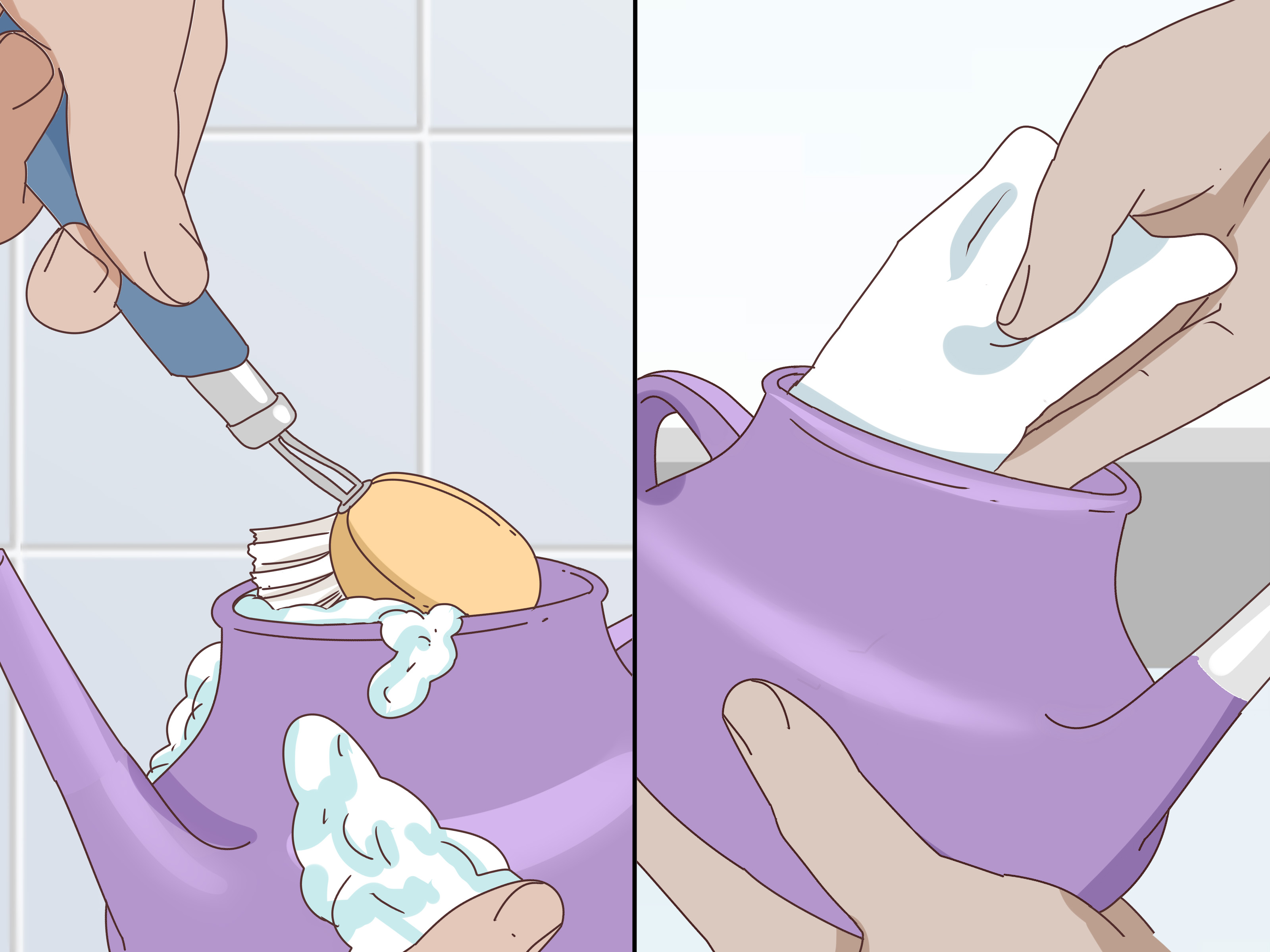
A clean rinse used in a dirty pot is a poorly disguised bad plan. Wash the device after every use according to the manufacturer’s directions.
- Empty all remaining saline solution.
- Wash every washable component using dish soap and safe water.
- Rinse thoroughly so no soap remains.
- Shake off excess water.
- Leave the pieces open and separated to air-dry completely.
- Store the dry device in a clean location.
If the manufacturer says the pot is dishwasher-safe, use the recommended dishwasher setting. Do not share a neti pot with another person. Inspect it for cracks, mineral deposits, discoloration, or areas that cannot be cleaned. Replace the device at the interval recommended by its manufacturer or sooner if it becomes damaged.
Discard leftover prepared saline rather than leaving it in the pot for tomorrow. Fresh solution reduces opportunities for contamination.
Common Problems and Easy Fixes
The solution burns or stings
The most common causes are an incorrect salt concentration, plain water, salt that has not dissolved, irritating additives, or water that is too hot or cold. Start again with a premeasured packet and the correct volume of lukewarm safe water.
Nothing comes out of the other nostril
Adjust your head downward and slightly farther to the side. Make sure the spout forms a gentle seal and that its opening is not clogged. Never squeeze, pour aggressively, or keep increasing pressure against a completely blocked passage.
The rinse runs into the throat
Keep your mouth open, tuck your chin, and lean farther over the sink. Spit out the solution rather than swallowing it. Minor throat drainage can happen, especially during the first few attempts.
Your ears feel full
Use less pressure and blow your nose more gently. Stop rinsing if ear pressure or pain persists. People with an ear infection, blocked ears, or a history of ear problems should consult a healthcare professional before continuing.
Water drips out later
A little delayed drainage is common. After rinsing, remain bent forward briefly, rotate your head gently, and exhale through the nose. Avoid forceful head movements or vigorous nose blowing.
Who Should Ask a Doctor Before Using One?
Consult a healthcare professional before nasal irrigation if you:
- Have a weakened immune system
- Recently underwent nasal or sinus surgery
- Have frequent nosebleeds
- Have an ear infection or ongoing ear pressure
- Have a fully blocked nostril or a significant structural obstruction
- Plan to use a neti pot for a young child
- Have trouble coordinating breathing and pouring safely
Children should use nasal irrigation only when a pediatric healthcare professional recommends it and an adult can provide appropriate supervision.
When to Stop and Seek Medical Advice
Stop using the neti pot and contact a healthcare professional if rinsing causes persistent pain, repeated nosebleeds, significant ear discomfort, worsening congestion, or symptoms that do not improve. Seek medical care for high fever, severe headache, swelling around the eyes, changes in vision, confusion, a stiff neck, or rapidly worsening illness.
Sinus symptoms lasting more than about ten days without improvement, symptoms that improve and then become worse, or repeated episodes may require evaluation. Nasal irrigation can clear mucus, but it cannot diagnose a bacterial infection, nasal polyp, deviated septum, or another underlying problem.
Neti Pot Experiences: What First-Time Users Commonly Notice
The first attempt is often more awkward than uncomfortable. Many beginners lean too far backward, hold their breath, or expect the water to move instantly. The result may be saline in the mouth, no flow at all, or a suspicious stare at the neti pot as though it has broken a promise. Usually, a small posture adjustment solves the problem.
A practical first-time setup helps. Place the saline packet, tissues, and clean pot beside the sink before preparing the water. Wear an old shirt or drape a towel around your shoulders. Once the rinse begins, keep your eyes on the basin rather than the mirror. Watching the stream is less useful than maintaining a comfortable forward angle.
Temperature makes a surprisingly large difference. Cold solution can feel sharp and create pressure, while overly warm water is unpleasant and potentially harmful. People generally find that water close to body temperature feels least noticeable. A properly balanced saline mixture may produce a faint salty sensation but should not feel as though the nose has swallowed part of the ocean.
Flow often varies between sides. During allergy season, for example, the nostril facing upward may rinse smoothly while the second side drains slowly because swollen tissue has narrowed the passage. That does not mean more force is required. Pausing, gently blowing the nose, and changing the head angle is safer than attempting to power-wash a stubborn nostril.
Many users report that the most immediate benefit is not dramatic sinus “cleansing” but easier breathing and thinner mucus. After exposure to pollen, dust, smoke, or dry indoor air, a rinse may leave the nasal passages feeling less coated and irritated. Relief may be temporary, particularly when the underlying trigger remains present, but that temporary improvement can still make sleep, exercise, or daily activities more comfortable.
Delayed dripping is another memorable lesson. A small pocket of solution can remain behind and appear several minutes later when the user bends over to tie a shoe. Experienced users allow extra drainage time, tilt the head gently in several directions, and avoid rinsing seconds before leaving home. The nose occasionally enjoys comic timing.
Consistency also matters more than enthusiasm. Someone managing seasonal allergies may benefit from a regular rinse during high-pollen days, whereas using the pot repeatedly within a short period may create dryness. A simple symptom log can help identify a useful schedule. Note when irrigation was performed, what triggered the congestion, and whether breathing improved afterward.
Finally, experienced users tend to become meticulous about water and cleaning. They keep distilled water available, store saline packets beside the device, wash the pot immediately, and let it dry completely. These habits turn nasal irrigation from a messy experiment into a quick routine. The technique becomes easier, but the safety standards should never become casual.
Conclusion
Learning how to use a neti pot is mainly a matter of safe water, balanced saline, correct head position, and gentle flow. Use distilled, sterile, properly filtered, or adequately boiled and cooled water; never rinse with untreated tap water. Keep your mouth open, lean forward, let gravity move the solution, and clean the device thoroughly afterward.
When performed correctly, nasal irrigation may help wash away allergens, loosen mucus, and temporarily relieve congestion. If it hurts, repeatedly causes bleeding, produces ear pressure, or fails to help persistent symptoms, stop and consult a healthcare professional. Your nose may be small, but it is perfectly capable of filing a formal complaint.