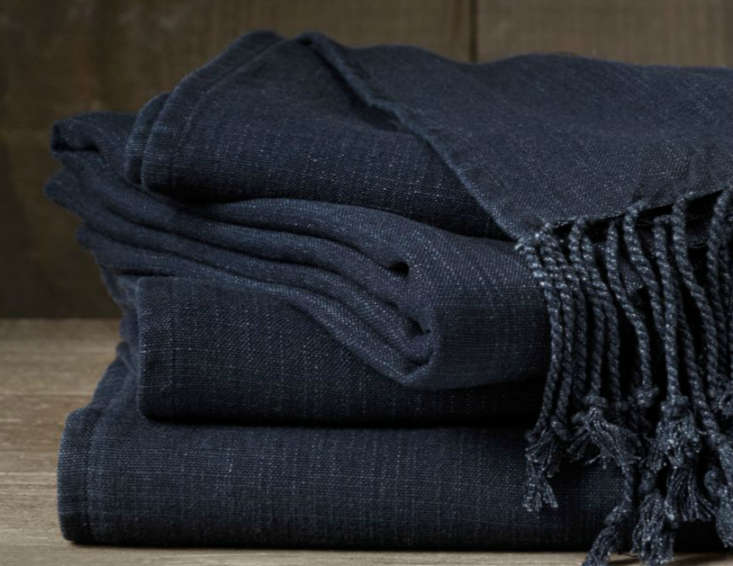
A washed linen indigo throw is one of those home pieces that looks relaxed without looking lazy. It has the easy confidence of a beach house, the rich color of well-loved denim, and the practical usefulness of a blanket that actually wants to be usednot just photographed, folded, and guarded like a museum artifact. Whether draped over a sofa, layered at the foot of a bed, or wrapped around your shoulders during a suspiciously chilly “summer evening,” this throw brings texture, color, and comfort into a room with very little effort.
The beauty of a washed linen throw is that it does not try too hard. Linen naturally has a lived-in texture, and the washing process softens the fibers so the fabric feels more relaxed from day one. Add indigoa deep, classic blue that sits somewhere between navy, denim, and stormy twilightand you get a throw that feels timeless, casual, and quietly sophisticated. It is the home decor version of a person who owns good coffee, reads real books, and somehow never panics when guests arrive early.
What Is a Washed Linen Indigo Throw?
A washed linen indigo throw is a decorative and functional blanket made fully or partly from linen that has been pre-washed to soften the fabric. The term “washed” usually refers to a finishing process that relaxes the fibers, reduces stiffness, and gives the textile a gently rumpled look. Instead of feeling crisp and formal, washed linen feels casual, breathable, and touchable.
The “indigo” part refers to the color. Indigo is a deep blue shade often associated with denim, traditional dyeing, coastal interiors, and relaxed modern spaces. It is darker and moodier than sky blue, softer than black, and more versatile than many bright colors. An indigo linen throw can look coastal, rustic, minimalist, farmhouse, bohemian, or modern depending on what you pair it with.
Most throws are smaller than bed blankets. A common throw size is around 50 by 60 inches, though dimensions vary by brand and design. That makes a linen throw ideal for one-person lounging, styling over furniture, or adding a light layer to a bed. It is not meant to replace a heavy winter comforter, but it is perfect for adding breathable comfort and visual depth.
Why Linen Works So Well for Throws
Linen comes from flax fibers, and it has been used in household textiles for centuries because it is strong, breathable, absorbent, and naturally textured. For a throw blanket, those qualities matter. A linen throw does not trap heat the way some synthetic fleece blankets can, which makes it comfortable across multiple seasons. It can feel cool in warmer weather and cozy when layered with other bedding in colder months.
One of linen’s best features is that it gets softer with use and washing. This is why a washed linen throw often feels better after a few weeks of real life. It relaxes. It drapes more beautifully. It becomes the throw everyone reaches for, including the person who previously claimed they “don’t need blankets.” That person is now wrapped in indigo linen and pretending nothing happened.
Linen also has a naturally imperfect surface. Tiny slubs, soft wrinkles, and subtle variations in texture are part of its charm. If you love a perfectly smooth, hotel-crisp look, linen may feel a little too casual. But if you like a home that feels warm, layered, and human, washed linen is a dream. The wrinkles are not a flaw. They are the personality.
The Power of Indigo in Home Decor
Indigo is one of the easiest deep colors to use in interiors because it behaves almost like a neutral. It pairs beautifully with white, cream, oatmeal, gray, tan, camel, walnut, oak, brass, black, terracotta, and soft green. In other words, indigo is not needy. It gets along with almost everyone at the decor dinner party.
In a bright room, an indigo throw adds contrast and prevents the space from feeling washed out. On a white sofa, it creates a crisp coastal look. On a tan leather chair, it adds richness and a slightly rugged denim-inspired mood. At the foot of a neutral bed, it creates a polished focal point without screaming for attention.
Indigo also has emotional appeal. Deep blue shades are often associated with calm, rest, and stability. That makes an indigo linen throw especially well suited for bedrooms, reading corners, living rooms, and guest spaces. It can make a room feel grounded without making it feel dark or heavy.
How to Style a Washed Linen Indigo Throw
On a Sofa
The easiest way to style a washed linen indigo throw is to drape it over the back or arm of a sofa. For a casual look, let it fall naturally with soft folds. For a neater look, fold it lengthwise into thirds and place it over one arm. On a light-colored sofa, indigo creates instant contrast. On a dark sofa, it adds tonal depth and texture.
At the Foot of a Bed
Layering a throw across the foot of the bed is one of the simplest ways to make a bedroom look finished. Try an indigo linen throw over white sheets, a beige duvet, or a gray coverlet. The contrast gives the bed structure, while the linen texture keeps it from looking too stiff. This is especially helpful if your bed-making style is less “luxury hotel” and more “I tried, please clap.”
Over an Accent Chair
A reading chair practically begs for a throw. Place a washed linen indigo throw over the chair back or fold it across the seat. Add a small pillow in cream, rust, olive, or striped cotton for a layered look. The result feels welcoming without needing a full room makeover.
In a Basket
If you prefer a clean sofa, roll or fold the throw and place it in a woven basket near the seating area. This works especially well in family rooms, guest rooms, and open-plan living spaces. It keeps the throw accessible while adding texture to the room.
Best Decor Styles for an Indigo Linen Throw
A washed linen indigo throw is wonderfully adaptable. In coastal decor, it pairs with white slipcovers, jute rugs, weathered wood, and woven shades. In farmhouse spaces, it softens rustic benches, spindle chairs, and neutral bedding. In modern interiors, it adds an organic layer that keeps clean lines from feeling cold.
For bohemian rooms, combine indigo linen with block prints, rattan, plants, and handmade ceramics. For transitional decor, pair it with tailored upholstery, warm woods, and brass lighting. For minimalist spaces, use it as the main color accent in an otherwise quiet room. The throw becomes both useful and decorative, which is exactly what hardworking home accessories should do.
What to Look for Before Buying
Fabric Content
Some indigo linen throws are made from 100% linen, while others use a cotton-linen blend. Pure linen usually has a more textured, breathable feel and softens beautifully over time. Cotton-linen blends may feel smoother or slightly more familiar to people who are new to linen. Neither is automatically better; the right choice depends on whether you prefer crisp texture, softness, weight, or easy maintenance.
Weight and Weave
A lightweight linen throw is ideal for summer evenings, decorative layering, and warm climates. A heavier woven linen throw offers more structure and warmth. Look at product descriptions for terms like “lightweight,” “medium weight,” “chunky,” “open weave,” or “tightly woven.” These clues tell you how the throw will feel in real life.
Finish and Details
Fringe, tassels, stitched edges, waffle texture, and herringbone weaves can all change the look of a throw. Tassels feel relaxed and bohemian. Clean hems look modern. A textured weave adds depth, especially in a solid color like indigo. Choose details that match your room’s personality rather than buying the fanciest option and hoping your sofa adjusts its attitude.
Colorfastness
Because indigo is a deep color, it is smart to check care instructions and customer notes about color transfer or fading. Dark blue textiles should generally be washed with like colors, especially during the first few washes. Avoid placing a damp indigo throw directly on white upholstery unless you know the dye is stable.
How to Care for a Washed Linen Indigo Throw
Always follow the care label first, because different weaves and blends require different treatment. In general, many linen and cotton-linen throws do best with cool or cold water, a gentle cycle, and mild detergent. Wash with similar colors, especially because indigo is a saturated shade. Avoid chlorine bleach, which can weaken fibers and damage color.
For drying, low heat or air drying is usually safer than high heat. Linen can shrink or become overly stressed when exposed to harsh drying conditions. If you tumble dry, remove the throw while slightly damp and let it finish drying flat or over a rack. This helps preserve softness and reduces aggressive wrinkles.
Fabric softener is usually unnecessary. Linen softens naturally over time, and heavy softeners can leave residue that affects breathability. If wrinkles bother you, use a warm iron or steamer while the fabric is slightly damp. That said, a washed linen throw is not supposed to look like a pressed business shirt. Let it be a little rumpled. It has earned the right.
Is a Washed Linen Throw Good for Pets and Kids?
A linen throw can work well in a family home, but expectations matter. Linen is strong, breathable, and washable when the label allows it, but it is not magic armor. Sharp pet claws, sticky snacks, and mystery stains from “I don’t know, it was already like that” can still happen.
If you have pets or children, choose a throw with clear machine-washable care instructions. A medium or darker indigo shade can be forgiving with everyday use, though lint and light pet hair may show. Keep a lint roller nearby, wash gently when needed, and avoid leaving the throw in damp piles. Damp piles are where good textiles go to question your life choices.
Where to Use It Throughout the Year
In spring, a washed linen indigo throw adds a fresh blue accent to lighter bedding and slipcovered furniture. In summer, it is breathable enough for cool evenings, air-conditioned rooms, and covered porches. In fall, it pairs beautifully with leather, wood, amber glass, and warm neutrals. In winter, layer it over heavier blankets for texture and color.
This year-round usefulness is one of the biggest reasons linen throws are worth considering. Instead of buying seasonal decor that spends nine months in a storage bin, you get a textile that can move from room to room as your needs change.
Washed Linen Indigo Throw vs. Cotton, Wool, and Fleece
Compared with cotton, linen often feels more textured and breathable. Cotton may feel softer at first touch, especially in plush or brushed weaves, while linen develops character over time. Compared with wool, linen is lighter and less insulating, making it better for mild temperatures and layering. Wool is warmer, but some people find it itchy or too heavy.
Compared with fleece, linen feels more natural, breathable, and decorative. Fleece is cozy and affordable, but it can trap heat and may not have the same elevated look. A washed linen indigo throw is best for people who want comfort, texture, and style in one piece. It is less about maximum warmth and more about relaxed, beautiful versatility.
Common Mistakes to Avoid
The first mistake is expecting linen to look perfectly smooth. Linen wrinkles. That is not a customer service issue; it is biology. The second mistake is using high heat in the dryer, which can stress fibers and encourage shrinkage. The third mistake is washing indigo textiles with whites. Unless you enjoy surprise blue socks, keep dark colors together.
Another mistake is buying a throw that is too small for your intended use. If you want a decorative accent, a standard throw size is fine. If you want to share it during movie night, consider a larger size or buy two. Sharing one small throw can test relationships faster than assembling flat-pack furniture.
Experience: Living With a Washed Linen Indigo Throw
The first thing you notice about a washed linen indigo throw is that it changes the mood of a room immediately. I once placed one over the arm of a plain beige sofa, and suddenly the sofa looked intentional instead of apologetic. The indigo color gave the room a focal point, while the linen texture made everything feel less staged. It was the kind of small change that makes you look around and wonder why you ever thought six beige objects in one room counted as a design plan.
In daily use, the throw becomes less of a decoration and more of a habit. It is light enough to grab while reading, working on a laptop, or watching a show, but it still feels substantial enough to be comforting. The washed finish helps because it does not have that stiff, “new fabric refusing to cooperate” feeling. It folds, drapes, slouches, and settles in a way that feels natural.
The indigo color is also surprisingly practical. It adds depth without demanding that the rest of the room become blue. In a room with white walls and natural wood, it looks crisp and coastal. In a room with darker furniture, it feels moody and layered. With tan leather, it gives off a classic denim-and-boots energy. With cream bedding, it looks calm and polished. Basically, it is the friend who can attend a picnic, a dinner party, and a gallery opening without changing outfits.
One of the best experiences is using it in the bedroom during transitional weather. There are nights when a comforter is too much, a sheet is not enough, and your body thermostat seems to be managed by a committee of raccoons. A linen throw is perfect for that in-between zone. Folded at the foot of the bed, it is easy to pull up when needed and just as easy to kick away without creating a bedding avalanche.
Guests notice it too. A washed linen indigo throw has that “where did you get this?” quality because it looks useful and stylish at the same time. It makes a guest room feel prepared, not overdecorated. Place it with white sheets, a small stack of books, and a carafe of water, and suddenly the room feels boutique-hotel thoughtful. The throw does not shout; it quietly suggests that someone here knows what they are doing.
Care becomes part of the experience as well. Linen is not fussy, but it does reward gentle treatment. Washing it with similar colors, skipping harsh bleach, and avoiding high heat helps preserve the color and texture. After washing, the throw may look a little more relaxed, which is exactly the point. Over time, it becomes softer and more personal, like a favorite shirt or a pair of jeans broken in perfectly.
The only real warning is that one washed linen indigo throw may lead to more linen. First it is the throw. Then maybe linen pillow covers. Then linen napkins. Then suddenly you are explaining to someone why wrinkles are “an aesthetic.” This is how linen gets you. Quietly. Beautifully. With excellent drape.
Final Thoughts
A washed linen indigo throw is a small home upgrade with a big visual payoff. It brings together breathable comfort, relaxed texture, timeless color, and everyday usefulness. It can soften modern furniture, add contrast to neutral rooms, bring coastal charm to a bedroom, or make a reading chair look like it has been patiently waiting for your novel and tea.
The best version for your home depends on how you plan to use it. Choose lightweight linen for warm climates and decorative layering, a heavier weave for extra coziness, or a cotton-linen blend if you want a slightly softer feel from the start. Look for clear care instructions, quality edges, and a shade of indigo that works with your existing palette.
Above all, use it. A linen throw is not meant to live untouched on a chair like a decorative scarf at a furniture showroom. Wrap up in it. Toss it over the sofa. Fold it at the end of the bed. Let it wrinkle a little. That relaxed beauty is exactly what makes a washed linen indigo throw worth bringing home.
Note: This article is written from synthesized research on linen textiles, home decor styling, throw blanket care, and current bedding industry best practices, rewritten into original American English for web publication.