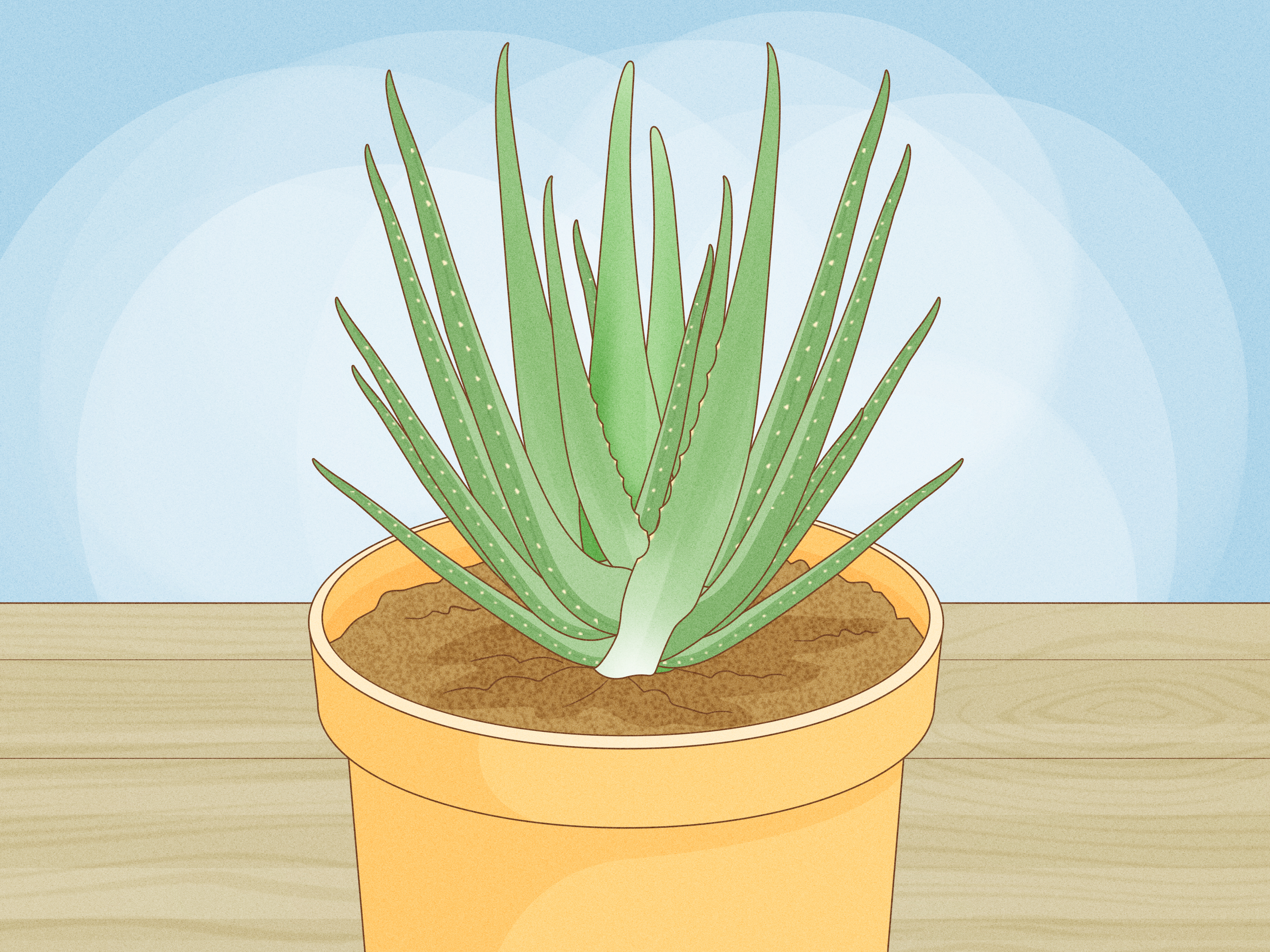
If your aloe vera plant smells like old gym socks, swamp soup, or something that should be reported to the authorities, you are not being dramatic. A healthy aloe plant is usually mild-smelling. It may have a faint “green,” bitter, or slightly oniony scent when cut, but it should not stink up a room. When an aloe plant smells bad, something is usually happening below the surfaceoften too much water, poor drainage, rotting roots, decomposing leaves, or sour potting mix.
The good news? A smelly aloe vera plant is not always doomed. Aloe is a tough succulent, basically the houseplant version of that friend who says “I’m fine” while carrying six grocery bags and a backpack. But even aloe has limits. Give it soggy soil, a pot without drainage, cold temperatures, and low light, and it may respond with mushy leaves and a smell that says, “Please send help.”
This FAQ-style guide explains why your aloe plant stinks, how to diagnose the problem, how to save it, and how to prevent the smell from coming back. We will also cover the difference between normal aloe odor and a true plant emergency, because not every weird smell is a botanical crime scene.
Is It Normal for Aloe Vera to Smell?
Aloe vera can have a natural scent, especially when a leaf is cut or damaged. Inside the leaf are two main substances: the clear inner gel and the yellowish latex found closer to the rind. The clear gel is what most people think of when they picture aloe. The yellow latex, sometimes called aloin, is bitter and can smell stronger. So, if your aloe smells odd only after you cut a leaf, that may be normal.
However, your potted aloe plant should not smell rotten, sour, fishy, moldy, or like a forgotten lunchbox. A strong bad odor usually means the plant, soil, or roots are decaying. In plain English: your aloe may be sitting in conditions it hates.
Why Does My Aloe Plant Stink?
The most common reason a smelly aloe vera plant stinks is root rot caused by overwatering or poor drainage. Aloe vera is a succulent, meaning it stores water in its thick leaves. It does not want constantly wet soil. When the roots stay wet for too long, they cannot breathe properly. Eventually, they soften, darken, decay, and create a foul odor.
Think of aloe roots like tiny desert campers. They brought sunscreen, not scuba gear.
1. Root Rot Is the Main Suspect
Root rot often smells sour, musty, or swampy. The soil may feel wet even days after watering. The lower leaves may turn yellow, brown, translucent, or mushy. The plant may wobble in the pot because the roots are no longer strong enough to anchor it.
To check for root rot, gently slide the aloe out of its pot. Healthy aloe roots are usually firm and pale to tan. Rotten roots are soft, slimy, dark brown or black, and may fall apart when touched. If your plant smells worse once it is out of the pot, congratulationsyou have found the villain. It is not glamorous, but it is useful information.
2. The Pot Has No Drainage
A decorative pot without drainage holes may look charming, but for aloe vera it can be a tiny bathtub of doom. Water must be able to leave the pot. If it collects at the bottom, the lower roots sit in stagnant moisture. Over time, the potting mix becomes sour and the roots begin to rot.
If your aloe is planted directly in a sealed ceramic container, glass jar, metal tin, or cute mug, move it to a pot with drainage holes. Save the mug for tea. Your aloe wants freedom, airflow, and a way out for extra water.
3. The Soil Holds Too Much Moisture
Regular all-purpose potting soil can stay too damp for aloe plants, especially indoors. Aloe vera prefers a fast-draining cactus or succulent mix. Good soil should drain quickly, dry evenly, and feel airy rather than dense. Heavy, peat-rich soil can compact around the roots and trap moisture like a sponge with commitment issues.
If the soil smells sour, moldy, or like a wet basement, repotting is usually the best solution. Use fresh cactus mix, or improve drainage with ingredients such as perlite, pumice, or coarse sand. The goal is not bone-dry dust forever; it is soil that gets wet during watering and then dries out before the next drink.
4. Dead Leaves Are Rotting at the Base
Sometimes the smell is not coming from the roots but from old leaves tucked around the crown of the plant. Aloe leaves naturally age and die, especially lower leaves. If they remain trapped against damp soil, they can decay and smell bad.
Look closely at the base of the plant. Remove dried, mushy, or collapsed leaves with clean scissors or your fingers. If the leaf pulls away easily and smells unpleasant, it was probably part of the problem. Keep the crown clean and dry so air can move around it.
5. You Are Smelling Aloe Latex After a Leaf Breaks
If a leaf snaps, you may notice yellow liquid oozing from the cut. This is aloe latex. It can smell bitter, sharp, or unpleasant, and it may stain surfaces. The odor is not necessarily a sign that the whole plant is rotten. It may simply be the plant’s natural latex reacting to damage.
That said, do not assume every yellow, stinky ooze is harmless. If the leaf is firm and the smell is only at the cut, it is likely normal latex. If the leaf is soft, watery, brown, and collapsing, you are probably dealing with rot.
6. The Plant Is Overcrowded With Pups
Aloe vera often produces offsets, also called pups. These baby plants grow around the main plant. They are adorable, but a crowded pot can hold more moisture, limit airflow, and make it harder for the soil to dry. Crowding also hides dead leaves and old organic matter at the base.
If your aloe looks like a green family reunion in a tiny studio apartment, it may be time to divide the pups. Separate healthy offsets with roots and plant them in small pots with dry, well-draining mix. Do not water immediately after repotting; give the fresh cuts a few days to callus so they are less likely to rot.
How to Tell If the Smell Is Serious
A mildly bitter smell from a freshly cut leaf is usually not a disaster. A strong rotten smell from the soil, roots, or crown is serious. Use your eyes, fingers, and nose together. Your aloe is probably in trouble if you notice several of these symptoms:
- Soft, mushy, or collapsing leaves
- Leaves turning yellow, brown, gray, or translucent
- Wet soil that does not dry out
- A sour or swampy smell from the pot
- Black or slimy roots
- A wobbly plant that feels loose in the soil
- Mold, fungus, or gnats around the potting mix
If the plant still has firm green leaves and some healthy roots, it can often recover. If the center is mushy and the roots are gone, saving it becomes harderbut you may still be able to propagate a healthy leaf section or pup.
How to Fix a Smelly Aloe Vera Plant
Step 1: Stop Watering Immediately
Do not “water it through” to fix the smell. That is like trying to dry a towel by throwing it in a swimming pool. If your aloe stinks because of rot, more water will make the problem worse. Pause watering until you inspect the plant.
Step 2: Remove the Aloe From the Pot
Gently loosen the soil and slide the plant out. If the pot is plastic, squeeze the sides. If the plant is stuck, tap the pot or use a dull tool around the edge. Try not to yank the leaves, because damaged aloe leaves can tear easily.
Step 3: Inspect the Roots
Shake away old soil and check the roots. Trim off any black, brown, slimy, or hollow roots with clean scissors. Keep firm, healthy roots. If a root smells bad and feels mushy, it should go. Be brave. Plant surgery is not elegant, but neither is root rot.
Step 4: Let the Plant Dry
After trimming, place the aloe in a dry, shaded, airy spot for a day or two. This helps cuts callus over. Do not put it in harsh direct sun while it is stressed. Aloe likes brightness, but a sick aloe does not need to be roasted like a vegetable.
Step 5: Repot in Fresh Succulent Mix
Use a clean pot with drainage holes. Choose a pot only slightly larger than the root system. Oversized pots hold extra soil, and extra soil holds extra water. Place the aloe so the crown sits above the soil line, not buried. Fill around the roots with dry cactus or succulent mix.
Step 6: Wait Before Watering
After repotting a stressed aloe, wait several days before watering. This gives damaged roots time to recover. When you finally water, water thoroughly until water drains out of the bottom, then empty the saucer. Do not water again until the soil has dried out completely.
How Often Should You Water Aloe Vera?
There is no perfect calendar because watering depends on light, temperature, pot size, soil mix, humidity, and season. A small aloe in bright light may dry faster than a large aloe in a cool bedroom. Instead of watering every Saturday because your phone said so, test the soil.
Stick a finger into the mix. If the soil is still damp below the surface, wait. If it is dry several inches down, water thoroughly. In winter, aloe usually needs less water because growth slows. Indoors, many aloe plants prefer drying out for a while before the next watering. They are not being neglected; they are living their succulent truth.
Can a Stinky Aloe Plant Make You Sick?
A smelly plant itself is usually not dangerous to be near, but rotten plant material and moldy soil are not things you want to handle carelessly. Wear gloves if the plant is mushy or leaking. Wash your hands after trimming or repotting.
Also remember that aloe vera is not automatically safe for everyone or everything just because it is popular. The clear gel is commonly used topically, but aloe latex can cause digestive upset if swallowed. Aloe plants are also considered toxic to cats, dogs, and horses because of compounds such as saponins and anthraquinones. If a pet chews your aloe and becomes sick, contact a veterinarian.
FAQ: Smelly Aloe Vera Questions Answered
Why does my aloe smell like onions?
A faint onion-like or bitter smell can come from the natural compounds inside a cut aloe leaf, especially the yellow latex. If the plant is otherwise firm and healthy, this may be normal. If the smell comes from the soil or base of the plant, check for rot.
Why does my aloe smell like rotten eggs?
A rotten egg smell often points to anaerobic, waterlogged soil. In simple terms, the soil is too wet and not getting enough oxygen. Remove the plant, check the roots, discard sour soil, and repot in fresh, fast-draining mix.
Why does my aloe smell fishy?
A fishy smell may come from decaying organic matter, old wet soil, rotting roots, or sometimes certain fertilizers. If you recently fertilized, flush and dry the soil carefully. If the odor persists, inspect the roots and repot.
Why does my aloe gel stink?
Fresh aloe gel can smell slightly green or bitter, but it should not smell rotten. If gel from a leaf smells foul, looks cloudy, or comes from a mushy leaf, do not use it on skin. The leaf may be spoiled.
Should I cut off smelly aloe leaves?
Yes, remove leaves that are mushy, collapsed, brown, or rotting. Use clean scissors and cut close to the base without damaging healthy tissue. If many leaves are affected, inspect the roots before assuming leaf removal is enough.
Can I save an aloe with no roots?
Sometimes. If the crown or stem is still firm, you may be able to let the base dry and callus, then reroot it in dry succulent mix. Do not water right away. If the center is mushy and smells rotten, the plant may not recover.
Does aloe stink when it blooms?
Aloe flowers are not usually the cause of a strong rotten smell indoors. If your plant smells bad while blooming, inspect the soil, roots, and lower leaves. The bloom is probably innocent. Let the flower hire a lawyer, but investigate the pot.
How to Prevent Aloe Vera From Smelling Bad Again
Prevention is mostly about giving aloe the dry, bright, well-drained life it wants. Place your aloe in bright indirect light or gentle direct sun, depending on your indoor conditions. Use a pot with drainage holes. Choose cactus or succulent soil. Water deeply but infrequently. Let the soil dry before watering again. Empty saucers. Remove dead leaves. Avoid oversized pots. Reduce watering in winter.
Most smelly aloe problems begin with kindness gone too far. People love their plants, so they water them. Then they water them again. Then they wonder why the aloe has turned into a sad green pudding. With aloe, restraint is not neglect. It is good parenting.
Real-Life Experience: What a Smelly Aloe Usually Teaches You
One of the most common experiences with smelly aloe vera starts innocently. You buy a small aloe plant from a garden center, place it on a windowsill, and feel instantly responsible for its happiness. The leaves look thick and confident. The plant seems low-maintenance. Then, because the internet says plants need care, you water it every few days. At first, nothing bad happens. The aloe just sits there, looking calm and slightly judgmental.
After a few weeks, the lower leaves begin to soften. Maybe one turns yellow near the base. You assume it is thirsty, because yellow leaves often look like a request for help. So you water again. The soil stays damp. A faint smell appears when you lean close to the pot. Not terrible yetjust suspicious, like a refrigerator drawer you are afraid to open.
Then one day, you touch a lower leaf and it feels mushy. The plant leans. The pot smells sour. At this moment, many aloe owners experience the classic houseplant panic: “Did I kill the impossible-to-kill plant?” The answer is: maybe not, but your aloe is definitely filing a complaint.
The biggest lesson is that aloe care is not about frequent attention. It is about the right kind of attention. A healthy aloe plant does not need constant watering, misting, or emotional speeches. It needs light, drainage, and patience. Once you repot a smelly aloe into dry succulent mix and stop watering on a rigid schedule, the plant often stabilizes. Firm leaves stay firm. New growth appears from the center. The smell fades because the wet, decaying material is gone.
Another experience many people have is discovering that the pot was the problem all along. The plant may have come in a nursery pot tucked inside a decorative cover pot. Water drains from the nursery pot and collects in the outer pot, where nobody sees it. The aloe looks stylish on the shelf, but its roots are secretly sitting in a puddle. When the plant starts to stink, the owner blames the aloe. In reality, the aloe was living in a spa it never booked.
Smelly aloe also teaches you not to trust the top inch of soil alone. Sometimes the surface looks dry while the lower soil remains wet. This happens in deep pots, dense soil, or low-light rooms. Lifting the pot can help: a wet pot feels heavier. A wooden chopstick pushed into the soil can also show whether moisture remains below. If the stick comes out damp with soil clinging to it, wait before watering.
Finally, a smelly aloe reminds you that plants communicate slowly, then suddenly. By the time the odor appears, the issue has usually been building for days or weeks. The fix is not panic; it is inspection. Remove the plant, check the roots, trim rot, refresh the soil, and adjust the routine. Once you learn the pattern, aloe becomes much easier. The plant stops smelling like regret, and you get the quiet satisfaction of saving a succulent that was one overwatering away from becoming compost.
Conclusion
If your aloe plant stinks, start with the basics: check the soil, inspect the roots, and look for mushy leaves. The most likely cause is too much moisture, whether from overwatering, poor drainage, dense soil, or a pot that traps water. A natural bitter smell from cut aloe latex is usually normal, but a rotten smell from the pot is a warning sign.
The best fix is simple but firm: stop watering, remove rotten parts, repot in fresh succulent mix, use a pot with drainage holes, and let the plant dry properly between waterings. Aloe vera is tough, but it is not a swamp plant. Treat it like the sun-loving succulent it is, and your smelly aloe can often return to being the quiet, useful, slightly spiky roommate you originally signed up for.
Note: This article is for general houseplant care and safety education. Do not use foul-smelling, spoiled, or questionable aloe gel on skin, and keep aloe plants away from pets that may chew them.