High cholesterol is sneaky. It does not knock on the door, send a warning text, or wave a tiny red flag from inside your arteries. In fact, most people with high cholesterol feel completely normal, which is exactly why it has earned a reputation as one of the quietest risk factors for heart disease and stroke.
So, can you actually “spot” signs of high cholesterol? The honest answer is: sometimes, but not reliably. High cholesterol usually has no obvious symptoms. The only dependable way to know your numbers is through a blood test called a lipid panel. Still, certain visible changes, circulation problems, and family-history clues may suggest that it is time to stop guessing and schedule a cholesterol check.
This guide explains what to look for, what not to overreact to, when to call a doctor, and why cholesterol testing deserves a regular place on your health checklistsomewhere between “change the air filter” and “stop pretending sleep is optional.”
What Is High Cholesterol?
Cholesterol is a waxy, fat-like substance your body needs to build cells, make hormones, and support digestion. Your liver makes cholesterol naturally, and you also get some from foods that come from animals, such as meat, dairy, and eggs.
The problem is not cholesterol itself. The problem is having too much of certain types in your blood, especially low-density lipoprotein cholesterol, often called LDL or “bad” cholesterol. When LDL levels are high, cholesterol can contribute to plaque buildup inside artery walls. Over time, this buildup can narrow arteries, reduce blood flow, and increase the risk of heart attack, stroke, and peripheral artery disease.
LDL, HDL, Triglycerides, and Total Cholesterol
A standard lipid panel usually measures four major numbers:
- LDL cholesterol: Often called “bad” cholesterol because high levels can contribute to plaque buildup in arteries.
- HDL cholesterol: Often called “good” cholesterol because it helps carry cholesterol away from the arteries.
- Triglycerides: A type of fat in the blood. High triglycerides can also raise cardiovascular risk, especially when combined with high LDL or low HDL.
- Total cholesterol: A combined measurement based on cholesterol components in the blood.
These numbers give a clearer picture than appearance, weight, or symptoms alone. A person can look healthy, exercise regularly, and still have high cholesterol because genetics, age, medical conditions, medications, and diet all play a role.
The Biggest Sign of High Cholesterol: No Sign at All
The most important thing to know is simple: high cholesterol usually has no symptoms. That means you cannot count on chest pain, fatigue, headaches, dizziness, or “feeling off” to warn you. Many people discover high cholesterol only after a routine blood testor, unfortunately, after a cardiovascular event.
This is why regular screening matters. For many adults, cholesterol testing every five years is commonly recommended, though some people need testing more often. Your doctor may suggest earlier or more frequent testing if you have diabetes, high blood pressure, a family history of heart disease, obesity, smoking history, chronic kidney disease, or previous abnormal cholesterol results.
Think of a cholesterol test like checking the oil in a car. Waiting until the engine starts making dramatic noises is not the ideal maintenance plan.
Visible Signs That May Be Linked to High Cholesterol
Although high cholesterol usually does not cause visible symptoms, certain physical signs can appear in some people, especially those with very high cholesterol or inherited cholesterol disorders such as familial hypercholesterolemia. These signs do not prove you have high cholesterol, but they are worth discussing with a healthcare professional.
1. Yellowish Patches Around the Eyelids
Soft, yellowish patches or bumps around the eyelids may be called xanthelasma. They are cholesterol-rich deposits that can appear near the inner corners of the upper or lower eyelids. They are usually painless and may grow slowly over time.
Xanthelasma does not always mean cholesterol is high, but it can be associated with abnormal lipid levels, diabetes, thyroid disease, or increased cardiovascular risk. If you notice new yellow patches around your eyes, do not try to remove them at home. The eye area is delicate, and “bathroom surgery” is not a hobby anyone needs. A doctor or dermatologist can evaluate the spots and may recommend a lipid panel.
2. Fatty Bumps on Elbows, Knees, Hands, Feet, or Buttocks
Another possible sign is xanthomas, which are cholesterol deposits that form under the skin. They may appear as yellowish, orange, or skin-colored bumps and can vary in size. Common locations include the elbows, knees, hands, feet, joints, tendons, and buttocks.
Xanthomas are more likely to appear in people with high blood fats, inherited cholesterol problems, or certain metabolic conditions. Because they can be confused with other skin growths, a medical evaluation is important.
3. Thickened Achilles Tendon or Tendon Lumps
Cholesterol can sometimes collect in tendons, especially in people with familial hypercholesterolemia, a genetic condition that causes very high LDL cholesterol from birth. Tendon xanthomas often affect the Achilles tendon at the back of the ankle or tendons in the hands and fingers.
If the back of your heel looks unusually thick, feels lumpy, or seems different on both sides, it is worth bringing up with a healthcare provider. Of course, heel changes can come from sports injuries, footwear, arthritis, or normal anatomy, so cholesterol is only one possible explanation.
4. A White, Gray, or Blue Ring Around the Cornea
A pale ring around the outer edge of the cornea is called corneal arcus. In older adults, this can be a common age-related finding and may not be dangerous. However, when it appears in younger people, especially before age 45, it can sometimes be linked with inherited high cholesterol.
If you notice a new ring around the colored part of the eye, especially if you are young or have a family history of early heart disease, ask an eye doctor or primary care clinician whether cholesterol testing makes sense.
Circulation Symptoms That Can Point to Cholesterol-Related Artery Disease
High cholesterol itself usually does not cause symptoms. However, cholesterol-related plaque buildup can contribute to atherosclerosis, which may eventually reduce blood flow. When that happens, symptoms can appear depending on which arteries are affected.
Chest Pain, Pressure, or Shortness of Breath
If arteries supplying the heart become narrowed, a person may experience chest pain or pressure, often called angina. This discomfort may feel like tightness, heaviness, squeezing, burning, or pressure in the chest. It may also spread to the shoulder, arm, neck, jaw, back, or upper abdomen.
Shortness of breath, unusual sweating, nausea, or sudden fatigue can also occur with heart-related problems. These symptoms should never be ignored. If chest discomfort is severe, new, or occurs with trouble breathing, fainting, or pain spreading to the arm or jaw, seek emergency medical help right away.
Leg Pain While Walking
Peripheral artery disease, or PAD, happens when narrowed arteries reduce blood flow to the legs or arms. One common symptom is cramping, aching, heaviness, or fatigue in the calves, thighs, hips, or buttocks while walking. The discomfort often improves with rest and returns when walking starts again.
This symptom is sometimes dismissed as “getting older,” being out of shape, or having cranky knees. But leg pain that repeatedly appears with activity and improves with rest deserves medical attention, especially if you also have high blood pressure, diabetes, smoking history, or a family history of cardiovascular disease.
Cold Feet, Slow-Healing Sores, or Color Changes
Reduced circulation may also cause coldness in the lower legs or feet, weak pulses, slow-healing sores on the toes or feet, shiny skin, or changes in skin color. These signs can have many causes, including diabetes and vascular disease, but they should not be ignored.
If a sore on the foot does not heal, especially in someone with diabetes or known artery disease, medical evaluation is important. Feet may be far from the heart, but they are excellent reporters of circulation problems.
Warning Signs of Stroke or Mini-Stroke
High cholesterol can contribute to plaque buildup in arteries that supply the brain. If blood flow is blocked, a stroke or transient ischemic attack, often called a mini-stroke, can occur.
Warning signs may include sudden weakness or numbness on one side of the body, facial drooping, trouble speaking, confusion, sudden vision changes, severe dizziness, loss of balance, or a sudden severe headache. These symptoms require emergency care.
Do not wait to see if stroke-like symptoms “calm down.” Time matters. Quick treatment can protect brain function and save lives.
Family History: A Sign You Cannot See in the Mirror
One of the strongest clues for high cholesterol is family history. If a parent, sibling, or close relative had a heart attack, stroke, or needed heart procedures at a young age, your own risk may be higher. Familial hypercholesterolemia can cause very high LDL cholesterol even in children and young adults who eat well and stay active.
Consider asking your family a few health-history questions:
- Did anyone have a heart attack before age 55 for men or before age 65 for women?
- Has anyone been told they have very high LDL cholesterol?
- Does anyone have cholesterol deposits around the eyes, tendons, or skin?
- Are multiple relatives taking cholesterol-lowering medication?
Family history is not destiny, but it is useful information. It helps your doctor decide when to test, how often to test, and how aggressive prevention should be.
Who Should Be Extra Alert?
Some people have a higher chance of developing high cholesterol or cholesterol-related complications. You may need closer monitoring if you:
- Have a family history of high cholesterol or early heart disease
- Have diabetes, high blood pressure, kidney disease, or thyroid problems
- Smoke or regularly use nicotine products
- Eat a diet high in saturated fat or trans fat
- Have limited physical activity
- Have overweight or obesity
- Have had a previous heart attack, stroke, or artery disease diagnosis
Still, high cholesterol can happen to people who do not fit the stereotype. That is why testing beats guessing every time.
How High Cholesterol Is Diagnosed
High cholesterol is diagnosed with a blood test, usually a lipid panel. Depending on your situation, your healthcare provider may ask you to fast for 8 to 12 hours before the test, though non-fasting cholesterol tests are also commonly used in many settings.
The test typically checks LDL cholesterol, HDL cholesterol, triglycerides, and total cholesterol. Your doctor will interpret the results along with your age, blood pressure, medical history, smoking status, diabetes status, family history, and overall risk for heart disease or stroke.
Why “Normal” Depends on the Person
There is no single perfect cholesterol goal for everyone. A healthy young adult with no risk factors may have a different target than someone who has diabetes or has already had a heart attack. In general, lower LDL cholesterol is better for people at higher cardiovascular risk, but your personal goal should be discussed with a healthcare professional.
This is also why online cholesterol charts can be helpful but incomplete. Your body is not a spreadsheet, even if your lab report looks like one.
What to Do If You Notice Possible Signs
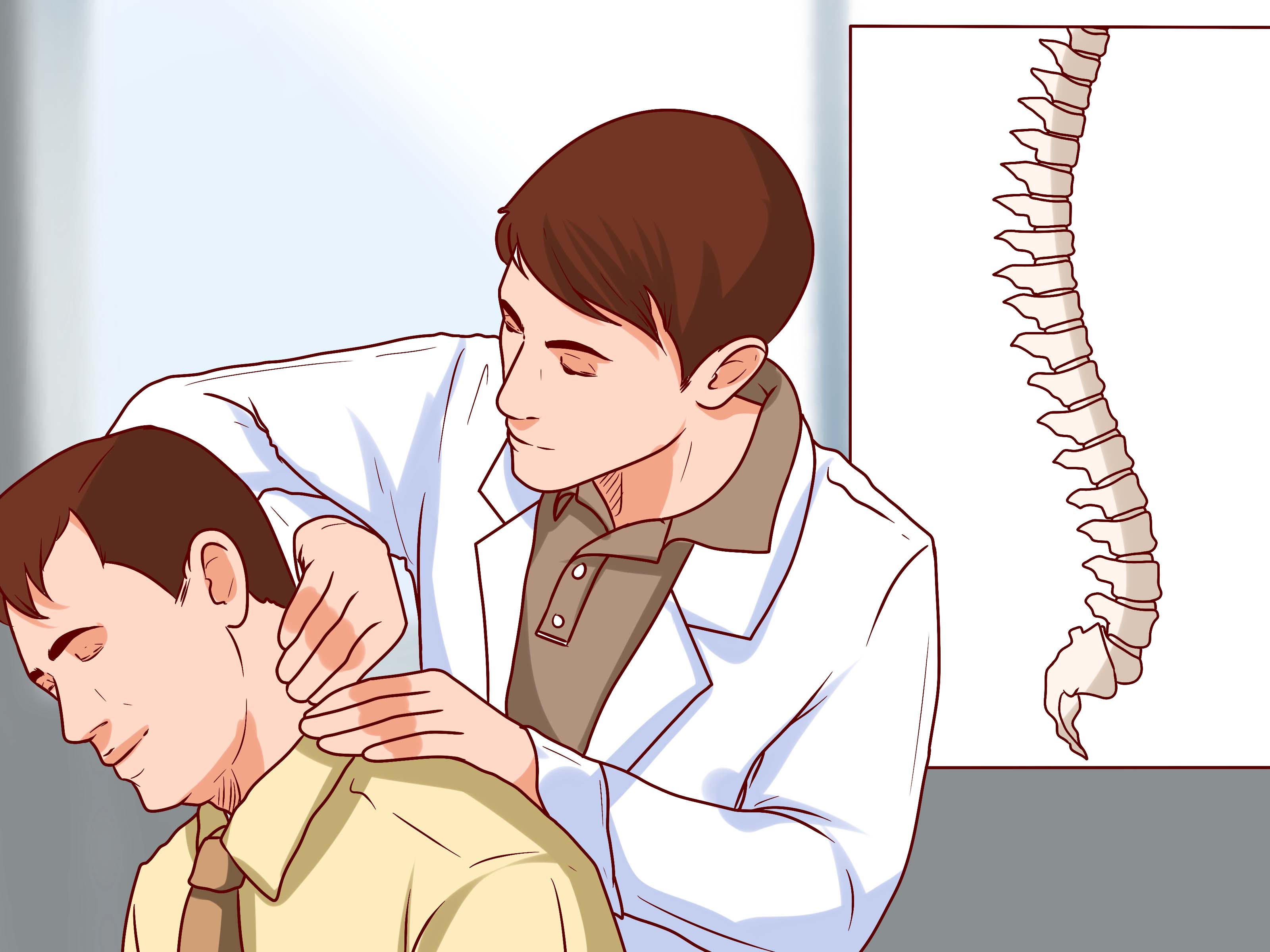
If you notice yellow eyelid patches, unusual skin bumps, tendon thickening, a corneal ring at a young age, leg pain with walking, chest symptoms, or a strong family pattern of early heart disease, the next step is not panic. The next step is a cholesterol check and a conversation with a healthcare provider.
A doctor may recommend:
- A lipid panel
- Blood sugar or diabetes screening
- Thyroid testing
- Blood pressure evaluation
- Assessment for familial hypercholesterolemia
- Heart disease risk calculation
- Lifestyle changes, medication, or both
Do not self-diagnose based on photos from the internet. Skin and eye changes can have many causes. A professional exam helps separate harmless changes from meaningful warning signs.
How to Lower Risk Once High Cholesterol Is Found
If your cholesterol is high, treatment depends on your numbers and overall risk. Lifestyle changes often play a major role. These may include eating more vegetables, fruits, beans, oats, nuts, and high-fiber foods; choosing healthier fats; limiting saturated fat and trans fat; exercising regularly; managing weight; quitting smoking; and controlling blood pressure and blood sugar.
Some people also need medication, such as statins or other cholesterol-lowering treatments. Needing medication is not a personal failure. Genetics can be powerful. You can eat salads with the dedication of a professional rabbit and still need medical help lowering LDL cholesterol.
Common Myths About High Cholesterol Signs
Myth 1: “I Feel Fine, So My Cholesterol Must Be Fine”
Feeling fine does not guarantee healthy cholesterol levels. High cholesterol can silently contribute to plaque buildup for years before symptoms appear.
Myth 2: “Only Older Adults Need to Worry”
Cholesterol issues can appear in younger adults and even children, especially when inherited conditions are involved. Early testing is especially important when family history suggests risk.
Myth 3: “Thin People Do Not Get High Cholesterol”
Body size does not tell the whole story. Genetics, diet quality, hormones, medications, and other health conditions can affect cholesterol levels.
Myth 4: “Visible Signs Always Mean High Cholesterol”
Not always. Yellowish eyelid spots, skin bumps, and eye rings can be associated with cholesterol problems, but they can also occur for other reasons. Testing is the key.
When to Seek Medical Help Quickly
Schedule a routine appointment if you notice possible cholesterol-related skin or eye signs, have a family history of early heart disease, or have not had a cholesterol test in years.
Seek urgent or emergency care if you have chest pain, pressure, trouble breathing, sudden weakness, sudden numbness, trouble speaking, facial drooping, fainting, or severe sudden dizziness. These may be signs of a heart attack or stroke and should be treated immediately.
Personal Experiences and Everyday Lessons: What People Often Notice First
In real life, high cholesterol is often discovered in surprisingly ordinary ways. It is not always a dramatic hospital scene. Sometimes it starts with a routine physical, a workplace wellness screening, or a doctor saying, “Let’s check your labs,” while you are still mentally focused on whether you locked the car.
One common experience is the “I had no idea” moment. A person may feel energetic, eat reasonably well, and have no chest pain at all, only to learn that their LDL cholesterol is higher than expected. This can be frustrating, especially for people who assume cholesterol problems only happen to those who eat fast food every day. The lesson is simple but powerful: high cholesterol is not a personality flaw. It is a health measurement, and measurements are useful because they give you something concrete to improve.
Another experience involves family history. Someone may go for testing after learning that a parent had a heart attack young or that several relatives take cholesterol medication. In these cases, the cholesterol test can feel less like a random lab and more like a family detective story. The useful takeaway is that knowing your family history can help you act earlier. You do not need to inherit every chapter of the family medical story without editing the ending.
Some people first pay attention because of visible changes. A yellowish patch near the eyelid, a strange bump around a tendon, or a pale ring around the eye may send them searching for answers. Sometimes those signs are related to cholesterol; sometimes they are not. The best experience-based advice is to avoid jumping from “What is this?” to “I definitely have a serious disease.” The better move is to take a clear photo, note when it appeared, and ask a clinician whether a lipid panel or other evaluation is needed.
People with circulation symptoms often describe a pattern they ignored at first. For example, leg cramps during walking may be blamed on shoes, age, or being out of shape. But when discomfort repeatedly appears with activity and improves with rest, it can be a clue that blood flow deserves attention. Again, high cholesterol may be only one piece of the puzzle, but it is an important piece to check.
A very common emotional experience after a high cholesterol result is confusion. Lab reports can look like alphabet soup: LDL, HDL, TG, non-HDL, ratios, risk scores. The smartest thing to do is ask your healthcare provider to explain what each number means for your specific situation. A cholesterol number is not just “good” or “bad” in isolation. It matters alongside blood pressure, age, diabetes status, smoking history, and family history.
Many people also learn that lowering cholesterol is a marathon, not a weekend project. Eating more fiber, choosing unsaturated fats, walking regularly, improving sleep, and taking prescribed medication when needed can all help. The biggest mistake is trying to fix everything overnight, then quitting because perfection is exhausting. Small, repeatable habits beat dramatic health makeovers that last four days and end in a reunion with the couch.
The most practical experience is this: put cholesterol testing on your calendar before symptoms force the issue. If your numbers are healthy, greatyou get peace of mind. If they are high, you get time to act. Either way, knowledge wins.
Conclusion: The Smart Way to Spot High Cholesterol
Spotting signs of high cholesterol is really about understanding what the body can and cannot tell you. Most of the time, high cholesterol is silent. You may not see it, feel it, or suspect it. That is why a lipid panel is the gold-standard starting point.
Still, certain clues deserve attention: yellow patches around the eyelids, fatty bumps on the skin or tendons, a corneal ring at a young age, leg pain with walking, chest symptoms, stroke-like symptoms, and a family history of early heart disease. These signs do not confirm high cholesterol on their own, but they are good reasons to talk with a healthcare provider.
The best strategy is not fearit is awareness. Know your risk factors, check your cholesterol, understand your numbers, and take action early. Your arteries may not be chatty, but your lab results can speak clearly.