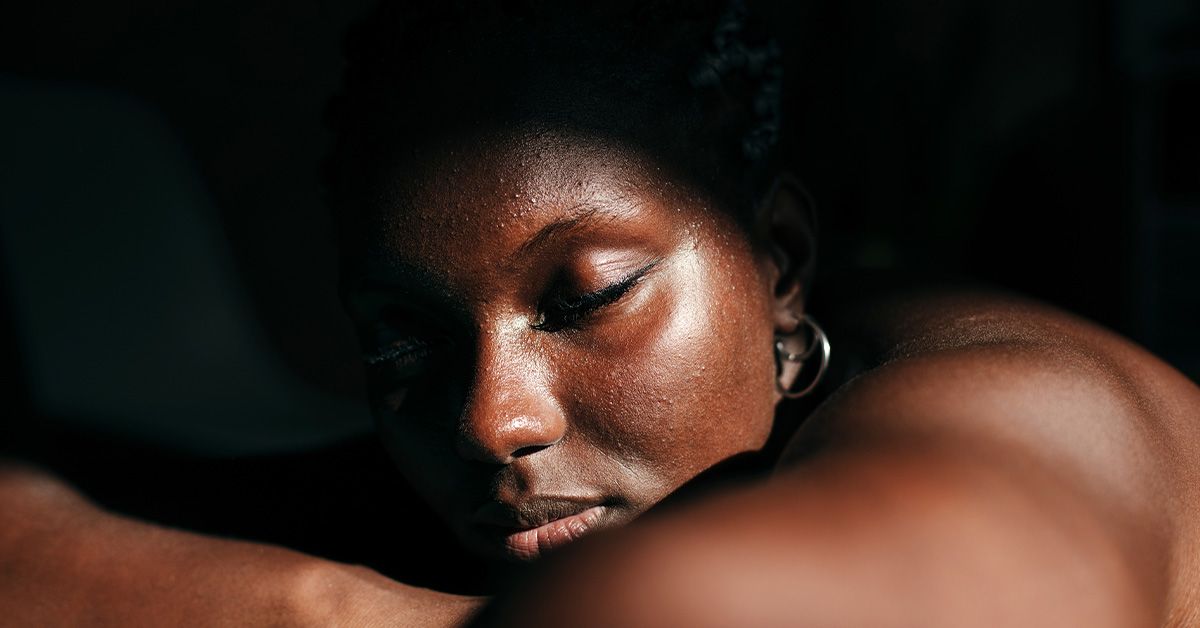
Rosacea is often described as a condition that makes the face look red, flushed, and irritated. That description is not wrong, but it is incompleteespecially for Black skin. On deeper skin tones, rosacea may not look like the bright pink or tomato-red flushing shown in many medical photos. Instead, it may appear as a dusky purple, brownish-red, grayish, or darker patchy tone. Sometimes, the most noticeable signs are not color changes at all, but burning, stinging, swelling, warmth, sensitivity, or acne-like bumps that refuse to behave like acne.
That matters because rosacea on Black skin is frequently missed, mislabeled, or treated too aggressively. A person may be told they have acne, eczema, allergic reactions, seborrheic dermatitis, or “sensitive skin” when rosacea is quietly waving from the background like, “Hello, I am literally right here.” The result can be months or years of trial-and-error skincare, harsh exfoliants, strong acne treatments, and frustration.
The good news: rosacea can be managed. There is no permanent cure, but the right diagnosis, gentle skincare, trigger tracking, prescription treatments, sun protection, and dermatologist-guided care can reduce flares and help the skin feel calmer. This guide explains how rosacea may show up on Black skin, what can trigger it, how it is diagnosed, and which treatments may help.
What Is Rosacea?
Rosacea is a chronic inflammatory skin condition that most often affects the central face, including the cheeks, nose, forehead, and chin. It can cause flushing, persistent color changes, visible blood vessels, bumps, pustules, swelling, skin thickening, and eye symptoms. It usually appears in adulthood, though symptoms can begin earlier.
For many years, rosacea was framed mainly as a condition affecting people with fair skin. That idea has caused real problems. Black people and other people with richly pigmented skin can develop rosacea, but it may be underdiagnosed because the classic “redness” is harder to see. Melanin does not make someone immune to rosacea; it simply changes how rosacea may look.
Why Rosacea Is Often Missed on Black Skin
Medical textbooks, search results, and even skincare ads have historically shown rosacea on lighter skin. When clinicians and patients are trained to look only for obvious redness, rosacea in Black skin can slip under the radar. The condition may be mistaken for acne, irritation, contact dermatitis, lupus rash, folliculitis, eczema, or hyperpigmentation.
Another issue is that people with darker skin may describe symptoms differently. Instead of saying, “My face is red,” someone may say, “My face feels hot,” “My skin burns when I use products,” “My cheeks sting,” “My face looks darker in patches,” or “These bumps keep coming back.” Those clues are important. Rosacea is not just a color; it is a pattern of inflammation, sensitivity, and flare-ups.
Symptoms of Rosacea on Black Skin
Rosacea symptoms can vary from person to person. Some people mainly deal with bumps. Others have flushing and burning. Some develop eye irritation before they notice skin changes. On Black skin, symptoms may include the following signs.
1. Warmth, Burning, or Stinging
A burning or stinging feeling is one of the most helpful clues. The skin may feel hot, tight, itchy, or prickly, especially after using skincare products, being in the sun, drinking hot beverages, exercising, eating spicy food, or experiencing stress. If your face seems to throw a tiny tantrum every time you try a new serum, rosacea may be part of the story.
2. Subtle Red, Purple, Brown, or Dusky Discoloration
Instead of bright redness, Black skin may show a muted red-brown, purple, grayish, or darker tone across the cheeks, nose, chin, or forehead. The change may be easier to spot in natural light or by comparing current photos with older photos. Some people notice that their face looks “inflamed” or uneven rather than obviously red.
3. Acne-Like Bumps Without Blackheads
Papules and pustules are common in rosacea. These bumps may look like acne, but rosacea usually does not cause comedones, which are blackheads and whiteheads. If the bumps sit mostly in the center of the face, flare with heat or sun, and worsen with harsh acne products, rosacea deserves consideration.
4. Sensitive Skin That Reacts to Everything
Rosacea-prone skin often has a weakened or reactive skin barrier. Products that once felt fine may suddenly sting. Fragrance, alcohol-based toners, exfoliating acids, retinoids, scrubs, essential oils, and strong acne washes can make the skin feel angrier than a group chat after someone says, “Let’s just split the bill evenly.”
5. Dryness, Roughness, or Swelling
Rosacea can make the skin feel dry, rough, swollen, or puffy. Some people notice swelling around the nose, cheeks, or eyes. In more advanced cases, rosacea may contribute to thickened skin, especially around the nose, though this is less common.
6. Eye Symptoms
Ocular rosacea affects the eyes and eyelids. Symptoms can include dryness, burning, redness, itching, watery eyes, crusting around the lashes, swollen eyelids, light sensitivity, styes, or a gritty feeling. Eye symptoms should not be ignored. Untreated ocular rosacea can lead to complications, so an eye doctor or dermatologist should evaluate persistent symptoms.
Common Rosacea Triggers
Rosacea triggers are personal. What sets off one person’s skin may do absolutely nothing to someone else’s. Still, common triggers include sun exposure, heat, wind, cold weather, hot showers, spicy foods, alcohol, hot beverages, stress, intense exercise, certain medications, and irritating skincare products.
Sunlight is a major trigger for many people with rosacea, including people with Black skin. While melanin offers some natural protection, it does not block all ultraviolet damage, and UV exposure can worsen inflammation, hyperpigmentation, and flares. Daily sunscreen matters, even when the weather is cloudy and even when the sunscreen aisle seems personally committed to leaving a ghostly white cast.
Rosacea vs. Acne on Black Skin
Rosacea and acne can look similar because both can cause bumps and pustules. However, they are not the same condition, and treating rosacea like acne can sometimes make it worse.
Acne often includes blackheads, whiteheads, clogged pores, cysts, and breakouts on the face, chest, or back. Rosacea usually affects the central face and is more likely to involve flushing, burning, stinging, visible sensitivity, and trigger-related flares. Acne treatments such as strong benzoyl peroxide, scrubs, retinoids, and acid exfoliants may irritate rosacea-prone skin if used too aggressively.
That does not mean a person cannot have both acne and rosacea. Some people do. This is why a dermatologist’s evaluation can be valuable, especially if breakouts are persistent, painful, or not improving with standard acne care.
How Rosacea Is Diagnosed
There is no single blood test for rosacea. Diagnosis is usually based on symptoms, medical history, skin examination, and trigger patterns. For Black skin, the appointment should include careful questions about burning, stinging, flushing sensations, warmth, product sensitivity, eye symptoms, and what makes symptoms better or worse.
A dermatologist may examine the skin in good lighting, ask about skincare routines, review medications, and consider other conditions that can mimic rosacea. In some cases, additional testing may be needed to rule out conditions such as lupus, allergic contact dermatitis, seborrheic dermatitis, perioral dermatitis, or infections.
Treatments for Rosacea on Black Skin
Rosacea treatment is not one-size-fits-all. The best plan depends on the symptoms: bumps, discoloration, flushing, burning, eye irritation, thickened skin, or a combination. Treatment often includes gentle skincare, trigger management, prescription medication, and sometimes laser or light procedures.
Gentle Skincare
A simple skincare routine is the foundation. Use a mild, non-soap cleanser, apply it gently with your fingertips, rinse with lukewarm water, and pat the skin dry. Avoid scrubbing. Rosacea-prone skin does not need to be polished like a kitchen counter.
Moisturizer is also important. A barrier-supporting moisturizer can reduce dryness, stinging, and irritation. Look for fragrance-free formulas with ingredients such as ceramides, glycerin, hyaluronic acid, niacinamide, or petrolatum, depending on what your skin tolerates. If a prescription is part of your plan, your dermatologist may advise applying medication first, then moisturizer.
Daily Sunscreen
Choose a broad-spectrum SPF 30 or higher and use it every day. For Black skin, tinted mineral sunscreens or lightweight chemical sunscreens may be more cosmetically elegant, depending on sensitivity. Zinc oxide and titanium dioxide can be less irritating for some people, but they may leave a cast unless tinted. The best sunscreen is the one you will actually wear without feeling like you joined a mime troupe.
Topical Medications
Common prescription topicals include metronidazole, azelaic acid, and ivermectin. These can help reduce inflammatory bumps and pustules. Azelaic acid may be especially appealing for some people with darker skin because it can help with both inflammation and uneven tone, though it can sting at first for sensitive skin. Start only as directed by a clinician.
For persistent facial redness or visible color changes, medications such as brimonidine gel or oxymetazoline cream may temporarily narrow superficial blood vessels. These are not ideal for every patient and may be more useful in certain skin tones or rosacea patterns, so medical guidance matters.
Oral Medications
For moderate to severe inflammatory rosacea, a dermatologist may prescribe oral antibiotics such as doxycycline. In rosacea, doxycycline is often used for its anti-inflammatory effect, not simply as an antibiotic. Severe or treatment-resistant cases may require other medications, but these should be closely supervised because side effects and pregnancy considerations can be significant.
Laser and Light Treatments
Laser and intense pulsed light treatments may help visible blood vessels, persistent redness, or thickened skin. However, procedures on Black skin require special expertise because poorly chosen settings can cause burns, dark spots, light spots, or scarring. If considering lasers, look for a board-certified dermatologist or experienced laser specialist who regularly treats darker skin tones.
Ocular Rosacea Treatment
Eye symptoms may require warm compresses, eyelid hygiene, artificial tears, prescription eye drops, or oral medication. Because eye complications can affect vision, persistent burning, pain, light sensitivity, or blurry vision should be evaluated promptly.
Ingredients and Habits to Avoid
People with rosacea often benefit from avoiding harsh or irritating products. Common troublemakers include fragrance, menthol, witch hazel, alcohol-based toners, rough scrubs, strong peels, abrasive cleansing brushes, and too many active ingredients at once. This does not mean every active ingredient is forbidden forever. It means your skin may need a slower, calmer, more strategic approach.
Be cautious with retinoids, exfoliating acids, vitamin C serums, and acne treatments. Some people with rosacea can use them with guidance; others flare quickly. Patch testing and slow introduction can help, but if your skin is already burning or inflamed, simplify first.
Building a Rosacea-Friendly Routine
A basic routine might look like this:
- Morning: Gentle cleanser or water rinse, prescription treatment if recommended, moisturizer, sunscreen.
- Evening: Gentle cleanser, prescription treatment if recommended, moisturizer.
- Weekly: Review triggers, take progress photos, and avoid adding multiple new products at once.
Progress photos can be helpful because rosacea changes may be subtle on Black skin. Take photos in the same lighting every week. This helps you and your dermatologist see whether bumps, swelling, tone changes, and irritation are improving.
Post-Inflammatory Hyperpigmentation and Rosacea
Black skin is more prone to post-inflammatory hyperpigmentation, also called dark marks, after inflammation. Rosacea bumps, irritation, and harsh products can all leave discoloration behind. This is another reason to treat rosacea gently. The goal is not to attack the skin into submission; the goal is to lower inflammation so the skin can recover.
If dark marks are present, a dermatologist may suggest ingredients such as azelaic acid, niacinamide, or other pigment-safe treatments. Hydroquinone, chemical peels, lasers, and stronger brightening treatments should be used carefully and professionally, especially if rosacea is active.
When to See a Dermatologist
Consider seeing a dermatologist if you have recurring facial burning, stinging, unexplained bumps, sensitivity to many products, persistent cheek or nose discoloration, eye irritation, or breakouts that do not respond to acne treatment. You should also seek care if symptoms are worsening, affecting your confidence, or causing dark marks.
Try to find a clinician experienced in treating skin of color. During the appointment, describe what you feel, not just what you see. Mention warmth, flushing sensations, burning, product reactions, eye symptoms, and triggers. Bring photos of flares if your skin behaves perfectly the day of the appointment, because naturally, skin loves dramatic timing.
Living With Rosacea on Black Skin
Living with rosacea can be emotionally exhausting. Facial skin is visible, and flares can make people feel self-conscious, especially when others offer unsolicited advice like, “Have you tried drinking more water?” Water is lovely. It is not a board-certified dermatologist.
Rosacea management is often about patterns. You learn which foods, weather conditions, workouts, skincare products, and stress levels make your skin flare. You also learn that perfect skin is not the goal. Comfortable, healthy, less reactive skin is a much better target.
Consistency matters more than a 12-step routine. A gentle cleanser, moisturizer, sunscreen, and the right prescription can do more than a cabinet full of trendy products. In rosacea care, boring is often beautiful.
Experience-Based Insights: What Rosacea on Black Skin Can Feel Like Day to Day
For many people with Black skin, rosacea is not a dramatic overnight event. It can start quietly. Maybe your cheeks feel unusually warm after coffee. Maybe your favorite moisturizer suddenly stings. Maybe you notice small bumps around your nose and cheeks, but acne products only make them angrier. At first, it is easy to blame stress, weather, hormones, or that one new serum with a name longer than a Wi-Fi password.
One common experience is the “invisible flare.” The skin feels like it is burning, but other people do not see much. Friends may say, “Your skin looks fine,” while your face feels like it is sitting beside a space heater. This can be frustrating because pain, heat, and stinging are real symptoms even when redness is not obvious. On deeper skin tones, inflammation may show as a deeper brown, violet, or dull-looking patch rather than bright redness.
Another experience is the acne confusion cycle. A person may buy stronger cleansers, exfoliating pads, benzoyl peroxide, retinol, or scrubs because the bumps look like breakouts. For true acne, some of these products may help. For rosacea-prone skin, they can trigger more burning and more bumps. This creates a loop: the skin flares, the person treats it harder, the skin flares again, and everyone involved becomes annoyedespecially the cheeks.
Many people also discover that “natural” does not always mean gentle. Lemon juice, essential oils, toothpaste spot treatments, harsh clay masks, and DIY scrubs can irritate rosacea-prone skin. A product can be plant-based and still be a tiny chaos agent. The skin usually prefers calm, fragrance-free, barrier-friendly products over dramatic kitchen experiments.
Sun protection can be another challenge. Some sunscreens leave a gray or white cast on Black skin, while others sting or feel greasy. This can make daily SPF feel like a skincare obstacle course. Tinted mineral sunscreens, gel formulas, serum sunscreens, or fragrance-free chemical sunscreens may be easier to wear. It may take trial and error, but sunscreen is worth solving because sun exposure can trigger rosacea and worsen dark marks.
Workouts can also be tricky. Exercise is healthy, but heat and intense exertion can trigger flares. That does not mean giving up movement. It may mean exercising in a cooler room, using a fan, sipping cold water, avoiding peak heat, taking breaks, or choosing lower-heat workouts during active flares. The goal is not to live in a bubble. The goal is to make your skin less likely to file a complaint.
Food triggers can feel personal and unpredictable. Spicy foods, hot drinks, and alcohol are common triggers, but not everyone reacts to them. A trigger diary can help. Instead of banning every joyful food from your life, track what actually affects your skin. If hot coffee triggers warmth, iced coffee may be easier. If red wine causes flushing, another drinkor skipping alcoholmay reduce flares. Small adjustments often work better than extreme rules.
Emotionally, rosacea can affect confidence. People may use makeup to even the skin tone or hide bumps, but makeup can also irritate sensitive skin if it contains fragrance or heavy occlusive ingredients. Non-comedogenic, fragrance-free, sensitive-skin formulas are usually safer. Removing makeup gently is just as important as choosing it carefully.
The most helpful shift is seeing rosacea as a manageable condition, not a personal failure. It is not caused by poor hygiene. It is not because your skin is “bad.” It is a chronic inflammatory condition that needs the right care. With a knowledgeable dermatologist, a simple routine, trigger awareness, and patience, many people see fewer flares, less discomfort, and more predictable skin.
Conclusion
Rosacea on Black skin is real, manageable, and too often overlooked. Because redness may appear subtle, muted, purple-brown, or not visible at all, symptoms such as burning, stinging, warmth, product sensitivity, acne-like bumps, swelling, and eye irritation are key clues. The best treatment plan usually combines gentle skincare, daily sunscreen, trigger management, and dermatologist-guided therapies such as topical medications, oral anti-inflammatory antibiotics, or carefully selected laser treatments.
If your skin keeps reacting, burning, or breaking out despite your best efforts, do not assume you are doing skincare wrong. Rosacea may simply need a different strategy. Calm the routine, track the triggers, protect the skin barrier, and seek care from someone experienced with skin of color. Your face does not need a battle plan. It needs a peace treaty.