Building an outdoor dog kennel sounds simple until you realize your dog has opinions. Big opinions. The floor must not feel weird. The gate must not rattle like a haunted shopping cart. The roof must provide shade, but not turn the whole space into a tiny sauna. And if there is a squirrel visible from the corner, congratulationsyou have accidentally built a canine observation tower.
Still, a well-built outdoor dog kennel can be a safe, comfortable, and practical space when it is designed with expert-backed priorities: weather protection, drainage, shade, ventilation, sanitation, security, and your dog’s actual needs. The goal is not to create a backyard jail cell. The goal is to create a protected outdoor area where your dog can rest, stretch, sniff the breeze, and stay safe when supervised outdoor time is appropriate.
This guide explains how to build a dog kennel for the outdoors, according to expert recommendations from veterinarians, animal welfare organizations, shelter design guidance, and kennel safety best practices.
What Is an Outdoor Dog Kennel?
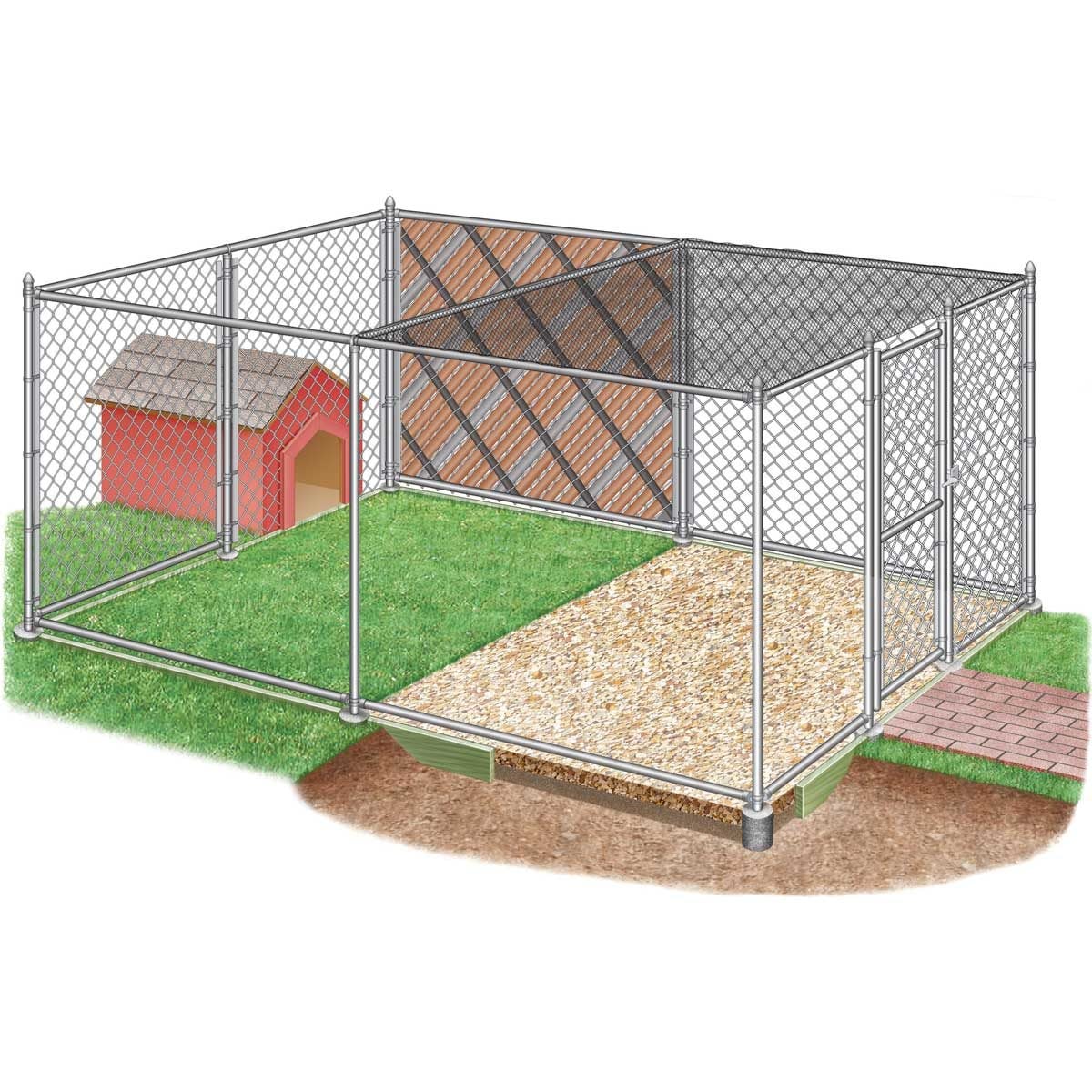
An outdoor dog kennel is a secure enclosure that gives a dog controlled access to fresh air while protecting them from escape, injury, weather, and outdoor hazards. It usually includes a fenced run, a gate, a durable floor, shade, water access, and a weatherproof shelter or dog house.
Here is the key distinction: an outdoor kennel is not a substitute for companionship, exercise, training, veterinary care, or indoor shelter during dangerous weather. Even the best kennel should not be treated as a “set it and forget it” dog storage unit. Dogs are social animals, not patio furniture with paws.
Before You Build: Decide Whether an Outdoor Kennel Is Right for Your Dog
Experts consistently emphasize that not every dog is a good candidate for extended outdoor housing. Puppies, senior dogs, sick or injured dogs, short-nosed breeds, very small breeds, short-haired dogs, and dogs not acclimated to local temperatures may be more vulnerable to heat, cold, humidity, and stress.
If your dog has heart disease, breathing issues, anxiety, arthritis, allergies, a thin coat, or a history of overheating, ask your veterinarian before planning a kennel. A husky in Minnesota and a French bulldog in Arizona do not need the same setup. One may enjoy cool air like it is a spa day; the other may look at summer and file a formal complaint.
Check Local Rules First
Before buying lumber or fencing, check your city, county, homeowner association, and animal-control regulations. Many areas have rules about shelter size, tethering, waste management, property setbacks, drainage, noise, and how long pets may remain outside. Building first and asking later can lead to fines, neighbor disputes, or a kennel that has to be moved.
Step 1: Choose the Best Location
The location of your outdoor dog kennel matters as much as the materials. A poor location can create standing water, overheating, bad smells, barking triggers, and escape opportunities.
Pick High, Dry Ground
Choose a slightly elevated area where rainwater naturally drains away. Avoid low spots where puddles collect. Standing water attracts insects, encourages odor, damages materials, and can create a muddy mess that your dog will proudly track everywhere like a four-legged paint roller.
Prioritize Shade and Airflow
Shade is essential, especially in warm climates. Trees, shade sails, roof panels, or a covered patio can help, but remember that shade moves during the day. Watch the spot from morning through afternoon before deciding. A kennel shaded at 9 a.m. may become a toaster oven by 2 p.m.
Airflow matters too. A kennel tucked between solid walls may trap heat and odors. Choose a place with natural ventilation while still protecting the dog from harsh wind, rain, and snow.
Avoid Noise Triggers
Do not place the kennel directly along a busy sidewalk, next to a loud gate, or beside the neighbor’s barking dog if you can avoid it. Constant stimulation can lead to stress, barking, pacing, and frustration. A calmer location is better for your dog and for every human within earshot.
Step 2: Plan the Kennel Size and Layout
A good outdoor dog kennel should give your dog enough room to stand, turn, lie down, walk, and move comfortably. For many medium or large dogs, a common backyard run might be around 6 feet by 10 feet or larger, but size should be based on your dog’s breed, energy level, and how the kennel will be used.
A tiny potty-break enclosure is different from a kennel where a dog will spend supervised outdoor rest time. Bigger is usually better, as long as the space remains secure, shaded, and easy to clean.
Example Layout for a Medium-Large Dog
For a 50- to 70-pound dog, a practical outdoor kennel might include a 6-by-10-foot fenced run, a raised insulated shelter at one end, a shaded roof panel over part of the run, a water bowl mounted off the floor, and a gate that opens inward or uses a secure latch. Add a raised bed or resting platform so the dog is not lying directly on the floor.
If you have multiple dogs, do not simply double the chaos and hope for the best. Each dog needs enough space, separate feeding options when necessary, and careful supervision. Dogs that get along indoors may still guard food, toys, or shady spots outdoors.
Step 3: Choose Safe, Durable Materials
Outdoor kennel materials must handle moisture, chewing, digging, sunlight, cleaning, and repeated use. Cheap materials can become expensive when they rust, splinter, warp, or turn into a canine escape puzzle.
Recommended Materials
- Fencing: Heavy-gauge chain-link, welded wire panels, or commercial kennel panels.
- Posts: Galvanized steel posts or pressure-treated wood placed where dogs cannot chew them.
- Flooring: Sealed concrete, pavers, composite decking, or rubber kennel mats over a drainable base.
- Roofing: Metal panels, polycarbonate panels, asphalt shingles, or shade sails, depending on climate.
- Hardware: Rust-resistant screws, bolts, hinges, and double-locking gate latches.
- Shelter: Wood, insulated panels, or high-quality weatherproof plastic designed for outdoor use.
Materials to Avoid
Avoid sharp wire, flimsy plastic fencing, exposed nails, splintering wood, toxic paints, and floor surfaces with large gaps. Wire or grid flooring can injure paws and trap toes. Bare dirt is also a poor long-term kennel floor because it holds odor, turns muddy, encourages digging, and is hard to sanitize.
Step 4: Build a Floor That Drains and Cleans Easily
The floor is one of the most important parts of an outdoor dog kennel. It affects hygiene, comfort, odor, paw health, and your willingness to clean the kennel after a rainy week.
Best Outdoor Kennel Flooring Options
Sealed concrete is durable, dig-proof, and easy to hose down. It should be lightly textured for traction, not polished slick. A gentle slope toward a drain or runoff area helps prevent puddles.
Pavers can work well when installed over a compacted gravel and sand base. They drain better than a flat slab but must be level enough to prevent tripping and tight enough to reduce weed growth.
Rubber kennel mats can add comfort over concrete or another hard surface. Choose mats designed for drainage and easy cleaning. Avoid mats with deep grooves that trap urine, hair, and mystery gunk from the universe.
Composite decking can be comfortable and attractive, but it must be installed with safe spacing and solid support. Make sure claws cannot get caught between boards.
Drainage Tips
Slope the kennel floor slightly so water moves away from the sleeping area. Do not direct runoff into a neighbor’s yard, vegetable garden, well area, or public walkway. If drainage is a problem, consider a French drain, gravel trench, or professional grading help.
Step 5: Install Secure Fencing and a Reliable Gate
Dogs are talented engineers when snacks, squirrels, or freedom are involved. Your kennel fence must prevent climbing, digging, squeezing, and latch-flipping.
Fence Height
For many dogs, a 6-foot fence is a good starting point. Athletic jumpers, climbers, and large breeds may need taller panels or an inward-angled top. Small dogs may not need height as much as they need narrow spacing so they cannot squeeze through.
Dig Prevention
If your dog digs, extend fencing below ground, add a concrete curb, or install an apron of welded wire that extends outward along the ground and is covered with soil or gravel. The apron discourages tunneling without creating sharp exposed edges.
Gate Safety
Use a latch that cannot be nudged open by a nose, paw, or accidental bump. A double-latch system is ideal. The gate should close smoothly, resist sagging, and leave no gap wide enough for a head or paw to get stuck.
Step 6: Add a Roof, Shade, and Weather Protection
At least part of the kennel should be covered. A roof protects against sun, rain, snow, falling branches, and birds that seem personally committed to redecorating outdoor surfaces.
In hot climates, shade and ventilation are critical. A dog house alone is not enough for heat protection because enclosed dog houses can become hot and stuffy. Provide open-air shade over part of the run, plus a separate shelter for rest and bad weather.
In cold or wet climates, the roof should shed rain and snow away from the entrance. Add windbreaks on the sides most exposed to storms, but do not close the kennel so tightly that airflow disappears.
Step 7: Build or Choose the Outdoor Dog House
The dog house inside the kennel should be dry, draft-free, raised off the ground, and sized correctly. Too small is uncomfortable. Too large can fail to retain warmth in cold weather.
Dog House Sizing
Your dog should be able to enter comfortably, stand, turn around, and lie in a natural position. For cold climates, avoid oversized interiors because the dog’s body heat will not warm the space effectively. For hot climates, prioritize airflow, shade, and materials that do not trap excessive heat.
Raise the Floor
Elevate the dog house floor a few inches off the ground to reduce moisture, mud, and cold transfer. A raised floor also improves airflow underneath and helps the shelter last longer.
Use a Sloped, Hinged Roof
A sloped roof sheds rain and snow. A hinged roof makes cleaning easier, which means you are more likely to actually clean it. Future you will be grateful. Future you may even write present you a thank-you card.
Face the Door Away From Wind
Position the entrance away from prevailing wind and storms. In cold or wet weather, a flexible flap made from safe, durable, waterproof material can help block drafts while allowing the dog to enter and exit.
Step 8: Provide Water, Comfort, and Temperature Monitoring
Fresh water must be available whenever your dog is in the kennel. Use a heavy bowl, a mounted bucket, or a spill-resistant water system. In winter, check frequently for freezing. In summer, check frequently for heat, algae, insects, and enthusiastic paw splashing.
Place a thermometer in the kennel at dog level, not high on a wall where it may give a misleading reading. Monitor humidity as well as temperature. Heat, humidity, poor airflow, and direct sun can become dangerous quickly.
Never rely on an outdoor kennel during extreme weather. If it is too hot, too cold, stormy, smoky, icy, or unsafe, bring your dog indoors. A kennel is a tool, not a force field.
Step 9: Make the Kennel Comfortable, Not Boring
A safe kennel should include more than fencing and a floor. Dogs need mental stimulation, comfortable resting areas, and positive associations with the space.
- Add a raised cot or washable outdoor bed.
- Use safe chew toys and rotate them regularly.
- Provide visual barriers if nearby movement causes barking.
- Spend time with your dog in and around the kennel.
- Reward calm behavior so the kennel feels relaxing, not punishing.
Do not leave collars, tags, or harnesses on unsupervised dogs if they could catch on fencing or hardware. Also avoid ropes or toys that can tangle around legs, necks, or gates.
Step 10: Create a Cleaning and Maintenance Routine
A kennel is only as good as its cleaning routine. Even a beautiful kennel can become unhealthy if waste, moisture, food scraps, and odors build up.
Daily Tasks
- Remove feces and spilled food.
- Refresh water and clean bowls.
- Check the gate, latch, fencing, and floor for damage.
- Look for insects, sharp edges, puddles, or signs of digging.
Weekly Tasks
- Wash and rinse the floor.
- Scrub bowls, toys, and resting surfaces.
- Clean the dog house interior.
- Replace wet or dirty bedding.
- Inspect roof panels, shade cloth, and drainage areas.
Seasonal Tasks
Before summer, test shade coverage, airflow, fans, misting systems, and water access. Before winter, check windbreaks, bedding, roof leaks, and frozen-water solutions. After major storms, inspect for loose panels, fallen branches, flooding, and damaged hardware.
Common Outdoor Dog Kennel Mistakes
Mistake one: building too small. A kennel should allow comfortable movement, not just containment.
Mistake two: ignoring drainage. Mud and standing water create odor, bacteria, insects, and paw problems.
Mistake three: using a dog house as the only shade. In hot weather, enclosed shelters may trap heat. Dogs need airy shade outside the shelter too.
Mistake four: forgetting enrichment. A bored dog may bark, dig, chew, pace, or develop stress behaviors.
Mistake five: skipping inspections. One loose latch or bent fence corner can turn your dog’s kennel into an escape room.
How Much Does It Cost to Build an Outdoor Dog Kennel?
The cost depends on size, materials, flooring, roofing, and whether you hire help. A simple DIY kennel using prefabricated panels may cost a few hundred dollars. A larger kennel with concrete flooring, roofing, drainage, insulation, and a custom dog house can cost $1,000 to several thousand dollars.
Do not choose the cheapest materials if they compromise safety. A sturdy gate, durable floor, and weatherproof shelter are worth the investment. Rebuilding a failed kennel is usually more expensive than building it correctly the first time.
Outdoor Dog Kennel Expert Checklist
- The kennel is legal in your area and appropriate for your dog’s health.
- The site is dry, shaded, ventilated, and away from constant noise triggers.
- The floor is non-slip, easy to clean, and properly drained.
- The fence is tall enough, dig-resistant, and free of sharp edges.
- The gate has a secure latch and no dangerous gaps.
- The shelter is raised, dry, draft-free, and correctly sized.
- Fresh water is available at all times.
- The kennel has shade outside the dog house.
- The dog has comfort, enrichment, and regular human interaction.
- The kennel is inspected and cleaned on a consistent schedule.
Experience Notes: What Real Outdoor Kennel Projects Teach You
The first thing many people learn after building an outdoor dog kennel is that dogs notice details humans miss. You may admire your perfectly straight fence line, while your dog immediately finds the one corner where the soil is soft. You may celebrate the new water bowl, while your dog celebrates the discovery that it can be flipped over with one dramatic paw slap. Experience has a way of turning “simple backyard project” into “ongoing relationship with a furry quality-control inspector.”
One practical lesson is to overbuild the parts that move. Gates, hinges, and latches take daily abuse. They get leaned on, bumped, rained on, frozen, heated, and occasionally tested by dogs with the determination of tiny locksmiths. A strong latch mounted at a comfortable human height, plus a backup clip or secondary latch, can save a lot of stress. If a kennel fails, it often fails at the gate first.
Another lesson is that drainage is not exciting until it fails. A kennel floor that looks fine on a sunny day may become a swamp after one thunderstorm. Before finalizing the kennel location, spray the area with a hose or observe it after heavy rain. Water should move away from the sleeping area and out of the kennel, not gather in the middle like a luxury mud bath your dog definitely did not need.
Shade also deserves more attention than most beginners give it. The sun changes position throughout the day and across seasons. A kennel that feels pleasant in April may be brutally hot in July. Experienced builders often add layered shade: a roof over one section, shade cloth on the sunny side, and natural shade where available. The best setup gives the dog choicessun for cool mornings, shade for warm afternoons, and shelter when weather turns unpleasant.
Comfort upgrades matter too. A raised cot, washable mat, and clean bedding can turn a bare enclosure into a space where a dog actually relaxes. However, comfort items should be chosen based on the dog. Heavy chewers may need tougher bedding. Dogs that shred blankets should not be left with materials they might swallow. Dogs with joint issues may need softer resting surfaces and shorter outdoor sessions.
Finally, the best outdoor kennels are maintained, not merely built. Weekly inspections catch loose bolts, rust, splinters, holes, worn shade cloth, and drainage problems before they become emergencies. A kennel is not a one-weekend project; it is a small outdoor system. When built thoughtfully and checked regularly, it can become a safe, useful extension of your dog’s daily routine. When ignored, it becomes a muddy box with a gate. Your dog deserves betterand honestly, so does your nose.
Conclusion
Learning how to build a dog kennel for the outdoors starts with one big idea: safety comes before style. A good kennel protects your dog from escape, weather, heat, cold, injury, pests, and boredom. It has a secure fence, reliable gate, drainable floor, shaded area, fresh water, raised shelter, and a cleaning routine that does not depend on wishful thinking.
Experts agree that outdoor housing should be planned around the individual dog, local climate, and daily care. Build for your dog’s size, coat, age, health, and behavior. Add shade before summer gets bossy. Fix drainage before mud becomes a lifestyle. Choose materials that are easy to clean and tough enough to survive weather and paws.
Most importantly, remember that a kennel should support your dog’s well-being, not replace your relationship. The best outdoor kennel is a safe place for fresh air, rest, and supervised timenot a lonely place to be forgotten. Build it with care, maintain it with consistency, and your dog may reward you with the highest compliment in canine language: calmly lying down instead of trying to redesign it with their teeth.