Surreal photography is what happens when a camera politely shakes hands with a dream and then both of them decide to ignore gravity. It turns familiar objects, ordinary places, and everyday emotions into scenes that feel slightly impossiblebut still believable enough to make viewers lean closer and whisper, “Wait… how did they do that?”
When I create inspiring surreal photography, I am not trying to escape reality completely. I am trying to bend it, stretch it, and occasionally make it wear a tiny hat. The best surreal images do not simply look strange for the sake of being strange. They reveal something hidden: a feeling, a memory, a fear, a hope, or a question that normal documentary photography might not fully express.
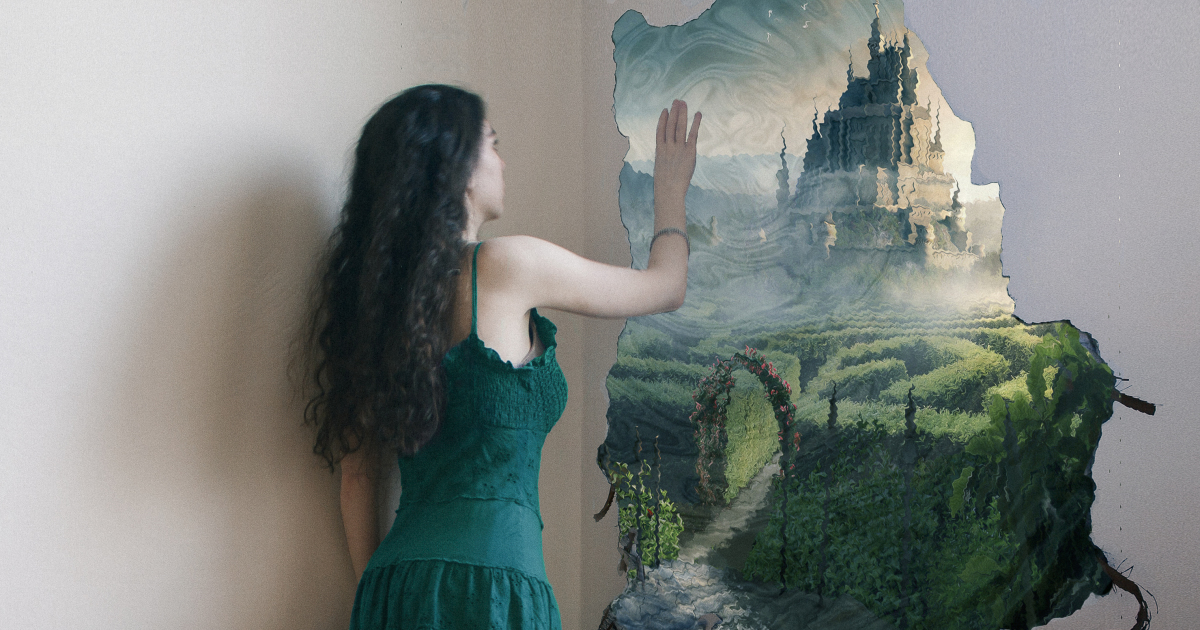
Surrealism has deep roots in art history, especially in the early twentieth century, when artists and writers began exploring dreams, the unconscious mind, irrational juxtapositions, and poetic visual surprises. Photography became one of the movement’s most exciting tools because it carried an automatic sense of truth. A photograph looks like evidence. So when a photograph shows a person floating above a field, a city folding into the sky, or a doorway opening into the ocean, the viewer experiences a delightful mental glitch. The image says, “This happened,” while the brain says, “Absolutely not.” That tension is where the magic lives.
What Is Surreal Photography?
Surreal photography is a style of image-making that blends realistic photographic details with dreamlike, symbolic, or impossible elements. It can be created in-camera, in the darkroom, through digital editing, with staged sets, or by combining all of those methods. The goal is not always to confuse the viewer. More often, the goal is to invite the viewer into a world where emotion has physical shape.
A lonely person might be shown as a tiny figure standing inside a giant teacup. Anxiety might appear as a room slowly filling with clouds. Childhood nostalgia might become a bedroom floating in a lake at sunset. These images may not be literally real, but they can feel emotionally accurate. That is the secret power of surreal photography: it uses fantasy to tell the truth.
Why Surreal Photography Still Feels Fresh
In a world overloaded with perfect selfies, vacation photos, food shots, and suspiciously glossy “casual” lifestyle images, surreal photography offers a refreshing pause. It does not ask, “Do I look good?” It asks, “What if the moon were a balloon? What if silence had a staircase? What if Monday morning looked like a toaster screaming into the fog?” Finally, an art form brave enough to understand email.
Modern audiences respond strongly to surreal images because they combine visual beauty with mystery. A good surreal photograph becomes a tiny puzzle. People stop scrolling because the image interrupts the expected pattern. It creates curiosity, and curiosity is priceless in both fine art and digital storytelling.
The History Behind the Dream
Surrealism grew from a desire to challenge strict logic and ordinary perception. Early Surrealist artists were interested in dreams, automatic thought, chance, desire, and the unconscious mind. Photography became central to that exploration because it could make illusions feel factual.
Pioneering photographers experimented with double exposure, photomontage, solarization, distortion, unusual cropping, reflections, and staged scenes. Artists such as Man Ray, Lee Miller, Dora Maar, Maurice Tabard, Claude Cahun, and others helped prove that photography did not have to merely record the world. It could rearrange the world into something stranger, sharper, and more revealing.
Many of the techniques used today in Photoshop, Lightroom, mobile editing apps, and AI-assisted creative workflows have older cousins in the darkroom. Before digital layers, artists used combination printing. Before quick filters, they used solarization. Before “undo,” they used courage, chemistry, and probably a lot of muttering under their breath.
How I Approach Inspiring Surreal Photography
My process begins with a question, not a camera. I ask myself: What feeling am I trying to photograph? Surreal photography works best when the strange element has emotional purpose. A floating umbrella is cute. A floating umbrella above a person walking through a dry desert might suggest hope, absurdity, protection, or longing. The object becomes a metaphor.
Once I understand the emotion, I choose visual symbols. Water often suggests memory, change, or reflection. Birds can suggest freedom, escape, or restlessness. Doors imply choices. Mirrors suggest identity. Clouds can represent dreams, confusion, or softness. A chair in the middle of nowhere can say more about loneliness than a paragraph of dramatic poetry wearing eyeliner.
Step 1: Start With a Simple Concept
The strongest surreal images are usually easy to describe. “A person holding the moon like a lantern.” “A staircase rising out of the sea.” “A woman reading a book while tiny birds fly from the pages.” If the idea takes twelve minutes and a whiteboard to explain, the final image may feel cluttered.
I like to write one sentence before planning the shoot. For example: “This image is about carrying light through uncertainty.” That sentence becomes my creative compass. It helps me decide what belongs in the frame and what needs to leave immediately, like a raccoon at a formal dinner.
Step 2: Build a Believable World
Surreal photography becomes more powerful when the impossible element sits inside a believable environment. Lighting, perspective, shadows, scale, and color need to cooperate. If the subject is lit from the left but the background light comes from the right, the image may look less like a dream and more like a rushed school project.
Believability does not mean realism. It means internal consistency. A giant flower growing from a living room floor can work beautifully if the shadows match, the colors feel intentional, and the composition guides the eye. Viewers will accept a strange world if that world follows its own rules.
Step 3: Use Composition as a Storytelling Tool
Composition is the skeleton of surreal photography. Leading lines can pull the viewer toward the impossible detail. Symmetry can make a scene feel calm but eerie. Negative space can make a small subject feel vulnerable. A low angle can make an ordinary object feel monumental. A centered subject can create a ceremonial, iconic mood.
One of my favorite approaches is to place a human figure in a wide landscape with one impossible object. The contrast between small human scale and oversized dream symbol creates instant emotional drama. A person standing beneath a floating house, for instance, may suggest displacement, memory, or the heavy weight of home. Also, it gives the viewer something more interesting than yet another photo of a latte with a fern drawn in it.
Surreal Photography Techniques That Actually Work
Double Exposure
Double exposure combines two images into one. A portrait can merge with trees, waves, clouds, city lights, or handwritten text. This technique is perfect for showing inner worlds. A face blended with a forest can suggest growth, mystery, or a mind full of wild paths.
Photomontage and Compositing
Compositing allows multiple photographs to become one final image. This is where modern surreal photography often shines. You might photograph a person in a studio, a sky at sunset, a vintage chair, and a cracked desert floor, then combine them into one cinematic scene. The key is to match light direction, depth of field, color temperature, and perspective.
Forced Perspective
Forced perspective makes objects appear larger, smaller, closer, or farther away than they really are. A person can appear to hold a building, step over a mountain, or balance the sun on one finger. It is playful, accessible, and wonderful for photographers who want surreal effects without heavy editing.
Reflections and Mirrors
Mirrors are basically portable portals with commitment issues. They can split identity, reveal hidden spaces, or create visual contradictions. Reflections in water, windows, metal, or glass can also transform ordinary scenes into layered dream images.
Long Exposure
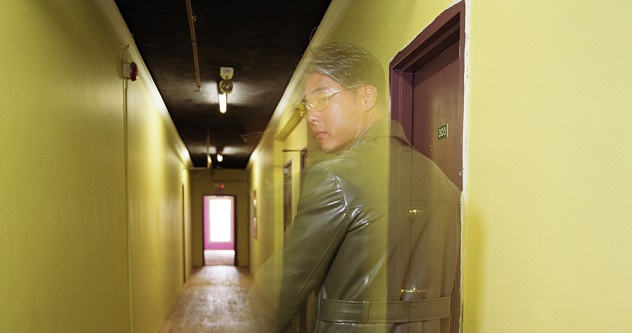
Long exposure captures time as a visible texture. Moving water becomes mist. Traffic becomes glowing ribbons. A moving figure becomes ghostlike. In surreal photography, long exposure can suggest memory, transition, disappearance, or emotional blur.
Levitation Photography
Levitation images often involve photographing a subject supported by a stool, ladder, or platform, then removing the support during editing. The result can feel magical, peaceful, or unsettling. The trick is to make the body position believable. If the pose looks stiff, the subject may appear less like they are floating and more like they just lost an argument with gravity.
Scale Manipulation
Changing the size of objects is one of the clearest ways to create surreal impact. A giant key, a tiny person, an enormous birdcage, or a moon resting on a table can instantly create metaphor. Scale changes work especially well when the object has symbolic meaning.
Choosing Subjects for Surreal Photography
The best subjects are often ordinary objects with emotional associations. A clock suggests time. A ladder suggests ambition or escape. A suitcase suggests travel, memory, or leaving. A window suggests longing. A candle suggests hope, fragility, or attention. When these objects appear in unexpected places, they begin to speak.
People are also powerful subjects because viewers naturally search faces and body language for meaning. A turned back, a hidden face, a reaching hand, or a figure standing alone in a large space can carry deep emotion without becoming melodramatic.
Color, Light, and Mood
Color is emotional shorthand. Cool blues and greens can create mystery, sadness, or calm. Warm golds and reds can suggest passion, danger, nostalgia, or transformation. Muted colors may feel quiet and poetic, while high contrast can create drama and tension.
Light is equally important. Soft light can make an impossible scene feel gentle and dreamlike. Hard light can make it feel theatrical or unsettling. Backlighting can turn a subject into a symbol. A single spotlight can make an ordinary object feel sacred, suspicious, or both.
Editing Without Overcooking the Dream
Editing is where many surreal photographs either become wonderful or collapse into visual soup. The goal is not to use every effect available. The goal is to support the concept. A strong surreal image usually has one main visual surprise, not seventeen unrelated tricks competing for attention like toddlers with tambourines.
I focus on clean masking, consistent shadows, balanced contrast, and color grading that ties the scene together. Small details matter. A contact shadow beneath a floating object can make it feel present. Matching grain can help different image elements belong together. Atmospheric haze can create depth. The viewer may not consciously notice these details, but they will feel the difference.
Common Mistakes in Surreal Photography
Making It Weird Without Meaning
Randomness can be fun, but inspiring surreal photography needs intention. A fish wearing sunglasses in a bathtub may be funny, but what does it say? Maybe it says, “I have had a long week.” Fair. Still, the strongest images connect the unusual element to a feeling or story.
Ignoring Light and Shadows
Nothing exposes a weak composite faster than mismatched light. If one object has soft evening light and another has harsh noon shadows, the illusion breaks. Before editing, study where the light comes from in every source image.
Too Many Ideas in One Frame
A surreal photograph should feel mysterious, not overcrowded. Give the viewer room to enter the image. Negative space is not empty; it is breathing room for imagination.
Depending Too Much on Software
Editing tools are powerful, but concept comes first. A weak idea with expensive software is still a weak idea wearing a nice jacket. Start with story, mood, and composition. Let the tools serve the image.
How Surreal Photography Inspires Viewers
Inspiring surreal photography gives viewers permission to think differently. It suggests that reality is not as fixed as it appears. A person looking at a surreal image may remember a dream, recognize an emotion, or imagine a new possibility. That is why this genre works so well for fine art, editorial campaigns, book covers, album artwork, fashion photography, posters, and social media storytelling.
Surreal photography also creates emotional distance. Difficult subjects such as grief, burnout, identity, loneliness, or change can be expressed symbolically rather than directly. This makes the work more universal. A viewer may not know the exact story behind the image, but they can still feel it.
Practical Ideas for Creating Your Own Surreal Photos
Begin with what you already have. You do not need a castle, a fog machine, and a moon-sized production budget. Start with a window, a mirror, a bedsheet, a flashlight, a chair, a puddle, or a paper cutout. Surreal photography rewards imagination more than expensive gear.
Try photographing a person holding an empty frame in a landscape. Shoot a reflection upside down and rotate the image. Place a small object close to the lens to make it look enormous. Use slow shutter speed to blur movement. Combine a portrait with clouds. Create a miniature scene on a table and photograph it like a full-sized world.
Most importantly, keep a notebook of visual metaphors. Write down objects, emotions, colors, and locations. Pair them randomly. “Loneliness plus lighthouse.” “Joy plus paper birds.” “Anxiety plus hallway.” “Hope plus floating lantern.” These combinations often become the seeds of memorable images.
My Experience Creating Inspiring Surreal Photography
My relationship with surreal photography began with a simple frustration: ordinary photos were not always big enough to hold what I wanted to say. I could take a technically correct portrait, but sometimes the real story was not in the face. It was in the invisible weather around the persontheir doubts, dreams, memories, and private little storms. Surreal photography gave me a way to make that invisible weather visible.
One of my earliest ideas involved a person standing in an empty field holding a glowing object. The concept was simple: carrying your own light when the world feels uncertain. The first attempt was not exactly gallery-ready. The lighting was inconsistent, the glow looked like a radioactive potato, and the subject’s expression said, “Please explain why I am standing outside with this lamp.” But the emotional core worked. I learned that a strong idea can survive imperfect execution, and that each failed image teaches you where the next image wants to go.
Over time, I developed a slower and more thoughtful process. Before picking up the camera, I sketch the image roughly, even if the drawing looks like it was created by a raccoon with a pencil. I list the objects I need, the mood I want, the color palette, and the symbolic purpose of each element. This planning keeps the final photograph from becoming random. Surreal photography may look spontaneous, but the best dream worlds are carefully built.
I have also learned to collect textures and backgrounds like a visual treasure hunter. Cracked walls, cloudy skies, empty roads, old curtains, reflections in shop windows, and interesting shadows can all become pieces of future images. A simple photo walk can turn into a library of ingredients. The trick is to look at the world not only as it is, but as what it could become. A puddle might become a portal. A staircase might become a metaphor for ambition. A torn sheet of paper might become a mountain range if photographed closely enough.
The most rewarding part is watching viewers respond. Some people focus on technique and ask how the image was made. Others tell me what the image reminds them of. That second response is my favorite. When someone sees their own feeling inside a surreal photograph, the image becomes more than a clever visual trick. It becomes a shared emotional space.
Creating surreal photography has made me more observant in everyday life. I notice how shadows stretch across walls, how fog softens buildings, how reflections create accidental double worlds, and how ordinary objects carry emotional weight. A chair is not just a chair. It can be waiting, absence, rest, loneliness, or memory. A window is not just glass. It can be separation, hope, curiosity, or escape. This way of seeing makes daily life feel richer and, occasionally, suspiciously cinematic.
There are still challenges. Some ideas fail. Some edits take longer than expected. Some images look brilliant in my head and deeply confused on screen. That is part of the process. Surreal photography asks for patience, experimentation, and a willingness to look slightly ridiculous while chasing an image that does not exist yet. But when the pieces finally clickthe concept, the light, the subject, the symbolism, the editthe result feels like catching a dream before it evaporates.
For anyone beginning this journey, my best advice is simple: do not wait until you have perfect gear or perfect skills. Start with one idea and one emotion. Make the image. Study it. Improve it. Try again. Surreal photography is not about proving that you can escape reality. It is about proving that reality has more doors than we usually notice.
Conclusion
I create inspiring surreal photography because it gives imagination a physical form. It lets a photograph become more than a record of what stood in front of the lens. It becomes a scene from the inner world: symbolic, strange, emotional, and alive.
The beauty of surreal photography is that it welcomes both technical skill and playful curiosity. You can use double exposure, compositing, mirrors, long exposure, forced perspective, scale manipulation, or simple staging. But the heart of the image is always the idea. When a surreal photograph has meaning, viewers do not just admire it. They enter it.
In the end, surreal photography reminds us that the world is not boring. We are just trained to see it too literally. Look again. The sky might be a curtain. The road might be a ribbon. The moon might be a lantern. And your next photograph might be waiting in the small, strange space between reality and wonder.
Note: This article is written for web publication and synthesizes established art-history knowledge, museum-level photography context, and practical creative techniques without copying source text or adding unnecessary citation markers.