Teak flatware has a way of making an ordinary table look like it suddenly got promoted. One minute you are eating pasta on a Tuesday. The next, your dinner setup looks like it belongs in a breezy coastal home, a design magazine, or at the very least a dinner party where someone says “heritage tomatoes” without laughing.
That is the charm of teak. It brings warmth, texture, and a little natural drama to the table without trying too hard. Whether you are shopping for a full teak flatware set, serving pieces with teak handles, or teak kitchen utensils that double as tabletop stars, the appeal is easy to understand. Teak looks rich, feels substantial, and ages with character instead of crying for attention.
But good looks are only half the story. If you are planning to buy teak flatware, you should know what it really is, how it compares with standard stainless steel, what details matter when you shop, and how to care for it so it stays beautiful instead of turning into a cautionary tale from the bottom rack of your dishwasher. Spoiler: teak and dishwashers are not friends. Not even casual acquaintances.
What Is Teak Flatware?
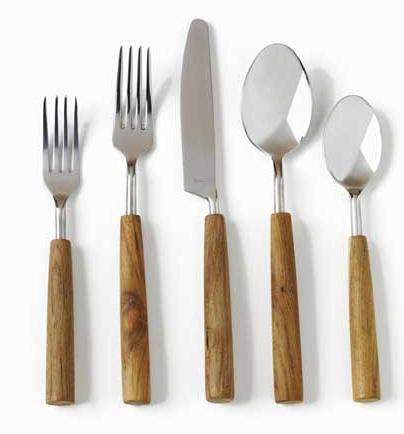
In most cases, teak flatware refers to stainless steel flatware with teak handles rather than pieces made entirely from wood. That design gives you the best of both worlds: the cutting, scooping, and durability of metal where you need it, plus the warm look and comfortable grip of teak where your hand touches the utensil. You will also see teak used in serving utensils, salad servers, spreaders, and kitchen tools that match the same natural aesthetic.
Teak itself is a hardwood prized for its density, attractive grain, and naturally oily character. Those natural oils are one reason teak has such a strong reputation for durability. It has long been valued in furniture and specialty wood products because it handles moisture better than many other woods and finishes to a smooth, handsome surface.
That does not mean teak is indestructible. It means it starts with a few advantages that make it appealing for items handled often: it feels solid, resists drying better than many woods, and develops a beautiful lived-in look over time. Think patina, not panic.
Why Teak Flatware Has Become So Popular
1. It warms up the table instantly
Traditional all-metal flatware can look crisp and elegant, but teak adds visual softness. It pairs especially well with stoneware, linen napkins, ceramic bowls, rattan chargers, and wood serving boards. If your style leans organic modern, rustic, Scandinavian, coastal, or mid-century, teak flatware fits right in.
2. It feels better in the hand
One underrated feature of teak flatware is grip. Wood handles often feel warmer and less clinical than all-metal pieces. The effect is subtle, but it matters. At the table, details like balance, texture, and comfort can make everyday meals feel a little more intentional.
3. It hides the wear of real life
Teak’s grain adds natural variation, which means small marks and the gentle signs of use tend to blend in more gracefully than they do on glossy, high-polish surfaces. In other words, teak flatware can look relaxed and refined at the same time. It is the dinnerware version of effortlessly stylish hair, which, unlike actual effortlessly stylish hair, is achievable.
4. It plays nicely with design-forward kitchens
Many home brands now feature teak utensils, teak-handled flatware, and FSC-certified teak tools because shoppers want natural materials that feel elevated but still usable. Teak works as decor and function. That is a powerful combination for modern kitchens where open shelving, visible utensil crocks, and styled tables are part of the look.
Teak Flatware vs. Standard Flatware
If you are deciding between teak flatware and classic stainless steel, the question is less about which one is “better” and more about what kind of dining experience you want.
Standard stainless steel flatware is usually easier to maintain, often dishwasher-safe, and better for people who want a no-fuss everyday set. It wins on convenience.
Teak flatware wins on character. It looks more distinctive, feels more artisanal, and turns a simple place setting into something memorable. The trade-off is maintenance. Most teak-handled pieces are hand-wash only, and the wood needs occasional conditioning to stay at its best.
So the real question is this: do you want flatware that disappears into the background, or flatware that quietly upgrades the whole mood of the meal? If you picked the second one, welcome to Team Teak.
What to Look for When Buying Teak Flatware
Choose the right construction
For most buyers, the sweet spot is stainless steel heads with teak handles. That structure makes the utensils practical while keeping the design warm and natural. If you are shopping online, check whether the product description clearly lists both materials. Better yet, look for 18/10 stainless steel in the metal portion if you want a more premium everyday feel.
Check the finish and handle shape
Not all teak handles feel the same. Some are sleek and polished, while others have a more matte, natural finish. A rounded, slightly contoured handle tends to feel more comfortable during longer meals. If the flatware looks gorgeous but seems awkward to hold, it is basically table jewelry with commitment issues.
Look for food-safe materials
Food-safe construction matters, especially when wood is involved. Reputable brands generally specify whether finishes are food-safe and whether the pieces are intended for regular dining use. For serving utensils and kitchen tools, that detail is especially important.
Pay attention to care instructions
Hand wash only is common with teak-handled flatware. That is not a red flag. It is a realistic sign that natural materials need gentler treatment. If you know you want something you can toss into the dishwasher every night without a second thought, teak may not be your soulmate.
Consider responsible sourcing
Some brands specify FSC-certified teak or responsibly managed forest sourcing. If sustainability matters to you, that is worth seeking out. Beautiful materials are even more satisfying when they come with a better paper trail.
How to Style Teak Flatware on the Table
Teak flatware is surprisingly flexible. It works for casual breakfasts, backyard dinners, holiday spreads, and everything in between. The trick is to let the natural wood tone connect with something else on the table.
Here are a few easy pairings that work:
With white stoneware
Clean white plates make teak handles stand out. The contrast feels fresh and modern without looking stiff.
With linen napkins
Teak and linen are basically old friends. Together they create a layered, relaxed table that still looks thoughtful.
With ceramic serving bowls
The handmade look of ceramic pieces plays beautifully with the natural grain of teak, especially if your color palette leans earthy, sandy, or muted.
With outdoor dining setups
Teak feels right at home outdoors. It complements woven placemats, melamine plates, and patio dinners where the goal is less “formal banquet” and more “another round of grilled shrimp, please.”
How to Care for Teak Flatware Properly
This is the part many people skip, and then they wonder why their beautiful teak-handled pieces start looking tired, dry, or rough. Teak is durable, but it still needs sensible care.
Wash by hand
Use warm water, mild dish soap, and a soft sponge or cloth. Clean the pieces soon after use rather than letting sauces, acids, or oils linger on the surface. Then dry them promptly with a towel.
Do not soak them
Leaving wood in standing water is one of the fastest ways to invite swelling, warping, or cracking. A quick wash is fine. A long soak is a terrible idea disguised as convenience.
Skip the dishwasher
High heat, long moisture exposure, and harsh detergent can strip natural oils from wood and shorten its lifespan. Teak may be tougher than many woods, but even teak does not enjoy being blasted, steamed, and rattled around like it owes the machine money.
Condition the wood occasionally
If the handles start to look dry, chalky, or faded, apply a small amount of food-safe mineral oil, beeswax conditioner, or a wood balm made for kitchen items. Avoid cooking oils like olive or vegetable oil, which can go rancid over time and leave unpleasant smells behind.
Store with a little breathing room
Do not cram teak flatware into a damp drawer or sealed container while it is still wet. Dry thoroughly first. Good air circulation helps preserve both the wood and the metal components.
Replace pieces when the wood is badly damaged
If a handle becomes cracked, splintered, loose, or deeply worn, it is time to retire the piece. That is especially true for kitchen tools or serving utensils that see heavy use.
Common Mistakes People Make With Teak Flatware
Assuming “durable” means “zero maintenance”
Teak is low-maintenance compared with many woods, not no-maintenance. Those are very different lifestyles.
Using too much oil
A little conditioning oil goes a long way. You want the wood nourished, not slippery enough to launch a fork across the room.
Choosing style over balance
Some flatware looks amazing in photos but feels awkward in actual use. If possible, read reviews that mention weight, grip, and daily comfort.
Ignoring the metal quality
The teak handle gets all the attention, but the stainless steel portion still matters. A beautiful handle cannot compensate for a flimsy fork or dull knife.
Is Teak Flatware Worth It?
For the right buyer, absolutely. Teak flatware is worth it if you value design, enjoy natural materials, and do not mind hand washing pieces that bring a little extra personality to the table. It is especially appealing for people who love hosting, curating a warm home aesthetic, or making everyday meals feel less ordinary.
If your top priority is maximum convenience, you may prefer standard dishwasher-safe flatware for daily use and keep teak pieces for special meals or serving. But if you appreciate objects that feel tactile, intentional, and just a little bit luxurious, teak flatware offers something standard sets often do not: atmosphere.
And atmosphere matters. Food tastes better when the table feels inviting. Science may or may not phrase it that way, but your dinner guests probably will.
What the Experience of Using Teak Flatware Is Really Like
Living with teak flatware is less about owning utensils and more about noticing how small objects change the mood of a meal. The first thing most people notice is the feel. Teak does not have that cold, purely metallic touch that standard flatware has, especially when the room is cool or dinner starts late. Instead, the handle feels warmer and more grounded in your hand, which sounds like a tiny detail until you use it for a week and realize your table somehow feels more welcoming.
There is also a visual pleasure to it that sneaks up on you. A bowl of soup, a linen napkin, a ceramic plate, and a teak-handled spoon or fork together create the kind of table setting that looks considered without being fussy. It does not scream for attention. It just quietly makes everything look better. Even leftovers seem to gain a little self-respect.
In everyday use, teak flatware tends to make meals feel slower in a good way. Breakfast feels less rushed. A quick salad at lunch feels a bit more intentional. Dinner with friends looks more inviting before the food even arrives. That is part of why people get attached to it. Teak flatware does not feel disposable or generic. It feels chosen.
Of course, the experience is not all romance and candlelight. You do have to care for it. That means hand washing instead of tossing everything in the dishwasher and walking away like a domestic legend. At first, that can seem mildly annoying. Then it becomes part of the ritual. Rinse, wash, dry, put away. The extra minute or two is usually worth it because the pieces keep their smooth finish and rich color longer.
Another thing people often notice is how teak changes over time. Instead of staying frozen in factory perfection, it develops character. The grain becomes more familiar. The handles may deepen slightly in tone. If you condition them occasionally, they take on a cared-for look that feels more personal than polished chrome ever could. It is the difference between something that stays pristine in a drawer and something that becomes part of your home life.
Teak flatware also tends to invite compliments, especially from guests who notice details. Someone will pick up a fork and ask where you found it. Someone else will say it feels nice in the hand. That reaction is part of the fun. It is functional, yes, but it also starts conversations in a way ordinary flatware rarely does unless it is somehow on fire.
Perhaps the best way to describe the experience is this: teak flatware makes daily dining feel a little more tactile, a little more human, and a little less mass-produced. It adds warmth without trying too hard and style without becoming precious. If you enjoy objects that are both useful and beautiful, using teak flatware feels like one of those small upgrades that pays you back every single day.
Final Thoughts
Teak flatware is not for everyone, and that is exactly why it stands out. It asks for a bit more care, but it gives a lot back in return: warmth, texture, comfort, and a table that feels distinctly more alive. For people who want their kitchen and dining spaces to feel thoughtful rather than purely functional, teak flatware hits a sweet spot between practicality and personality.
If you choose well and care for it properly, teak flatware can become one of those home items you use constantly and appreciate more over time. Not bad for a fork, really.