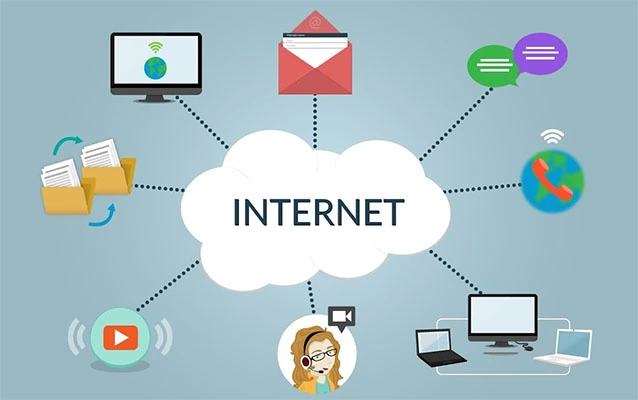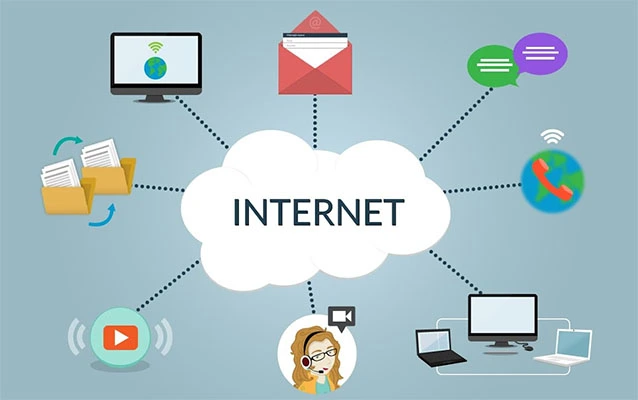
Once upon a time, science lived behind thick laboratory doors, guarded by people in white coats, expensive machines, and words with suspiciously many syllables. Today, a person can order a DNA kit from the couch, mail a saliva sample before breakfast, track sleep with a ring, check biomarkers through a private lab portal, and receive a personalized health report before their houseplant gets watered. Welcome to the age of direct-to-consumer science.
Direct-to-consumer science is the growing world of scientific tools, tests, data, and interpretations sold directly to everyday people rather than delivered only through universities, hospitals, or doctors’ offices. It includes at-home genetic testing, direct-access laboratory tests, microbiome reports, personalized nutrition platforms, wearable health devices, fertility tracking tools, ancestry analysis, health risk reports, and citizen-science programs that invite the public to participate in research.
At its best, direct-to-consumer science makes knowledge more accessible. It helps people feel curious, informed, and involved in their own health and biology. At its worst, it turns complicated science into glossy dashboards that look more certain than they really are. A gene variant is not a crystal ball. A microbiome score is not a personality test for your intestines. And a wearable sleep graph should not have the emotional power of a tiny wrist-based judge.
This article explores what direct-to-consumer science is, why it is booming, where it helps, where it gets messy, and how consumers can approach it with curiosity, caution, and a healthy sense of humor.
What Is Direct-To-Consumer Science?
Direct-to-consumer science refers to scientific products and services that are marketed and sold directly to the public. Instead of a physician, genetic counselor, academic researcher, or laboratory specialist serving as the main gatekeeper, the consumer initiates the process. The experience often starts online: choose a kit, create an account, collect a sample, send it back, and wait for results.
The best-known example is direct-to-consumer genetic testing. These services may analyze saliva or cheek swabs to provide information about ancestry, inherited traits, carrier status, selected health risks, or how certain genes may affect drug metabolism. Other direct-to-consumer science products include blood tests ordered without a traditional office visit, microbiome tests that promise insights into gut health, personalized nutrition reports, hormone tests, food sensitivity panels, athletic performance reports, and consumer wearables that collect heart rate, sleep, movement, oxygen, temperature, or stress-related data.
The phrase may sound futuristic, but the idea is simple: science is no longer something people only read about after experts finish arguing in journals. Consumers can now buy a slice of the scientific process. Sometimes that slice is useful. Sometimes it is undercooked. Sometimes it arrives with a slick app and a confidence level that would make a weather forecast blush.
Why Direct-To-Consumer Science Is Growing So Fast
The rise of direct-to-consumer science did not happen by accident. Several trends collided at once: cheaper DNA sequencing and genotyping, better logistics for sample collection, widespread smartphone use, cloud-based data storage, telehealth, social media health trends, and a public appetite for personalized answers.
People want information that feels specific to them. General advice such as “eat well,” “sleep more,” and “exercise regularly” may be accurate, but it can sound like it was written by a refrigerator magnet. Direct-to-consumer science promises something more intimate: your genes, your gut, your hormones, your heart rhythm, your risk profile, your dashboard.
There is also a trust shift. Many consumers want more control over health information. Some have high deductibles, limited access to specialists, long appointment waits, or past experiences of feeling dismissed. For them, ordering a test directly can feel empowering. It is a way to ask a question without first getting permission from a system that may be slow, expensive, or confusing.
Companies, meanwhile, have learned how to package science as a consumer experience. Results are visual, colorful, interactive, and written in approachable language. Instead of a dense lab report filled with abbreviations, users receive charts, percentages, badges, risk categories, and recommendations. The science may be complex, but the design says, “Relax, we made this look like a streaming-service menu.”
The Promise: More Access, More Curiosity, More Participation
It Can Make Science Less Intimidating
One of the strongest arguments for direct-to-consumer science is that it makes scientific information feel less remote. A person who might never read a genetics textbook may become fascinated after seeing ancestry results or learning about inherited traits. Someone who tracks sleep may begin paying attention to caffeine, stress, screen time, and exercise. A person who sees cholesterol, vitamin D, or blood sugar markers may finally ask better questions at a medical visit.
In this way, direct-to-consumer science can act as a doorway. It may not replace professional care, but it can motivate people to learn. That matters. Public scientific literacy is not built only in classrooms; it is built every time someone becomes curious enough to ask, “Wait, what does this actually mean?”
It Can Encourage Preventive Thinking
Traditional healthcare often focuses on symptoms after they appear. Consumer science tools, by contrast, often appeal to people who want earlier clues. Genetic risk reports, family ancestry insights, wearable heart notifications, and biomarker tracking can encourage people to think about prevention, lifestyle, and family history before a problem becomes urgent.
That said, early information is only helpful when it is accurate, meaningful, and interpreted properly. A useful clue can become a false alarm when taken out of context. It can also become false reassurance when a “negative” result is misunderstood as “nothing to worry about ever again.” Biology is not a vending machine. You do not insert saliva and receive destiny.
It Can Support Citizen Science
Direct-to-consumer science also overlaps with citizen science, where members of the public contribute data, observations, or samples to research. Large-scale research programs can use participant-provided health information, survey responses, genetic data, wearable data, or environmental observations to study patterns that would be difficult to capture in small clinical studies.
When done ethically, this can make research more inclusive and more reflective of real life. Instead of science being performed only on narrow groups in controlled settings, broader participation can help researchers understand how health, behavior, ancestry, environment, and lifestyle intersect across diverse populations.
The Problem: Science Is Hard, Marketing Is Easy
The central tension in direct-to-consumer science is simple: science moves carefully, while marketing sprints in sneakers with a coupon code. Companies want clear claims, simple benefits, and persuasive headlines. Science, however, loves uncertainty, limitations, confidence intervals, and phrases like “more research is needed.” Not exactly billboard material.
This gap can create consumer confusion. A genetic test may identify selected variants associated with a condition, but that does not mean it checks every possible variant. A microbiome report may describe bacterial patterns, but the science of translating those patterns into precise dietary advice is still developing. A wearable may detect a change in heart rhythm or sleep pattern, but consumer-grade devices are not the same as clinical diagnostic tools.
The danger is not that consumers are curious. Curiosity is excellent. The danger is when a polished report makes uncertain science look final. A dashboard can feel authoritative even when the underlying evidence is limited. Add bright colors and a “personalized recommendation,” and suddenly a probability starts acting like a commandment.
Genetic Testing: The Star Player With Complicated Footwork
Direct-to-consumer genetic testing is the poster child of consumer science. It is popular because DNA feels deeply personal. It connects identity, ancestry, family, health, and mystery. People want to know where they come from, what traits they carry, and whether their genes whisper anything useful about the future.
Genetic testing can provide meaningful information. Ancestry reports can help people explore family origins. Carrier screening may identify inherited variants that could matter for family planning. Some health-related reports may flag increased risk for selected conditions or medication-response differences that are worth discussing with a healthcare professional.
But interpretation is everything. A positive health-risk result does not automatically mean a person has or will develop a disease. Many conditions are influenced by multiple genes, lifestyle, environment, age, family history, and plain old biological randomness. Likewise, a negative result does not always mean zero risk. The test may not include every relevant gene or variant, and risk can exist for reasons the report does not measure.
Family surprises are another issue. Direct-to-consumer DNA testing can reveal unexpected biological relationships, unknown relatives, donor conception, adoption information, or ancestry that differs from family stories. Sometimes this is joyful. Sometimes it is emotionally complicated. A $99 kit can open a door that no one in the family knew was there, and not every door leads to a tidy hallway.
Direct-Access Lab Testing: Convenient, But Not Always Clear
Direct-to-consumer lab testing lets people order certain blood, saliva, urine, or other tests without a traditional medical visit. For consumers, the appeal is obvious: speed, privacy, convenience, and control. Instead of waiting weeks for an appointment, a person may be able to order a panel online, visit a collection site, and view results through a portal.
Convenience, however, does not solve interpretation. Lab values depend on context. A result can vary based on time of day, recent meals, medications, menstrual cycle timing, exercise, illness, hydration, and laboratory methods. One abnormal number may mean something important, or it may mean the body was having a Tuesday.
Another challenge is over-testing. The more markers a person checks, the more likely it becomes that something will fall outside a reference range by chance. This can lead to anxiety, repeat testing, unnecessary appointments, and online rabbit holes where every search result seems to say either “probably fine” or “prepare your estate documents.” Neither is ideal.
Responsible direct-access lab testing should be transparent about what a test can and cannot tell you, whether the lab is properly certified, how samples are collected, who reviews results, and when professional follow-up is recommended.
Microbiome and Personalized Nutrition: Fascinating, But Still Growing Up
The gut microbiome has become one of the flashiest areas of direct-to-consumer science. The pitch is irresistible: send a stool sample, learn about your gut bacteria, and receive personalized food advice. It sounds like having a tiny committee of microbes write your grocery list.
There is real science behind the microbiome. Gut microbes are involved in digestion, metabolism, immune function, and inflammation. Researchers continue to study how microbial communities relate to disease risk, medication response, and overall health.
But the consumer marketplace often runs ahead of the evidence. Microbiome testing can describe which organisms appear in a sample, but translating that snapshot into precise health instructions is difficult. The microbiome changes with diet, illness, medication, travel, stress, and time. Two samples from the same person may not tell the exact same story.
Personalized nutrition is promising, especially when it combines diet history, metabolic markers, genetics, lifestyle, and clinical context. Still, consumers should be cautious with any company that claims one test can reveal the perfect diet, cure vague symptoms, or reduce human biology to a single “eat this, not that” chart. The gut is smart, but it is not a fortune cookie.
Wearables: Everyday Data, Everyday Confusion
Wearable devices have turned millions of people into part-time data collectors. Smartwatches, fitness trackers, rings, patches, and apps can measure steps, workouts, sleep stages, resting heart rate, oxygen saturation, skin temperature, and more. This data can be useful for spotting patterns. It can also make people argue with their wrist before breakfast.
The value of wearables is usually trend-based. If your resting heart rate rises for several days, your sleep drops, and your activity changes, that pattern may encourage you to rest, hydrate, or pay attention to symptoms. Athletes use wearables to monitor recovery. Some people use them to build better habits. Others use them to discover that “I slept eight hours” and “I recovered well” are not always the same sentence.
However, consumer wearables are not perfect medical instruments. Sleep-stage estimates can vary. Calorie counts are often rough. Stress scores may reflect signals that are real but not specific. A device can show a pattern, but it does not know the whole story. It does not know you watched three dramatic episodes, drank cold brew at 5 p.m., and had a minor argument with a printer.
The best way to use wearable data is as a conversation starter, not a final verdict. Trends matter more than single numbers. Symptoms matter more than badges. And no one should let a readiness score bully them into feeling guilty for being human.
Privacy: The Fine Print Is Not Decorative
Privacy may be the most serious issue in direct-to-consumer science. Genetic data, health data, family information, reproductive information, and wearable data are deeply personal. They may reveal information not only about you but also about relatives who never clicked “I agree.”
Consumers should read privacy policies before purchasing a test or device. Yes, privacy policies are often about as exciting as watching soup cool, but they matter. Important questions include: Who owns the data? Can it be sold or shared? Is it used for research? Can you opt out? Can you delete your account? Can you request destruction of biological samples? What happens if the company is sold, merged, hacked, or goes out of business?
Health data collected in a doctor’s office is often protected by specific healthcare privacy rules. Data collected by consumer technology companies may not always receive the same protections. That difference is easy to miss because the app may look medical, the report may sound medical, and the sample may be biological. But the legal and privacy landscape can be very different.
Consumers should also use strong passwords, enable two-factor authentication when available, avoid reusing passwords, and be careful about uploading raw genetic data to third-party interpretation sites. Once sensitive biological data spreads, it is not easy to put back in the tube. Toothpaste is easier.
How To Be a Smarter Consumer of Science
Ask What the Test Actually Measures
Before buying any direct-to-consumer science product, ask what it measures directly and what it merely estimates. A DNA test may measure selected genetic variants. A wearable may measure signals like movement or heart rhythm and then estimate sleep or stress. A microbiome test may identify organisms in a sample and then infer possible dietary connections.
The difference between measurement and interpretation is huge. A thermometer measures temperature. A horoscope interprets vibes. Many consumer science products live somewhere in between: real data, layered with algorithms, assumptions, and marketing language.
Look for Clinical Validity and Utility
A test can be analytically accurate but still not very useful. Clinical validity asks whether the result is meaningfully associated with a condition or outcome. Clinical utility asks whether knowing the result helps you make a better decision. A test that produces impressive-looking data but does not change any reasonable action may be more entertainment than healthcare.
Check the Company’s Transparency
Trustworthy companies explain limitations clearly. They identify what genes, variants, markers, or methods are included. They describe whether results are for education, wellness, screening, or diagnosis. They recommend professional follow-up when appropriate. They do not imply that one sample can decode your entire future, optimize your soul, and tell you why you hate cilantro.
Bring Important Results to a Professional
If a consumer test suggests a serious health risk, do not panic and do not make major medical decisions based only on the consumer report. Discuss the result with a qualified healthcare professional, genetic counselor, or relevant specialist. Confirmatory testing may be needed. Context matters, especially for genetics, cancer risk, heart conditions, medication response, fertility, hormones, and chronic disease markers.
Where Direct-To-Consumer Science Goes Next
The next phase of direct-to-consumer science will likely be more integrated, more personalized, and more regulated. Genetic data may combine with lab markers, wearable trends, medical records, artificial intelligence, nutrition logs, and environmental data. The result could be more useful health insights, but also more complicated privacy and accuracy questions.
Artificial intelligence will play a growing role in explaining results. That could help consumers understand complex information. It could also create new risks if automated systems overstate certainty, miss important context, or provide advice that sounds polished but is not clinically appropriate. The future of consumer science will depend not only on better data, but on better interpretation.
Regulators, laboratories, clinicians, researchers, and companies will need to keep pace. Consumers should not have to become molecular biologists just to understand a wellness report. At the same time, companies should not be allowed to hide behind playful branding when they are handling sensitive health information.
Experiences With Direct-To-Consumer Science: What It Feels Like From the Consumer Side
The first experience many people have with direct-to-consumer science is excitement. There is something undeniably fun about receiving a kit in the mail and feeling like you are about to unlock a secret chapter of yourself. The packaging is neat. The instructions are friendly. The app says things like “Your results are on the way,” which somehow makes your saliva feel productive. For a moment, science feels personal, modern, and slightly magical.
Then comes the waiting period. This is where curiosity starts doing push-ups. People may imagine dramatic discoveries: a hidden ancestry connection, a surprising trait, a health clue, a biological explanation for why they dislike certain foods, or proof that their poor sleep is not their fault. The consumer experience is powerful because it mixes science with identity. The data is not about an abstract population. It is about you.
When results arrive, the emotional response can vary. Some people feel delighted. An ancestry result may confirm family stories or open new areas of genealogy research. A wearable trend may explain why afternoon workouts feel better than morning ones. A lab marker may encourage someone to schedule a checkup they had been avoiding. These can be positive experiences, especially when the information leads to healthier habits or better conversations with professionals.
But confusion is common, too. Reports often use cautious language, percentages, risk categories, and technical terms. A person may see “increased likelihood” and wonder whether that means “pay attention” or “panic immediately.” They may see a normal result and assume it rules out a problem, even when the test only covered a narrow slice of risk. This is where direct-to-consumer science can feel like getting a map without a legend.
Another common experience is data overload. A single report may include dozens or hundreds of markers. Wearables may generate daily scores for sleep, readiness, activity, heart rate, stress, and recovery. Lab panels may flag values in red even when the finding is minor or temporary. Consumers can end up managing numbers instead of understanding patterns. The result is not empowerment; it is spreadsheet anxiety with better graphics.
The best consumer experiences usually happen when people treat direct-to-consumer science as a starting point. They use results to ask better questions, not to self-diagnose. They compare results with family history, symptoms, lifestyle, and professional guidance. They read the limitations. They resist the urge to turn one data point into a life philosophy. In other words, they let science inform them without letting an app become the boss of their brain.
There is also a social side. People share ancestry results with relatives, compare wearable sleep scores with friends, discuss lab markers online, and trade nutrition recommendations in forums. This can build community, but it can also spread misunderstanding. One person’s useful insight may not apply to another person’s body. A supplement, diet, or workout change based on someone else’s test result is not automatically wise. Biology is annoyingly individual, which is both the whole selling point and the whole problem.
Privacy experiences can be more sobering. Many consumers do not think deeply about data use until after they have already submitted a sample. Later, they may wonder where the data goes, whether it can be shared, whether relatives are affected, or what happens if the company changes ownership. The lesson is simple: the best time to care about privacy is before the sample leaves your house, not after your DNA has joined a database wearing a tiny name tag.
Overall, direct-to-consumer science can be genuinely valuable when it encourages curiosity, prevention, and informed conversations. It becomes risky when it replaces professional care, exaggerates certainty, or treats sensitive data like ordinary consumer information. The smartest approach is balanced: enjoy the access, respect the limits, protect the data, and remember that science is a tool for understanding life, not a customer-service chatbot for destiny.
Conclusion
Direct-to-consumer science is changing the relationship between people and scientific information. It gives consumers access to genetic insights, lab data, wearable trends, microbiome reports, and research participation opportunities that once felt distant or unavailable. That access can be empowering, educational, and even life-improving.
But access is not the same as understanding. A result is not always a diagnosis. A risk score is not a prophecy. A personalized recommendation is not automatically personalized enough to be useful. The future of direct-to-consumer science depends on transparency, privacy protection, scientific honesty, and better bridges between consumer curiosity and professional expertise.
Note: This article is for educational purposes only. Direct-to-consumer genetic tests, lab tests, microbiome reports, and wearable health data should not replace medical advice, diagnosis, or treatment from a qualified professional.