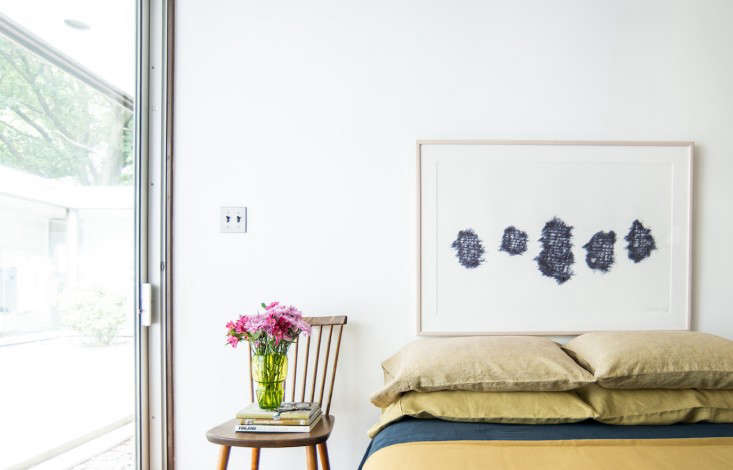
Modernist-inspired linen is what happens when the bed stops being “just where you sleep” and quietly becomes the most composed object in the room. Think clean geometry, breathable European linen, calm color-blocking, and a design attitude that says, “Yes, I own throw pillows, but I will not be emotionally bullied by them.”
When Bedding Starts Thinking Like Architecture
A new linen line inspired by Modernists does not need to shout. It does not need oversized florals, glittering embroidery, or a duvet cover that looks like it was designed during a sugar rush. Its power comes from restraint: a stripe placed exactly where the eye wants it, a block of color that gives the bed structure, and fabric that looks better slightly rumpled than aggressively ironed into submission.
The modernist idea has always been simple but surprisingly hard to pull off: beauty should work. A chair should support the body. A room should breathe. A textile should feel good, last well, and earn its place in daily life. In bedding, that philosophy makes perfect sense. The bed is not a museum pedestal, though some mornings it does display a dramatic sculpture called “person who hit snooze six times.” It is a functional object, a visual anchor, and the place where the day begins and ends.
Modernist-inspired linen bedding takes the logic of architecture and softens it. Where buildings use planes, lines, and proportion, bedding uses seams, panels, folds, and texture. The result is warm minimalism: clean enough for a design lover, relaxed enough for a real human with laundry to fold.
The Design Story: Modernism Meets the Linen Closet
The phrase “inspired by Modernists” brings to mind Bauhaus clarity, Scandinavian calm, midcentury proportion, and the disciplined playfulness of designers such as Alvar Aalto. The best modernist homes were never cold boxes; they were carefully considered spaces where light, material, and everyday function worked together. A good linen line can borrow that same spirit without turning the bedroom into an architecture lecture with pillows.
Modernist bedding usually avoids visual clutter. Instead, it relies on blocks of color, asymmetry, tonal contrast, and measured pattern. A white duvet with a slate border. A pillowcase that reverses from one color arrangement to another. A sheet set in a muted mineral tone. These details do not scream “look at me.” They do something better: they make the entire room look intentional.
Why Linen Is the Right Material for the Job
Linen is made from flax, a natural fiber with a long history in household textiles. It has a dry, tactile hand, an elegant drape, and a habit of softening over time. Unlike fabrics that look their best only when perfectly pressed, linen has built-in permission to relax. Its wrinkles are not flaws; they are personality. In fact, linen may be the only bedding fabric that can look expensive and slightly disobedient at the same time.
For a modernist-inspired collection, linen is especially fitting because it respects both utility and beauty. It is breathable, visually textured, and durable enough for everyday use. It also has a natural casualness that keeps geometric designs from feeling too severe. A sharp color-blocked duvet in crisp synthetic fabric might look stiff. In linen, the same design feels human.
Key Features of a Modernist-Inspired Linen Line
1. Geometry Without the Headache
Modernist linen often uses squares, bands, stripes, and rectangles, but the goal is not to turn your bed into a math worksheet. The geometry should guide the eye and create balance. A contrasting panel across the top of a duvet can visually widen the bed. Vertical stripes can add height. A color-blocked pillowcase can make a simple white sheet set feel curated rather than plain.
2. A Quiet but Confident Color Palette
Expect shades such as chalk white, slate, charcoal, oatmeal, sand, clay, olive, ink, fog blue, and muted plum. These colors work because they are architectural. They resemble plaster, stone, wood, metal, earth, and shadow. That gives the bedding an easy relationship with common bedroom materials: oak floors, black window frames, plaster walls, vintage lamps, woven rugs, and ceramic bedside pieces.
3. Reversible and Layerable Pieces
One of the smartest ideas in modern bedding is reversibility. A duvet or pillowcase with two usable sides gives the bedroom multiple moods without requiring a second linen closet, a second budget, or a second life as a person who has everything organized by season. Reversible pieces also fit modernist thinking because they make one object more functional.
4. European Linen with a Crafted Feel
Many high-quality linen collections highlight European flax or European-woven linen because the region has a deep tradition of flax cultivation and textile production. When paired with careful cutting and stitching, the fabric has a substantial, lived-in feel. The best versions do not feel flimsy or slippery. They feel like something you can keep, wash, use, and slowly love more.
5. Details That Stay Hidden Until You Notice Them
Modernist design loves restraint, and bedding is no exception. Hidden seams, covered buttons, envelope closures, neat hems, and thoughtful proportions matter because they preserve the clean surface of the bed. You may not notice these details immediately, but your room will. Good design is often quiet like that. It improves the atmosphere without asking for applause.
How to Style Modernist Linen Bedding
The easiest way to style modernist linen is to let the bedding lead and make everything else behave. If the duvet has a strong color-blocked panel, keep the sheets simple. If the sheets are a rich earthy tone, use pillowcases in white, gray, or a soft stripe. If the pillowcases carry the graphic punch, choose a calm duvet and add texture through a wool throw or woven blanket.
For a Minimalist Bedroom
Choose white or natural linen sheets, a slate or charcoal duvet, and one accent pillow in a muted color. Pair with a low platform bed, a simple reading lamp, and one piece of art with strong lines. This look works beautifully in apartments because it makes the room feel edited rather than empty.
For a Warm Midcentury Room
Use oatmeal, clay, olive, or rust-toned linen with walnut furniture and brass or black metal accents. Add a striped pillowcase or color-blocked sham to echo the clean lines of midcentury furniture. The trick is to keep the palette warm but not muddy. One rich color is enough; the rest should support it.
For a Scandinavian-Inspired Space
Layer pale linen sheets with a fog-blue or soft gray duvet. Add a natural wool throw and keep the bedside table uncluttered. Scandinavian style thrives on light, texture, and practicality. If the room starts to feel too perfect, place a book on the bed. Congratulations: now it has a personality.
For an Industrial Loft
Linen is an ideal counterweight to concrete, exposed brick, and steel. Use charcoal, white, or deep olive bedding to soften hard surfaces. A modernist linen line can make an industrial bedroom feel less like a stylish parking garage and more like a place where someone actually sleeps.
Why Modernist Linen Bedding Is Trending Now
Design tastes have shifted toward rooms that feel calm, tactile, and personal. People want homes that look considered but not staged. They want natural materials, flexible pieces, and less visual noise. Modernist-inspired linen fits that mood perfectly because it combines simplicity with warmth.
There is also a practical reason for the appeal. Bedding is one of the fastest ways to change a bedroom without painting walls, replacing furniture, or discovering that your “simple weekend makeover” requires three contractors and a loan officer. A graphic linen duvet can refresh the room instantly. A new set of pillowcases can introduce color without commitment. A linen sheet set can change how the bed feels every night.
Modernist design also photographs well, which matters in a world where even breakfast has a public relations strategy. Clean lines, natural light, and textured linen create images that feel relaxed but refined. Still, the best reason to choose this style is not how it looks online. It is how it feels at 10:47 p.m., when the room is quiet, the phone is finally face down, and the bed looks like an invitation instead of a chore.
Buying Guide: What to Look For
Check the Fiber Content
Look for 100 percent linen if you want the classic texture, breathability, and relaxed drape. Linen blends can be useful, especially when mixed with cotton for softness or easier care, but they will not always behave like pure linen. If a product says “linen look,” proceed carefully. That phrase can mean “linen’s distant cousin who once saw flax in a documentary.”
Consider Weight and Seasonality
Lightweight linen feels airy and casual, while medium-weight linen often gives a duvet or sham more structure. For bedding that references modernist architecture, medium-weight linen can be especially effective because it holds shape without looking stiff.
Look for Responsible Certifications
Certifications such as OEKO-TEX Standard 100 can help shoppers identify textiles tested for harmful substances. If sustainability is a priority, also look for clear information about where the flax is grown, where the fabric is woven, and where the bedding is sewn. Transparent brands usually provide more than vague poetry about “nature’s embrace.”
Study the Closures and Seams
Buttons, ties, envelope closures, and hidden seams may seem minor, but they affect both appearance and daily use. A beautiful duvet that constantly spits out its insert is not modernist. It is chaos with a thread count.
Choose a Palette You Can Live With
Modernist linen is meant to last beyond a trend cycle. Before choosing a dramatic color, imagine it with your existing rug, curtains, wall color, and furniture. Slate, natural, white, olive, and clay are usually safe long-term choices. Bright colors can work, but they need confidence and a room that supports them.
Care Tips for Linen Bedding
Linen is durable, but it still benefits from gentle care. Wash it according to the label, avoid overcrowding the machine, and use mild detergent. Cold or warm water is usually safer than very hot water, especially for preserving color and finish. Skip bleach unless the care label specifically allows it, because bleach can weaken fibers and alter tones.
Line drying is lovely if you have the space, but tumble drying on low can also work for many linen pieces. Remove bedding while it is slightly damp to reduce harsh creasing. If you love a crisp look, iron while damp. If you prefer the natural modernist-lazy-genius look, smooth it by hand and let the wrinkles do their charming little dance.
Store linen in a dry, breathable place. Avoid damp closets and airtight plastic storage for long periods. Fabric bags, cotton pillowcases, or open shelving in a clean linen cabinet can help preserve freshness. Also, rotate your sets. Even the most beautiful duvet deserves a day off.
The Bigger Design Lesson
A new linen line inspired by Modernists is not just about bedding. It is about a way of living with fewer, better things. Modernism at its best was never about making homes look empty. It was about making objects useful, honest, and beautiful enough to remain relevant. Linen shares that attitude. It does not pretend to be perfect. It gets softer. It shows texture. It ages with grace.
That is why modernist-inspired linen feels so right for today’s bedrooms. It offers visual order without emotional coldness. It creates comfort without clutter. It turns the bed into a composition, but not the kind you are afraid to sit on. And in a market crowded with decorative noise, that kind of calm is more than a style choice. It is a small domestic luxury.
Experience Notes: Living With a Modernist-Inspired Linen Line
The first thing you notice about modernist linen bedding is not the design. It is the feeling of the fabric. Fresh out of the package, linen can be a little crisp, almost like it is introducing itself formally. After a few washes, it relaxes. The fibers soften, the surface becomes more supple, and the bed starts to look less like a catalog shot and more like a room with a pulse.
In daily life, the best part of a modernist-inspired linen line is how easily it solves the “bedroom looks unfinished” problem. Many bedrooms contain good pieces that do not quite speak to each other: a wood bed frame, a random lamp, a neutral rug, maybe a framed print leaning against the wall because someone has been “meaning to hang it” since last spring. Add a color-blocked linen duvet or sharply striped pillowcases, and suddenly the room has a visual center. The bed becomes the organizing idea.
There is also a surprising emotional effect. A modernist linen bed feels calm without being precious. You do not need to karate-chop twelve pillows or create a hotel-style fold so exact it requires measuring tape. The bedding looks best when it has movement. A slightly rumpled duvet, a folded-back top sheet, and two strong pillowcases can look more sophisticated than a mountain of decorative cushions. This is excellent news for anyone who believes making the bed should not require a project manager.
Another real-life advantage is flexibility. A white and slate duvet can look crisp in summer with bare floors and a single ceramic vase. In winter, the same duvet can handle a wool blanket, a darker throw, and warmer lighting. Linen adapts because it has texture rather than shine. It plays nicely with wood, metal, plaster, rattan, leather, and painted furniture. It even improves rooms that are not especially “designed” yet, which is most rooms if we are being honest.
The only adjustment is accepting linen’s natural wrinkles. If you want bedding that stays perfectly smooth, linen may test your patience. But once you stop treating every crease like a personal insult, the fabric becomes wonderfully easy to live with. It has the relaxed confidence of someone who owns good shoes but does not talk about them.
After living with modernist-inspired linen, the bedroom tends to feel more intentional. Not fancy, not overdecorated, not “please remove your shoes before admiring the duvet.” Just better. The lines are cleaner. The colors feel calmer. The bed looks inviting at night and composed in the morning. That is the quiet magic of this style: it improves the room without making daily life harder.