I used to think “something feels off” was just adult life with a dramatic soundtrack. I was tired, achy, foggy, and annoyingly familiar with the phrase, “Maybe you just need more rest.” But eventually I learned that there is tired, and then there is lupus tiredthe kind that makes your bones feel like they are buffering.
This is my personal view on my lupus diagnosis: part story, part reality check, part reminder that when your body keeps waving red flags, it deserves more than a shrug. Lupus is a complicated autoimmune disease, and getting diagnosed can feel like trying to solve a mystery novel where the clues keep changing outfits. One week it is joint pain. Another week it is a rash. Then fatigue barges in like it owns the place.
Looking back, the diagnosis did not arrive with a movie-style spotlight and a dramatic violin solo. It arrived through a long trail of symptoms, questions, tests, uncertainty, and the slow realization that my body was not “being weird” just for fun. It was asking for help.
When My Symptoms Started Whispering Before They Started Yelling
At first, my symptoms were easy to dismiss. I was exhausted all the time, but not in a cute “I need coffee” way. I mean deep, stubborn fatigue that followed me everywhere. My joints hurt. I would wake up stiff and feel older than my own birth certificate. Some days my fingers puffed up, some days my face looked flushed, and some days I felt like I had the flu without the courtesy of an actual flu.
Then came the patterns. Sunlight seemed to make things worse. I noticed random low fevers, mouth sores, headaches, and stretches of brain fog that made simple tasks feel like advanced algebra. My body became unreliable, which was scary in a quiet, constant way. I started canceling plans more often. I got good at saying, “I’m just tired,” because it was easier than explaining that my whole system felt like it was arguing with itself.
That is one of the hardest parts of lupus symptoms: they can be broad, inconsistent, and frustratingly similar to other health problems. You can feel truly awful and still struggle to explain it in one neat sentence. Lupus does not always show up with one classic sign. It often shows up as a messy collection of clues.
The Diagnosis Process: A Medical Detective Story Nobody Asked For
When I finally started pushing for answers, I imagined there would be one magical test that would reveal everything. Spoiler alert: there is not. Lupus diagnosis usually works more like assembling a puzzle than flipping a switch. My doctors looked at my symptoms, medical history, physical exam, and a stack of lab work that seemed large enough to qualify as required reading.
I learned pretty quickly that no single test can diagnose lupus by itself. An ANA test may be one of the first blood tests doctors use, but a positive ANA alone does not automatically mean lupus. That was both comforting and maddening. Comforting because medicine was being careful. Maddening because I wanted certainty immediately, preferably by lunch.
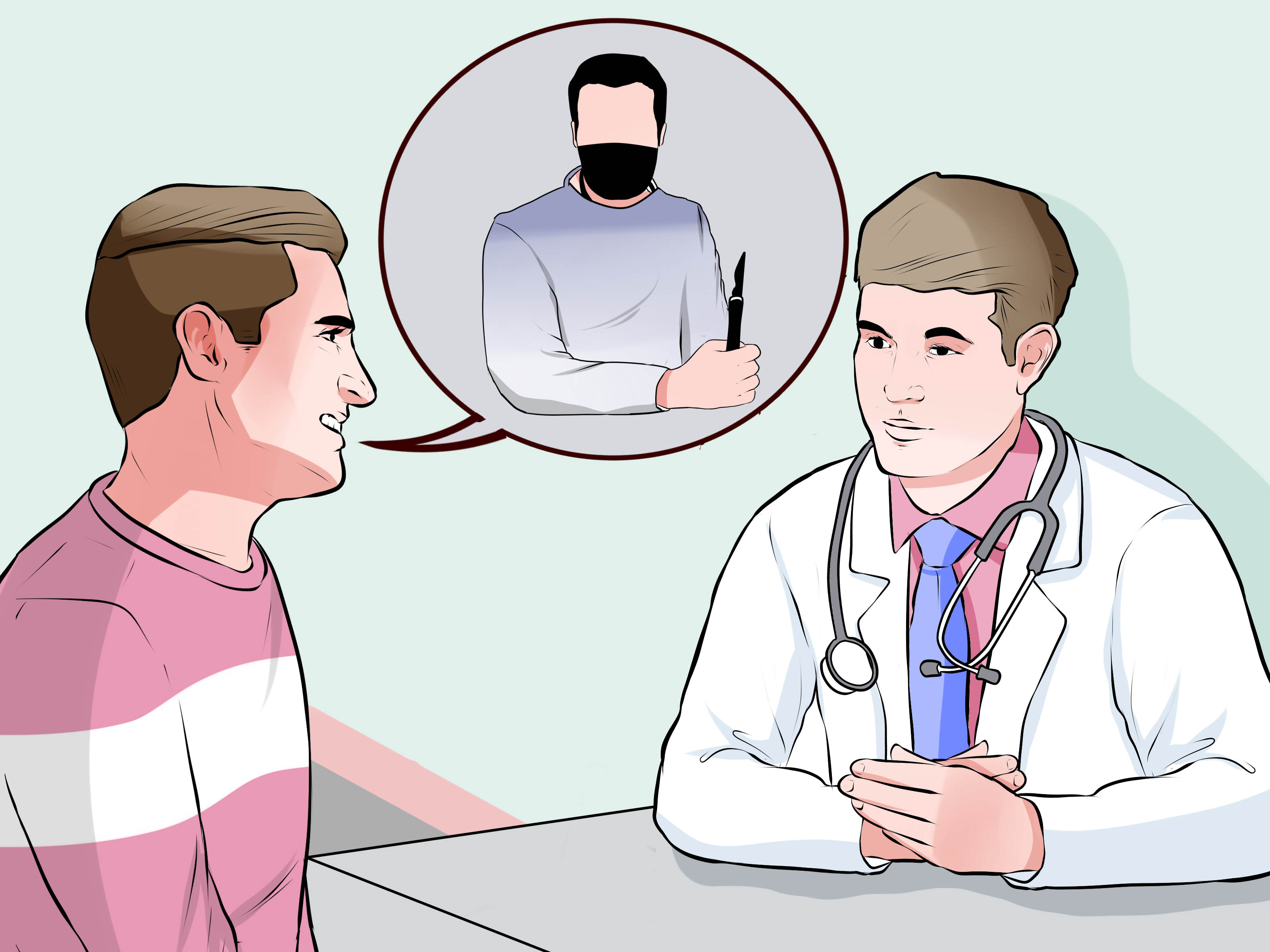
Instead, the diagnosis came from the bigger picture: blood tests, urine tests, symptom history, inflammation markers, antibody testing, and discussions with specialists. My rheumatologist explained that lupus can affect many parts of the body, including the joints, skin, kidneys, heart, lungs, and nervous system. Suddenly, symptoms I had mentally filed under “random nonsense” started forming a logical pattern.
That moment was strange. On one hand, I was relieved. I was not lazy. I was not imagining things. I was not falling apart because I lacked willpower or vitamins or a more cheerful planner. On the other hand, I had just been told I had a chronic autoimmune disease. That is not exactly the kind of validation you celebrate with confetti.
What I Learned About Lupus After the Diagnosis
Once the word lupus entered my life, I started learning fast. Lupus is a chronic autoimmune disease, which means the immune system mistakenly attacks healthy tissue. It can cause inflammation in different organs and systems, which is why symptoms vary so much from person to person. Some people have more skin and joint involvement. Others deal with kidney issues, chest pain, clotting concerns, or neurological symptoms. Lupus does not believe in staying in one lane.
I also learned the language of flares and remission. Lupus symptoms can come and go. You may have periods when the disease is quieter, then suddenly get hit with a flare that reminds you this condition has opinions. That unpredictability changed how I thought about health. Before lupus, I assumed progress would always move in a straight line. After lupus, I learned that healing can be real even when it is uneven.
One of the most eye-opening lessons was that fatigue is not a side note. It is often one of the main events. Lupus fatigue can affect work, relationships, concentration, social life, and basic daily functioning. It is not simply being sleepy. It is the kind of exhaustion that makes you negotiate with a laundry basket like it is a hostile foreign power.
The Emotional Whiplash of Finally Having a Name for It
Getting diagnosed gave me answers, but it did not instantly give me peace. I felt relief, fear, anger, grief, and gratitude in rotating shifts. I was relieved that my symptoms had a name. I was angry that it took so long. I was scared about the future. I grieved the version of myself who could take energy for granted.
I also had to adjust to the weird social reality of chronic illness. When you have lupus, you do not always “look sick.” You may appear fine while your immune system is holding a full-blown protest rally backstage. That invisibility can make you feel isolated. People understand a cast. They understand a fever. They do not always understand a disease that can inflame your joints, drain your energy, fog your brain, and still let you smile through dinner.
So yes, the diagnosis explained my body. But it also forced me to explain my life differentlyto other people and to myself.
My First Big Realization: Management Matters More Than Panic
After the diagnosis, my brain tried to sprint directly into every worst-case scenario. This was not helpful. What actually helped was learning that lupus is serious, but it is also manageable for many people with the right care plan. There is no cure right now, but there are treatments that can reduce symptoms, prevent flares, and lower the risk of long-term damage.
My treatment plan was not a one-size-fits-all package wrapped in inspirational quotes. It was specific to my symptoms and how lupus was affecting my body. That is important. Lupus treatment can include anti-inflammatory medication, antimalarial drugs such as hydroxychloroquine, steroids in some situations, and other immune-targeting medicines when needed. Monitoring matters too. My doctor emphasized follow-up visits, regular lab work, and paying attention to warning signs like swelling, new rashes, chest pain, or changes in urine.
That part was humbling. I could not simply “power through” lupus. I had to participate in my own care. I had to track symptoms, protect my energy, take medications consistently, show up for labs, and stop treating rest like a moral failure.
How Lupus Changed My Everyday Life
Lupus did not only change my medical chart. It changed my calendar, my habits, and my sense of control. I had to learn to pace myself. I had to become almost annoyingly protective of sleep. I had to respect my body’s limits before it enforced them with dramatic flair.
Sun protection became non-negotiable. I learned that photosensitivity is not just an inconvenience for many people with lupus. It can trigger or worsen symptoms. Suddenly I was the person carrying sunscreen, hats, sunglasses, and backup sunscreen like I was preparing for battle against a very bright enemy.
I also had to rethink productivity. Before diagnosis, I measured good days by how much I got done. After diagnosis, I started measuring good days by how well I balanced what I needed with what my body could realistically do. That sounds enlightened and mature, which is unfortunate, because I wanted to remain the kind of person who could overbook a Tuesday and survive on vibes.
Relationships changed too. I had to explain why I might cancel plans, why I could seem energetic one day and wiped out the next, and why “but you looked fine yesterday” was not the helpful observation people thought it was. The people who stayed patient and curious became part of my healing. The people who treated chronic illness like a personality flaw became educational material.
What Helped Me Cope After My Lupus Diagnosis
The first thing that helped was information from trustworthy medical sources, not random internet chaos written at 2 a.m. by someone who thinks every symptom leads to doom. Good information gave me context. It helped me understand testing, treatment, flares, and why lupus can be difficult to diagnose in the first place.
The second thing that helped was support. Lupus can be lonely, especially in the beginning, when you are still learning the vocabulary and trying not to cry in parking lots after appointments. Support groups, patient communities, and lupus education programs reminded me that other people had walked this road before me. I did not need to become an expert overnight. I just needed to keep learning, one appointment and one question at a time.
The third thing that helped was letting go of the idea that being “strong” means pretending nothing hurts. Real strength, I found, looked more like honesty. It looked like emailing my doctor when symptoms changed. It looked like asking for help. It looked like canceling plans without a three-page apology. It looked like saying, “This is hard, and I am still here.”
A More Honest View of Hope
If you had told me before my diagnosis that I would one day write calmly about lupus, I would have laughed and then taken a nap. But here we are. My life did not end when I got diagnosed. It changed. Some changes were hard. Some were necessary. A few were unexpectedly clarifying.
I became more attentive to my body. I became less impressed by toxic productivity. I became better at distinguishing between what is urgent and what only feels urgent. I also became more compassionate toward other people with invisible illnesses, because I now understand how much can be happening behind a normal-looking face.
Hope, for me, is no longer the fantasy that everything goes back to exactly how it was before. Hope is more practical than that. It is good care. It is symptom awareness. It is treatment that works. It is a doctor who listens. It is lab results that stay stable. It is learning that a life with lupus can still be full, meaningful, funny, ambitious, and deeply human.
500 More Words From the Inside of the Experience
There is a moment after a chronic illness diagnosis when the room feels both too small and too large. Too small because suddenly every word from the doctor seems to bounce off the walls and land right on your chest. Too large because your mind immediately starts racing into a future you did not plan for. That was me. I nodded through explanations about autoimmune disease, inflammation, monitoring, and medications, while one tiny part of my brain kept repeating, “Well, this was not on my bingo card.”
In the weeks after my diagnosis, I became very aware of how often healthy people talk about the body as if it is a machine that should obey simple commands. Sleep more. Stress less. Drink water. Try yoga. And listen, I respect water. I have nothing against yoga. But lupus taught me that health is more complicated than good habits and good intentions. Sometimes your immune system misfires even when you are doing your best. Sometimes you can be responsible, careful, motivated, and still sick.
That realization changed how I spoke to myself. Before diagnosis, I was harsh. I called myself lazy when I could not keep up. I blamed myself for canceled plans, unfinished work, and the strange unpredictability of my energy. After diagnosis, I had to rebuild that inner voice. I had to stop treating my symptoms like character flaws. I had to replace judgment with observation. Instead of “Why can’t I handle this?” I began asking, “What is my body telling me today?” That shift may sound small, but it changed everything.
I also noticed that lupus made ordinary routines feel strangely emotional. Taking medication became symbolic. So did applying sunscreen, packing snacks, protecting sleep, and scheduling blood work. These were not just tasks. They were evidence that I was learning to care for myself in a new way. Some days that felt empowering. Other days it felt exhausting. Both reactions were valid.
The social side of lupus surprised me too. People often want chronic illness to behave in a convenient, linear way. They want a diagnosis, a treatment, and then a neat recovery arc. Lupus does not always provide that. Some days I can laugh, work, text back quickly, and feel almost normal. Other days I need rest, quiet, and low expectations. Explaining that fluctuation to others can be harder than explaining the diagnosis itself.
Still, lupus has taught me things I might not have learned otherwise. It taught me that rest is productive when it protects health. It taught me that boundaries are medical equipment in conversational form. It taught me that being informed is not the same as being afraid. And it taught me that softness is not weakness. Adapting is not giving up. Slowing down is not failing. Asking for help is not losing.
So when I think about my lupus diagnosis now, I do not think only about the fear of that day. I think about the clarity that followed. I think about finally having language for what I was experiencing. I think about how powerful it is to be believed, to be treated, and to learn that your life is still yours, even when your body rewrites the terms. Lupus changed my story, yes. But it did not take away my voice. If anything, it made me use it more honestly.
Conclusion
A personal view on my lupus diagnosis is, in the end, a story about getting answers and then learning how to live with them. It is about fatigue that was real, pain that had a cause, and fear that became easier to carry once it had a name. It is about understanding that lupus is complex, that diagnosis can take time, and that treatment is not about perfection but about partnership, monitoring, and persistence.
Most of all, it is about this: a lupus diagnosis can change your life without ending it. You may grieve. You may adapt. You may become a reluctant expert in immune systems, medication schedules, and the emotional significance of a normal lab result. But you can still build a life that feels meaningful and hopeful. Not because lupus is easy, but because you learn how to meet it with knowledge, support, humor, and a stubborn refusal to disappear.