Washi tape is what happens when ordinary masking tape gets a passport, studies design, and returns home with an alarminift wrap, frame a photograph, decorate a dorm wall, or turn a forgotten notebook into something you suddenly feel emotionally obligated to use.
However, not every roll deserves space in your craft drawer. Some tapes are beautifully printed but barely stick. Others cling well but resist clean repositioning. The best washi tape collection balances attractive patterns with practical widths, reliable adhesion, and designs that work across multiple projects.
This washi tape roundup explores the most useful styles, how to choose them, and the projects where each type earns its keep. Consider it a field guide for anyone who has ever purchased twelve floral rolls and later realized that none of them could label a freezer container.
What Is Washi Tape?
Washi tape is a decorative paper-based masking tape associated with Japanese stationery and craft design. Traditional Japanese washi paper is made from plant fibers, although modern products sold under the washi tape label can use different paper blends, printing methods, coatings, and adhesives.
The modern decorative tape category grew from industrial Japanese masking tape. Kamoi Kakoshi, the company behind the well-known mt brand, began developing colorful tape after artists demonstrated creative ways to use its functional masking products. That collaboration helped transform an ordinary workshop supply into a global stationery accessory.
Why Crafters Love It
Compared with plastic office tape, quality washi tape is usually thinner, more flexible, and easier to tear by hand. Its relatively gentle adhesive makes it suitable for temporary layouts and low-commitment decorating. Many varieties are slightly translucent, allowing overlapping colors and patterns to create attractive layered effects.
That gentleness has limits. Adhesion varies among brands, and old paint, delicate paper, unfinished wood, humid rooms, dusty walls, and textured surfaces can all produce unpredictable results. A discreet surface test is always smarter than discovering that your “removable” geometric mural has developed a long-term relationship with the paint.
The Essential Washi Tape Roundup
1. Solid-Color Washi Tape: The Everyday Workhorse
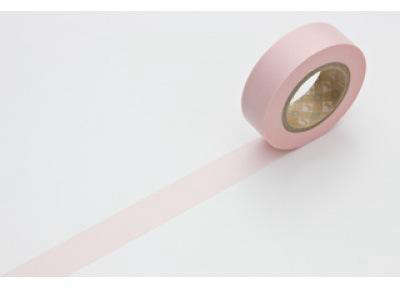
Solid tape may not create the same shopping excitement as a roll covered in tiny foxes wearing scarves, but it is far more versatile. A coordinated set of neutral, pastel, or primary colors can build borders, divide planner sections, color-code supplies, and connect several patterned tapes without making a layout feel chaotic.
Matte solid colors are especially useful for labeling. Choose pale shades when you want to write over the tape with a dark gel pen or permanent marker. Deep colors work well for framing photographs and creating bold geometric wall designs.
A practical starter palette includes black, white, kraft brown, navy, soft gray, blush, green, and one bright accent color. These shades cooperate with most scrapbook papers and seasonal decorations instead of demanding an entirely new supporting cast.
2. Skinny Washi Tape: Tiny Lines, Major Organization
Skinny washi tape is typically used for planner grids, journal dividers, calendars, charts, borders, and detailed paper crafts. It can separate a weekly schedule without consuming valuable writing space, and it creates tidy lines faster than repeatedly drawing them with a ruler.
Thin rolls are also useful for wrapping pens, marking charging cables, outlining gift tags, and adding small metallic details. Because narrow tape can twist or stretch during application, unwind only a short section at a time. Long airborne strips have an impressive ability to attach themselves to sleeves, scissors, table legs, and nearby pets.
3. Wide Washi Tape: Instant Backgrounds
Wide washi tape functions more like decorative paper with its own adhesive. It can cover large areas of a journal page, handmade card, storage box, picture frame, or scrapbook layout without requiring wet glue.
Botanical prints, watercolor washes, maps, book motifs, and scenic illustrations are particularly effective in wide formats because the artwork has room to breathe. Wide tape can also be cut into individual flowers, labels, leaves, or characters, giving one roll several creative identities.
Before purchasing, inspect the repeat length of the design. A beautiful illustration can become awkward when the same large flower appears every few inches and your project requires only half of it.
4. Metallic and Foil Washi Tape: Controlled Sparkle
Metallic washi tape adds shine without releasing loose glitter into every corner of the home. Gold lines can elevate wedding stationery, silver accents suit winter projects, and holographic details bring playful energy to journals and party decorations.
Foil tape works best as an accent rather than a complete visual takeover. Pair one metallic roll with two or three matte designs, or use small pieces to highlight dates, page titles, gift tags, and card edges. Too much reflective tape can make a planner page resemble a tiny luxury casino.
Foil printing quality differs considerably. Check that the metallic areas are crisp, evenly transferred, and resistant to flaking when the tape is bent or torn.
5. Grid, Dot, and Text Washi Tape: Functional Favorites
Grid and dot patterns bridge the gap between organization and decoration. They are ideal for bullet journals, study notes, office labels, recipe binders, and minimalist scrapbooks. Their patterns remain interesting without competing with handwriting or photographs.
Text-based tape can include days of the week, numbers, motivational phrases, travel words, measurements, or short labels. It is useful when the wording matches the project, but highly specific designs can be difficult to reuse. A roll that says “Best Beach Vacation Ever” may spend eleven months per year enjoying paid leave.
6. Floral and Botanical Washi Tape: The Reliable Crowd-Pleaser
Floral tape remains popular because it works for greeting cards, journals, gift wrapping, memory albums, wedding details, and seasonal crafts. Delicate leaves and small blossoms blend easily with other elements, while oversized botanical designs can become the centerpiece of a page.
Look for floral sets that include different scales. One wide statement design, one medium repeating pattern, and one narrow leaf or vine tape offer more flexibility than six rolls carrying nearly identical roses.
7. Seasonal and Novelty Washi Tape: Fun With a Storage Warning
Halloween ghosts, winter snowflakes, birthday candles, school supplies, food illustrations, animals, and licensed characters are difficult to resist. These tapes make fast work of themed cards, party favors, lunch notes, and holiday planners.
The danger is buying more seasonal tape than you can reasonably use. A focused set of two or three designs per celebration is usually enough. Select patterns that can cross seasonal borders: stars work for birthdays and holidays, orange grids can serve autumn and Halloween, and greenery can appear in spring journals or winter gift wrap.
8. Artist and Collector Washi Tape: Small-Roll Artwork
Artist-designed tape often features original illustrations, unusual printing, longer pattern repeats, or coordinated collections. These rolls can be worth the premium for scrapbook focal points, creative journals, pen-pal letters, and collectible stationery displays.
Still, collect with a plan. Tape is most satisfying when it moves from the shelf to an actual project. A beautiful roll kept permanently in plastic is technically a museum exhibit, not a craft supply.
How to Choose Good Washi Tape
Evaluate Adhesion and Repositioning
A reliable roll should attach smoothly to clean paper without curling immediately at the corners. It should also tolerate careful repositioning during layout work. Extremely weak tape may need an additional adhesive, while overly aggressive tape can lift paper fibers or paint.
For walls, furniture, photographs, or keepsakes, test the tape first. Removable does not mean universally harmless, particularly after exposure to heat, moisture, sunlight, or several months of contact.
Check Print Alignment and Opacity
Well-made patterned tape has clean edges, consistent color, and a design aligned with the roll. Slight translucency is a normal feature and can be creatively useful. Place tape over white paper when you want its colors to appear most accurately.
Dark paper can mute pale designs, while overlapping strips can deepen their color. Swatching every new roll in a notebook reveals how it behaves before you commit it to an important page.
Buy Coordinated Widths Instead of Random Multipacks
Large multipacks appear economical, but value disappears when half the designs remain untouched. A smaller collection containing complementary colors and several widths is usually more useful.
For a balanced set, combine narrow functional tape, standard-width decorative tape, and one wide feature roll. Select patterns that coordinate with supplies you already own rather than forcing every project to begin with another shopping trip.
Creative Ways to Use Washi Tape Accessories
- Planners and journals: Create headers, tabs, habit trackers, borders, and temporary note sections.
- Scrapbooks: Anchor photographs, cover paper seams, build backgrounds, or create small flags and photo corners.
- Handmade cards: Form stripes, geometric shapes, candles, letters, frames, and layered decorative panels.
- Gift wrapping: Decorate kraft paper, seal tissue, attach tags, and create reusable color themes without elaborate ribbon.
- Home décor: Make temporary wall patterns, lightweight gallery frames, cabinet accents, or decorative switch plates.
- Organization: Color-code cables, storage bins, notebooks, keys, classroom materials, and household containers.
- Kids’ activities: Build indoor racetracks, decorate paper shapes, create collages, and mark play areas with minimal mess.
For projects exposed to frequent handling or moisture, decorative tape may require a compatible clear sealer. Test first, because a topcoat can darken paper, alter metallic finishes, or cause ink to bleed.
Storage That Keeps the Collection Usable
Washi tape should be visible enough to inspire use but protected from dust, heat, and direct sunlight. Clear drawers, shallow trays, dowel organizers, divided boxes, and small desktop dispensers all work well.
Organize rolls by color, width, season, or purpose. Functional crafters may prefer categories such as planner, labels, holidays, and gift wrap. Visual thinkers often work faster with a rainbow arrangement.
Keep frequently used neutrals within reach and store highly seasonal designs separately. A swatch book is also helpful. Apply a short sample of every roll, record the brand when known, and group pages by color or theme. The book prevents duplicate purchases and makes planning much faster than rummaging through a container containing 83 suspiciously similar shades of beige.
Common Washi Tape Mistakes
The first mistake is applying tape to a dusty or oily surface. Even excellent adhesive cannot negotiate with kitchen grease. Clean and dry non-paper surfaces before decorating.
The second is stretching tape during application. Pulling too firmly can cause narrow strips to shrink back, lift at the ends, or distort printed patterns. Guide the tape gently and smooth it from one end to the other.
The third is expecting decorative tape to perform structural repairs. Washi tape can close a small envelope or hold a lightweight photograph, but it should not replace packing tape, mounting tape, electrical tape, or archival repair materials.
Finally, avoid assuming every roll is acid-free or photograph-safe. For valuable photographs and irreplaceable documents, use products specifically labeled for archival applications or place the washi tape on a protective sleeve rather than directly on the original.
Experience Notes: What Crafters Learn After Using Washi Tape Regularly
The first lesson most crafters discover is that a restrained collection is easier to use than an enormous one. Twenty coordinated rolls can support more finished projects than a hundred unrelated designs. When every tape has a clear rolelabeling, borders, highlights, backgrounds, or seasonal decorationchoosing one becomes quick instead of turning into a small stationery referendum.
A practical project test often begins with a weekly planner. Skinny grid tape creates clean divisions, a muted solid marks appointments, and one patterned roll highlights personal events. This combination keeps the page functional. Using five loud prints at once may look cheerful before writing begins, but after appointments, tasks, arrows, and corrections arrive, the page can resemble a bulletin board during a windstorm.
Gift wrapping reveals another advantage. Plain kraft paper paired with two coordinating tapes often looks more intentional than expensive printed wrap. A broad botanical strip can become the main feature, while narrow metallic tape supplies a polished edge. The package is quick to assemble, easy to personalize, and less dependent on perfect bow-tying skills.
Wall decorating teaches the importance of testing. On smooth, clean paint, good tape may create lightweight frames or geometric patterns that can be adjusted during installation. On textured walls, the same tape may lift overnight. On older painted surfaces, removal can occasionally disturb a weak finish. Experienced decorators therefore test a short strip in a hidden area and leave it for several days before building an entire mural.
Paper crafting demonstrates how much the background changes a tape’s appearance. A translucent pastel can look crisp on white cardstock, subdued on kraft paper, and almost invisible on dark blue. A simple swatch card prevents disappointment. It also reveals which pens can write over each tape without smearing.
Another useful discovery is that torn and cut edges create different moods. Hand-torn pieces feel casual, layered, and journal-like. Scissor-cut strips appear polished. A craft knife and ruler produce sharp architectural lines for modern cards or miniature frames. The tape is the same; the edge treatment changes the personality.
Storage habits influence actual use more than expected. Rolls hidden in a deep bin are frequently forgotten, while a shallow tray encourages experimentation. Keeping a small working selection on the desk and rotating it monthly can make old designs feel new again. Seasonal tapes should return to storage after the event, or tiny snowmen may begin appearing on July grocery lists simply because they were nearby.
The final lesson is to permit imperfection. Washi tape is forgiving precisely because it can often be lifted and repositioned. Slightly uneven layers, torn ends, and overlapping patterns contribute to its handmade appeal. The goal is not to produce a factory-calibrated stripe every time. The goal is to make everyday objects more useful, personal, and enjoyable without requiring an advanced degree in adhesives.
Final Verdict
The best washi tape accessories combine beauty with a practical purpose. Solid and skinny rolls handle everyday organization, wide designs create instant backgrounds, metallic tapes supply controlled shine, and florals or novelty prints bring personality to special projects.
Start with a small coordinated palette, add widths according to how you craft, and test unfamiliar tape before using it on delicate surfaces. Most importantly, use the rolls. Decorate the notebook, wrap the gift, build the photo wall, or label the mysterious cable under the desk. Washi tape is inexpensive creative permission in roll formand it performs best outside the packaging.
Note: Always test washi tape on a hidden area before applying it to painted, delicate, valuable, or long-term display surfaces.