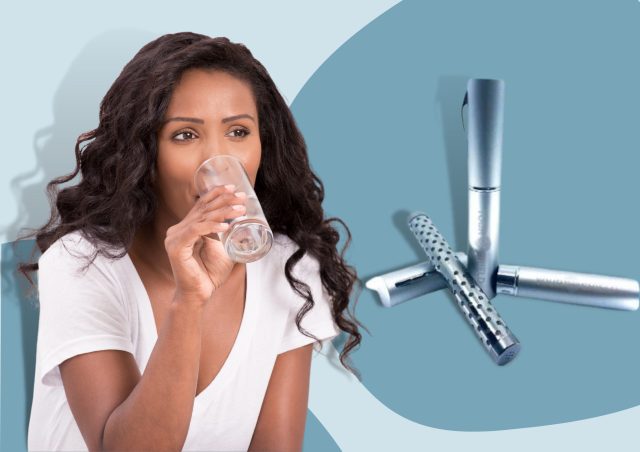
There are two kinds of people in the kitchen aisle: those who buy a water bottle, and those who inspect a tiny stainless-steel stick like it might unlock the secrets of eternal youth. The alkaline ionizer hydrogen water stick lives right in that second category. It is small, portable, usually inexpensive, and marketed as a clever way to turn ordinary drinking water into alkaline, mineralized, hydrogen-rich water without buying a full countertop ionizer that costs as much as a weekend getaway.
But does an alkaline hydrogen water stick actually work? Is it worth buying in 2024? And more importantly, should consumers trust the glowing claims about energy, detox, anti-aging, better hydration, and “balanced body pH”? This review takes a practical, consumer-first look at what these sticks do, what they may not do, and how to shop without falling face-first into the wellness marketing fountain.
What Is an Alkaline Ionizer Hydrogen Water Stick?
An alkaline ionizer hydrogen water stick is a portable water accessory designed to sit inside a bottle, pitcher, or glass container. Most versions look like a slim stainless-steel tube with small holes. Inside, they commonly contain materials such as magnesium, calcium-based minerals, ceramic balls, tourmaline, activated carbon, or other mineral media. The idea is simple: drop the stick into water, wait a few minutes or hours depending on the product instructions, and the water may become more alkaline while picking up trace minerals and, in some cases, dissolved molecular hydrogen.
These sticks are different from electric water ionizer machines. A countertop ionizer uses electrolysis and usually connects to a faucet. A stick is passive. No plug. No touchscreen. No dramatic beeping. Just a small tube quietly doing its thing in your bottle like a tiny spa employee on lunch break.
How Does a Hydrogen Water Stick Work?
The basic process depends on the materials inside the stick. Magnesium is often used because it can react with water and influence alkalinity. Mineral media may raise pH by adding alkaline minerals. Some sticks also claim to reduce oxidation-reduction potential, usually called ORP, and create hydrogen-rich water. In plain English, the product is trying to make your water less acidic and more mineralized.
However, performance can vary widely. One stick may raise water from neutral pH to a mildly alkaline range. Another may barely move the needle. A third may push pH too high if left soaking overnight. Tap water chemistry also matters. Hard water, soft water, filtered water, bottled water, temperature, contact time, and bottle size can all change the result. That is why serious buyers should treat pH claims as testable, not magical.
Alkaline Water vs. Hydrogen Water: Not the Same Thing
Many shoppers mix up alkaline water and hydrogen water, but they are not identical. Alkaline water refers mainly to pH. A pH above 7 is alkaline, and many commercial alkaline waters sit around 8 or 9. Hydrogen water refers to water containing dissolved molecular hydrogen gas, also written as H2. A product can be alkaline without much dissolved hydrogen, and hydrogen-rich water does not have to be extremely alkaline.
This matters because the health claims are different. Alkaline water is often marketed for “balancing acidity,” while hydrogen water is usually promoted for antioxidant and exercise-recovery support. The evidence for both categories is still developing, and neither should be treated as a cure, treatment, or replacement for plain safe drinking water.
What Real Consumer Reviews Usually Praise
Positive alkaline ionizer hydrogen water stick reviews often mention three things: convenience, taste, and price. Users like that the stick can be tossed into a reusable bottle, used at work, packed for travel, or left in a pitcher overnight. Compared with bottled alkaline water, the cost per serving can be much lower once the stick has been purchased.
Many reviewers also say the water tastes smoother. That may happen when chlorine odor is reduced, minerals are added, or the water simply sits long enough to lose some tap-water sharpness. Some buyers enjoy the ritual: fill bottle, drop in stick, wait, shake, sip, feel organized. Hydration habits are partly behavioral, and if a small gadget encourages someone to drink more water instead of soda, that is a real-world win.
What Negative Reviews Usually Complain About
Not every review is a five-star hydration parade. Common complaints include slow results, weak pH changes, metallic taste, confusing instructions, residue inside the bottle, and uncertainty about replacement timing. Some users also report that the stick works at first but seems less effective after a few weeks or months.
Another issue is vague labeling. A good product should clearly explain what is inside the stick, how long it lasts, how to clean it, what type of water to use, and what test results support the claims. If a seller promises “detox,” “disease prevention,” “body pH correction,” or “anti-aging miracles” but cannot provide basic product data, that is not wellness. That is marketing wearing a lab coat from a costume shop.
Does Science Support the Health Claims?
The most honest answer is: partially, cautiously, and not as strongly as many ads suggest. Research on hydrogen-rich water has grown, and some early studies have explored possible effects on exercise fatigue, oxidative stress, metabolism, inflammation, and recovery. A 2024 systematic review found promising areas of interest, but it also emphasized the need for larger, better-designed studies before strong conclusions can be made.
Alkaline water claims are less convincing. Major medical sources generally say that for most healthy people, alkaline water is not clearly better than plain water. The human body already regulates blood pH tightly through the lungs and kidneys. Drinking alkaline water does not simply “change your body from acidic to alkaline.” Your stomach acid is also very good at neutralizing things. It has been practicing for your entire life and does not get intimidated by fancy water.
Potential Benefits: What Seems Reasonable?
1. Better Hydration Habits
The strongest practical benefit may be habit-based. If the stick makes water more appealing and you drink more water because of it, that can help your daily hydration routine. The benefit comes from drinking enough water, not necessarily from turning your bottle into a miniature science fair.
2. Improved Taste
Some sticks may improve taste by reducing unpleasant odor or adding minerals. This is not guaranteed, but many buyers report smoother water. Taste is subjective, so your tongue gets a vote.
3. Lower Plastic Bottle Use
If you currently buy alkaline bottled water every week, a reusable stick may reduce plastic waste and save money. This benefit is environmental and financial, not medical.
4. Possible Hydrogen-Water Effects
Hydrogen-rich water research is interesting, especially around exercise performance and oxidative stress. Still, a passive stick may not generate or preserve hydrogen as reliably as specialized hydrogen water bottles or tablets. Hydrogen gas can dissipate quickly, so timing matters.
Risks and Safety Concerns
For most healthy adults, mildly alkaline water is unlikely to be a major problem when consumed in moderation. But “more alkaline” does not automatically mean “more healthy.” Very high-pH water may taste slippery or soapy and can cause digestive discomfort for some people. People with kidney disease, heart conditions, mineral restrictions, or medication concerns should talk with a healthcare professional before regularly drinking highly mineralized or high-pH water.
Consumers should also be careful about unknown materials. A low-quality stick may contain mystery media, poor welds, rust-prone metal, or fillers that are not clearly identified. Choose food-grade stainless steel, transparent ingredient labeling, and third-party testing when available.
How to Review an Alkaline Hydrogen Water Stick Like a Smart Consumer
Before buying, look beyond the star rating. A product with hundreds of enthusiastic comments may still lack meaningful testing. Use the checklist below to judge whether a stick deserves space in your bottle.
Check the Materials
Look for food-grade stainless steel, clearly named mineral media, and no vague “energy stone” language without explanation. If the brand will not tell you what is inside, your wallet should quietly walk away.
Look for Third-Party Certification
Certifications from recognized testing organizations matter, especially for water-treatment products. NSF, WQA, and IAPMO listings can help verify certain contaminant-reduction or material-safety claims. Not every alkaline stick will have certification, but a brand should at least provide credible lab data.
Test the pH Yourself
Affordable pH strips or a calibrated pH meter can show whether the stick changes water pH. Test before and after use. Also test at different times: 10 minutes, 30 minutes, two hours, and overnight. This gives you a realistic view instead of relying on the product photo where everything looks like it was blessed by a chemistry angel.
Do Not Confuse pH With Purification
A hydrogen water stick is not automatically a purifier. Unless the product is specifically certified for contaminant reduction, do not assume it removes lead, PFAS, bacteria, pesticides, arsenic, nitrates, or other health-related contaminants. If your tap water has known safety issues, use a properly certified filter or follow local water guidance.
Watch the Replacement Schedule
Mineral media wears out. If a stick claims to last forever, be skeptical. Most products should provide an estimated lifespan based on gallons, months, or bottle refills.
Best Use Cases in 2024
An alkaline ionizer hydrogen water stick makes the most sense for people who already drink safe water and want a low-cost way to experiment with taste, pH, and mineralized water. It is also useful for travelers, office workers, gym-goers, and anyone trying to reduce bottled-water spending.
It is not the best solution for people who need serious filtration. If your main concern is lead, PFAS, chlorine byproducts, bacteria, or well-water contamination, a certified filtration system is a smarter first purchase. Think of the stick as an enhancement tool, not a water-safety superhero.
Buying Guide: What Features Matter Most?
The best alkaline ionizer hydrogen water stick should be easy to clean, clearly labeled, made with safe materials, and supported by realistic claims. It should fit standard bottles, avoid leaking media, and include simple instructions. Bonus points go to brands that publish lab reports showing pH change, mineral release, and hydrogen concentration over time.
Price matters too. Many sticks are affordable, but extremely cheap multi-packs can be risky if the materials are unclear. On the other hand, paying a premium does not guarantee performance. The sweet spot is a product that offers transparency, decent build quality, and measurable results without promising that your water bottle will become a medical clinic.
Consumer Verdict: Is It Worth It?
For the average consumer, an alkaline ionizer hydrogen water stick can be worth trying if expectations are realistic. It may improve taste, encourage more water drinking, reduce bottled-water purchases, and slightly raise pH. That is enough for some people.
However, it is not a miracle device. It should not be marketed or used as a treatment for disease. The strongest claims around alkaline water remain weak, and hydrogen-water research, while interesting, is still developing. The smartest review score is not “amazing” or “useless.” It is more like: useful for convenience, questionable for bold health claims, and best purchased from a transparent brand.
Personal Experience-Style Notes: Living With an Alkaline Hydrogen Water Stick
Using an alkaline hydrogen water stick feels less dramatic than the ads make it sound. Nobody opens the bottle and hears a choir. The real experience is quieter: you fill a bottle, drop in the stick, wait, and drink. The first thing many people notice is taste. If your tap water has a slight chlorine smell, letting water sit with a mineral stick may make it seem smoother. The change is not always huge, but it can be pleasant enough that you reach for water more often.
The most practical routine is to use filtered tap water first, then add the stick. That way, you are not asking a tiny tube to do the job of a certified filter. For example, fill a one-liter glass bottle in the evening, place the stick inside, and leave it in the refrigerator overnight. In the morning, the water may taste cleaner and softer. If you use pH strips, you may see a shift upward, though results vary. The fun part is testing different soak times. Ten minutes might do very little. Two hours may do more. Overnight can sometimes push the pH higher than you expect, so testing is useful.
Cleaning matters more than people think. Any object sitting in a damp bottle can become grimy if ignored. Rinse the stick regularly, follow the brand instructions, and clean the bottle thoroughly. A glass bottle is often easier to keep fresh than a plastic one. If the water starts tasting metallic, earthy, or odd, stop using the stick until you inspect and clean it. Hydration should not taste like you licked a toolbox.
Travel is where the stick feels most convenient. It takes almost no space, weighs very little, and can turn ordinary bottled or filtered water into something that feels more customized. At the gym, it can also become a small motivation tool. People often drink more water when the bottle feels special. That may sound silly, but behavior is part of wellness. A bottle you enjoy using is better than a perfect hydration plan you ignore.
The biggest disappointment comes when expectations are too high. If you expect instant energy, glowing skin by Friday, or a complete transformation of your health, you will probably be annoyed. If you expect a reusable, affordable water accessory that may improve taste and slightly change pH, you may enjoy it. The best experience is curious but skeptical: test it, taste it, track how much water you drink, and decide based on results you can actually observe.
In everyday use, the alkaline ionizer hydrogen water stick is less like a medical breakthrough and more like a reusable kitchen gadget. It can be useful, but it deserves a humble job description. Let it help you enjoy water. Do not let it replace medical advice, certified filtration, or common sense. Common sense, sadly, does not come in stainless-steel stick form yet.
Conclusion
The alkaline ionizer hydrogen water stick is one of those wellness products that sits between genuinely useful and wildly overpromoted. In 2024, the best consumer approach is balanced: appreciate the convenience, test the pH, verify materials, avoid disease-cure claims, and remember that safe plain water is already excellent. If a stick helps you drink more water and spend less on bottled alkaline water, it can earn its place. If it promises to rewrite human biology, put the lid back on your wallet.