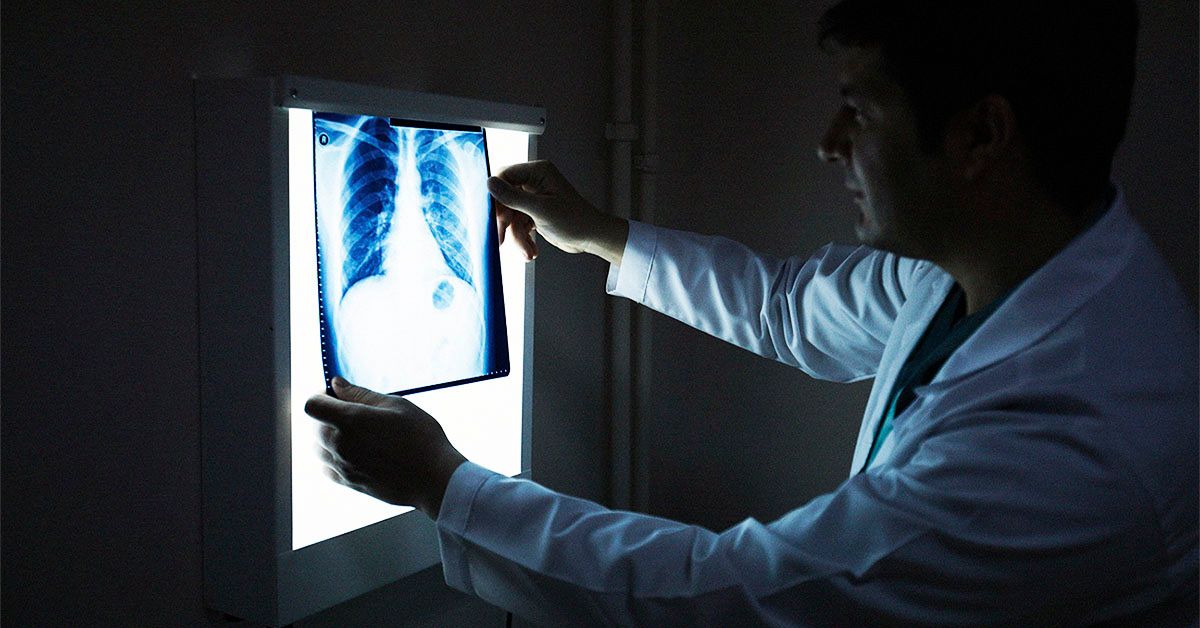
Lung cancer is not one single disease wearing one oversized trench coat. It is a group of cancers that begin in the lungs, behave differently under a microscope, spread at different speeds, and respond to different treatments. That is why a diagnosis usually comes with several important questions: What type is it? What stage is it? Has it spread? Does it have a specific genetic change? And, perhaps most importantly, what is the smartest treatment plan for this particular person?
Modern lung cancer care is more personalized than ever. Surgery, radiation, chemotherapy, immunotherapy, targeted medicines, and supportive care can all play a role. The best path depends on the cancer type, how far it has spread, the patient’s overall health, lung function, and tumor biomarkers.
What Is Lung Cancer?
Lung cancer begins when abnormal cells in the lung grow out of control. Healthy cells normally divide, repair themselves, and retire when their work is done. Cancer cells ignore that polite workplace etiquette. They keep multiplying, form tumors, and may invade nearby tissues or travel through the bloodstream or lymphatic system to other parts of the body.
The lungs are responsible for bringing oxygen into the body and removing carbon dioxide. Because they are filled with airways, blood vessels, lymph nodes, and delicate tissue, a lung tumor can affect breathing, energy levels, circulation, and comfort in several ways. Some tumors grow slowly, while others move with the urgency of a toddler who has spotted an unattended cookie jar.
The Main Types of Lung Cancer
Lung cancers are generally divided into two major groups: non-small cell lung cancer and small cell lung cancer. Knowing the category matters because each type has different patterns of growth, staging systems, and treatment strategies.
Non-Small Cell Lung Cancer
Non-small cell lung cancer, often shortened to NSCLC, is the most common category of lung cancer. It accounts for most diagnoses and includes several subtypes that may look different under a microscope but are often treated using similar overall approaches.
Adenocarcinoma
Adenocarcinoma is the most common subtype of non-small cell lung cancer. It usually starts in cells that make mucus or line the outer areas of the lungs. It can occur in people who smoke, used to smoke, or have never smoked.
This type is especially important in modern cancer care because adenocarcinomas are more likely to have certain genetic changes, also called driver mutations or biomarkers. These can include changes involving genes such as EGFR, ALK, ROS1, KRAS, BRAF, MET, RET, and others. When a tumor has a treatable biomarker, targeted therapy may be an option.
Squamous Cell Carcinoma
Squamous cell carcinoma often begins in flat cells lining the larger airways near the center of the lungs. It has a strong association with smoking and may develop after years of exposure to tobacco smoke. Because it tends to grow closer to major airways, it may cause symptoms such as a persistent cough, wheezing, chest discomfort, or coughing up blood.
Treatment can include surgery, radiation, chemotherapy, immunotherapy, or a combination of these options. The exact plan depends on whether the cancer is localized, involves nearby lymph nodes, or has traveled to distant organs.
Large Cell Carcinoma
Large cell carcinoma is a less common form of non-small cell lung cancer. It may develop in any part of the lung and can grow more quickly than some other NSCLC subtypes. In many cases, doctors use detailed pathology and molecular testing to classify tumors more precisely than they could in the past.
In other words, “large cell” is no longer always the final word. As testing improves, some tumors once placed in this broad category can be assigned to a more specific subtype, which may open the door to more tailored treatment.
Small Cell Lung Cancer
Small cell lung cancer, or SCLC, is less common than non-small cell lung cancer but is usually more aggressive. It often grows quickly and may spread early to lymph nodes, bones, the liver, the brain, or other areas of the body. Smoking is the major risk factor for this type.
Doctors commonly classify small cell lung cancer as either limited-stage or extensive-stage. Limited-stage disease is confined to one side of the chest and can often be treated within a single radiation field. Extensive-stage disease has spread more widely.
Because small cell lung cancer often spreads early, surgery is less commonly used than it is for NSCLC. Treatment more often includes chemotherapy combined with radiation therapy, immunotherapy, or both.
Rare Lung Tumors
Not every tumor in the lung fits neatly into the NSCLC or SCLC categories. Rare lung cancers can include carcinoid tumors, certain sarcomas, lymphomas, and other unusual growths. Carcinoid tumors tend to grow more slowly than typical lung cancers, although their treatment still depends on size, location, symptoms, and whether they have spread.
It is also important to distinguish primary lung cancer from cancer that began somewhere else and later spread to the lungs. For example, breast, colon, kidney, or melanoma cancer can metastasize to lung tissue. That is not considered primary lung cancer, and the treatment plan is based on the original cancer type.
What Causes Lung Cancer?
Lung cancer does not always have one simple cause. It usually develops after a combination of genetic changes and environmental exposures damages cells over time. Some risk factors are preventable, while others are outside a person’s control.
Smoking and Tobacco Exposure
Smoking cigarettes remains the leading cause of lung cancer. Tobacco smoke contains many cancer-causing chemicals that can damage DNA in lung cells. Cigars, pipes, and other tobacco products can also increase risk. The longer and more heavily a person smokes, the higher the risk tends to be.
However, quitting matters at every age. The body begins to recover after smoking stops, and the risk of lung cancer gradually declines over time. It may not disappear completely, but quitting is still one of the most powerful health decisions a person can make.
Secondhand Smoke
Breathing other people’s smoke can also increase lung cancer risk. Secondhand smoke is not merely an unpleasant perfume called “barbecue jacket and regret.” It contains harmful chemicals and can affect adults, children, coworkers, and household members.
Radon Exposure
Radon is a colorless, odorless radioactive gas that can enter homes through cracks in floors, foundations, and walls. It can build up indoors, especially in certain geographic regions. Testing a home for radon is simple and can identify a preventable source of exposure.
Radon exposure is particularly concerning for people who smoke because the combined risk is much higher than either exposure alone.
Workplace and Environmental Exposures
Some occupations involve exposure to materials that can raise lung cancer risk. These may include asbestos, diesel exhaust, arsenic, chromium, silica, nickel, and certain industrial chemicals. Workers in construction, mining, manufacturing, shipbuilding, transportation, and some other industries may need protective equipment and workplace safety monitoring.
Air pollution may also contribute to risk, especially when exposure is long-term. While no one can bubble-wrap the entire planet, reducing smoke exposure, improving workplace safety, and supporting clean-air policies can make a meaningful difference.
Family History and Genetic Factors
A family history of lung cancer may raise risk, particularly when close relatives were diagnosed at younger ages. Some inherited traits can make it easier for cells to develop cancer-related changes. Still, many lung cancers are caused by acquired mutations that develop over a person’s lifetime rather than genes passed down through a family.
Common Signs and Symptoms of Lung Cancer
Lung cancer does not always cause symptoms early. When symptoms do appear, they can be mistaken for bronchitis, allergies, asthma, a lingering cold, or the general misery of pollen season. That is why persistent symptoms deserve attention.
- A cough that does not go away or becomes worse
- Coughing up blood, even a small amount
- Chest pain that worsens with breathing, coughing, or laughing
- Shortness of breath, wheezing, or hoarseness
- Repeated respiratory infections, such as pneumonia or bronchitis
- Unexplained weight loss, reduced appetite, or ongoing fatigue
- Bone pain, headaches, swelling in the face or neck, or neurologic symptoms if cancer has spread
These symptoms do not automatically mean someone has lung cancer. Many conditions can cause them. But they are worth discussing with a clinician, especially for people with a smoking history, known radon exposure, or other risk factors.
How Lung Cancer Is Diagnosed
Diagnosis often begins with imaging. A chest X-ray may reveal an abnormal area, but a CT scan provides more detail. Doctors may also use PET scans, MRI scans, bone scans, or other imaging tests to determine whether cancer may have spread.
A biopsy is usually needed to confirm the diagnosis. During a biopsy, a doctor removes a small sample of tissue or cells for testing. This may be done through bronchoscopy, a needle biopsy guided by imaging, surgery, or another procedure depending on the tumor’s location.
The pathology report identifies the cancer type. For many cases of non-small cell lung cancer, the tumor is also tested for biomarkers. These tests look for specific gene changes, proteins, or other features that may help guide treatment. Biomarker testing is one reason two people with the same stage of lung cancer may receive different medicines.
Understanding Lung Cancer Stages
Staging describes how far cancer has spread. In non-small cell lung cancer, stages generally range from stage 0 through stage IV. Lower stages usually mean the cancer is confined to the lung or nearby tissue. Higher stages indicate more extensive spread.
Doctors consider tumor size, lymph node involvement, and whether cancer has spread to distant organs. This is often called the TNM system: tumor, nodes, and metastasis. It sounds like a cable channel, but it is actually a detailed map that helps the care team decide whether surgery, radiation, medication, or a combination is most appropriate.
Treatment Options for Lung Cancer
Lung cancer treatment is rarely a one-size-fits-all situation. A multidisciplinary team may include a thoracic surgeon, medical oncologist, radiation oncologist, pulmonologist, pathologist, radiologist, oncology nurse, social worker, nutrition specialist, and palliative care clinician.
Surgery
Surgery is most often used for early-stage non-small cell lung cancer when the tumor can be safely removed. Depending on the case, a surgeon may remove a small section of the lung, an entire lobe, or occasionally a whole lung.
Some patients receive chemotherapy, immunotherapy, targeted therapy, or radiation before surgery to shrink the tumor. Others may receive additional treatment after surgery to reduce the chance of recurrence.
Radiation Therapy
Radiation therapy uses high-energy beams to damage cancer cells. It may be used as the main treatment when surgery is not possible, combined with chemotherapy for locally advanced cancer, or used to relieve symptoms caused by tumors in the chest, bones, brain, or other areas.
For small tumors in patients who cannot undergo surgery, a highly focused form of radiation called stereotactic body radiation therapy may be considered. This allows doctors to target a tumor with precision while limiting exposure to nearby healthy tissue.
Chemotherapy
Chemotherapy uses medicines that travel through the bloodstream to kill rapidly dividing cancer cells. It can be given before surgery, after surgery, with radiation, or as treatment for advanced disease.
Side effects vary depending on the drugs used but may include fatigue, nausea, appetite changes, hair loss, reduced blood counts, infection risk, and numbness or tingling in the hands and feet. Oncology teams now have many strategies to prevent or manage side effects, so patients should report symptoms instead of trying to tough them out like a superhero in a poorly fitted cape.
Targeted Therapy
Targeted therapy focuses on specific genetic changes or proteins that help cancer grow. These drugs may be pills or intravenous treatments. They can be especially useful in some non-small cell lung cancers with alterations such as EGFR, ALK, ROS1, BRAF, MET, RET, KRAS, or HER2.
Targeted treatment is not based on whether a tumor “looks serious.” Every lung cancer is serious. It is based on whether testing shows a particular biological target that the medicine can attack.
Immunotherapy
Immunotherapy helps the immune system recognize and fight cancer cells more effectively. Some drugs block checkpoint proteins, which are like brakes that can keep immune cells from attacking tumors. Releasing those brakes can allow the immune system to respond more strongly.
Immunotherapy may be used alone or with chemotherapy, depending on cancer type, stage, biomarker results, and overall health. It can be highly effective for some people, but it can also cause immune-related side effects affecting organs such as the lungs, thyroid, skin, liver, or intestines.
Palliative and Supportive Care
Palliative care is not the same as giving up. It is specialized support for symptoms, stress, pain, shortness of breath, fatigue, sleep problems, emotional strain, and practical challenges. It can be used at any stage of lung cancer, including during treatment intended to cure or control the disease.
Supportive care may include pulmonary rehabilitation, nutrition counseling, oxygen support when needed, help with smoking cessation, pain management, counseling, and assistance for caregivers. The goal is not merely to add days to life, but to add more life to the days that matter.
Lung Cancer Screening and Prevention
For people at high risk, annual low-dose CT screening can detect lung cancer before symptoms begin. In the United States, screening is generally recommended for adults ages 50 to 80 who have at least a 20-pack-year smoking history and currently smoke or quit within the past 15 years. A clinician can help determine whether screening is appropriate based on individual health history and local insurance requirements.
Prevention also includes avoiding tobacco, seeking help to quit smoking, testing homes for radon, limiting secondhand smoke exposure, following workplace safety rules, and using protective equipment around hazardous materials.
Experiences Related to Lung Cancer: What Patients and Families Often Face
A lung cancer diagnosis can feel like being handed a map in a language nobody taught you. Suddenly there are appointments, scans, pathology reports, treatment names that sound like science-fiction characters, and decisions that may need to be made faster than anyone would prefer. Patients often describe the first few weeks as a blur of phone calls, medical terminology, and waiting for results.
One of the most difficult parts can be uncertainty. A person may know they have “lung cancer” but not yet know the subtype, stage, or biomarker results. Those details matter. It is normal to feel impatient while waiting for testing, but the information gathered during this period helps doctors avoid treating the wrong cancer in the wrong way. In modern oncology, a few extra days spent understanding the tumor can shape months or years of treatment decisions.
Many patients also wrestle with guilt, especially if they have smoked. It is important to say this clearly: cancer care is not a courtroom. People deserve compassionate treatment regardless of smoking history, age, occupation, or past choices. Lung cancer can occur in people who never smoked, former smokers, and current smokers. Blame does not improve treatment, but information, support, and skilled medical care do.
Family members often become unofficial project managers. They may take notes during appointments, organize medication lists, drive to treatment, research side effects, manage meals, and quietly worry at 2 a.m. Caregivers need support too. Asking another family member to handle meals, transportation, insurance calls, or childcare can reduce burnout and make the care experience more manageable.
Patients frequently find that writing down questions before appointments is helpful. Useful questions may include: What exact type of lung cancer do I have? What stage is it? Has biomarker testing been done? What is the goal of treatment? What side effects should I report immediately? Is a second opinion appropriate? Are clinical trials available?
Emotional health is also part of cancer care. Anxiety, anger, sadness, sleep problems, and fear of recurrence are common. Counseling, support groups, spiritual care, social workers, and peer communities can help people feel less isolated. Some patients find comfort in focusing on practical goals: walking a little more each week, eating enough protein, attending treatment with a trusted person, or celebrating a scan that shows stability.
There is no single “right” way to experience lung cancer. Some people want every detail; others want the big picture. Some lean on family, while others need quiet space. The most useful approach is one that respects the patient’s values, supports informed choices, and keeps quality of life at the center of the plan.
Conclusion
Understanding the different types of lung cancer helps explain why treatment is so individualized. Non-small cell lung cancer, small cell lung cancer, and rarer lung tumors each have their own behavior patterns and treatment possibilities. Advances in surgery, radiation, biomarker testing, targeted therapy, and immunotherapy are giving more patients options than ever before.
The most important next step after a diagnosis is not trying to memorize every medical term overnight. It is working with an experienced care team, asking clear questions, completing recommended testing, and building a treatment plan that fits both the biology of the cancer and the person living with it.