Note: This article is written from publicly reported information and avoids medical diagnosis, body speculation, or invasive commentary. The focus is on celebrity pressure, mental health awareness, family support, and the cost of living under nonstop public scrutiny.
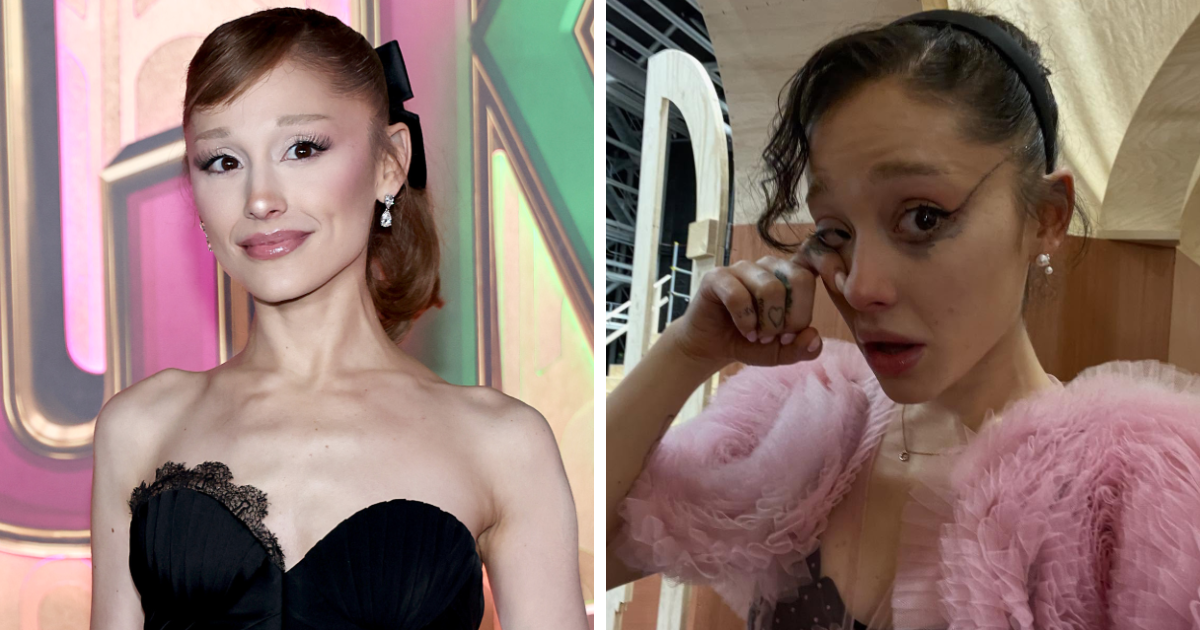
Ariana Grande has spent more than a decade being one of pop culture’s most recognizable voices, faces, ponytails, and internet conversation starters. That last part is not always a gift. When a performer becomes famous as a teenager and grows up while the world keeps screenshots, opinions, and magnifying glasses in its pocket, even normal human changes can turn into trending topics. Recently, reports that a family member had expressed concern about Ariana Grande’s well-being pushed that conversation back into the spotlight.
The headline was sharp: a family member had “broken silence” on the singer’s struggles. But the bigger story is not gossip. It is about how fame, body commentary, grief, professional pressure, and public misunderstanding can pile up on one person until the glitter starts to look heavier than the gown. Ariana Grande may be a global superstar, but she is also a human being who has repeatedly asked people to be more careful with their words.
What Was Reportedly Said About Ariana Grande’s Struggles?
According to entertainment reports, an anonymous family source allegedly said Ariana Grande was “not in a healthy place” after a demanding period tied to the Wicked press cycle and the renewed wave of public comments about her appearance. The source reportedly suggested that people close to her were encouraging her to focus on rest, mental health, and personal care.
Because the comments were attributed anonymously, they should be handled carefully. Anonymous family claims are not the same as a direct statement from Ariana Grande. They can offer context, but they can also become another layer of pressure if repeated without care. In other words, this is not an invitation for the internet to put on a lab coat and start diagnosing someone from a red carpet photo. Please step away from the microscope, Dr. TikTok.
What is clear is that Grande herself has spoken many times about the harm caused by public commentary on her body and personal life. She has explained that people often make assumptions without knowing what is happening behind the scenes. She has also reminded fans that health does not have one universal look, and that even “concerned” comments can hurt when they become invasive.
Ariana Grande Has Already Addressed Body-Shaming
One of the most important parts of this story is that Ariana Grande has not been silent. In 2023, she addressed public comments about her body in a widely discussed social media video. Her message was simple but powerful: people should be less comfortable commenting on other people’s bodies, even when they believe they are being kind.
Grande explained that the version of her body some fans were comparing her to was not necessarily a healthier version of her life. That point matters. Social media often treats old photos like evidence, but old photos do not show stress levels, grief, private habits, medical care, sleep, anxiety, or emotional pain. A picture can capture an outfit. It cannot capture the full story.
This is why the “she looked healthier before” argument can be so damaging. It sounds caring on the surface, but it often turns a person into a public project. Grande has repeatedly pushed back against that habit. Her point is not that fans cannot care. Her point is that caring should not look like public inspection.
The Wicked Era Added New Pressure
Ariana Grande’s role as Glinda in Wicked marked a major moment in her acting career. For longtime fans, it was almost poetic. Before she was a chart-topping pop star, Grande was a theater kid with a serious love for musical performance. Playing Glinda was not just another celebrity casting headline; it was a full-circle career moment.
But big opportunities often arrive with big pressure. The Wicked press tour placed Grande under intense visual and emotional scrutiny. Every interview clip, red carpet pose, facial expression, outfit, and interaction with co-star Cynthia Erivo became material for online analysis. Some fans celebrated the friendship between Grande and Erivo. Others mocked their emotional interviews. Some praised their vulnerability. Others treated it like a meme factory with free shipping.
Grande and Erivo’s bond became one of the most talked-about parts of the film’s promotional cycle. Their closeness appeared to be a source of support, especially during a season when both women were constantly watched. Reports have described Erivo as protective of Grande, and Grande has publicly shown admiration for Erivo. In an industry that often pits women against each other, their friendship offered a refreshing counterpoint: two performers holding each other up while the internet tried to decide whether they were too sincere, too emotional, or too everything.
Why Public “Concern” Can Still Become Harmful
There is a tricky line between concern and commentary. Fans may genuinely worry when they see a celebrity looking tired, emotional, or different. That concern can come from love. But once it turns into viral threads, side-by-side body comparisons, edited videos, and armchair diagnoses, it stops being care and starts becoming surveillance.
The internet has a habit of disguising judgment as concern. Someone writes, “I’m just worried,” and then posts five photos, three theories, and a comment section full of strangers debating a person’s body like it is a group project. That is not support. That is a digital town square with bad lighting.
For celebrities like Ariana Grande, the problem is amplified because millions of people feel connected to her. Fans grew up with her music, from Yours Truly to Dangerous Woman, Sweetener, thank u, next, Positions, and eternal sunshine. Her songs have been soundtracks for breakups, glow-ups, car rides, gym sessions, and dramatic bedroom lip-sync performances. That emotional connection can make fans feel protective. But protection should not erase boundaries.
A Career Built Through Public Highs And Private Lows
Ariana Grande’s career is often described in numbers: No. 1 singles, Grammy wins, sold-out tours, streaming records, and major film roles. But numbers do not explain the human experience behind them. Grande has lived through extraordinary public highs and deeply painful public chapters.
After the 2017 Manchester concert attack, Grande spoke about anxiety and trauma. She later connected some of her healing to therapy, music, and the support of loved ones. She also experienced intense public attention around grief after the death of Mac Miller in 2018, followed by heavy scrutiny of her relationship with Pete Davidson. Years later, her divorce from Dalton Gomez and her relationship with Wicked co-star Ethan Slater became another wave of public speculation.
Through it all, Grande kept working. She released music that often turned pain into pop precision. thank u, next transformed heartbreak into a cultural phrase. Sweetener mixed softness with survival. eternal sunshine explored memory, love, self-protection, and emotional reset with sleek production and unusually personal storytelling.
The public sees the finished product: the album, the video, the performance, the perfect high note. What it does not always see is the cost of continuing to perform while people debate your body, your choices, your relationships, your grief, and your facial expressions as if you are not in the room.
The Role Of Family Support In Celebrity Mental Health
If reports about Ariana Grande’s family concerns are accurate, they point to something important: even the most famous people need people around them who are not impressed by fame. Family support can be grounding because it is usually connected to the person before the brand, before the awards, before the headlines, and before the internet learned how to zoom in on pores.
A strong support system does not mean someone is broken. It means they are human. Support can look like encouraging rest, setting boundaries, saying no to extra obligations, checking in after a stressful event, or simply reminding someone that they are more than their public image.
Grande’s family has long been part of her public story. Her brother Frankie Grande, her mother Joan Grande, and her late grandmother Marjorie “Nonna” Grande have all been known to fans in different ways. Ariana has often presented family as part of her emotional foundation. That makes reports of family concern feel personal to fans, but it also makes privacy even more important. Loving a celebrity does not entitle the public to every family conversation.
Cynthia Erivo And The Power Of Chosen Support
Another important part of the recent conversation is Cynthia Erivo’s role in Ariana Grande’s life during the Wicked era. Co-stars often say they are close during press tours, but Grande and Erivo’s connection appeared unusually sincere. They frequently spoke about protecting each other, listening to each other, and experiencing the emotional weight of the project together.
That matters because chosen support can be just as meaningful as family support. When someone is working through an exhausting professional chapter, the person beside them in the same storm may understand things outsiders cannot. Erivo knew the schedule, the pressure, the interviews, the physical demands, and the public reactions. She was not watching from the sidelines. She was in the same glittery tornado.
Fans sometimes joke about celebrity friendships, but support at work can be powerful. A colleague who notices when you are overwhelmed, makes space for you, and checks in after difficult moments can make a demanding environment feel less isolating. In Grande’s case, that kind of support seems to have been especially valuable during a time when public attention was loud and not always kind.
Why Ariana Grande’s Story Resonates With So Many People
Part of the reason this story keeps spreading is that Ariana Grande’s struggles reflect a larger cultural issue. Most people are not international pop stars. Most people do not attend premieres in couture gowns while cameras flash like lightning in a jewelry store. But many people understand what it feels like to be judged by appearance, misunderstood by strangers, or expected to stay cheerful while privately struggling.
Grande’s situation is extreme because her audience is massive, but the pattern is familiar. A person changes. Others comment. The person explains. The comments continue. Then people wonder why the person seems tired. It is the emotional equivalent of poking someone repeatedly and then saying, “Wow, you seem sensitive.”
Her story also resonates because she has been both glamorous and vulnerable. She can deliver whistle tones that sound like they were sent by express mail from the clouds, but she also cries in interviews, talks about therapy, and admits that public commentary hurts. That combination makes her relatable without making her ordinary. She remains a superstar, but one with visible emotional edges.
Media Responsibility: Reporting Without Turning Pain Into A Spectacle
Entertainment journalism has a responsibility here. It is fair to report when a public figure addresses body-shaming, mental health, or the pressures of fame. It is also fair to discuss how the public treats celebrities. But there is a difference between responsible coverage and turning someone’s well-being into clickbait confetti.
Good coverage should avoid diagnosing, mocking, or encouraging readers to inspect photos. It should not frame a person’s body as a mystery to solve. It should not treat anonymous concern as confirmed medical fact. Instead, it should focus on what has been publicly said, what can be verified, and what broader lessons readers can take away.
In Ariana Grande’s case, the broader lesson is clear: public figures deserve boundaries. Comments about appearance can be harmful even when they are framed as concern. Mental health should be discussed with care, not used as a dramatic prop. Family support should be respected, not mined for gossip.
What Fans Can Learn From This Moment
Fans do not have to stop caring about Ariana Grande. Caring is part of fandom. But caring can be healthier. Instead of posting theories, fans can support her work, respect her boundaries, and listen when she says certain comments are harmful. They can avoid body comparisons. They can push back against cruel posts. They can remember that silence from a celebrity does not mean the public has permission to fill in the blanks.
The best kind of fan support is not invasive. It does not demand explanations. It does not require constant access. It says, “We appreciate your art, and we hope you are well,” then leaves room for the person to live.
Experiences Related To Ariana Grande’s Struggles: What This Story Teaches Us
The conversation around Ariana Grande’s family member speaking out can feel very Hollywood at first glance. There are movie premieres, red carpets, famous co-stars, award nominations, viral interviews, and social media storms. But underneath the celebrity layer is an experience many people recognize: trying to keep going while everyone has an opinion about how you look, how you act, and whether you are handling life correctly.
Think about a student who returns to school after a difficult summer and immediately hears comments like, “You look different,” or “Are you okay? You seem thinner,” or “You used to look happier.” Maybe the comments are meant kindly. Maybe they are not. Either way, the person receiving them may feel exposed. They may already be working through stress, family problems, health concerns, grief, or anxiety. Suddenly, instead of feeling welcomed, they feel studied.
Now multiply that by millions. That is the scale Ariana Grande faces. Every public appearance can become a conversation about her body. Every emotional interview can become a meme. Every quiet period can become a theory. Fame does not remove the emotional impact of being talked about; it often increases it. A celebrity may have stylists, security, and a professional team, but none of those things make a cruel comment painless.
One practical lesson from this story is that support should be private before it is public. If someone in your life seems tired or overwhelmed, the best response is rarely to announce your concern in front of everyone. A private message, a gentle check-in, or a simple “I’m here if you need anything” is usually more respectful. Public concern can embarrass people. Private care gives them dignity.
Another lesson is that people should be allowed to change without being cross-examined. Bodies change. Faces change. Personal style changes. Energy changes. Sometimes change comes from growth. Sometimes it comes from stress. Sometimes it comes from health. Sometimes it comes from simply being alive for another year, which, frankly, is already a full-time job with no paid vacation.
Ariana Grande’s situation also shows why boundaries are not cold or rude. When she asks people not to comment on bodies, she is not rejecting love. She is asking for safer love. That distinction matters. Healthy support respects what the person says they need, not what the audience wants to give.
For readers, this can become a useful everyday rule: compliment choices, not bodies. Compliment someone’s outfit, creativity, kindness, humor, performance, writing, or effort. Say, “That color looks amazing,” or “You worked so hard on that,” or “Your voice sounded beautiful.” Those comments celebrate the person without turning their body into the topic.
The final experience worth noticing is how important a support system can be. Whether it is family, friends, co-workers, therapists, or trusted partners, people need places where they are not performing. Ariana Grande has spent much of her life performing for cameras and crowds. The most valuable support may come from people who remind her that she does not have to be “Ariana Grande” every second. She can just be Ariana.
That is the heart of the story. Behind the headlines about a family member breaking silence is a reminder that success does not cancel struggle. Awards do not erase anxiety. Beauty does not block pain. Talent does not make someone immune to exhaustion. And public love, when it becomes invasive, can start to feel less like love and more like pressure wearing a fan badge.
Conclusion: A Bigger Conversation Than One Celebrity
Ariana Grande’s reported family concerns should not become another excuse for speculation. They should become a reason to talk about how we treat people in public life. Grande has been clear: comments about appearance can be dangerous, misleading, and deeply uncomfortable. Her career shows extraordinary strength, but strength should not be mistaken for endless capacity.
The healthier conversation is not “What is wrong with Ariana?” It is “Why do we feel entitled to analyze her?” That question is less flashy, but it is more useful. It asks fans, media outlets, and social media users to consider their own role in the noise.
Ariana Grande’s art has given millions of people joy, comfort, and extremely ambitious karaoke goals. The least the public can offer in return is a little restraint, a little empathy, and maybe a group agreement to stop treating celebrity bodies like breaking news. Sometimes the kindest headline is the one that remembers there is a person inside it.